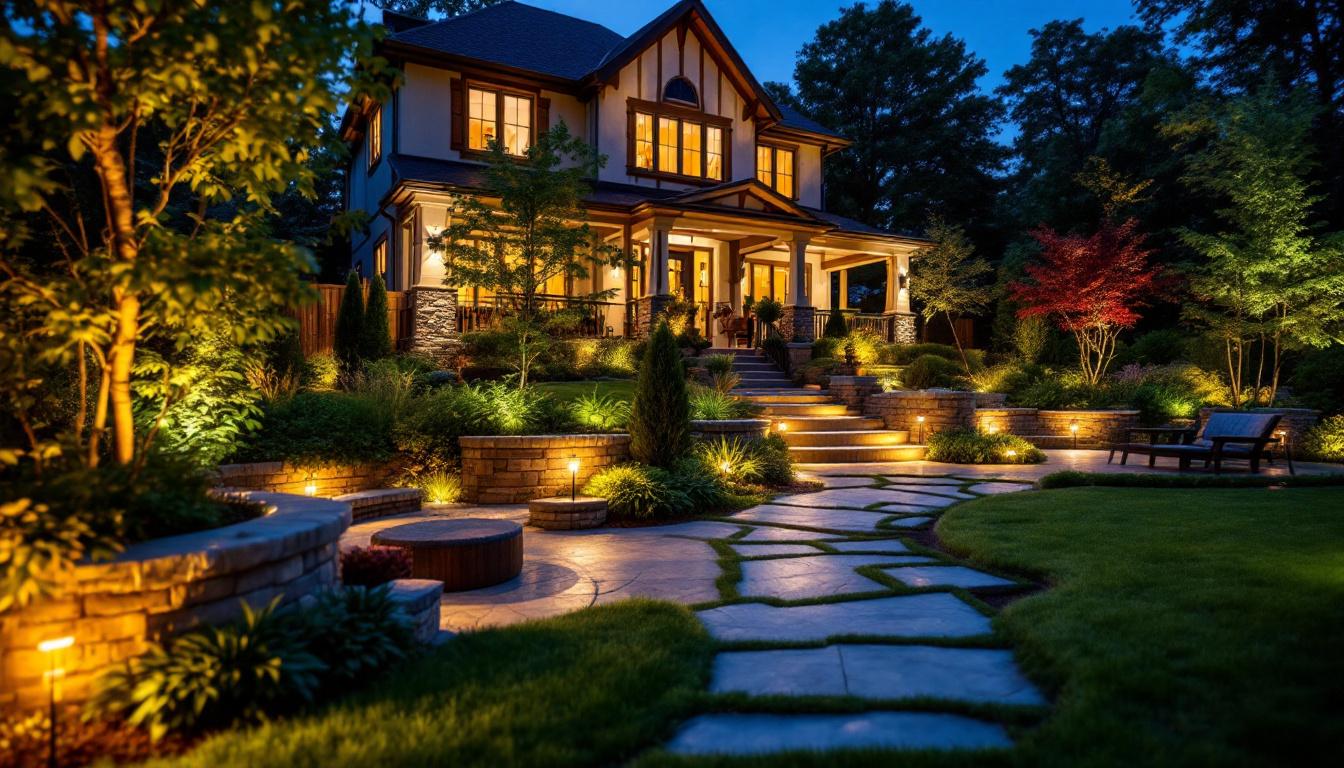
Why Landscape Lighting Is More Than Just Illumination
Landscape lighting has evolved far beyond simple outdoor illumination. Today, it’s about creating ambiance, enhancing security, and increasing property value. For lighting contractors, understanding this shift is crucial. Clients expect more than just functional lighting—they want designs that highlight architectural features, complement landscaping, and provide energy-efficient solutions.
With advancements in technology and design, the best landscape lighting companies are pushing boundaries. They blend artistry with innovation, offering products and services that are both beautiful and practical. Contractors who keep pace with these trends position themselves as trusted experts in a competitive market.
Moreover, the integration of smart technology into landscape lighting systems has opened up a world of possibilities. Homeowners can now control their outdoor lighting through smartphone apps, allowing for customizable settings that adapt to different occasions. Whether it’s a cozy family gathering or a lively outdoor party, the ability to adjust brightness and color temperature enhances the overall experience. This level of control not only adds convenience but also promotes energy efficiency, as homeowners can easily turn off lights that are not in use or set timers to ensure lights operate only when needed.
Additionally, the aesthetic appeal of landscape lighting cannot be overstated. Well-placed lights can transform a mundane garden into a magical oasis, highlighting the textures of plants and the contours of pathways. Techniques such as uplighting, downlighting, and moonlighting create dramatic effects that can change the perception of space. For instance, uplighting can emphasize the grandeur of a tree or architectural feature, while downlighting can simulate the soft glow of moonlight, enhancing the tranquility of outdoor spaces. As clients become more aware of these artistic possibilities, the demand for skilled contractors who can execute such visions continues to grow.
Smart Lighting Integration: The Future Is Connected
Embracing IoT and Automation
Smart landscape lighting systems are becoming mainstream. Integration with Internet of Things (IoT) devices allows homeowners to control their outdoor lighting remotely via smartphones or voice assistants. For contractors, this means installing systems that are compatible with popular platforms like Amazon Alexa, Google Assistant, and Apple HomeKit. The convenience of adjusting lighting settings from anywhere enhances the user experience, making it easier for homeowners to create the perfect ambiance for any occasion, whether it’s a cozy family dinner or a lively outdoor gathering.
Automation features such as motion sensors, timers, and ambient light detection improve energy efficiency and security. These systems can adjust brightness based on natural light or activate only when movement is detected. For instance, a well-placed motion sensor can illuminate pathways when someone approaches, providing safety and peace of mind during nighttime hours. Offering smart solutions not only meets client expectations but also opens doors to upselling premium packages. With the ability to customize lighting scenes and schedules, homeowners can also enjoy the aesthetic benefits of dynamic lighting that enhances their landscape’s beauty throughout the seasons.
Challenges and Opportunities
Smart lighting requires a deeper understanding of networking and software integration. Contractors need to stay updated on firmware updates and cybersecurity best practices to ensure client systems remain secure and functional. As more devices connect to home networks, the importance of safeguarding these systems against potential breaches becomes paramount. Educating clients on the importance of changing default passwords and regularly updating their systems can significantly reduce vulnerabilities. Partnering with reputable manufacturers who provide robust technical support is a wise strategy, as it allows contractors to offer reliable solutions and maintain long-term relationships with clients.
Moreover, the evolving landscape of smart technology presents both challenges and opportunities for contractors. As new innovations emerge, such as solar-powered smart lights or systems that integrate with home security cameras, staying ahead of trends can set a contractor apart from competitors. By attending industry conferences and participating in training sessions, contractors can not only enhance their skill set but also gain insights into emerging technologies that could revolutionize outdoor lighting. This proactive approach not only ensures they are well-equipped to tackle complex installations but also positions them as knowledgeable experts in a rapidly changing market.
LED Technology: Efficiency Meets Versatility
Why LEDs Dominate the Market
LEDs have revolutionized landscape lighting. Their energy efficiency, long lifespan, and low heat output make them ideal for outdoor use. Compared to traditional halogen or incandescent bulbs, LEDs consume up to 80% less energy and last significantly longer, reducing maintenance costs for clients. This shift not only benefits the environment by lowering carbon footprints but also translates to substantial savings on energy bills, making LEDs a financially savvy choice for both residential and commercial properties.
Additionally, LEDs offer a broad spectrum of color temperatures and intensities. This versatility allows contractors to customize lighting schemes that enhance natural colors and textures in landscaping, from warm amber glows to crisp white highlights. The ability to create dynamic lighting effects can transform outdoor spaces into enchanting environments, perfect for evening gatherings or tranquil retreats. Moreover, the compact size of LED fixtures enables innovative designs, allowing for seamless integration into various architectural styles and landscape features.
Advancements in LED Technology
Recent developments include tunable white LEDs, which can shift color temperature throughout the day to mimic natural light cycles. This feature supports circadian rhythms and enhances outdoor living spaces’ comfort. High CRI (Color Rendering Index) LEDs also provide more accurate color representation, essential for highlighting plants and architectural details. As technology progresses, smart LED systems are emerging, allowing users to control their lighting remotely via smartphones or home automation systems. This level of control not only enhances convenience but also enables energy-saving features like scheduling and dimming, further optimizing outdoor lighting performance.
Moreover, the integration of solar-powered LEDs is becoming increasingly popular, providing an eco-friendly option for illuminating gardens, pathways, and patios. These systems harness sunlight during the day and automatically illuminate at night, eliminating the need for electrical wiring and reducing installation costs. With advancements in battery technology, modern solar LEDs now offer longer operational times and brighter outputs, making them a practical choice for sustainable landscaping. As the demand for environmentally conscious solutions grows, the evolution of LED technology continues to pave the way for innovative and efficient outdoor lighting options.
Design Trends: Blending Functionality with Aesthetics
Layered Lighting for Depth and Dimension
One of the most effective design strategies is layered lighting, which combines ambient, task, and accent lighting to create depth and interest. Contractors should focus on balancing these layers to avoid harsh shadows or over-illumination.
Pathway lights guide visitors safely, while uplighting emphasizes trees and structures. Downlighting simulates moonlight, casting soft shadows for a natural effect. Incorporating multiple techniques results in a dynamic, inviting outdoor environment.
Minimalist Fixtures and Hidden Sources
Modern landscape lighting favors sleek, minimalist fixtures that blend seamlessly with the environment. Concealed lights embedded in steps, walls, or plant beds reduce visual clutter and create a clean aesthetic. This approach requires careful planning and precise installation but delivers a sophisticated final look.
Sustainability and Environmental Considerations
Eco-Friendly Materials and Practices
Clients increasingly prioritize sustainability. Lighting contractors should consider fixtures made from recycled or durable materials that withstand weathering without frequent replacement. Solar-powered lights are gaining traction, particularly in areas where running electrical wiring is challenging or costly.
Light Pollution and Wildlife Impact
Responsible lighting design minimizes light pollution and its effects on nocturnal wildlife. Shielded fixtures and downward-directed beams reduce glare and skyglow, preserving the natural night environment. Using warmer color temperatures also lessens disruption to animals sensitive to blue light.
Top Landscape Lighting Companies Setting the Standard
Leading Brands and What Sets Them Apart
Several companies consistently deliver innovative products and comprehensive support that contractors rely on. These brands offer extensive catalogs featuring smart controls, customizable fixtures, and durable materials designed for outdoor conditions.
For instance, some companies specialize in modular systems that simplify installation and maintenance, while others focus on integrating cutting-edge LED technology with elegant design. Partnering with these industry leaders can enhance a contractor’s portfolio and reputation.
Support and Training for Contractors
Beyond products, the best companies provide training resources, design tools, and technical assistance. This support helps contractors stay informed about new trends and troubleshoot complex installations. Access to these resources can be a significant advantage in delivering high-quality projects efficiently.
Essential Skills and Knowledge for Lighting Contractors
Technical Expertise and Design Sensibility
Successful landscape lighting contractors combine technical know-how with an eye for design. Understanding electrical codes, load calculations, and wiring techniques ensures safe, reliable installations. Meanwhile, proficiency in lighting design principles helps create visually appealing and functional outdoor spaces.
Staying Current with Industry Developments
Continuous education is vital. Attending trade shows, participating in workshops, and subscribing to industry publications keep contractors informed about emerging technologies and shifting client preferences. Networking with peers and manufacturers also fosters knowledge exchange and business growth.
Conclusion: Positioning Yourself for Success
Landscape lighting is a dynamic field where technology and design converge. Contractors who embrace smart systems, LED advancements, and sustainable practices will meet client demands and differentiate themselves. Aligning with top companies and investing in ongoing education further strengthens expertise and market position.
Ultimately, delivering exceptional landscape lighting requires more than installation skills-it demands creativity, adaptability, and a commitment to quality. By mastering current trends and anticipating future shifts, lighting contractors can build lasting relationships and thrive in this competitive industry.
Illuminate Your Projects with LumenWholesale
As you strive to stay ahead in the landscape lighting industry, choose LumenWholesale for your lighting needs. Our extensive range of spec-grade lighting products is designed to meet the highest industry standards, ensuring that your installations stand out for their quality and performance. By partnering with us, you gain access to premium lighting solutions at wholesale prices, with the added benefits of free shipping and no hidden fees. Elevate your projects and give your clients the exceptional results they seek. Discover the perfect blend of quality, affordability, and convenience at Wholesale Lighting at the Best Value.