Understanding the Unique Lighting Needs of Basketball Courts
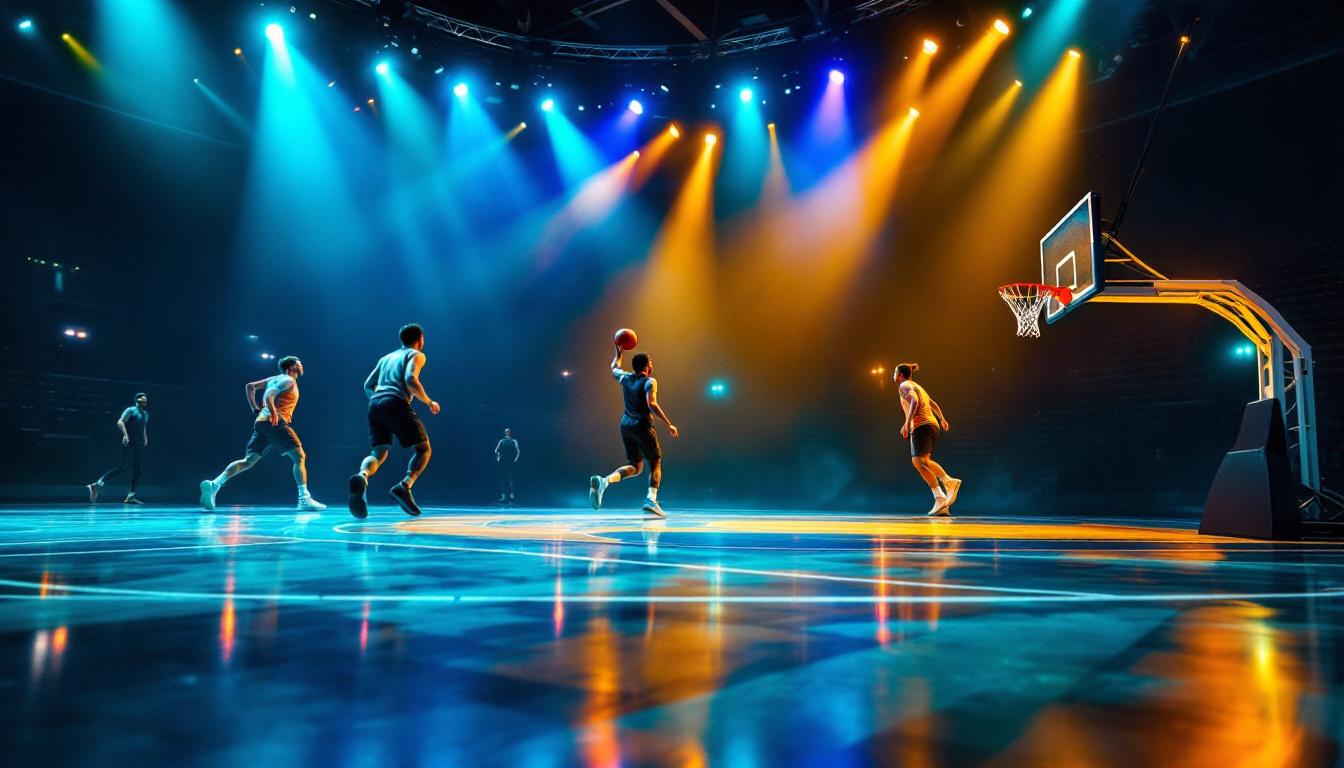
Lighting a basketball court isn’t just about brightness; it’s about creating an environment where players, referees, and spectators can experience the game at its best. The court demands uniform illumination to reduce shadows and glare, ensuring that every pass, dribble, and shot is clearly visible from all angles. For lighting contractors, this means selecting fixtures that deliver high lumen output with precise beam control. The right lighting can enhance the overall atmosphere of the game, making it more enjoyable for everyone involved, from the players on the court to the fans in the stands.
Basketball courts, whether indoor or outdoor, have specific standards that must be met. The Illuminating Engineering Society (IES) recommends an average horizontal illuminance of 50 to 75 foot-candles for recreational play, with competitive and professional venues requiring even higher levels. Achieving these standards with traditional lighting can be challenging due to heat output, energy consumption, and maintenance demands. LED technology offers solutions that address these challenges effectively. Additionally, the longevity and durability of LED fixtures mean that they can withstand the rigors of high-intensity play, reducing the frequency of replacements and maintenance, which can be a significant cost-saving advantage for facility managers.
Key Performance Metrics to Consider
When specifying LED fixtures for basketball courts, pay close attention to the following metrics:
- Lumens: The total light output should be sufficient to meet the required foot-candle levels without over-lighting, which wastes energy and increases costs.
- Color Rendering Index (CRI): A CRI of 80 or higher is ideal to ensure colors appear natural and vivid under artificial lighting, which is crucial for player visibility and broadcast quality.
- Color Temperature: Neutral white light around 4000K to 5000K balances visibility and comfort, mimicking daylight and reducing eye strain.
- Beam Angle: Adjustable beam angles help in directing light precisely, minimizing spill light and glare that can distract players or spectators.
Moreover, the integration of smart lighting technology can further enhance the basketball experience. By utilizing sensors and controls, lighting can be adjusted in real-time based on the game’s dynamics or the time of day, providing optimal conditions for play. This adaptability not only improves visibility but can also contribute to energy savings by ensuring that lights are only at full intensity when necessary. Additionally, innovative lighting designs can incorporate features such as color-changing LEDs that can be used to create exciting visual effects during halftime shows or special events, further engaging the audience and enhancing the overall atmosphere of the venue.
Advantages of LED Lighting for Basketball Courts
LED lighting has transformed sports lighting, offering benefits that traditional metal halide or fluorescent systems cannot match. For contractors, understanding these advantages is key to advising clients and installing systems that perform well over time.
First, LEDs provide immediate full brightness without warm-up time, which is essential for venues with frequent on-off cycles. This instant-on capability improves operational efficiency and reduces downtime between games or events.
Energy Efficiency and Cost Savings
LEDs consume significantly less energy than traditional lighting, sometimes reducing power consumption by up to 60%. This translates into lower utility bills and a smaller carbon footprint-an increasingly important factor for facility managers aiming for sustainability certifications.
Over the lifespan of the fixtures, energy savings can offset the initial investment, making LEDs a financially sound choice. Additionally, many utility companies offer rebates or incentives for upgrading to energy-efficient lighting, which contractors should highlight to clients. These incentives can further enhance the appeal of LED systems, making them not just an environmentally friendly option, but also a financially savvy one. Moreover, the reduced energy consumption contributes to a more stable energy grid, which is beneficial for the community at large, especially during peak usage times.
Longevity and Maintenance Benefits
LED fixtures typically last 50,000 hours or more, far exceeding the lifespan of metal halide lamps. This longevity reduces the frequency of replacements, which can be costly and disruptive, especially in high-ceiling gymnasiums or outdoor arenas.
Lower maintenance requirements mean fewer lift rentals and less labor, saving time and money. For contractors, this also means fewer service calls and enhanced client satisfaction. Furthermore, the durability of LED lights makes them resistant to shocks and vibrations, which is particularly advantageous in dynamic sports environments where equipment and players are constantly on the move. This resilience not only extends the life of the fixtures but also ensures consistent performance, providing athletes with the optimal lighting conditions they need to excel. Additionally, the reduced heat output of LEDs minimizes the risk of overheating, further enhancing safety and comfort for players and spectators alike.
Design and Installation Considerations for Optimal Performance
Proper design and installation are critical to maximizing the benefits of LED basketball court lighting. Lighting contractors must approach each project with a tailored plan that considers the unique dimensions and usage patterns of the space. This includes evaluating not just the physical attributes of the court, but also understanding the specific needs of the players and the type of events that will be hosted. For instance, a community center may have different requirements than a professional arena, necessitating a careful assessment of the intended use and audience.
Lighting Layout and Uniformity
Uniformity is paramount. Uneven lighting can cause shadows that impair player performance and create safety hazards. Using lighting design software to model the court ensures that fixtures are positioned to deliver consistent illumination across the entire playing surface. Additionally, it is essential to account for potential obstructions, such as bleachers or overhead structures, which can impact light distribution. A well-planned layout not only enhances visibility but also contributes to the overall ambiance of the court, making it more inviting for players and spectators alike.
Fixtures should be mounted at appropriate heights—typically between 20 and 30 feet indoors—to balance coverage and minimize glare. Outdoor courts may require higher mounting to accommodate larger spaces and prevent light pollution. Furthermore, the choice of fixture type can also influence performance; for example, high-bay LED fixtures are often favored for their efficiency and ability to deliver high lumen output while maintaining a lower energy footprint.
Glare Control and Player Comfort
Glare is a common complaint in sports lighting. Excessive glare can distract players and referees, impacting game quality. LED fixtures with integrated glare control features, such as louvers or shields, help direct light downward and reduce eye strain. The selection of color temperature is also crucial; warmer tones can create a more comfortable environment, while cooler tones may enhance visibility and focus. This balance is vital in ensuring that players can perform at their best without being hindered by uncomfortable lighting conditions.
Contractors should also consider the angle of installation and the use of diffusers where appropriate. Testing light levels from player and spectator viewpoints during commissioning is a best practice to ensure comfort. Additionally, conducting feedback sessions with players and coaches post-installation can provide valuable insights into the effectiveness of the lighting setup, allowing for adjustments that enhance the overall experience.
Integration with Controls and Smart Systems
Modern LED systems often include dimming capabilities and smart controls that allow facility managers to adjust lighting based on usage. For example, practice sessions may require lower light levels than official games, enabling energy savings. This adaptability not only conserves energy but also prolongs the lifespan of the fixtures, making it a cost-effective solution in the long run.
Lighting contractors should be familiar with control protocols such as DALI or DMX and the integration of sensors like occupancy detectors and daylight harvesting systems. These technologies enhance operational flexibility and further reduce energy consumption. Moreover, the implementation of mobile apps for remote control can empower facility managers to make real-time adjustments based on immediate needs, such as accommodating unexpected events or special gatherings. This level of control ensures that the lighting system remains efficient and responsive, ultimately contributing to a better experience for everyone involved.
Addressing Common Challenges in Basketball Court Lighting Projects
Despite the clear benefits of LED lighting, contractors may encounter challenges that require careful planning and problem-solving.
Balancing Initial Costs with Long-Term Value
Upfront costs for LED fixtures and installation can be higher than traditional lighting. Clients may hesitate without understanding the total cost of ownership. Providing detailed lifecycle cost analyses that include energy savings, maintenance reduction, and potential rebates can help justify the investment.
Ensuring Compliance with Local Codes and Standards
Lighting contractors must stay current with local regulations and sports lighting standards. Some jurisdictions have strict requirements regarding light trespass, glare, and energy efficiency. Non-compliance can result in fines or forced retrofits, so thorough due diligence during the design phase is essential.
Dealing with Existing Infrastructure Constraints
Retrofitting older basketball courts with LED lighting can pose challenges such as incompatible wiring, inadequate mounting structures, or insufficient electrical capacity. Contractors should conduct comprehensive site assessments and coordinate with electricians and structural engineers to develop feasible solutions.
Future Trends in Basketball LED Lighting
Staying ahead of industry trends enables lighting contractors to offer cutting-edge solutions that meet evolving client expectations.
Advancements in LED Technology
LED efficiency continues to improve, with newer chips delivering higher lumens per watt. This means even lower energy consumption and smaller fixture sizes. Additionally, advancements in optics allow for more precise light distribution, enhancing uniformity and reducing glare.
Integration with Broadcast and Smart Venue Technologies
As basketball games are increasingly broadcast in high definition and virtual reality formats, lighting must support these technologies. High-CRI, flicker-free LEDs improve camera performance and viewer experience. Contractors should anticipate these requirements when specifying fixtures.
Smart venue integration is another growing trend. Lighting systems that communicate with other building systems-such as HVAC and security-offer holistic operational control and improved efficiency.
Environmental and Sustainability Focus
Clients are placing greater emphasis on sustainability. LED lighting, combined with renewable energy sources and smart controls, can help basketball venues achieve green certifications such as LEED or WELL. Lighting contractors who can guide clients through these processes add significant value.
Conclusion: Delivering Excellence in Basketball Court Lighting
Lighting contractors play a pivotal role in shaping the basketball experience through thoughtful LED lighting design and installation. Understanding the technical requirements, leveraging the advantages of LED technology, and navigating project challenges are essential to delivering solutions that satisfy clients and enhance the game.
By focusing on uniformity, energy efficiency, glare control, and future-ready technologies, contractors can build a reputation for excellence in sports lighting. This expertise not only benefits basketball venues but also opens doors to other sports and recreational lighting projects, expanding business opportunities.
Illuminate Your Next Project with LumenWholesale
Ready to elevate your basketball court lighting installations? Choose LumenWholesale for your lighting needs and gain the competitive edge with our premium, spec-grade LED solutions. Our commitment to quality and affordability ensures you can deliver exceptional lighting experiences without stretching your budget. Say goodbye to local distributor markups and hello to our extensive selection of high-performance lighting products. With free shipping on bulk orders, LumenWholesale is your go-to source for superior lighting at the best value. Take the first step towards a brighter future and explore our wholesale lighting options today.