In the ever-evolving world of lighting technology, efficiency is paramount. For lighting contractors, optimizing lighting solutions not only enhances project outcomes but also significantly impacts the bottom line. This article delves into various strategies and considerations for maximizing efficiency in lighting, alongside practical insights on leveraging coupon codes to save costs.
Understanding Lighting Efficiency
Lighting efficiency refers to the amount of visible light produced per unit of energy consumed. This is typically measured in lumens per watt (lm/W). The higher the lumens per watt, the more efficient the lighting system. Understanding this concept is crucial for lighting contractors who aim to deliver high-quality solutions while minimizing energy consumption. In addition to energy savings, efficient lighting can also enhance the aesthetic appeal of a space, creating a more inviting atmosphere for both residential and commercial environments.
The Importance of Energy-Efficient Lighting
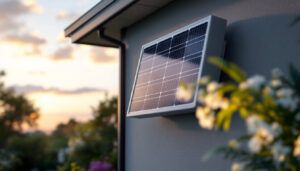
energy-efficient lighting not only reduces electricity bills but also contributes to environmental sustainability. With growing concerns about climate change and energy resources, clients increasingly prefer solutions that reduce their carbon footprint. By promoting energy-efficient lighting options, contractors can meet client demands and position themselves as responsible professionals in the industry. Furthermore, many governments and organizations offer incentives for using energy-efficient lighting, which can provide additional financial benefits for both contractors and their clients. This trend towards sustainability is not just a passing phase; it reflects a broader shift in consumer behavior towards eco-conscious choices.
Types of Energy-Efficient Lighting
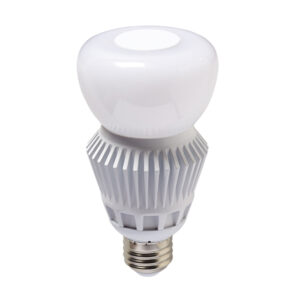
There are several types of energy-efficient lighting options available today. LED (Light Emitting Diode) lights are among the most popular due to their longevity and low energy consumption. These lights can last up to 25,000 hours or more, significantly outlasting traditional incandescent bulbs. CFL (Compact Fluorescent Lamp) bulbs are another option, although they are gradually being overshadowed by LEDs. While CFLs are more efficient than incandescent bulbs, they contain small amounts of mercury, which requires careful disposal. Understanding the advantages and limitations of each type can help contractors make informed recommendations to clients. Additionally, advancements in smart lighting technology are making it easier for users to control their lighting systems, allowing for further energy savings through automation and scheduling. This integration of technology not only enhances convenience but also aligns with the growing trend of smart homes and buildings.
Maximizing Efficiency Through Design
Effective lighting design is critical for optimizing efficiency. This involves considering factors such as the purpose of the space, the type of activities taking place, and the desired ambiance. A well-thought-out design not only enhances aesthetics but also ensures that energy is used judiciously. By integrating innovative technologies and sustainable practices, designers can create environments that are not only visually appealing but also environmentally responsible.
Layered Lighting Techniques
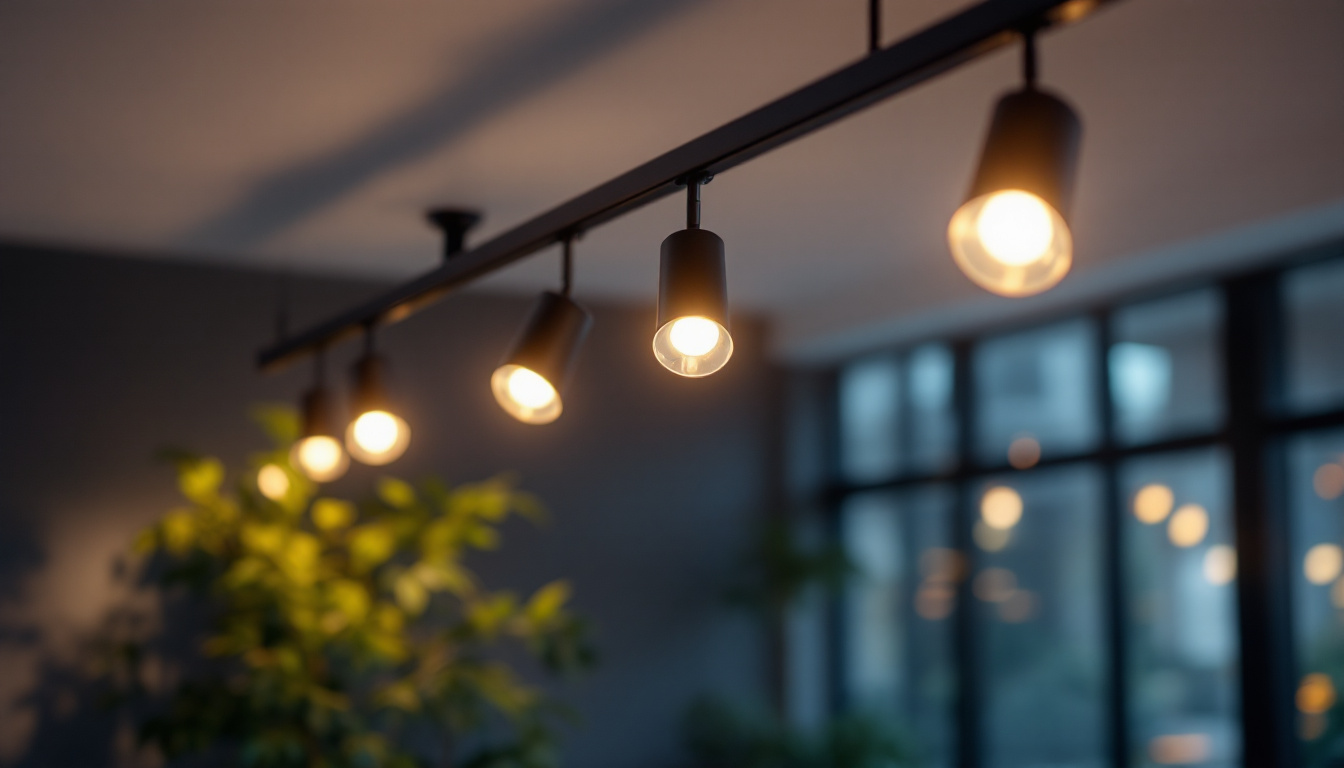
Layered lighting involves using multiple sources of light to create a balanced and functional environment. This technique combines ambient, task, and accent lighting to enhance visibility and comfort. By strategically placing different types of lighting, contractors can reduce the need for excessive fixtures, thus improving overall energy efficiency. For instance, using dimmable LED fixtures allows for flexibility in lighting levels, enabling users to adjust the brightness according to the time of day or specific tasks, further contributing to energy savings.
Utilizing Natural Light
Incorporating natural light into a lighting design can significantly enhance efficiency. Daylight not only reduces the reliance on artificial lighting but also improves the mood and productivity of occupants. Contractors should assess the layout of a space and recommend solutions that maximize the use of windows, skylights, and reflective surfaces. Additionally, the strategic placement of light-colored walls and surfaces can help bounce natural light deeper into a room, minimizing the need for electric lighting during daylight hours. This approach not only promotes a healthier indoor environment but also aligns with sustainability goals by reducing energy consumption.
Moreover, the integration of smart technology can further optimize the use of natural light. Automated shading systems can adjust window coverings based on the sun’s position, ensuring that spaces remain well-lit without overheating. This not only enhances comfort but also protects furniture and flooring from UV damage. By embracing these advanced solutions, designers can create dynamic environments that adapt to the changing conditions throughout the day, ultimately leading to greater energy efficiency and occupant satisfaction.
Smart Lighting Solutions
The advent of smart lighting technology has revolutionized the way lighting systems operate. Smart lighting solutions allow for greater control over lighting conditions, enabling users to adjust brightness and color temperature based on their needs. This flexibility can lead to substantial energy savings. Moreover, the integration of smart lighting with home automation systems means that users can control their lights remotely, creating a seamless and user-friendly experience that enhances overall home security and convenience.
Benefits of Smart Lighting
Smart lighting systems can be programmed to turn off when a room is unoccupied or to adjust based on the time of day. This automation not only enhances convenience but also minimizes energy waste. For contractors, recommending smart solutions can add value to their services and attract tech-savvy clients. Additionally, smart lighting can improve the ambiance of a space, allowing users to create different moods for various occasions, from a cozy dinner to a vibrant party atmosphere, simply by adjusting the lighting settings.
Integrating Smart Controls
Integrating smart controls into lighting systems can further enhance efficiency. Options such as motion sensors, dimmers, and timers help ensure that lights are only used when necessary. These features can be particularly beneficial in commercial settings, where lighting needs can vary throughout the day. Furthermore, advanced smart lighting systems can be synced with other smart devices, such as thermostats and security cameras, to create a comprehensive smart home ecosystem. This interconnectedness not only streamlines operations but also provides users with valuable data insights, allowing them to monitor energy consumption patterns and make informed decisions about their lighting usage.
Choosing the Right Fixtures
The choice of fixtures plays a significant role in the overall efficiency of a lighting system. Selecting high-quality, energy-efficient fixtures can lead to long-term savings and improved performance. Contractors should stay informed about the latest advancements in fixture technology to provide clients with the best options available.
LED Fixtures vs. Traditional Fixtures
LED fixtures are often more expensive upfront compared to traditional options, but they offer substantial savings over time due to their lower energy consumption and longer lifespan. Educating clients about the total cost of ownership can help them understand the long-term benefits of investing in LED technology.
Fixture Placement and Spacing
Proper placement and spacing of fixtures are essential for maximizing efficiency. Over-lighting can lead to unnecessary energy consumption, while under-lighting can compromise functionality. Contractors should conduct thorough assessments of the space to determine the optimal placement and quantity of fixtures required.
Incorporating Energy Codes and Standards
Adhering to energy codes and standards is not only a legal requirement but also a best practice for lighting contractors. These regulations are designed to promote energy efficiency and reduce environmental impact. Familiarity with local codes can help contractors ensure compliance and avoid potential penalties.
Understanding Local Energy Codes
Local energy codes may vary significantly, so it is crucial for contractors to stay updated on the specific requirements in their area. This includes understanding the minimum efficiency standards for lighting systems and any incentives available for energy-efficient installations.
Certification Programs
Participating in certification programs can further enhance a contractor’s credibility and knowledge. Programs such as LEED (Leadership in Energy and Environmental Design) provide valuable insights into sustainable practices and can help contractors differentiate themselves in a competitive market.
Leveraging All Lights Coupon Codes
In addition to optimizing lighting solutions for efficiency, contractors can also benefit from cost-saving strategies. Utilizing coupon codes from suppliers like All Lights can significantly reduce expenses on lighting products and fixtures. Understanding how to effectively use these codes can enhance profitability.
Finding Reliable Coupon Codes
Finding reliable coupon codes requires some research. Contractors should regularly check supplier websites, sign up for newsletters, and follow social media channels to stay informed about promotions. Additionally, joining industry forums can provide insights into current deals and discounts.
Timing Purchases for Maximum Savings
Timing purchases strategically can lead to substantial savings. Many suppliers offer seasonal promotions or clearance sales. By planning ahead and purchasing during these times, contractors can take advantage of lower prices and maximize their budget for lighting projects.
Training and Education for Contractors
Continuous education is vital for lighting contractors looking to optimize efficiency in their projects. Staying informed about the latest technologies, trends, and best practices can enhance a contractor’s skill set and improve service delivery.
Workshops and Seminars
Attending workshops and seminars can provide valuable insights into new products and techniques. Many manufacturers and industry organizations offer training sessions that cover a range of topics, from energy efficiency to smart lighting solutions. Participating in these events can help contractors stay ahead of the curve.
Online Resources and Courses
In addition to in-person training, numerous online resources and courses are available. These can be a convenient way for contractors to learn at their own pace. Websites dedicated to lighting education often provide webinars, articles, and tutorials that cover various aspects of lighting design and technology.
Conclusion
Optimizing lighting solutions for maximum efficiency is essential for lighting contractors aiming to deliver high-quality, sustainable projects. By understanding the principles of lighting efficiency, employing smart technologies, and utilizing cost-saving strategies such as coupon codes, contractors can enhance their offerings and improve client satisfaction.
As the industry continues to evolve, staying informed and adaptable will be key to success. Embracing new technologies, adhering to energy codes, and committing to ongoing education can position contractors as leaders in the field. Ultimately, the goal is to create lighting solutions that are not only effective but also environmentally responsible and economically viable.
Illuminate Your Projects with LumenWholesale
Ready to elevate your lighting projects with efficiency and sustainability? Look no further than LumenWholesale for an exceptional range of spec-grade lighting products at wholesale prices. Say goodbye to inflated markups and hello to superior quality that meets the highest industry standards. With our commitment to affordability and convenience, you’ll enjoy free shipping on bulk orders, ensuring you get the best value without any hidden fees. Don’t compromise on performance or cost. Discover wholesale lighting at the best value today and light up your projects with confidence.