The choice of light bulbs plays a crucial role in the success of lighting projects. Among the various options available, the 60W 120V light bulb stands out as a popular choice for many lighting contractors. This article delves into the implications of using this specific type of bulb, examining its characteristics, applications, and the impact it has on project outcomes.
Understanding the 60W 120V Light Bulb
The 60W 120V light bulb is a staple in the lighting industry, known for its versatility and efficiency. This bulb typically operates at a voltage of 120 volts, which is standard in most residential and commercial settings. Its wattage rating of 60 watts indicates the amount of energy it consumes, which translates to brightness, measured in lumens.
Energy Efficiency and Brightness
Energy efficiency is a significant consideration for lighting contractors. The 60W bulb provides a balance between brightness and energy consumption. With advancements in lighting technology, such as LED options, contractors can offer clients energy-efficient alternatives without sacrificing light quality. Understanding the lumen output of a 60W bulb helps contractors recommend the right lighting solutions for different spaces.
For example, a traditional incandescent 60W bulb emits around 800 lumens, making it suitable for general lighting in living rooms, kitchens, and offices. However, with the rise of LED technology, contractors can now provide clients with LED bulbs that produce the same amount of light while consuming significantly less energy, thus enhancing overall project value.
Compatibility with Fixtures
Another critical aspect of the 60W 120V light bulb is its compatibility with various fixtures. Many standard light fixtures are designed to accommodate this bulb size, making it a convenient choice for contractors. Whether it’s a table lamp, ceiling fixture, or wall sconce, the 60W bulb fits seamlessly into most designs.
Contractors must consider the fixture type when recommending bulbs. For instance, dimmable fixtures may require specific bulb types to ensure compatibility and optimal performance. Understanding the nuances of how different bulbs interact with fixtures is essential for achieving the desired lighting effect in any project.
Applications in Lighting Projects
The versatility of the 60W 120V light bulb allows it to be used in various applications, from residential to commercial settings. Its adaptability makes it a go-to choice for many lighting contractors who aim to meet diverse client needs.
Residential Lighting
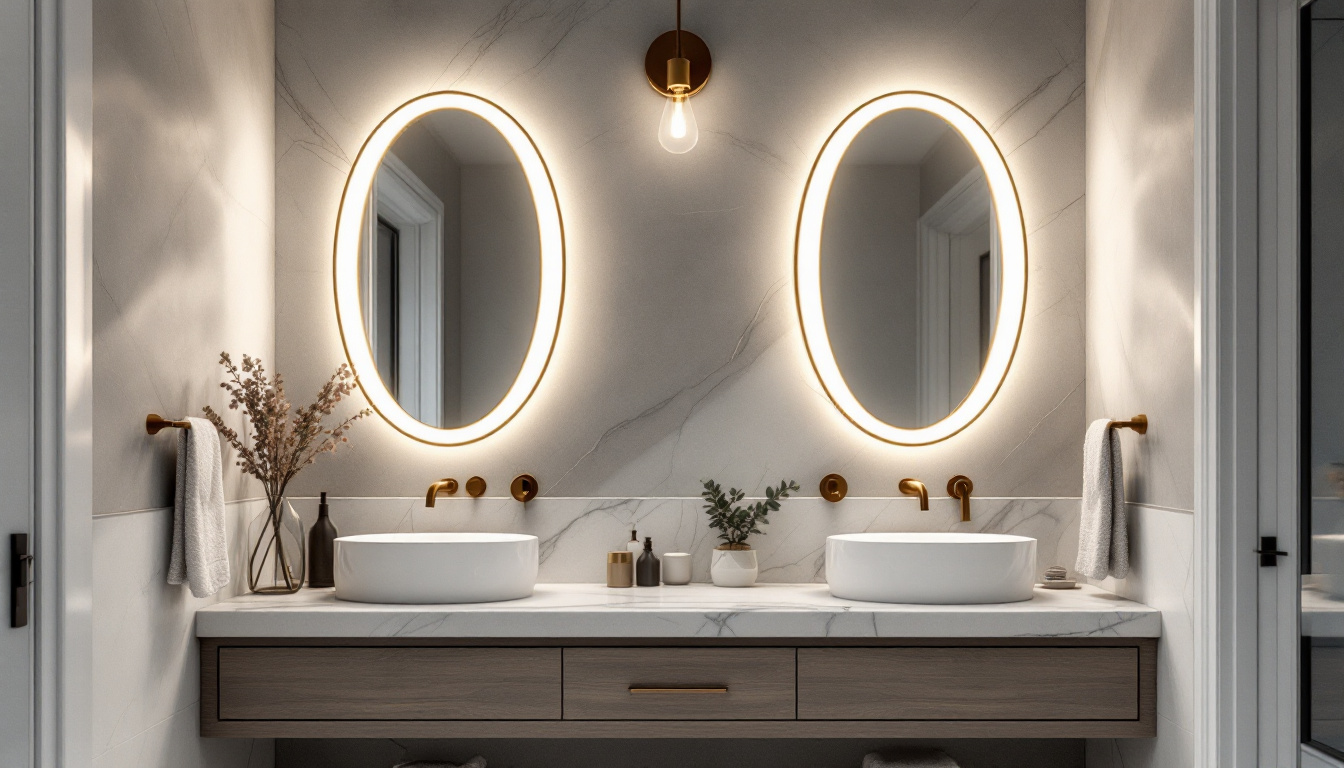
In residential projects, the 60W bulb is often used in living spaces where warm, inviting light is desired. It is ideal for creating ambient lighting in areas such as living rooms, bedrooms, and dining rooms. Contractors can recommend this bulb for fixtures that require a softer glow, enhancing the overall atmosphere of the home.
Moreover, the 60W bulb can be effectively used in combination with dimmer switches, allowing homeowners to adjust the brightness according to their preferences. This flexibility is particularly appealing to clients looking to create mood lighting for different occasions.
Commercial Lighting Solutions
In commercial settings, the 60W bulb serves a different purpose. While it can be used for general lighting, contractors often leverage its qualities for specific applications, such as accent lighting or task lighting in offices and retail spaces. The ability to highlight products or create focused work areas is essential in commercial projects.
Contractors must also consider energy efficiency when working on commercial projects. The shift towards LED technology allows for reduced energy costs while maintaining the desired brightness levels. By recommending LED alternatives to the traditional 60W bulb, contractors can help businesses save on utility bills while meeting their lighting needs.
Outdoor Lighting Considerations
Outdoor lighting is another area where the 60W 120V light bulb can be effectively utilized. Whether for security lighting, pathway illumination, or decorative outdoor fixtures, this bulb can enhance safety and aesthetics. Contractors can recommend weather-resistant fixtures that accommodate this bulb type, ensuring durability and performance in outdoor environments.
It is important for contractors to consider the bulb’s brightness and color temperature when selecting outdoor lighting solutions. A warm white light can create a welcoming atmosphere, while brighter options may be necessary for security purposes. Understanding these factors helps contractors make informed decisions that align with client expectations.
The Impact on Project Costs
When it comes to project budgeting, the choice of light bulbs can significantly influence overall costs. The 60W 120V light bulb, while affordable, can lead to varying expenses depending on the type of bulb selected—traditional incandescent, CFL, or LED.
Initial Costs vs. Long-Term Savings
While incandescent bulbs are generally cheaper upfront, they consume more energy over time, leading to higher electricity bills. In contrast, LED bulbs may have a higher initial cost but offer substantial long-term savings due to their energy efficiency and longer lifespan. Contractors must educate clients on the cost-benefit analysis of different bulb types to help them make informed decisions.
In many cases, clients may be willing to invest more initially for LED options if they understand the long-term savings and reduced maintenance costs associated with these bulbs. This conversation is crucial for contractors looking to enhance project profitability while ensuring client satisfaction.
Impact on Labor Costs
Labor costs can also be affected by the choice of light bulbs. For example, using longer-lasting LED bulbs can reduce the frequency of bulb replacements, which can be a significant factor in maintenance contracts. Contractors who promote the use of energy-efficient bulbs may find that they can offer clients lower ongoing maintenance costs, making their services more attractive.
Moreover, understanding the installation requirements for different bulb types can streamline the project workflow. For instance, some LED fixtures may require specialized installation techniques or additional components, which can impact labor costs. Contractors must be well-versed in these requirements to provide accurate estimates and timelines.
Regulatory Considerations
Lighting contractors must also navigate the regulatory landscape surrounding lighting products. Various energy efficiency standards and building codes can influence the selection of light bulbs for projects. The 60W 120V light bulb, particularly in its LED form, often aligns well with these regulations, making it a compliant choice for many projects.
Energy Efficiency Standards
Many regions have implemented energy efficiency standards aimed at reducing energy consumption and promoting sustainable practices. Contractors should stay informed about these regulations to ensure that their projects comply with local laws. Using energy-efficient bulbs like LEDs can help contractors meet these standards while providing clients with cost-effective solutions.
Additionally, some jurisdictions offer incentives for using energy-efficient lighting solutions, which can further enhance the appeal of recommending 60W LED bulbs. Understanding these incentives allows contractors to provide added value to clients and differentiate their services in a competitive market.
Building Codes and Safety Regulations
Building codes and safety regulations also play a critical role in lighting projects. Contractors must ensure that the chosen light bulbs and fixtures meet safety standards to avoid potential liabilities. The 60W 120V light bulb is generally compliant with most regulations, but contractors should verify that all components of the lighting system adhere to local codes.
By being proactive in understanding and addressing regulatory requirements, contractors can build trust with clients and enhance their reputation in the industry. This diligence not only ensures project success but also contributes to the overall safety and satisfaction of clients.
Future Trends in Lighting Technology
The lighting industry is continually evolving, with new technologies and trends emerging regularly. Contractors must stay abreast of these developments to remain competitive and provide clients with the best solutions available.
Smart Lighting Systems
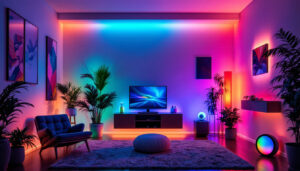
One of the most significant trends in lighting technology is the rise of smart lighting systems. These systems allow users to control their lighting through mobile apps or voice commands, offering convenience and customization. The integration of smart technology with traditional 60W bulbs presents exciting opportunities for contractors to enhance their service offerings.
Contractors can educate clients on the benefits of smart lighting, such as energy savings, improved security, and enhanced ambiance. By incorporating smart technology into lighting projects, contractors can position themselves as forward-thinking professionals who embrace innovation.
Sustainability and Eco-Friendly Options
As sustainability becomes increasingly important, contractors must consider eco-friendly lighting options. The 60W LED bulb is an excellent example of a sustainable choice, as it consumes less energy and has a longer lifespan compared to traditional bulbs. Contractors can promote these benefits to environmentally conscious clients, helping them make responsible choices for their lighting needs.
Furthermore, the trend toward sustainable building practices means that contractors may need to incorporate energy-efficient lighting solutions into their projects more frequently. Staying informed about sustainable options and educating clients can enhance project appeal and align with broader environmental goals.
Conclusion
The 60W 120V light bulb remains a vital component in the lighting contractor’s toolkit. Its versatility, compatibility, and energy efficiency make it an excellent choice for a wide range of applications, from residential to commercial projects. Understanding the implications of using this bulb type can help contractors deliver exceptional results while meeting client needs.
As the lighting industry continues to evolve, contractors must stay informed about trends, regulations, and technological advancements. By embracing energy-efficient solutions, educating clients about the benefits of different bulb types, and navigating the regulatory landscape, lighting contractors can enhance their services and contribute to successful project outcomes.
Ultimately, the choice of lighting solutions impacts not only the aesthetics and functionality of a space but also the overall satisfaction of clients. By focusing on the 60W 120V light bulb and its implications, contractors can ensure they are well-equipped to handle the challenges and opportunities presented in the ever-changing world of lighting.
Illuminate Your Projects with LumenWholesale
Ready to elevate your lighting projects with the best in class solutions? At LumenWholesale, we provide lighting contractors like you with the highest quality, spec-grade lighting products at prices that can’t be beaten. Say goodbye to local distributor markups and hello to our extensive selection that meets rigorous industry standards. With free shipping on bulk orders, you can trust that you’re getting premium lighting at the best value — no hidden fees, no compromises. Don’t miss out on the perfect combination of quality, affordability, and convenience. Wholesale Lighting at the Best Value is just a click away. Transform your lighting projects with LumenWholesale today.