6 LED Lights: Lighting Contractors’ Common Questions
As the demand for energy-efficient lighting solutions continues to rise, LED lights have become increasingly popular among lighting contractors. However, with the rapid advancements in technology, many contractors find themselves with questions about the best practices, applications, and benefits of LED lighting. This article addresses six common questions that lighting contractors often encounter regarding LED lights, providing insights that can enhance their understanding and service offerings.
1. What are the Advantages of Using LED Lights?
LED lights offer numerous advantages over traditional lighting options, making them a preferred choice for many contractors. One of the most significant benefits is energy efficiency. LEDs consume significantly less power compared to incandescent and fluorescent lights, leading to lower electricity bills for clients.
Another advantage is their longevity. LED lights have a much longer lifespan, often lasting up to 25,000 hours or more. This reduces the frequency of replacements, which can save both time and money for contractors and their clients alike.
Durability and Environmental Impact
LEDs are also more durable than traditional bulbs. They are made from solid materials, making them resistant to breakage and ideal for various applications, including outdoor and industrial settings. Additionally, LEDs do not contain harmful substances like mercury, which is found in fluorescent lights, making them a more environmentally friendly option.
Moreover, the robust construction of LED lights means they can withstand extreme temperatures and vibrations, making them suitable for use in demanding environments, such as warehouses and manufacturing facilities. This durability not only enhances safety but also contributes to a more sustainable approach to lighting, as fewer replacements mean less waste and lower environmental impact over time.
Quality of Light
In terms of light quality, LEDs provide excellent color rendering and can be designed to emit a wide range of colors. This versatility allows contractors to create customized lighting solutions that meet the specific needs of their clients, enhancing both aesthetics and functionality.
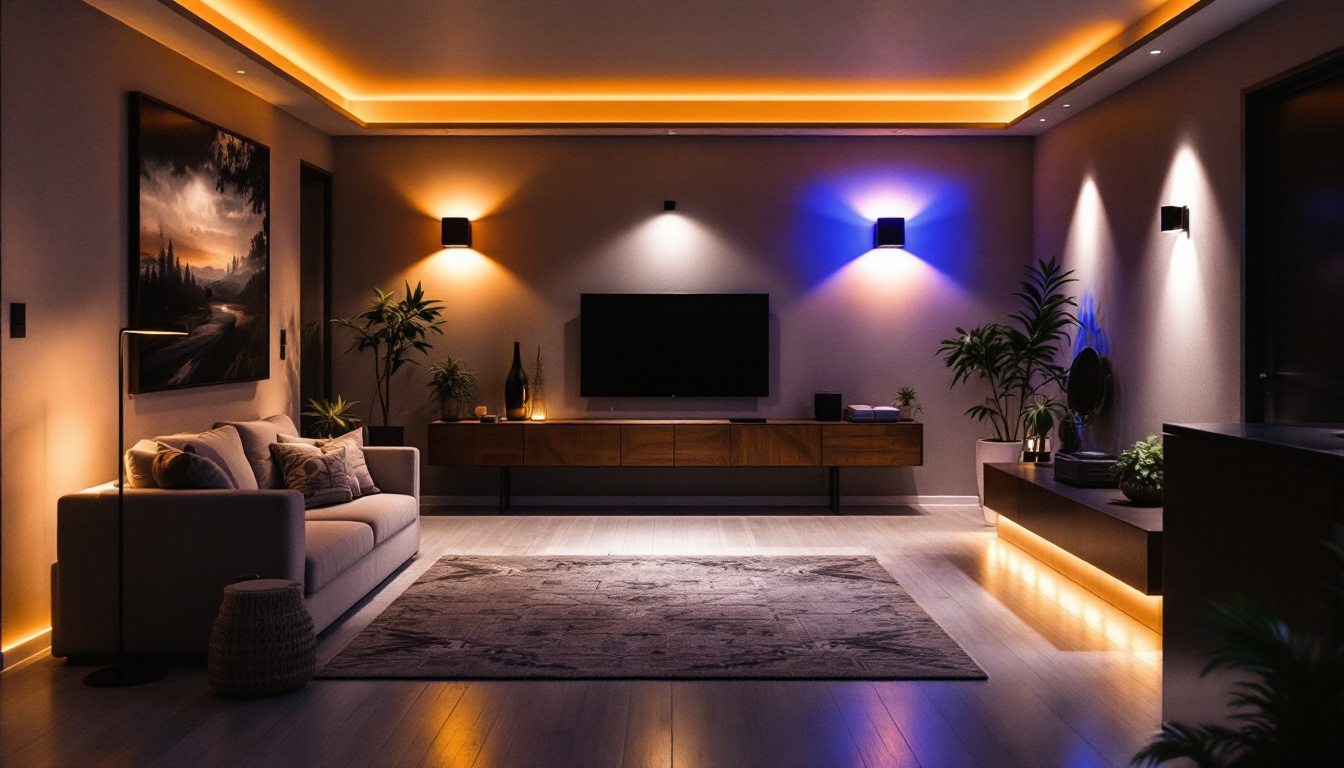
Furthermore, LED technology enables the production of lights that can be dimmed or adjusted to different color temperatures, allowing for dynamic lighting schemes that can transform a space. For instance, warm white LEDs can create a cozy atmosphere in residential settings, while cooler white lights are ideal for workspaces that require focus and concentration. This adaptability not only enhances the user experience but also allows for innovative design possibilities in both commercial and residential projects.
2. How Do LED Lights Compare to Other Lighting Technologies?
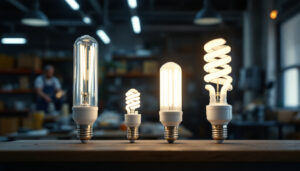
When comparing LED lights to other technologies such as incandescent, fluorescent, and halogen lights, several factors come into play. While incandescent bulbs are known for their warm light, they are highly inefficient, converting much of their energy into heat rather than light. In contrast, LEDs produce very little heat, making them safer and more efficient. This efficiency not only contributes to lower energy consumption but also extends the lifespan of the bulbs, with many LEDs lasting up to 25,000 hours or more compared to the 1,000 hours typical of incandescent bulbs.
Fluorescent lights, while more efficient than incandescent bulbs, still fall short of the performance offered by LEDs. They often require a warm-up period and can flicker, which may be undesirable in certain settings. Additionally, fluorescent lights contain mercury, which poses environmental concerns during disposal. LEDs, on the other hand, provide instant brightness and are available in various color temperatures, allowing for greater flexibility in design. This adaptability makes them suitable for a wide range of applications, from residential spaces to commercial environments, enhancing both functionality and aesthetics.
Cost Considerations
Although the initial cost of LED lights may be higher than traditional options, the long-term savings on energy bills and maintenance costs make them a more economical choice. Many contractors find that clients are willing to invest in LEDs due to the overall value they provide over time. In fact, the energy efficiency of LEDs can lead to savings of up to 80% on electricity costs, making them an attractive option for both homeowners and businesses looking to reduce their carbon footprint. Furthermore, the durability of LEDs means fewer replacements, which translates to lower labor costs for installation and maintenance.
Technological Advancements
LED technology is continuously evolving, with improvements in efficiency, brightness, and color quality. This means that lighting contractors can offer their clients the latest innovations, ensuring they receive the best possible solutions for their needs. Recent advancements have led to the development of smart LEDs that can be controlled via smartphones or home automation systems, providing users with the ability to adjust brightness and color remotely. Additionally, the integration of LED technology with renewable energy sources, such as solar power, is paving the way for sustainable lighting solutions that further reduce reliance on traditional energy grids. As these technologies progress, the potential for enhanced lighting experiences and energy savings will continue to grow, making LEDs an even more compelling choice for the future.
3. What are the Common Applications for LED Lights?
LED lights are incredibly versatile and can be used in a wide range of applications. From residential settings to commercial and industrial environments, the possibilities are virtually limitless. In residential applications, LEDs are commonly used for task lighting, accent lighting, and general illumination.
In commercial settings, LED lights are often found in retail spaces, offices, and hospitality venues. Their ability to provide bright, energy-efficient lighting makes them ideal for enhancing visibility and creating inviting atmospheres. Additionally, many businesses are now incorporating smart LED systems that allow for remote control and automation, further increasing efficiency.
Outdoor and Landscape Lighting
Outdoor lighting is another area where LEDs shine. They are perfect for illuminating pathways, gardens, and architectural features, providing safety and enhancing aesthetics. With their durability and resistance to weather conditions, LEDs are an excellent choice for landscape lighting.
Industrial Applications
In industrial settings, LED lights are used for warehouse lighting, manufacturing facilities, and even street lighting. Their long lifespan and low maintenance requirements make them particularly appealing for businesses looking to reduce operational costs.
4. How Do You Choose the Right LED Light for a Project?
Selecting the appropriate LED light for a project involves several considerations. First and foremost, understanding the specific requirements of the space is crucial. Factors such as the size of the area, the purpose of the lighting, and the desired ambiance will influence the choice of LED products.
Contractors should also consider the color temperature of the LED lights. Measured in Kelvin (K), color temperature affects the mood and functionality of a space. For example, warmer tones (around 2700K) are often preferred for residential settings, while cooler tones (5000K and above) are suitable for commercial and industrial applications.
Wattage and Lumens
Another important aspect to consider is the wattage and lumens of the LED lights. Lumens measure the brightness of the light, while wattage indicates energy consumption. Contractors should aim for a balance between sufficient brightness and energy efficiency to meet the needs of their clients.
Compatibility with Existing Systems
Lastly, compatibility with existing lighting systems is essential. Many contractors encounter situations where they need to retrofit LED lights into older fixtures. Understanding the compatibility of LED products with existing systems can help avoid potential issues and ensure a smooth installation process.
5. What are the Installation Considerations for LED Lights?
Installing LED lights may differ from traditional lighting systems, and contractors should be aware of several key considerations. First, ensuring proper wiring and connections is vital. LED lights operate at lower voltages, and using the correct wiring can prevent issues such as flickering or reduced performance.
Additionally, the placement of LED lights should be carefully planned. Factors such as the height of the fixtures, spacing between lights, and the direction of the light beam can affect the overall effectiveness of the lighting design. Contractors should take the time to assess the space and create a lighting plan that maximizes the benefits of LED technology.
Heat Management
Heat management is another critical aspect of LED installation. While LEDs generate less heat than traditional bulbs, they still require proper ventilation to maintain optimal performance. Ensuring that fixtures are designed to dissipate heat effectively can prolong the lifespan of the lights and prevent potential issues.
Compliance with Regulations
Lastly, contractors should be familiar with local building codes and regulations regarding lighting installations. Compliance with these guidelines is essential to ensure safety and avoid potential legal issues. Staying informed about any changes in regulations can help contractors provide the best service to their clients.
6. What Maintenance is Required for LED Lights?
One of the significant advantages of LED lights is their low maintenance requirements. Unlike traditional bulbs that may need frequent replacements, LEDs can last for years with minimal upkeep. However, some maintenance practices can help ensure their longevity and optimal performance.
Regular cleaning of LED fixtures is essential, especially in commercial and industrial settings where dust and grime can accumulate. Keeping the lights clean will enhance their brightness and efficiency. Additionally, contractors should periodically check for any signs of damage or wear, ensuring that all fixtures are functioning correctly.
Upgrading Systems
As technology continues to evolve, contractors should also consider upgrading older LED systems to take advantage of advancements in efficiency and performance. This may involve replacing older fixtures with newer models that offer better energy savings and improved light quality.
Client Education
Educating clients about the benefits of LED lighting and proper usage can also contribute to the longevity of the installation. Providing guidance on how to use dimmers, timers, and smart controls can enhance the overall experience and satisfaction with the lighting system.
Conclusion
LED lights have revolutionized the lighting industry, providing energy-efficient, durable, and versatile solutions for a wide range of applications. As lighting contractors navigate the complexities of LED technology, addressing common questions and concerns can significantly enhance their service offerings and client satisfaction.
By understanding the advantages of LEDs, their applications, installation considerations, and maintenance requirements, contractors can position themselves as knowledgeable experts in the field. This not only benefits their clients but also contributes to the overall growth and success of their businesses.
As the industry continues to evolve, staying informed about the latest trends and advancements in LED technology will be crucial for lighting contractors looking to thrive in a competitive market.
Illuminate Your Projects with LumenWholesale
Ready to take your lighting projects to the next level? LumenWholesale is here to support you with premium, spec-grade LED lighting solutions at unbeatable wholesale prices. Say goodbye to local distributor markups and hello to a vast selection of industry-standard products that promise reliability and high performance for every application. With the added benefits of hassle-free bulk purchasing and free shipping, you can ensure your projects shine without breaking the bank. Discover the best value in wholesale lighting and make LumenWholesale your go-to for quality, affordability, and convenience.