Understanding 5000K Lumens: What Lighting Contractors Need to Know
In the world of lighting design and installation, clarity about technical specifications is crucial. One of the most common terms encountered is “5000K lumens.” While “lumens” and “kelvin” are often mentioned together, they refer to two distinct aspects of lighting: brightness and color temperature. For lighting contractors, understanding these parameters is essential to delivering optimal lighting solutions tailored to client needs.
“Lumens” measure the total amount of visible light emitted by a source, essentially quantifying brightness. On the other hand, “Kelvin” (K) measures the color temperature of the light, indicating whether it appears warm, neutral, or cool. A 5000K light source emits a cool, daylight-like white light, often described as crisp and bluish-white. When paired with a high lumen output, such as 5000 lumens, it produces a bright, clear environment suitable for many commercial and industrial applications.
The Significance of 5000K Color Temperature
Choosing a 5000K color temperature is particularly popular in environments where visibility and alertness are priorities. This includes warehouses, manufacturing facilities, hospitals, and retail spaces. The daylight-like quality of 5000K lighting enhances contrast and color accuracy, which can reduce eye strain and improve productivity.
For lighting contractors, specifying 5000K lighting can be a strategic choice when the goal is to mimic natural daylight indoors. This is especially important in spaces lacking sufficient natural light, where maintaining circadian rhythm and occupant comfort is a concern. In addition, the use of 5000K lighting can also play a role in enhancing safety in work environments. Bright, clear lighting can help reduce accidents by improving visibility and allowing workers to see details more clearly, which is particularly vital in settings where precision is key.
Moreover, the application of 5000K lighting extends beyond just functional spaces. In retail environments, for instance, this color temperature can significantly influence customer behavior. The crisp light can make products appear more vibrant and appealing, potentially increasing sales. Additionally, understanding how to balance 5000K lighting with other color temperatures in a space can create a dynamic atmosphere that caters to various activities throughout the day, ensuring that both employees and customers feel energized and engaged.
Applications and Benefits of 5000 Lumens Lighting
Delivering 5000 lumens from a lighting fixture means providing a high level of brightness, suitable for medium to large spaces. Lighting contractors must consider the lumens output in relation to the area size, ceiling height, and the function of the space. Properly assessing these factors ensures that the lighting not only meets the aesthetic needs but also adheres to safety standards and energy efficiency guidelines.
Commercial and Industrial Use Cases
In commercial settings such as offices, retail stores, and showrooms, 5000 lumens fixtures provide ample illumination to highlight products and create an inviting atmosphere. In industrial environments like warehouses or manufacturing plants, this brightness level supports safety by improving visibility of machinery and walkways. The ability to clearly see workspaces can significantly enhance productivity, as employees are less likely to make errors due to poor visibility.
For example, a 5000-lumen LED high bay fixture is often used in warehouses with ceilings 20 feet or higher. The intense light output ensures that aisles and storage racks are well-lit, reducing accidents and facilitating efficient inventory management. Furthermore, the use of energy-efficient LED technology in these fixtures not only provides the necessary brightness but also reduces electricity costs over time, making it a financially sound investment for businesses.
Outdoor and Security Lighting
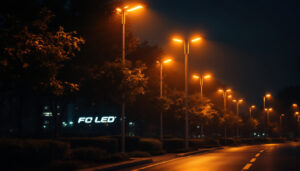
5000 lumens is also a common specification for outdoor floodlights and security lighting. These fixtures illuminate large areas such as parking lots, building perimeters, and sports fields. The 5000K color temperature helps create a bright, clear environment that deters intruders and enhances safety. This level of illumination is particularly beneficial in high-traffic areas where visibility is crucial for both pedestrians and vehicles, ensuring that all movements are easily monitored and accidents are minimized.
Lighting contractors should recommend fixtures with appropriate ingress protection (IP) ratings and durability to withstand outdoor conditions while delivering consistent 5000 lumens output. Additionally, incorporating smart lighting technology, such as motion sensors or timers, can further enhance the functionality of these outdoor fixtures. This not only maximizes energy efficiency by ensuring lights are only on when needed but also provides an added layer of security, as lights can be programmed to respond to movement, creating a dynamic and responsive lighting environment.
Choosing the Right Fixtures and Technologies
When specifying 5000K, 5000-lumen lighting, contractors must consider the type of fixtures and technologies that best meet project requirements. LED technology dominates the market due to its energy efficiency, longevity, and consistent light quality.
LED vs. Traditional Lighting Solutions
Compared to incandescent or fluorescent bulbs, LEDs offer superior lumen output per watt, meaning they produce more light while consuming less energy. A 5000-lumen LED fixture typically uses significantly less power than its traditional counterparts, resulting in lower operational costs and reduced environmental impact.
Additionally, LEDs maintain their color temperature and brightness over time better than fluorescent lamps, which tend to shift color and dim. This reliability is vital for commercial and industrial clients who require consistent lighting performance.
Fixture Design and Beam Angles
The design of the fixture and its beam angle influence how the 5000 lumens are distributed. Narrow beam angles concentrate light in a smaller area, increasing intensity, while wide beam angles spread light over a broader space. Lighting contractors should analyze the layout and purpose of the space to select fixtures that optimize light distribution and minimize shadows or glare.
For example, in a retail setting, adjustable track lighting with 5000K LEDs and focused beams can accentuate merchandise, while in a warehouse, wide floodlights ensure even illumination across aisles.
Installation and Maintenance Considerations
Proper installation is critical to maximize the benefits of 5000K, 5000-lumen lighting systems. Lighting contractors must follow best practices to ensure safety, performance, and client satisfaction.
Mounting Height and Spacing
The height at which fixtures are mounted directly affects the perceived brightness and coverage. Higher mounting requires fixtures with higher lumen output to compensate for light loss over distance. Spacing between fixtures should be calculated to avoid dark spots and maintain uniform illumination.
Using lighting design software or photometric analysis can help contractors plan installations that meet or exceed client expectations while adhering to industry standards.
Energy Efficiency and Controls
Integrating lighting controls such as dimmers, occupancy sensors, and daylight harvesting systems can enhance energy savings and extend fixture lifespan. For spaces using 5000K lighting, dimming capabilities allow adjustment of brightness to suit different activities or times of day, improving occupant comfort and reducing energy consumption.
Lighting contractors should advise clients on the benefits of smart lighting systems that can be programmed and monitored remotely, providing long-term value and adaptability.
Maintenance and Longevity
LED fixtures with 5000 lumens output generally have long service lives, often exceeding 50,000 hours. However, regular maintenance is still necessary to ensure optimal performance. Contractors should recommend cleaning schedules to remove dust and debris, which can reduce light output, and periodic inspections to identify any electrical or mechanical issues.
Providing clients with maintenance plans and documentation enhances trust and helps maintain lighting quality over time.
Addressing Common Challenges with 5000K, 5000 Lumens Lighting
While 5000K, 5000-lumen lighting offers many advantages, contractors may encounter challenges that require careful management.
Glare and Visual Comfort
High brightness combined with cool color temperatures can sometimes cause glare, leading to discomfort or reduced productivity. This is particularly relevant in office environments where workers spend extended periods under artificial lighting.
To mitigate glare, contractors can specify fixtures with diffusers, lenses, or indirect lighting designs. Positioning fixtures to minimize direct line-of-sight exposure and using adjustable fixtures also help improve visual comfort.
Color Rendering and Accuracy
While 5000K lighting is excellent for clarity, contractors should also consider the Color Rendering Index (CRI) of the fixtures. A high CRI (above 80) ensures colors appear natural and vibrant, which is critical in retail, healthcare, and design applications.
Low CRI lighting can distort colors, negatively impacting tasks that require color discrimination. Lighting contractors must verify CRI ratings when selecting 5000K fixtures to meet client expectations.
Compatibility with Existing Systems
In retrofit projects, integrating 5000K, 5000-lumen LED fixtures with existing electrical infrastructure can pose challenges. Compatibility with dimmers, sensors, and control systems must be confirmed to avoid flickering or operational issues.
Contractors should conduct thorough assessments and consult manufacturers’ specifications to ensure seamless integration and optimal performance.
Final Recommendations for Lighting Contractors
Successfully implementing 5000K, 5000-lumen lighting solutions requires a comprehensive understanding of technical specifications, application environments, and client needs.
- Assess the space carefully: Consider the size, ceiling height, and function to determine the appropriate lumen output and fixture type.
- Prioritize LED technology: Choose high-quality LED fixtures with consistent color temperature, high CRI, and energy efficiency.
- Plan for lighting controls: Incorporate dimming and sensor technologies to enhance energy savings and occupant comfort.
- Address glare and distribution: Select fixture designs and beam angles that minimize discomfort and provide uniform illumination.
- Ensure compatibility: Verify that new fixtures work with existing electrical and control systems, especially in retrofit projects.
- Educate clients: Provide guidance on maintenance, energy savings, and the benefits of 5000K lighting to build trust and satisfaction.
By following these guidelines, lighting contractors can deliver effective, efficient, and visually appealing lighting solutions that leverage the advantages of 5000K color temperature and 5000 lumens brightness. This expertise not only enhances project outcomes but also strengthens professional reputation in a competitive marketplace.
Illuminate Your Projects with LumenWholesale
Ready to elevate your lighting projects with the perfect blend of 5000K color temperature and 5000 lumens brightness? Look no further than LumenWholesale for all your lighting needs. Our extensive selection of top-quality, spec-grade lighting products comes at unbeatable wholesale prices, ensuring you get the best value for your investment. Say goodbye to inflated markups and hello to reliable, high-performance lighting that meets the highest industry standards. Plus, with free shipping on bulk orders, you can stock up on premium lighting without any hidden fees. Make your next project shine with LumenWholesale, where quality, affordability, and convenience come together seamlessly. Discover our range and take advantage of the best value in wholesale lighting by visiting Wholesale Lighting at the Best Value.