Introduction to 4-Inch LED Recessed Lighting
In the realm of modern lighting solutions, 4-inch LED recessed lighting fixtures have become a staple for contractors aiming to deliver efficient, aesthetically pleasing, and versatile lighting installations. These compact fixtures offer a balance between size and performance, making them ideal for a variety of residential and commercial applications. Their sleek design allows them to blend seamlessly into ceilings, providing a clean, unobtrusive look that enhances the overall decor of any space. Additionally, the energy efficiency of LED technology means that these lights not only reduce electricity costs but also contribute to a more sustainable environment.
For lighting contractors, understanding the nuances of 4-inch LED recessed lights is essential to recommend the best products, ensure proper installation, and meet client expectations. This guide delves into the technical aspects, installation considerations, and best practices to help contractors excel in their projects. Beyond the basics, it is also crucial to consider the various types of LED recessed fixtures available, including adjustable and gimbal options, which allow for directional lighting. This flexibility can be particularly beneficial in spaces where highlighting artwork or architectural features is desired, providing both functionality and style.
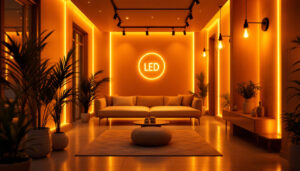
Moreover, the advancements in LED technology have led to a wide array of color temperatures and brightness levels, enabling contractors to tailor their lighting solutions to the specific needs and preferences of their clients. From warm white tones that create a cozy atmosphere in living rooms to cooler shades that enhance productivity in office environments, the choice of lighting can significantly impact the mood and functionality of a space. Understanding these options allows contractors to offer personalized recommendations that align with the aesthetic goals and practical requirements of each project.
Why Choose 4-Inch LED Recessed Lighting?
Optimal Size for Versatility
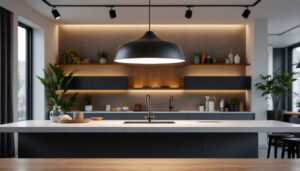
4-inch recessed lights occupy a sweet spot in the lighting market. They are smaller than the traditional 6-inch fixtures but larger than the ultra-compact 3-inch options. This size offers a subtle presence in ceilings while providing ample light output for various spaces such as kitchens, hallways, bathrooms, and offices.
The compact size enables contractors to install multiple fixtures in tighter ceiling spaces or areas with limited clearance, which is a common challenge in retrofit projects or rooms with low ceilings. Additionally, their discreet design allows them to blend seamlessly with modern decor, making them ideal for both residential and commercial applications. In open-concept spaces, 4-inch recessed lights can be strategically placed to create a cohesive lighting plan that enhances the overall aesthetic without overwhelming the design.
Energy Efficiency and Longevity
LED technology inherently offers significant energy savings compared to incandescent or halogen bulbs. A typical 4-inch LED recessed light consumes between 8 to 12 watts, delivering light output equivalent to a 50-watt incandescent bulb. This translates into substantial energy cost reductions over the fixture’s lifespan.
Moreover, LEDs boast lifespans often exceeding 25,000 hours, minimizing maintenance and replacement costs—an important selling point for both contractors and end-users. This longevity not only reduces the frequency of bulb changes but also contributes to a lower environmental impact, as fewer materials are consumed over time. As energy efficiency becomes a priority for many homeowners and businesses, the choice of 4-inch LED recessed lighting aligns perfectly with sustainable building practices and energy conservation goals.
Improved Light Quality and Control
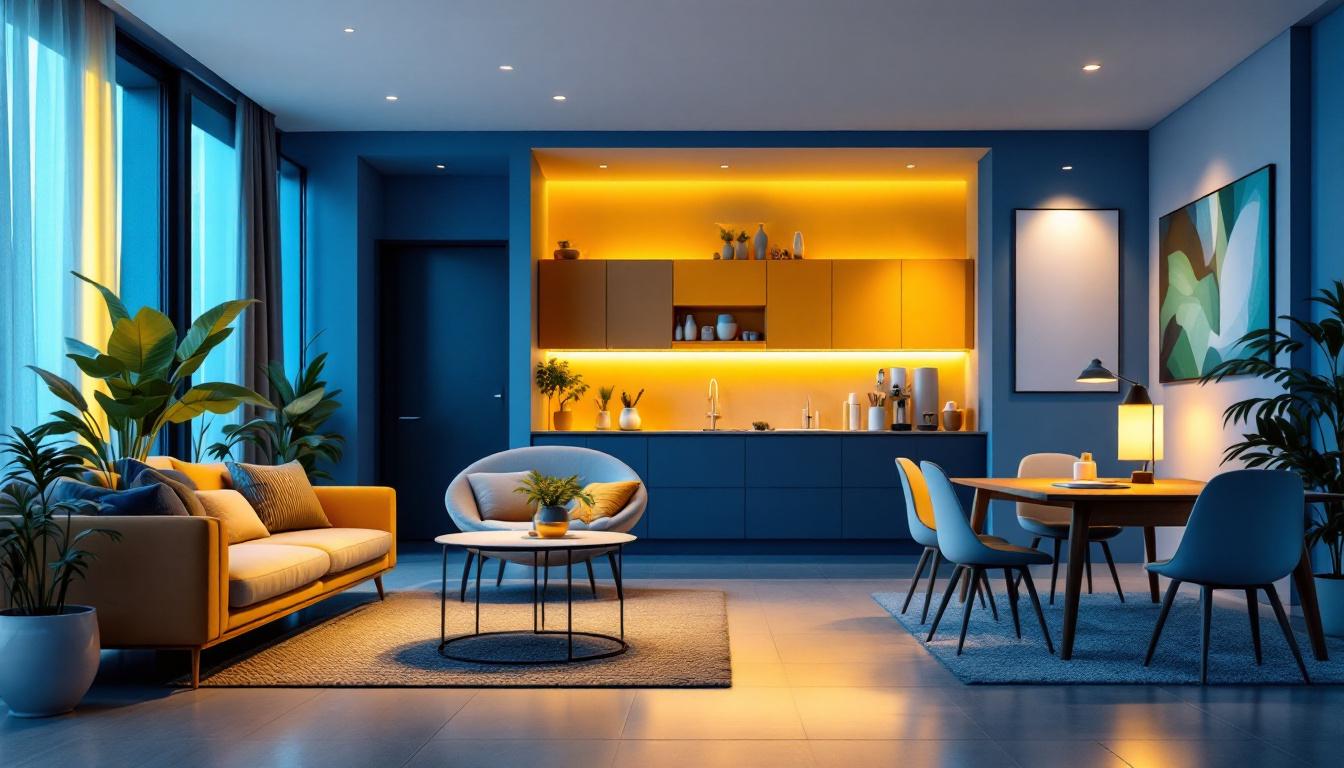
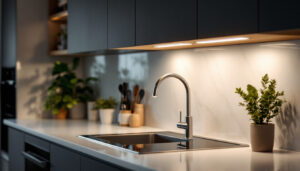
Advancements in LED technology have enhanced color rendering indexes (CRI) and offered a range of color temperatures, from warm white to daylight. This flexibility allows contractors to tailor lighting schemes to the specific ambiance and functional needs of a space. For instance, warmer tones can create a cozy atmosphere in living areas, while cooler tones are ideal for task-oriented environments like kitchens and workspaces.
Many 4-inch LED recessed lights also support dimming capabilities, enabling dynamic lighting control that can enhance comfort and energy savings. This feature is particularly beneficial in multi-functional spaces where the lighting needs may change throughout the day. By integrating smart lighting controls, users can adjust brightness levels according to their activities, whether it’s hosting a dinner party, enjoying a movie night, or simply reading a book. The ability to customize lighting not only improves usability but also contributes to a more personalized and enjoyable living experience.
Technical Specifications and Features to Consider
Lumen Output and Wattage
When selecting 4-inch LED recessed fixtures, contractors must evaluate the lumen output to ensure adequate illumination. Typically, these fixtures provide between 600 and 900 lumens, suitable for general lighting purposes.
Wattage should be balanced with lumen output to optimize energy efficiency. A fixture delivering high lumens at low wattage is preferable, as it reduces operating costs without compromising brightness.
Beam Angle and Light Distribution
The beam angle determines how the light is dispersed. Narrow beam angles (around 30 degrees) focus light on specific areas, ideal for accent lighting, while wider angles (up to 120 degrees) provide broad, even illumination.
Contractors should consider the room’s layout and purpose to select the appropriate beam angle, ensuring the lighting design meets the client’s functional and aesthetic goals.
Color Temperature and CRI
Color temperature, measured in Kelvins (K), influences the mood and appearance of a space. Warm white (2700K–3000K) creates a cozy atmosphere, while cool white (3500K–4100K) and daylight (5000K–6500K) are better suited for task-oriented environments.
CRI, which ranges from 0 to 100, indicates how accurately colors appear under the light source. A CRI of 80 or above is generally recommended for most applications to ensure natural color rendering.
Housing and Trim Options
The fixture’s housing is critical for heat dissipation and compatibility with ceiling types. IC-rated housings are designed for direct contact with insulation, preventing fire hazards, while non-IC housings require clearance.
Trim styles affect the fixture’s aesthetic and light output. Options include baffle trims to reduce glare, reflector trims for enhanced brightness, and adjustable trims for directional lighting. Contractors should select trims based on both functional and design requirements.
Installation Best Practices for Lighting Contractors
Pre-Installation Planning
Successful installation begins with thorough planning. Contractors should assess the ceiling structure, insulation, and available space to determine the appropriate housing type and fixture placement.
It’s also essential to verify electrical supply compatibility, including voltage and wiring methods, to ensure safety and code compliance.
Cutout and Mounting Techniques
Precision in cutting ceiling holes is vital to avoid gaps or damage. Using templates provided by manufacturers helps achieve accurate cutouts that fit the 4-inch fixtures perfectly.
Many modern 4-inch LED recessed lights come with adjustable mounting brackets or clips, facilitating secure attachment to ceiling joists or drywall. Contractors should follow manufacturer instructions closely to maintain fixture stability and performance.
Wiring and Electrical Connections
Proper wiring is crucial for safety and fixture longevity. Contractors should use junction boxes or integrated quick-connect systems when available to streamline wiring and reduce installation time.
Ensuring that dimmers and controls are compatible with LED fixtures prevents flickering and extends component life. Consulting fixture specifications before installation is recommended.
Thermal Management and Insulation Considerations
LEDs generate less heat than traditional bulbs but still require adequate thermal management to maintain performance. IC-rated housings allow direct contact with insulation, which is common in residential ceilings.
For non-IC housings, maintaining clearance from insulation is necessary to prevent overheating. Contractors should verify insulation types and placement during installation.
Common Challenges and Solutions
Dealing with Low Ceiling Clearance
Low ceiling spaces often limit fixture options. The slim profile of many 4-inch LED recessed lights makes them suitable for such environments, but contractors must confirm fixture depth and housing dimensions before purchase.
Shallow or remodel housings designed for retrofit installations can be particularly useful in tight spaces.
Ensuring Uniform Lighting
Achieving even illumination across a room requires strategic fixture spacing and beam angle selection. Contractors should calculate spacing based on lumen output and room dimensions to avoid dark spots or glare.
Using a lighting design software or consulting photometric data can aid in planning effective layouts.
Addressing Compatibility with Existing Controls
Retrofitting LED recessed lights into spaces with existing dimmers or smart controls can pose compatibility issues. Contractors should verify that the LED fixtures are compatible with the client’s control systems or recommend upgrades to compatible dimmers.
Testing fixtures with controls before full installation can prevent costly callbacks.
Trends and Innovations in 4-Inch LED Recessed Lighting
Smart Lighting Integration
Integration with smart home systems and IoT devices is becoming increasingly common. Some 4-inch LED recessed fixtures now offer wireless control, color tuning, and scheduling features accessible via smartphones or voice assistants.
Contractors can add value by offering these advanced options, enhancing client satisfaction and project appeal.
Enhanced Energy Certifications
Many LED recessed lights carry certifications such as ENERGY STAR and DesignLights Consortium (DLC), which assure energy efficiency and quality. Selecting certified products helps contractors meet green building standards and appeal to environmentally conscious clients.
Improved Aesthetic Customization
Manufacturers are expanding trim color options, finishes, and shapes to better match interior design trends. This allows contractors to provide tailored lighting solutions that complement architectural styles and client preferences.
Conclusion: Maximizing Success with 4-Inch LED Recessed Lighting
For lighting contractors, mastering the selection, installation, and troubleshooting of 4-inch LED recessed lighting is crucial to delivering high-quality, energy-efficient lighting solutions. These fixtures offer a versatile and modern option that meets diverse project needs while supporting sustainability goals.
By staying informed about technical specifications, installation best practices, and emerging trends, contractors can enhance their expertise, improve client satisfaction, and maintain a competitive edge in the evolving lighting industry.
Get Your Premium 4-Inch LED Recessed Lighting at LumenWholesale
Ready to elevate your lighting projects with the best 4-inch LED recessed lighting on the market? Look no further than LumenWholesale, where we provide contractors with the highest quality, spec-grade lighting products at unbeatable wholesale prices. Say goodbye to local distributor markups and hello to superior lighting solutions that meet the highest industry standards. With LumenWholesale, bulk buying is a breeze, and with free shipping, you can rest assured that you’re getting the best value without any hidden fees. Don’t compromise on quality or cost—choose LumenWholesale for the perfect blend of quality, affordability, and convenience. Wholesale Lighting at the Best Value is just a click away!