Understanding the 48 LED Strip: Why It Matters
For lighting contractors, the 48 LED strip represents a versatile and powerful tool in the smart lighting arsenal. Unlike standard LED strips, the 48 LED strip offers a higher density of diodes per meter, which translates into brighter, more uniform illumination. This density is crucial when clients demand seamless lighting effects without visible gaps or hotspots. The result is a more polished and professional appearance that can significantly enhance the aesthetic of any space.
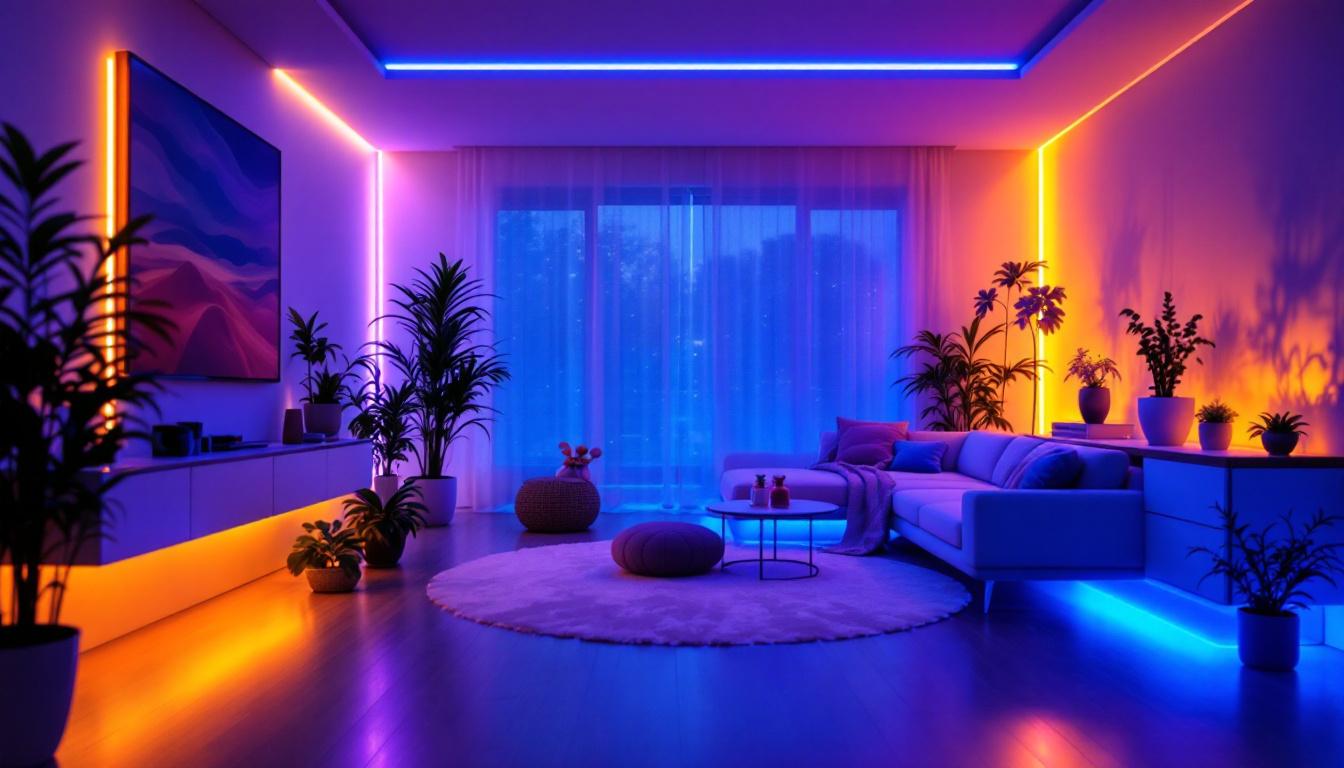
Brightness and color accuracy are paramount in many projects, especially in retail, hospitality, and architectural lighting. The 48 LED strip’s ability to deliver consistent light output makes it an ideal choice for accent lighting, backlighting, and cove lighting. It also supports advanced smart controls, which allow for dynamic color changes and scene setting, elevating the client’s experience. With the integration of smart technology, contractors can offer clients the ability to customize their lighting environments easily, adapting to different moods or events with just a few taps on a smartphone app.
Technical Specifications and Their Implications
The typical 48 LED strip runs at 12V or 24V DC, with each LED consuming approximately 0.2 watts. This means that a one-meter strip can consume around 9.6 watts, depending on the specific LED type and manufacturer. Contractors must consider power supply sizing carefully to avoid voltage drop, which can cause dimming or color shifts at the strip’s end. Properly sizing the power supply not only ensures optimal performance but also extends the lifespan of the LEDs, making it a crucial aspect of installation.
Additionally, the choice between RGB, RGBW, or tunable white versions impacts installation and control complexity. RGB strips offer vibrant color options but require controllers capable of managing multiple channels. RGBW strips add a dedicated white LED for better white light quality, while tunable white strips allow for adjusting color temperature, which is increasingly popular in residential and commercial environments. This flexibility means that contractors can tailor their lighting solutions to meet specific client needs, whether it’s for creating a warm, inviting atmosphere in a restaurant or a bright, energizing environment in a retail store.
Moreover, the installation process for the 48 LED strip can be streamlined with the right accessories. Mounting tracks, connectors, and diffusers can enhance the overall effect and ensure a clean, professional finish. These components not only aid in the physical installation but also help in managing heat dissipation, which is vital for maintaining the integrity of the LEDs over time. As energy efficiency becomes increasingly important in modern design, the 48 LED strip stands out as a sustainable choice that meets both aesthetic and functional requirements, making it a go-to option for forward-thinking contractors.
Installation Best Practices for Smart Contractors
Installing a 48 LED strip isn’t just about sticking it to a surface and connecting power. Smart lighting contractors approach installation with precision and foresight, ensuring longevity, performance, and client satisfaction.
Surface Preparation and Mounting Techniques
Proper surface preparation is essential. Surfaces must be clean, dry, and smooth to maximize adhesion. Many 48 LED strips come with adhesive backing, but for long-term installations, mechanical fastening or mounting channels can provide extra security. Aluminum channels, in particular, serve a dual purpose: they protect the strip and act as heat sinks, extending LED lifespan.
Heat management is often overlooked but critical. LEDs generate heat, and excessive temperatures can reduce brightness and shorten service life. Using aluminum profiles with diffusers not only enhances light diffusion but also dissipates heat effectively, maintaining optimal operating conditions. Furthermore, incorporating thermal paste or pads between the LED strip and the mounting surface can further improve heat transfer, ensuring that the LEDs operate within their ideal temperature range. This proactive approach can prevent premature failure and maintain consistent lighting quality over time.
Wiring and Power Considerations
Voltage drop is a common challenge when dealing with longer runs of high-density LED strips. Contractors should calculate the maximum run length based on the strip’s voltage and current requirements, then plan power injection points accordingly. Running 24V strips can reduce voltage drop issues compared to 12V options, allowing longer continuous runs. Additionally, using thicker gauge wire for longer runs can help mitigate voltage drop, providing a more stable power supply to the LEDs.
Using high-quality connectors and ensuring secure solder joints or crimp connections reduces the risk of failure. Additionally, integrating smart controllers requires careful planning of wiring paths and accessibility for troubleshooting and future upgrades. It’s also advisable to label all wires and connections clearly, which not only aids in future maintenance but also helps other contractors or technicians understand the system layout quickly. This attention to detail can significantly enhance the overall efficiency of the installation process, ensuring that clients receive a seamless and user-friendly lighting experience.
Smart Control Integration: Enhancing Functionality
Smart lighting is about more than just LEDs; it’s about control. The 48 LED strip’s potential is unlocked through intelligent controllers and integration with home or building automation systems.
Choosing the Right Controller
Controllers vary from simple remote-controlled units to sophisticated systems compatible with Wi-Fi, Zigbee, or Bluetooth protocols. Contractors must assess the client’s needs and existing infrastructure. For commercial projects, integration with centralized building management systems (BMS) can allow scheduling, energy monitoring, and scene control from a single platform.
For residential or smaller commercial projects, smartphone apps and voice control through platforms like Alexa or Google Assistant offer convenience and modern appeal. Selecting controllers that support firmware updates ensures the system can evolve with new features and security improvements. Additionally, some advanced controllers come equipped with sensors that can adjust lighting based on ambient light levels or occupancy, enhancing energy efficiency and user comfort. This adaptability not only reduces energy costs but also prolongs the lifespan of the LED strips by preventing them from operating at full brightness when unnecessary.
Programming and Scene Setting
One of the advantages of the 48 LED strip is the ability to create dynamic lighting scenes. Contractors should work closely with clients to understand their lifestyle or business needs, programming scenes that enhance ambiance, productivity, or brand identity.
For example, in a restaurant, warm white scenes can create a cozy atmosphere during dinner service, while brighter, cooler scenes can be used during cleaning or preparation hours. Retail environments benefit from color-changing scenes that highlight promotions or seasonal themes. Moreover, the versatility of the LED strips allows for the incorporation of seasonal or event-specific lighting, such as festive colors for holidays or themed color palettes for special events, ensuring that the space remains engaging and relevant throughout the year. This level of customization not only enhances the aesthetic appeal but can also significantly influence customer behavior and satisfaction, making it a powerful tool in both residential and commercial settings.
Maintenance and Troubleshooting Strategies
Smart lighting systems require ongoing attention to maintain performance. Contractors who provide maintenance plans and troubleshooting support build trust and ensure long-term client satisfaction. The integration of smart technology into lighting solutions has revolutionized the way we interact with our environments, but it also necessitates a proactive approach to upkeep. By establishing a clear communication channel with clients regarding maintenance schedules and potential issues, contractors can foster a collaborative relationship that enhances the overall user experience.
Common Issues and Solutions
Flickering or dimming LEDs often point to power supply problems or voltage drop. Contractors should verify power supply capacity and check for loose connections. If color shifts occur, it might indicate aging LEDs or controller malfunctions. It’s also essential to educate clients on the importance of using compatible components, as mismatched drivers and fixtures can lead to performance inconsistencies. Additionally, implementing a monitoring system that alerts users to potential issues before they escalate can save time and resources, ensuring that the lighting remains both functional and aesthetically pleasing.
Environmental factors such as moisture ingress can cause failures. Using IP-rated strips and proper sealing techniques prevents damage in damp or outdoor installations. Furthermore, contractors should advise clients on the best practices for seasonal adjustments, such as ensuring that outdoor fixtures are adequately prepared for winter conditions. This may include checking for ice buildup and ensuring that all connections are secure to prevent short circuits during freezing temperatures.
Preventive Maintenance Practices
Regular inspections can catch issues before they become critical. Contractors should recommend periodic cleaning of aluminum channels and diffusers to prevent dust buildup, which can reduce light output. Firmware updates for smart controllers should be part of routine service visits to ensure security and functionality. Moreover, implementing a schedule for battery replacements in wireless systems can prevent unexpected outages, as many smart lighting solutions rely on battery power for their connectivity and functionality. Keeping a detailed log of maintenance activities and client interactions also helps in identifying recurring issues and tailoring solutions to specific needs.
In addition to these practices, educating clients about the importance of energy efficiency can enhance their satisfaction with smart lighting systems. By providing insights into how to optimize settings for energy savings, such as utilizing motion sensors and timers, contractors can help clients reduce their utility bills while maintaining desired lighting levels. This not only reinforces the value of the smart lighting system but also promotes a more sustainable approach to energy consumption in their homes or businesses.
Maximizing Client Value with 48 LED Strip Solutions
Ultimately, the goal is to deliver lighting solutions that meet or exceed client expectations while optimizing installation efficiency and system longevity.
Cost-Benefit Analysis
While 48 LED strips may have a higher upfront cost compared to lower-density options, their improved light quality and reduced installation complexity often translate into savings. Fewer strips and power supplies are needed for the same brightness level, and better heat management reduces replacement frequency.
Smart controls add value by enabling energy savings through scheduling and dimming, which clients appreciate in their utility bills.
Staying Ahead with Innovation
Lighting contractors who stay informed about advances in LED technology, control protocols, and installation techniques position themselves as trusted advisors. Offering clients the latest in smart lighting technology, including the 48 LED strip, can differentiate a contractor in a competitive market.
Training and certification in smart lighting systems also enhance credibility and open doors to larger, more complex projects.
Conclusion: The Smart Contractor’s Edge
The 48 LED strip is more than just a lighting component; it’s a gateway to sophisticated, high-quality smart lighting installations. Contractors who understand its technical nuances, apply best installation practices, and leverage smart controls will deliver superior results. This approach not only satisfies clients but also builds a reputation for excellence in the smart lighting industry.
Illuminate Your Projects with LumenWholesale
Ready to elevate your lighting installations with the cutting-edge 48 LED strip? Look no further than LumenWholesale, where we provide contractors with the highest quality, spec-grade lighting products at unbeatable wholesale prices. Say goodbye to inflated markups and hello to superior lighting solutions that meet the highest industry standards. With LumenWholesale, bulk buying is a breeze, thanks to our hassle-free process and free shipping. Don’t compromise on quality or value—choose LumenWholesale for the perfect blend of quality, affordability, and convenience. Wholesale Lighting at the Best Value is just a click away. Transform your smart lighting installations today!