Understanding the Power and Efficiency of 400W LED Flood Lights
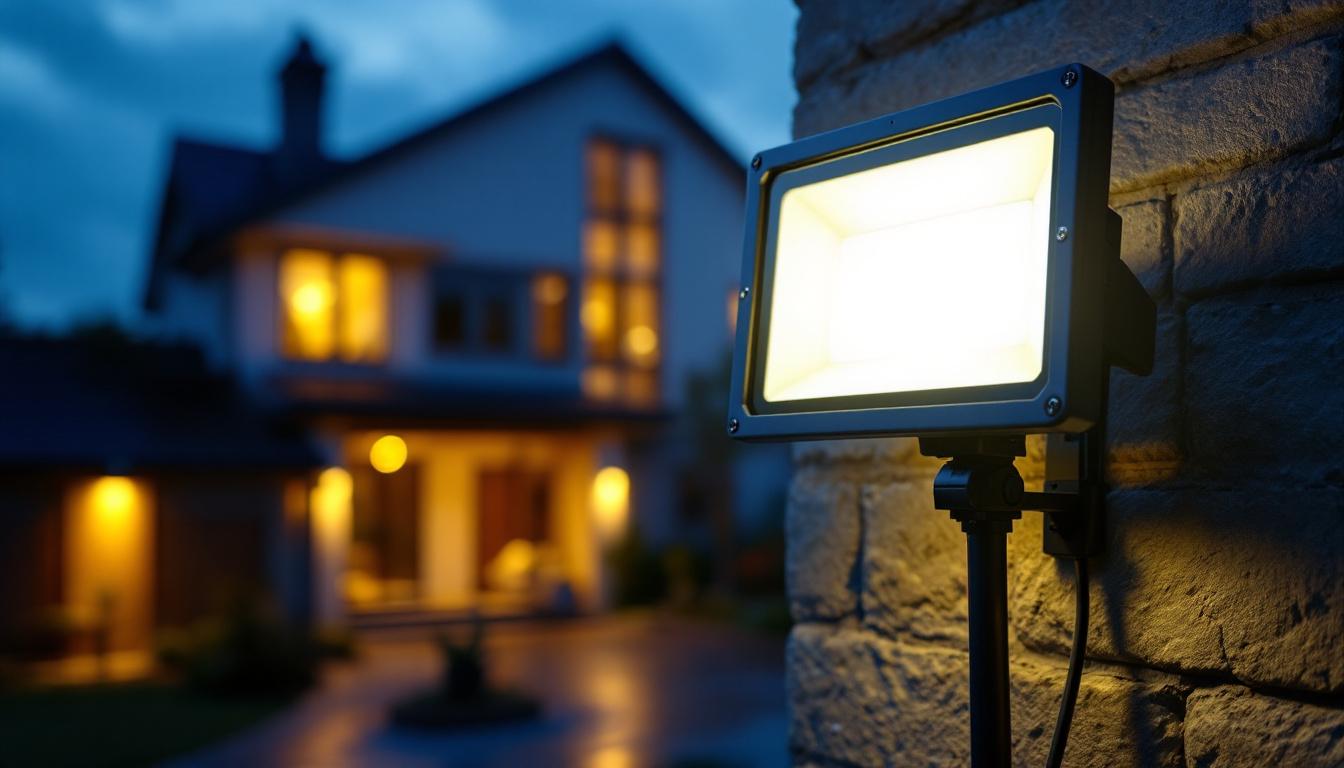
When specifying lighting for large outdoor areas, 400W LED flood lights stand out as a powerful choice. These fixtures deliver intense illumination, often replacing traditional metal halide or high-pressure sodium lamps without compromising brightness. Lighting contractors appreciate their efficiency—400W LED flood lights can produce upwards of 40,000 lumens, depending on the model and manufacturer, which is ideal for stadiums, parking lots, and industrial sites.
Energy savings are a key selling point. A 400W LED flood light typically consumes about 50-60% less energy than a comparable metal halide fixture. This translates to significant operational cost reductions over time, especially in installations where lights run for extended hours. Additionally, LEDs have a longer lifespan, often rated for 50,000 hours or more, reducing maintenance frequency and downtime.
Brightness and efficiency, however, are just part of the story. Contractors must also consider the quality of light. Color rendering index (CRI) values above 70 are common in quality LED flood lights, providing better color accuracy and visibility. This is crucial for safety and security applications where clear visibility can prevent accidents or deter criminal activity.
Moreover, the design of 400W LED flood lights often incorporates advanced thermal management systems, which help dissipate heat effectively. This is essential because excessive heat can shorten the lifespan of LED components and affect performance. Many models feature durable, weather-resistant housings that ensure reliable operation in various environmental conditions, from heavy rain to extreme temperatures. This robustness makes them suitable for a wide range of applications, including sports fields, construction sites, and outdoor events.
In addition to their practical advantages, 400W LED flood lights are increasingly being recognized for their environmental benefits. By reducing energy consumption and minimizing greenhouse gas emissions, these lights contribute to a more sustainable future. Many municipalities and organizations are now opting for LED technology as part of their green initiatives, further promoting energy-efficient practices. As technology continues to evolve, we can expect even more innovative features, such as smart controls and integration with renewable energy sources, enhancing the functionality and appeal of LED flood lights even further.
Installation Considerations: Positioning and Mounting
Proper installation maximizes the performance of a 400W LED flood light. Positioning is critical. Mounting height and angle directly influence the coverage area and uniformity of illumination. For example, mounting at 20 to 30 feet high typically balances wide coverage with sufficient light intensity on the ground. This height is particularly effective in large outdoor spaces such as sports fields, parking lots, or commercial building exteriors, where a broad spread of light is necessary to ensure safety and visibility.
Contractors should carefully plan the beam angle selection. Narrow beam angles (15° to 30°) concentrate light, ideal for spotlighting or accent lighting, while wider angles (60° to 120°) spread illumination over larger areas. Many 400W LED flood lights come with adjustable brackets or interchangeable lenses, allowing flexibility on-site. This adaptability is especially beneficial for projects that may require different lighting configurations over time, such as seasonal events or changing business needs. Additionally, understanding the specific lighting requirements of the area, such as the presence of obstacles or varying surface textures, can further refine the choice of beam angle.
Weatherproofing and durability are also essential. Look for fixtures with at least an IP65 rating to ensure resistance to dust and water ingress. Outdoor environments can be harsh, and a robust enclosure protects the fixture from corrosion and physical damage. Materials like die-cast aluminum housings with powder coatings extend longevity. Furthermore, consider the impact of temperature fluctuations on the fixture’s performance. Some LED flood lights are designed to operate efficiently in extreme temperatures, which is crucial for areas that experience significant seasonal changes. Ensuring that the lights are rated for the local climate can prevent premature failure and maintain optimal performance throughout their lifespan.
Electrical and Safety Tips for Contractors
Working with high-powered LED flood lights requires attention to electrical details. Although LEDs operate at lower voltages than traditional lamps, the drivers and power supplies must be compatible with the existing electrical infrastructure. Ensuring proper voltage and current ratings prevents premature failure. Additionally, it is crucial to consider the thermal management of these fixtures. High-powered LEDs can generate significant heat, and if not properly dissipated, this can lead to reduced lifespan and performance. Utilizing heat sinks or ensuring adequate airflow around the fixtures can mitigate these risks and enhance the longevity of the lighting system.
Grounding and surge protection are non-negotiable. Outdoor lighting is vulnerable to lightning strikes and electrical surges, so installing surge protectors and grounding the fixtures correctly safeguards both the equipment and the building’s electrical system. This also reduces liability for contractors. Furthermore, it is advisable to conduct regular inspections of grounding systems and surge protection devices to ensure they remain effective over time. A proactive approach can help identify potential issues before they escalate, ensuring continued safety and reliability in the electrical setup.
Wiring should comply with local codes and standards. Using appropriately rated cables and connectors, along with weatherproof junction boxes, prevents moisture ingress and electrical hazards. Contractors should also verify that circuit breakers and fuses are correctly sized for the load to avoid nuisance trips or overheating. In addition to these precautions, implementing a color-coding system for wires can significantly enhance safety and efficiency during installation and maintenance. This practice not only aids in quick identification of circuits but also minimizes the risk of incorrect connections, which can lead to dangerous situations. Moreover, providing clear labeling on all electrical components can further assist in troubleshooting and future upgrades, ensuring that all personnel are aware of the system’s layout and specifications.
Optimizing Lighting Design for Performance and Cost
Effective lighting design goes beyond simply installing powerful fixtures. Contractors should collaborate with clients to understand the specific needs of each project. For instance, a sports field requires uniform, glare-free lighting, while a warehouse yard might prioritize bright, focused illumination for security cameras.
Using lighting controls such as dimmers, timers, and motion sensors can significantly enhance energy efficiency. A 400W LED flood light paired with a smart control system can reduce energy consumption during off-peak hours without sacrificing safety. This approach also extends the life of the fixture by reducing operating hours.
Another consideration is light pollution. Proper shielding and aiming prevent unwanted light spill into neighboring properties or the night sky. Many municipalities have regulations limiting light trespass, so contractors must design installations that comply with these rules while achieving client goals.
Maintenance and Troubleshooting Tips
Although 400W LED flood lights require less maintenance than traditional lighting, regular inspections are still necessary. Dirt, dust, and insect buildup on lenses can reduce light output by up to 30%. Cleaning schedules should be established, especially in dusty or industrial environments.
Contractors should also check for signs of driver failure or flickering, which may indicate electrical issues. Unlike incandescent bulbs, LEDs do not burn out suddenly but degrade over time. Monitoring light levels and color temperature can help identify when replacements or repairs are needed.
Keeping detailed records of installation dates, maintenance activities, and any repairs helps contractors provide better service and warranty support. It also aids in planning future upgrades or replacements.
Choosing the Right 400W LED Flood Light: Features to Look For
Not all 400W LED flood lights are created equal. When selecting fixtures, contractors should evaluate several key features:
- Thermal Management: Efficient heat sinks and cooling systems prevent overheating, which can degrade LEDs and drivers.
- Optical Quality: High-quality lenses and reflectors ensure consistent light distribution and reduce glare.
- Certifications: Look for UL, DLC, or ETL listings to ensure safety and performance standards are met.
- Warranty: A strong warranty (typically 5 years or more) indicates manufacturer confidence and provides peace of mind.
- Compatibility: Ensure the fixture supports dimming or smart controls if these are part of the project specifications.
By carefully considering these factors, contractors can recommend products that meet client expectations and stand up to demanding environments.
Case Study: Upgrading a Commercial Parking Lot
A recent project involved upgrading an aging commercial parking lot’s lighting system. The previous metal halide fixtures consumed 1000W each and required frequent bulb replacements. The contractor specified 400W LED flood lights with a 90° beam angle, mounted at 25 feet.
The result was a 60% reduction in energy consumption and a noticeable improvement in illumination uniformity. The LEDs’ instant-on capability eliminated warm-up times, enhancing safety during nighttime hours. Maintenance intervals extended from months to years, saving labor costs.
Client feedback highlighted improved customer satisfaction due to brighter, more consistent lighting and a reduction in complaints about dark spots or flickering lights. This example underscores the tangible benefits of upgrading to 400W LED flood lighting.
Final Thoughts on Specifying 400W LED Flood Lights
For lighting contractors, 400W LED flood lights offer a compelling combination of power, efficiency, and durability. Success depends on understanding the application requirements, selecting quality products, and executing precise installations. Attention to electrical safety, lighting design, and maintenance ensures long-term performance and client satisfaction.
Staying informed about the latest LED technologies and industry best practices empowers contractors to provide solutions that are both cost-effective and environmentally responsible. Whether illuminating a sports arena, industrial complex, or large outdoor venue, 400W LED flood lights remain a top choice for professional lighting projects.
Illuminate Your Projects with LumenWholesale
Ready to elevate your lighting projects with the power and efficiency of 400W LED flood lights? At LumenWholesale, we provide lighting contractors with the highest quality, spec-grade lighting products at unbeatable wholesale prices. Say goodbye to inflated markups and hello to superior lighting solutions that meet the highest industry standards. With our hassle-free bulk buying and free shipping, you can trust that you’re getting premium lighting at the best value — without any hidden fees. Don’t compromise on quality or cost. Experience the perfect blend of quality, affordability, and convenience at LumenWholesale — your go-to source for Wholesale Lighting at the Best Value.