In the realm of lighting design, the choice of color temperature can significantly influence both the aesthetic and functional aspects of a space. Among the various options available, 3500K and 4000K are two popular choices that often come up in discussions among lighting contractors. Understanding the nuances between these two color temperatures is essential for making informed decisions that meet the needs of clients while enhancing the overall ambiance of a space.
Understanding Color Temperature
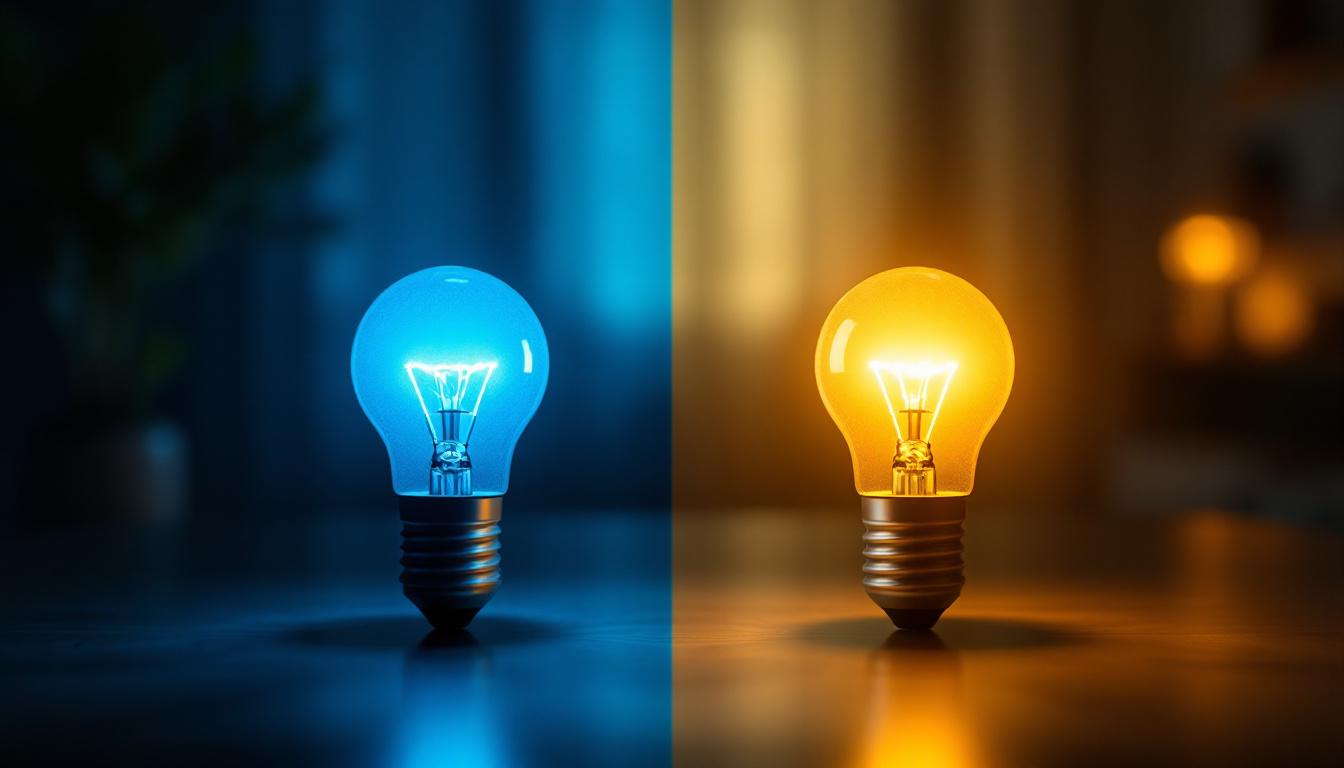
Color temperature, measured in Kelvin (K), refers to the hue of a specific type of light source. It plays a crucial role in how colors are perceived and can affect mood, productivity, and even the functionality of a space. Generally, lower Kelvin values produce warmer, yellowish light, while higher values yield cooler, bluish light.
The Kelvin Scale Explained
The Kelvin scale ranges from about 1000K to over 10000K, with each value representing a different shade of light. For instance, candlelight is around 1000K, while daylight can reach up to 6500K. In the context of indoor lighting, 3500K and 4000K are often used in commercial and residential settings, providing a balance between warmth and brightness. Beyond these common values, specialized lighting options exist, such as 5000K, which closely mimics natural daylight and is often used in photography and art studios to ensure accurate color representation.
Perception and Mood
The color temperature of lighting can significantly influence the mood of a space. Warmer temperatures, like 3500K, tend to create a cozy and inviting atmosphere, making them ideal for residential settings, hospitality venues, and areas where relaxation is key. On the other hand, 4000K lighting offers a more neutral tone, which can enhance focus and productivity, making it suitable for offices, retail spaces, and task-oriented environments. Furthermore, studies have shown that exposure to cooler light, particularly in the morning, can help regulate circadian rhythms, promoting alertness and improving overall well-being throughout the day. This is particularly relevant in environments where employees need to maintain high levels of concentration and energy.
Applications of Color Temperature
Understanding color temperature is not just an academic exercise; it has practical implications in various fields, including interior design, photography, and even healthcare. In interior design, the choice of lighting can transform a room’s aesthetic and functionality. For example, a restaurant may opt for warmer lighting to create an intimate dining experience, while a modern office might choose cooler temperatures to foster a dynamic and efficient work environment. In photography, the color temperature of light can dramatically alter the mood of an image, with photographers often adjusting their settings to match the light source for the best results. In healthcare settings, appropriate lighting can aid in patient recovery by creating a calming atmosphere or ensuring that medical professionals can perform tasks with precision.
Comparing 3500K and 4000K Lighting
When it comes to choosing between 3500K and 4000K lighting, several factors should be considered. Each color temperature has its unique characteristics and applications, which can impact the overall effectiveness of a lighting design.
Visual Characteristics
At 3500K, the light emitted is soft and warm, providing a gentle glow that can enhance the richness of colors in a space. This temperature is often preferred for areas where a more intimate ambiance is desired, such as dining rooms or living areas. The warm tones can make spaces feel more inviting and comfortable, encouraging social interaction and relaxation. In contrast, 4000K lighting is brighter and more vibrant, making it effective for spaces that require clarity and attention to detail, such as kitchens and workspaces. This cooler light can help reduce eye strain during tasks that involve close inspection, such as reading or crafting, making it a popular choice for home offices and studios.
Applications in Different Settings
Choosing the right color temperature often depends on the specific application. For example, in a retail environment, 4000K lighting can help products appear more appealing and true to color, thereby enhancing sales potential. The crispness of 4000K light can highlight the details of merchandise, making it easier for customers to appreciate the quality and craftsmanship of items on display. Conversely, in a spa or wellness center, 3500K lighting can create a soothing atmosphere that promotes relaxation and comfort. This warmer light can soften the harshness of clinical environments, making treatments feel more luxurious and less intimidating. Additionally, in hospitality settings, such as hotels and restaurants, the choice between these two temperatures can greatly influence guest experience, with 3500K fostering a cozy environment while 4000K can energize spaces like lobbies or conference rooms.
Energy Efficiency and Longevity
In addition to aesthetic considerations, energy efficiency and longevity are vital factors for lighting contractors to consider when selecting between 3500K and 4000K lighting solutions. Both options can be found in various types of fixtures, including LED, fluorescent, and incandescent, each with its own efficiency ratings. The choice between these color temperatures can significantly impact not only the look and feel of a space but also its overall energy consumption and environmental footprint.
LED Technology
LED lighting has gained immense popularity due to its energy efficiency and long lifespan. Both 3500K and 4000K LED options are available, providing contractors with versatile solutions that can significantly reduce energy consumption while offering excellent lighting quality. In addition, LED fixtures often come with dimmable options, allowing for greater control over the ambiance in a space. The ability to adjust brightness levels not only enhances the user experience but also contributes to energy savings, as lower light levels can be used during times when full brightness is unnecessary. Furthermore, LEDs emit less heat compared to traditional lighting, which can lead to reduced cooling costs in warmer climates.
Cost Considerations
While the initial cost of LED fixtures may be higher than traditional lighting options, the long-term savings in energy bills and maintenance make them a worthwhile investment. Lighting contractors should educate clients on the benefits of choosing energy-efficient solutions, emphasizing the cost-effectiveness of 3500K and 4000K LEDs over time. Additionally, many regions offer rebates and incentives for upgrading to energy-efficient lighting, which can help offset the upfront costs. It’s also important to consider the longevity of LED bulbs, which can last up to 25,000 hours or more, significantly reducing the frequency of replacements and associated labor costs. This longevity not only translates to financial savings but also contributes to less waste in landfills, aligning with sustainable practices that many clients are increasingly prioritizing.
Client Preferences and Trends
Understanding client preferences is essential for lighting contractors looking to provide tailored solutions. Trends in lighting design often fluctuate, influenced by factors such as lifestyle changes, technological advancements, and design aesthetics.
Current Trends in Lighting Design
Recently, there has been a shift towards warmer color temperatures in residential spaces, as homeowners seek to create cozy and inviting environments. However, in commercial settings, the trend is leaning towards cooler temperatures, with 4000K lighting becoming increasingly popular for its clean and modern appearance. Staying updated on these trends can help contractors make informed recommendations that align with client expectations.
Personalization and Customization
Clients are increasingly looking for personalized lighting solutions that reflect their individual tastes and needs. Offering a range of options, including both 3500K and 4000K lighting, allows contractors to cater to diverse preferences. Providing samples or mock-ups can also help clients visualize the impact of different color temperatures in their spaces.
Technical Considerations for Contractors
Lighting contractors must also consider various technical aspects when selecting between 3500K and 4000K lighting. Factors such as fixture compatibility, installation requirements, and overall system design can influence the final decision.
Fixture Compatibility
Not all fixtures are created equal, and compatibility with specific color temperatures can vary. It is crucial for contractors to ensure that the chosen fixtures can accommodate the desired lighting solution without compromising performance. This includes considering factors like lumen output, beam angle, and color rendering index (CRI).
Installation and Maintenance
Installation practices can also differ based on the type of lighting chosen. For instance, 4000K lighting may require more precise placement to achieve the desired effect, particularly in task-oriented spaces. Additionally, maintenance considerations, such as bulb replacement and fixture cleaning, should be factored into the overall design and installation process.
Case Studies: Successful Implementations
Examining real-world applications of 3500K and 4000K lighting can provide valuable insights for contractors. Various projects highlight the effectiveness of each color temperature in achieving specific design goals and enhancing user experience.
Residential Project: Cozy Living Spaces
In a recent residential project, a lighting contractor chose 3500K fixtures for the living and dining areas. The warm glow created an inviting atmosphere, perfect for family gatherings and entertaining guests. By incorporating dimmable options, the contractor allowed the homeowners to adjust the brightness according to the time of day and occasion, further enhancing the versatility of the space.
Commercial Project: Product Display and Engagement
In a retail setting, a contractor implemented 4000K lighting to illuminate product displays effectively. The cooler tone enhanced the colors and details of the merchandise, attracting customers and encouraging engagement. The contractor also utilized track lighting to highlight specific areas, demonstrating how strategic placement can maximize the impact of color temperature in a commercial environment.
Conclusion: Making Informed Choices
In conclusion, the choice between 3500K and 4000K lighting is not merely a matter of preference; it involves understanding the implications of color temperature on mood, functionality, and overall design. Lighting contractors play a crucial role in guiding clients toward informed decisions that align with their needs and expectations.
By considering factors such as energy efficiency, client preferences, technical requirements, and real-world applications, contractors can provide tailored lighting solutions that enhance the beauty and functionality of any space. Ultimately, mastering the nuances of color temperature will empower lighting professionals to deliver exceptional results that resonate with clients and elevate their projects.
Illuminate Your Projects with LumenWholesale
Ready to elevate your lighting projects with the perfect 3500K or 4000K solutions? Look no further than LumenWholesale, where we provide contractors with the highest quality, spec-grade lighting products at unbeatable wholesale prices. Say goodbye to unnecessary markups and hello to a vast selection of reliable, high-performance lighting that meets the most rigorous industry standards. Plus, with free shipping on bulk orders, you can stock up on premium lighting without any hidden fees or compromises. Discover the ideal combination of quality, affordability, and convenience at LumenWholesale – Wholesale Lighting at the Best Value.