Understanding 120 Volt Motion Sensors: Basics and Benefits
Motion sensors operating at 120 volts are a staple in residential and commercial lighting systems. These devices detect movement and automatically switch lighting on or off, reducing unnecessary energy consumption. For lighting contractors, mastering the nuances of these sensors can lead to smarter installations that save clients money and improve user experience.
At their core, 120 volt motion sensors connect directly to the building’s standard electrical wiring, making them compatible with most lighting fixtures without requiring additional transformers or adapters. This compatibility simplifies installation and reduces upfront costs. But beyond convenience, the real value lies in how these sensors can be optimized for efficiency, reliability, and longevity.
Why Choose 120 Volt Motion Sensors?
Many contractors prefer 120 volt motion sensors because they integrate seamlessly with existing electrical systems. Unlike low-voltage sensors, these devices handle the full line voltage, allowing them to control standard lighting loads without complex wiring. This makes them ideal for retrofit projects where upgrading wiring is impractical.
Additionally, 120 volt sensors often feature adjustable settings for sensitivity, time delay, and ambient light thresholds. These options provide fine control over how and when lights activate, ensuring that energy is not wasted on unnecessary illumination. For example, a sensor in a hallway can be set to activate only when movement is detected and deactivate after a short delay, preventing lights from staying on when the space is unoccupied.
Moreover, the versatility of 120 volt motion sensors extends beyond simple on/off functionality. Many models are equipped with advanced features such as dual technology, which combines passive infrared (PIR) and microwave sensing. This dual approach enhances detection accuracy, minimizing false triggers caused by pets or environmental factors. Furthermore, some sensors can be integrated with smart home systems, allowing users to control lighting remotely or set schedules that align with their daily routines. This level of customization not only enhances convenience but also contributes to a more energy-efficient home or workplace.
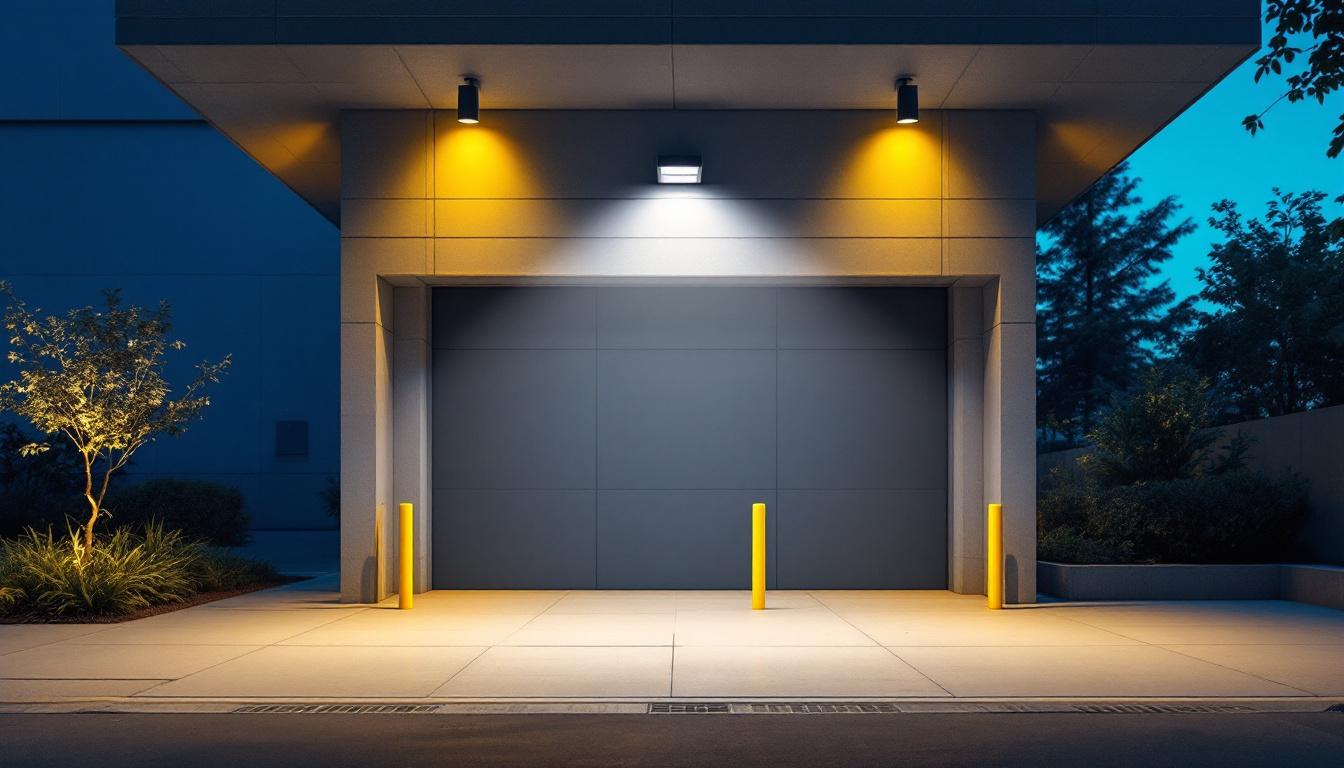
In addition to their practical benefits, 120 volt motion sensors can significantly enhance security. By illuminating areas automatically when movement is detected, they deter potential intruders and provide peace of mind for homeowners and business operators alike. Strategically placing these sensors around entry points, driveways, or parking lots can create a well-lit environment that discourages unauthorized access. The ability to adjust the sensitivity settings also means that users can tailor the detection range to suit their specific needs, ensuring that lights activate only when truly necessary, thus balancing safety and energy efficiency.
Key Installation Considerations for Maximum Efficiency
Proper installation is crucial to unlocking the full potential of 120 volt motion sensors. Even the most advanced sensor will underperform if placed incorrectly or wired improperly. Lighting contractors should pay attention to several factors to ensure optimal operation.
Sensor Placement and Field of View
Positioning the sensor strategically is the first step. The sensor’s field of view (FOV) must cover the intended area without blind spots. For instance, mounting a sensor too high or behind obstacles can limit its ability to detect motion accurately. In corridors or stairwells, placing sensors at a height between 6 and 8 feet typically offers the best coverage.
Consider the direction of typical movement patterns. Sensors that detect lateral movement-across their field of view-tend to be more sensitive than those detecting movement directly toward or away. Aligning the sensor perpendicular to the expected traffic flow enhances responsiveness.
Adjusting Sensitivity and Time Delay Settings
Most 120 volt motion sensors allow contractors to adjust sensitivity to avoid false triggers. High sensitivity might detect small pets or distant movement, causing lights to turn on unnecessarily. Conversely, low sensitivity could miss legitimate activity, leaving areas dark when occupied.
Time delay settings determine how long the light remains on after motion ceases. Setting this delay too long wastes energy, while too short a delay can frustrate users by turning off lights prematurely. A balanced approach involves tailoring the delay to the space’s typical use-shorter delays in high-traffic areas, longer delays in places where people remain stationary for extended periods.
Integrating Ambient Light Sensors
Many 120 volt motion sensors include an ambient light sensor or photocell, which prevents lights from turning on during daylight hours. This feature enhances efficiency by ensuring lighting activates only when necessary. For example, in a garage or exterior walkway, the sensor will ignore motion if natural light is sufficient, reducing electricity usage.
Contractors should calibrate the ambient light threshold carefully. Setting it too low may cause lights to activate prematurely during dusk, while setting it too high could leave spaces inadequately lit. Testing the sensor under various lighting conditions before finalizing installation is a best practice.
Advanced Techniques to Enhance Sensor Performance
Beyond basic setup, several advanced strategies can push 120 volt motion sensors to their full efficiency potential. These techniques often involve combining sensors with other controls or leveraging technology features.
Using Multi-Sensor Configurations
Large or irregularly shaped spaces may require multiple sensors to ensure comprehensive coverage. Networking several 120 volt motion sensors can prevent dead zones and improve detection accuracy. When sensors communicate, they can coordinate lighting control, turning lights on or off based on collective input rather than isolated triggers.
This approach is especially useful in commercial settings like warehouses or office buildings, where consistent lighting is critical for safety and productivity. Lighting contractors should ensure that sensors used in multi-sensor setups are compatible and properly synchronized.
Incorporating Smart Controls and Automation
Integrating 120 volt motion sensors with smart lighting controls can amplify efficiency. Modern systems allow remote monitoring and adjustment of sensor settings via apps or building management systems. This capability enables contractors and facility managers to fine-tune operation based on real-time usage patterns.
For example, sensors can be programmed to dim lights instead of switching them off completely, maintaining safety while reducing energy consumption. Additionally, data collected from sensors can inform maintenance schedules and identify areas where lighting usage is inefficient.
Ensuring Proper Load Compatibility
120 volt motion sensors must be matched to the lighting load they control. Using a sensor rated for lower wattage with high-power fixtures can cause premature failure or erratic operation. Conversely, over-specifying the sensor can increase costs unnecessarily.
Lighting contractors should verify the sensor’s load capacity against the total wattage of connected fixtures, including inrush currents from LED drivers or fluorescent ballasts. Consulting manufacturer specifications and performing load calculations during design prevents issues down the line.
Common Challenges and Troubleshooting Tips
Even with careful planning, motion sensor installations can encounter problems. Understanding common pitfalls helps contractors diagnose and resolve issues quickly, maintaining client satisfaction and system efficiency.
False Triggers and Unwanted Activation
False triggers often stem from environmental factors such as heat sources, pets, or reflective surfaces. Infrared sensors, which detect body heat, may mistake sunlight reflections or HVAC vents for motion. To minimize this, sensors should be positioned away from windows, heating vents, or areas frequented by animals.
Adjusting sensitivity settings and using sensors with adjustable detection zones can further reduce false activations. In some cases, switching to ultrasonic or dual-technology sensors that combine infrared and ultrasonic detection improves accuracy.
Lights Not Turning Off or On
When lights remain on continuously or fail to activate, wiring errors are often the culprit. Double-checking connections, ensuring the sensor is wired to the correct load, and verifying power supply integrity are essential steps. Additionally, some sensors have a manual override or test mode that can interfere with normal operation if left enabled.
Another cause could be incompatible lighting loads, especially with certain LED fixtures that require sensors designed for electronic drivers. Testing the sensor with a known compatible fixture can isolate the issue.
Sensor Range and Coverage Issues
Insufficient sensor range can leave areas unlit, creating safety hazards and user frustration. If the sensor’s detection zone does not cover the entire desired area, repositioning or adding additional sensors may be necessary. Using sensors with adjustable detection patterns or wider fields of view can also help.
Environmental factors like temperature extremes or physical obstructions can degrade sensor performance. Regular maintenance, including cleaning sensor lenses and checking for damage, ensures reliable operation.
Maximizing Energy Savings and Client Satisfaction
Optimizing 120 volt motion sensors is not just about technical precision; it’s about delivering tangible benefits to clients. Energy savings translate directly into reduced utility bills, while well-functioning sensors improve comfort and convenience.
Quantifying Energy Savings
Studies show that motion sensor lighting can reduce energy consumption by 30% to 70%, depending on application and settings. For clients, this means rapid return on investment and lower environmental impact. Contractors who can demonstrate these savings gain a competitive edge and build trust.
Providing clients with post-installation reports or monitoring data reinforces the value of the system and encourages proper use. It also opens opportunities for future upgrades or maintenance contracts.
Enhancing User Experience
Clients appreciate lighting that responds intuitively to their presence without delays or false activations. Smooth sensor operation enhances safety in stairwells, parking lots, and corridors, while eliminating the hassle of manual switches.
Contractors can improve user experience by educating clients on sensor settings and proper use. Simple instructions on adjusting sensitivity or time delay empower users to tailor lighting to their preferences, increasing satisfaction.
Future-Proofing Installations
As lighting technology evolves, installing 120 volt motion sensors with upgrade paths in mind is wise. Choosing sensors compatible with smart home or building automation systems ensures clients can adopt new features without costly rewiring.
Encouraging clients to consider LED fixtures alongside motion sensors maximizes efficiency gains. LEDs paired with sensors consume significantly less power and offer longer lifespans, reducing maintenance costs.
Conclusion
Optimizing 120 volt motion sensors for lighting efficiency requires a blend of technical knowledge, thoughtful installation, and ongoing management. Lighting contractors who master sensor placement, settings adjustment, and integration with advanced controls deliver systems that save energy, enhance safety, and satisfy clients.
Attention to detail-from load compatibility to troubleshooting-ensures reliable sensor performance. By embracing these best practices, contractors position themselves as trusted experts capable of delivering smart, sustainable lighting solutions that stand the test of time.
Get Your Premium 120 Volt Motion Sensors at LumenWholesale
Ready to elevate your lighting projects with the most efficient 120 volt motion sensors on the market? Look no further than LumenWholesale, where we provide contractors with the highest quality, spec-grade lighting products at unbeatable wholesale prices. Say goodbye to inflated markups and hello to superior performance and reliability for all your lighting needs. Plus, with free shipping on bulk orders, you can stock up on the best lighting solutions without worrying about hidden fees. Don’t compromise on quality or value—visit LumenWholesale today and discover the perfect blend of affordability and convenience for your next project.