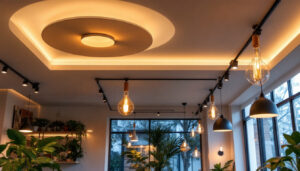
Introduction to Metal Halide Lighting
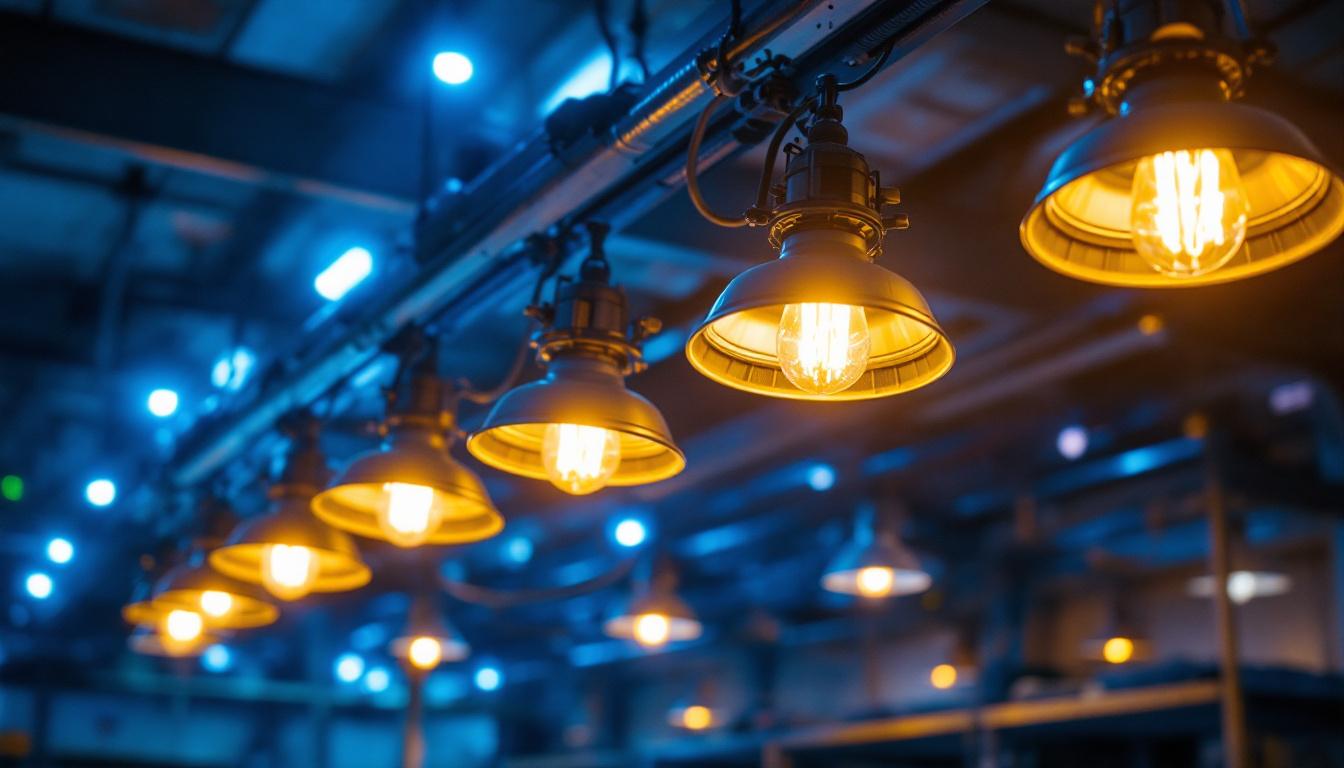
In the world of lighting installations, metal halide lights have gained significant traction due to their efficiency and versatility. Among these, 1000 watt metal halide lights stand out for their ability to provide powerful illumination, making them a preferred choice for various applications. Understanding the importance of these lights is crucial for lighting contractors who aim to deliver optimal solutions for their clients.
Metal halide lights are a type of high-intensity discharge (HID) lamp that produces light through an electric arc passing through vaporized mercury and metal halides. This technology not only ensures bright light output but also offers excellent color rendering, making it suitable for environments where visibility is paramount.
One of the key advantages of 1000 watt metal halide lights is their ability to produce a high lumen output, often exceeding 100,000 lumens. This makes them ideal for large spaces such as warehouses, sports arenas, and outdoor stadiums, where uniform and bright lighting is essential for safety and performance. Additionally, these lights have a longer lifespan compared to traditional incandescent bulbs, typically lasting around 15,000 to 20,000 hours, which translates to reduced maintenance costs and less frequent replacements.
Moreover, the color temperature of metal halide lights typically ranges from 3000K to 4000K, providing a cool, white light that enhances visibility and reduces eye strain. This feature is particularly beneficial in environments such as retail spaces and manufacturing facilities, where accurate color representation is critical for both aesthetics and quality control. As energy efficiency becomes increasingly important, many municipalities and businesses are turning to metal halide lighting as a sustainable solution that meets both their illumination needs and environmental goals.
Applications of 1000 Watt Metal Halide Lights
Industrial Settings
One of the primary applications of 1000 watt metal halide lights is in industrial settings. Factories, warehouses, and manufacturing plants often require robust lighting solutions to ensure safety and productivity. The high lumen output of these lights allows for well-lit workspaces, reducing the risk of accidents and enhancing worker efficiency.
Moreover, the durability of metal halide lights makes them ideal for environments that may experience harsh conditions. Their ability to withstand vibrations and temperature fluctuations ensures that they remain operational even in challenging circumstances.
Sports Facilities
Sports facilities, including stadiums and arenas, benefit greatly from the powerful illumination provided by 1000 watt metal halide lights. These lights can illuminate large areas uniformly, ensuring that athletes and spectators alike can enjoy clear visibility during events. The high color rendering index (CRI) of metal halide lights enhances the appearance of the playing field, making the experience more enjoyable for everyone involved.
Additionally, the ability to produce bright, white light helps in broadcasting events, as it minimizes shadows and enhances the overall visual quality of the footage. This is particularly important for televised sports, where lighting can significantly impact viewer experience.
Commercial Spaces
In commercial spaces, 1000 watt metal halide lights are often used for parking lots, shopping centers, and outdoor venues. The extensive reach of these lights ensures that large areas are adequately illuminated, providing safety and security for patrons. Well-lit commercial spaces not only enhance customer experience but also deter criminal activity, making them a wise investment for business owners.
Furthermore, the energy efficiency of metal halide lights means that businesses can reduce their energy costs while maintaining high-quality lighting. This dual benefit makes them a popular choice among commercial lighting contractors.
Benefits of 1000 Watt Metal Halide Lights
Energy Efficiency
Energy efficiency is a significant advantage of using 1000 watt metal halide lights. Compared to traditional incandescent bulbs, metal halide lights consume less power while providing a higher lumen output. This efficiency translates to lower electricity bills, making them an attractive option for both residential and commercial applications.
Moreover, the long lifespan of metal halide bulbs—often exceeding 15,000 hours—means that replacements are infrequent, further reducing maintenance costs. This longevity is particularly beneficial in installations where access to lighting fixtures is challenging or costly.
High Lumen Output
The high lumen output of 1000 watt metal halide lights is one of their most notable features. With the ability to produce upwards of 100,000 lumens, these lights are capable of illuminating vast areas effectively. This makes them ideal for large-scale applications where consistent brightness is essential.
In addition, the quality of light produced by metal halide fixtures is often superior to that of other lighting technologies. The crisp, white light enhances visibility and reduces eye strain, making it a preferred choice for environments requiring prolonged exposure to artificial lighting.
Color Rendering
The color rendering capability of metal halide lights is another critical aspect that lighting contractors should consider. With a CRI typically ranging from 80 to 90, these lights render colors more accurately than many other lighting options. This quality is particularly important in settings where color differentiation is crucial, such as in art galleries or retail environments.
By providing a more accurate representation of colors, metal halide lights help to create a more inviting atmosphere, enhancing the overall aesthetic appeal of a space. This can be particularly beneficial in retail settings, where the right lighting can influence purchasing decisions.
Installation Considerations
Fixture Types
When it comes to installing 1000 watt metal halide lights, various fixture types are available to suit different applications. High bay fixtures are commonly used in industrial settings, where the lights need to be mounted at significant heights to provide adequate coverage. On the other hand, floodlights are often employed in outdoor spaces, delivering broad illumination across large areas.
Choosing the right fixture type is essential for maximizing the performance of metal halide lights. Factors such as mounting height, beam angle, and intended use should all be considered during the selection process to ensure optimal lighting outcomes.
Ballast Selection
The ballast is a critical component of metal halide lighting systems, as it regulates the electrical current supplied to the lamp. Selecting the appropriate ballast is essential for ensuring the longevity and efficiency of the lighting installation. Electronic ballasts are often preferred for their energy efficiency and ability to provide consistent light output.
Additionally, contractors should consider the compatibility of the ballast with the specific metal halide lamp being used. Mismatched components can lead to reduced performance and a shorter lifespan for the lighting system.
Wiring and Electrical Considerations
Proper wiring and electrical considerations are vital for the successful installation of 1000 watt metal halide lights. Given their high wattage, ensuring that the electrical infrastructure can handle the load is essential. This may involve upgrading existing wiring or circuit breakers to accommodate the increased demand.
Furthermore, contractors should adhere to local electrical codes and regulations when installing metal halide lights. This ensures not only compliance but also the safety of the installation, reducing the risk of electrical hazards.
Maintenance and Longevity
Regular Inspections
To maximize the lifespan and performance of 1000 watt metal halide lights, regular inspections are necessary. Over time, dust and debris can accumulate on the fixtures, reducing light output and efficiency. Routine cleaning and maintenance can help mitigate these issues, ensuring that the lights continue to perform at their best.
Additionally, monitoring the condition of the bulbs and ballasts is crucial. Signs of wear or failure should be addressed promptly to avoid unexpected outages and maintain consistent lighting levels.
Replacement Strategies
Developing a replacement strategy is also an important aspect of maintaining metal halide lighting systems. Given their long lifespan, it may not be necessary to replace bulbs frequently. However, having a plan in place for timely replacements can prevent disruptions in lighting and ensure that spaces remain well-lit.
Contractors should keep track of the operating hours of each fixture and schedule replacements accordingly. This proactive approach can help avoid the pitfalls of unexpected failures and maintain the integrity of the lighting installation.
Future of Metal Halide Lighting
Transition to LED
While 1000 watt metal halide lights have been a staple in the lighting industry, the shift towards LED technology is becoming increasingly prevalent. LED lights offer even greater energy efficiency, longer lifespans, and lower maintenance costs. However, for specific applications where high-intensity lighting is required, metal halide lights still hold their ground.
The transition to LED does not mean the end for metal halide lights; rather, it highlights the importance of understanding the unique benefits and applications of each technology. Lighting contractors must stay informed about advancements in both metal halide and LED technologies to provide the best solutions for their clients.
Hybrid Systems
Another emerging trend is the development of hybrid lighting systems that combine metal halide and LED technologies. This approach allows for the strengths of both systems to be utilized, providing flexibility and adaptability in various lighting scenarios. For instance, a hybrid system may use metal halide lights for high-intensity applications while incorporating LED fixtures for general illumination.
Such systems can optimize energy use and enhance overall lighting quality, making them an attractive option for contractors looking to offer cutting-edge solutions to their clients.
Conclusion
In summary, 1000 watt metal halide lights play a critical role in lighting installations across various sectors, from industrial settings to sports facilities and commercial spaces. Their energy efficiency, high lumen output, and superior color rendering make them an invaluable choice for lighting contractors aiming to deliver exceptional results.
Understanding the applications, benefits, installation considerations, and maintenance strategies associated with these lights is essential for ensuring successful lighting projects. As the industry evolves, staying informed about advancements in lighting technology will empower contractors to provide the best solutions for their clients, whether through traditional metal halide systems or innovative hybrid approaches.
Illuminate Your Projects with LumenWholesale
Ready to elevate your lighting installations with the power and efficiency of 1000 watt metal halide lights? Look no further than LumenWholesale, where we provide contractors with the highest quality, spec-grade lighting products at unbeatable wholesale prices. Our extensive selection is designed to meet the most rigorous industry standards, ensuring that your projects shine with reliability and high performance. Plus, with the convenience of bulk buying and free shipping, you can secure premium lighting solutions at the best value — all without hidden fees or compromises. Don’t let middleman markups dim your project’s potential. Choose LumenWholesale for a seamless blend of quality, affordability, and convenience. Wholesale Lighting at the Best Value is just a click away.