Understanding Can Light Housing
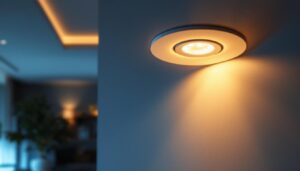
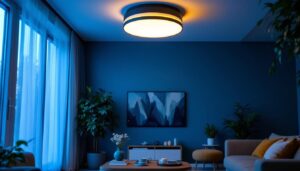
Can light housing, also known as recessed lighting, is a popular choice among lighting contractors for both residential and commercial projects. These fixtures are installed into the ceiling, providing a sleek and modern appearance while delivering effective illumination. The design of can light housing allows for versatility in lighting applications, making them suitable for various settings, from kitchens to offices.
Choosing the right can light housing is crucial for optimizing lighting efficiency. The housing type can significantly impact the overall performance, energy consumption, and aesthetic appeal of the lighting system. Understanding the different types of can light housings and their features is essential for contractors aiming to maximize efficiency in their projects.
Types of Can Light Housing
There are several types of can light housings available, each designed for specific applications and environments. The most common types include new construction, remodel, and IC-rated housings. New construction housings are designed for installation in open ceilings, while remodel housings are ideal for retrofitting existing spaces. IC-rated housings are specifically designed for use in insulated ceilings, ensuring safety and compliance with building codes.
Each type of housing has its unique installation requirements and benefits. For instance, new construction housings often provide better insulation and air sealing, which can enhance energy efficiency. On the other hand, remodel housings offer flexibility for contractors working in existing spaces without the need for extensive renovations. Additionally, there are also low-profile housings available, which are perfect for areas with limited ceiling space, allowing for recessed lighting in places where traditional fixtures may not fit.
Key Features to Consider
When selecting can light housing, several key features should be considered to ensure optimal performance. First, the size of the housing is crucial, as it determines the size of the trim and the light output. Common sizes include 4-inch, 5-inch, and 6-inch housings, with each size offering different lighting effects.
Another important feature is the type of trim used with the housing. Trims come in various styles, including baffle, reflector, and adjustable options. Each trim type affects the light distribution and can enhance the overall aesthetic of the space. Additionally, the choice of LED versus incandescent bulbs can significantly impact energy efficiency and longevity, making it an essential consideration for contractors. It’s also worth noting that many modern can light housings come equipped with smart technology, allowing users to control the lighting remotely or adjust brightness and color temperature, further enhancing the functionality and ambiance of the space.
Optimizing Energy Efficiency
Energy efficiency is a primary concern for lighting contractors, especially in an era where sustainability is paramount. Optimizing can light housing for maximum efficiency involves several strategies, including selecting the right bulbs, utilizing dimmers, and ensuring proper installation.
Using LED bulbs is one of the most effective ways to enhance energy efficiency. LEDs consume significantly less energy than traditional incandescent bulbs and have a longer lifespan, reducing replacement costs and waste. Furthermore, the use of dimmers allows for better control over light levels, enabling users to adjust brightness according to their needs and preferences. This adaptability not only contributes to energy savings but also enhances the overall ambiance of a space, allowing for a more personalized lighting experience.
Installation Best Practices
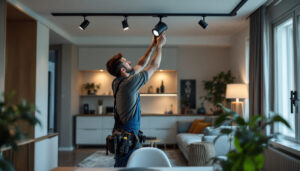
Proper installation is critical for achieving maximum efficiency in can light housing. Ensuring that the housing is correctly sealed and insulated can prevent air leaks, which can lead to energy loss. Additionally, positioning the fixtures strategically can enhance light distribution and minimize the need for excessive lighting. For instance, placing fixtures near walls can help reflect light and create a more spacious feel, while also reducing the number of fixtures needed.
Contractors should also consider the spacing of can lights. The general rule of thumb is to space the fixtures approximately 4 to 6 feet apart, depending on the height of the ceiling and the desired light output. This spacing ensures even illumination throughout the space, reducing the likelihood of dark spots or overly bright areas. Moreover, understanding the specific needs of each room can guide contractors in adjusting this spacing for optimal results. For example, in areas where tasks are performed, such as kitchens or workspaces, slightly closer spacing may be beneficial to provide adequate lighting for detailed activities.
Utilizing Smart Technology
Integrating smart technology into can light systems can further optimize energy efficiency. Smart lighting solutions allow for remote control of lighting systems, enabling users to turn lights on or off, adjust brightness, and even change color temperatures from their smartphones or tablets. This level of control not only enhances convenience but also promotes energy savings by ensuring that lights are only used when needed. The ability to program schedules or set timers can further enhance efficiency, allowing lights to automatically adjust based on the time of day or occupancy patterns.
Additionally, smart sensors can be installed to automatically adjust lighting based on occupancy or ambient light levels. For example, motion sensors can turn lights on when someone enters a room and off when the room is vacant, significantly reducing energy consumption. Furthermore, daylight sensors can detect the amount of natural light entering a space and adjust artificial lighting accordingly, ensuring that energy is not wasted when sufficient daylight is available. This combination of smart technology not only supports energy efficiency but also contributes to a more sustainable living environment, aligning with the growing demand for eco-friendly solutions in modern homes.
Enhancing Aesthetics with Can Light Housing
While functionality and efficiency are paramount, aesthetics also play a crucial role in lighting design. Can light housing offers a clean and unobtrusive look, making it an ideal choice for modern interiors. However, achieving the desired aesthetic requires careful consideration of various factors.
The choice of trim can significantly influence the overall appearance of the lighting system. For instance, a baffle trim can create a softer, more diffused light, while a reflector trim can provide a more focused beam, making it suitable for highlighting artwork or architectural features. Contractors should collaborate with clients to determine the best trim options that align with their design vision.
Color Temperature and Light Quality
Another critical aspect of aesthetics in lighting design is the color temperature of the bulbs used in can light housing. Color temperature is measured in Kelvin (K) and can range from warm (2700K) to cool (5000K) tones. Warm white light creates a cozy and inviting atmosphere, making it suitable for living spaces, while cool white light is often preferred for task-oriented areas like kitchens and offices.
Additionally, the quality of light produced by the bulbs can impact the overall ambiance of a space. High-quality LED bulbs offer better color rendering, which enhances the appearance of colors and textures within the environment. Contractors should prioritize bulbs with a high Color Rendering Index (CRI) to ensure that the lighting complements the design elements effectively.
Combining Can Lights with Other Fixtures
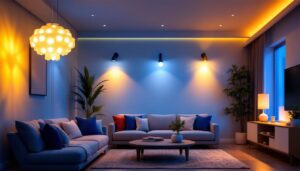
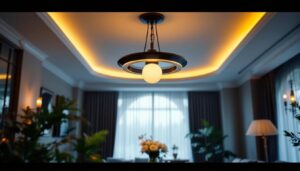
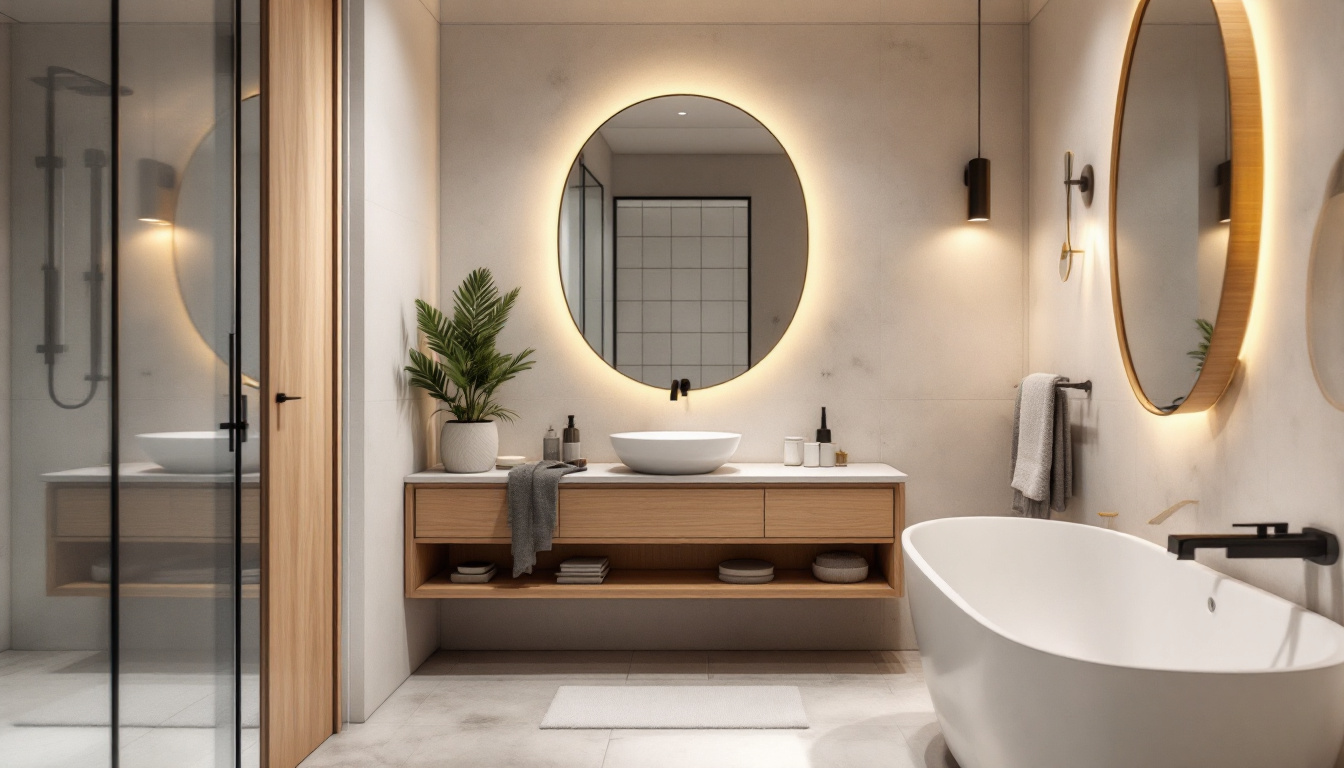
To create a layered lighting effect, contractors can combine can light housing with other lighting fixtures. This approach enhances the overall lighting design and allows for greater flexibility in achieving different moods and functionalities. For example, pairing recessed lights with pendant fixtures or wall sconces can create a balanced and visually appealing lighting scheme.
Moreover, incorporating task lighting alongside ambient lighting can improve functionality in specific areas. For instance, using can lights in conjunction with under-cabinet lighting in a kitchen can provide both general illumination and focused light for food preparation tasks, enhancing both efficiency and safety.
Compliance and Safety Considerations
When working with can light housing, compliance with local building codes and safety regulations is essential. Ensuring that the selected housing meets the necessary standards is crucial for the safety and satisfaction of clients. This includes adhering to guidelines regarding insulation contact (IC) ratings and ensuring that all electrical components are properly installed and secured.
Additionally, contractors should be aware of fire safety regulations related to recessed lighting. Proper spacing, installation, and the use of IC-rated housings in insulated ceilings can help mitigate fire risks. Understanding these regulations not only protects clients but also enhances the contractor’s reputation for quality and safety.
Using Insulation Contact (IC) Rated Housings
IC-rated housings are designed to be in direct contact with insulation, allowing for safe installation in insulated ceilings. This feature is particularly important in energy-efficient homes where insulation plays a critical role in maintaining temperature control. By using IC-rated housings, contractors can ensure that the lighting system complies with safety standards while also promoting energy efficiency.
Moreover, using IC-rated housings can help reduce energy loss by minimizing air leaks and heat transfer. This is especially beneficial in climates with extreme temperatures, where maintaining indoor comfort is a priority. Contractors should always verify that the chosen housing is IC-rated when working in insulated ceilings to ensure compliance and safety.
Regular Maintenance and Upkeep
Once can light housing is installed, regular maintenance is essential to ensure optimal performance and longevity. This includes cleaning the fixtures, checking for loose connections, and replacing bulbs as needed. Regular maintenance not only enhances the efficiency of the lighting system but also helps prevent potential safety hazards.
Contractors should educate clients on the importance of maintaining their lighting systems and provide guidance on how to perform basic upkeep. This proactive approach can lead to increased client satisfaction and trust, ultimately benefiting the contractor’s business in the long run.
Conclusion
Optimizing can light housing for maximum efficiency involves a multifaceted approach that considers various factors, including housing types, energy efficiency, aesthetics, compliance, and maintenance. By understanding the intricacies of can light housing and implementing best practices, lighting contractors can deliver exceptional results that meet the needs of their clients.
As the demand for energy-efficient and aesthetically pleasing lighting solutions continues to grow, staying informed about the latest trends and technologies in can light housing will be essential for contractors. By prioritizing efficiency, safety, and design, contractors can position themselves as industry leaders, providing valuable services that enhance the quality of life for their clients.
Get Your Premium Can Light Housing from LumenWholesale
Ready to elevate your lighting projects with the efficiency and style of can light housing? Look no further than LumenWholesale for all your lighting needs. Our extensive selection of spec-grade lighting products ensures you have access to the highest quality options at wholesale prices that simply can’t be beaten. Say goodbye to middleman markups and hello to cost-effective, reliable lighting solutions. Plus, with free shipping on bulk orders, you can stock up on superior can light housings and more, without any hidden fees. Don’t compromise on quality or value; choose LumenWholesale for the best in lighting efficiency and design. Wholesale Lighting at the Best Value is just a click away.