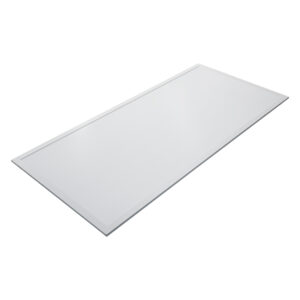
Lighting contractors play a pivotal role in the construction and design industries, ensuring that spaces are not only illuminated but also aesthetically pleasing and functional. Understanding the complexities of lighting systems, including the latest technologies and installation techniques, is essential for success in this field. This comprehensive handbook aims to equip lighting contractors with the knowledge and tools necessary to excel in their work, focusing on lights panels, their applications, and best practices.
Understanding Lights Panels
Lights panels are integral components of modern lighting systems, serving as the interface between the power supply and the lighting fixtures. They are designed to manage and distribute electrical power to various lighting elements, ensuring efficiency and safety in installations. With the rise of energy-efficient technologies, lights panels have evolved significantly, incorporating advanced features that not only enhance performance but also contribute to sustainability efforts in various sectors.
Types of Lights Panels
There are several types of lights panels available, each tailored to specific applications and requirements. The most common types include:
- LED Panels: These panels are energy-efficient and long-lasting, making them popular for both residential and commercial applications. Their low heat emission also reduces cooling costs, making them an ideal choice for energy-conscious consumers.
- Fluorescent Panels: Often used in office settings, these panels provide even illumination and are available in various sizes. They are particularly effective in large spaces where consistent lighting is essential for productivity.
- Smart Panels: Incorporating advanced technology, smart panels allow for remote control and automation, enhancing user convenience. Features such as scheduling, motion sensing, and integration with smart home systems make them increasingly desirable for tech-savvy users.
Key Components of Lights Panels
Understanding the key components of lights panels is crucial for effective installation and maintenance. Major components include:
- Power Supply: This component converts electrical energy from the source to a usable form for the lights. It is essential for ensuring that the correct voltage and current are supplied to prevent damage to the lighting fixtures.
- Control System: It manages the operation of the lights, including dimming and color temperature adjustments. advanced control systems can also facilitate energy monitoring, allowing users to track consumption and optimize usage.
- Wiring: Proper wiring ensures safe and efficient power distribution to the lighting fixtures. The quality and type of wiring can greatly affect the performance and longevity of the lighting system.
Applications of Lights Panels
Lights panels are versatile and can be used in a variety of settings. Common applications include:
- Commercial Spaces: Offices, retail stores, and restaurants often utilize lights panels for effective illumination. The right lighting can enhance the ambiance and influence customer behavior, making it a critical aspect of commercial design.
- Residential Homes: Homeowners are increasingly opting for energy-efficient lighting solutions. With the growing trend of home automation, lights panels are becoming a focal point in smart home setups, allowing for customizable lighting experiences.
- Industrial Facilities: Factories and warehouses require robust lighting systems for safety and productivity. High-bay lights and durable panels are often employed to ensure adequate visibility in expansive areas, contributing to a safer work environment.
As technology continues to advance, the integration of lights panels with renewable energy sources, such as solar power, is becoming more prevalent. This shift not only promotes sustainability but also reduces reliance on traditional energy grids, offering a more resilient solution for both residential and commercial applications. Furthermore, the development of tunable white and color-changing panels allows for dynamic lighting environments that can adapt to different tasks and moods, showcasing the innovative potential of modern lighting solutions.
Installation Best Practices
Installing lights panels requires a thorough understanding of electrical systems and adherence to safety standards. Following best practices can significantly enhance the quality and longevity of the installation.
Pre-Installation Considerations
Before beginning the installation, several factors must be considered:
- Site Assessment: Evaluate the space to determine the appropriate type and number of lights panels needed.
- Load Calculation: Calculate the total load to ensure the lights panel can handle the electrical demand.
- Compliance with Codes: Familiarize yourself with local building codes and regulations to ensure compliance.
Installation Steps
The installation process can be broken down into several key steps:
- Turn Off Power: Always ensure that the power supply is turned off before starting any electrical work.
- Mount the Panel: Securely mount the lights panel in an accessible location, following manufacturer guidelines.
- Connect Wiring: Carefully connect the wiring according to the electrical diagram provided with the panel.
- Test the System: Once installed, turn the power back on and test the lights to ensure proper functionality.
Post-Installation Maintenance
Regular maintenance is essential for the longevity and efficiency of lights panels. Key maintenance tasks include:
- Routine Inspections: Regularly check for signs of wear and tear, loose connections, or corrosion.
- Cleaning: Keep the panel and surrounding area clean to prevent dust and debris buildup.
- Updating Components: Replace outdated components to ensure optimal performance and energy efficiency.
In addition to these tasks, it is also advisable to keep a detailed log of all maintenance activities. This log can help track the performance of the lights panels over time and identify any recurring issues that may need addressing. Furthermore, consider scheduling professional inspections at regular intervals, especially for installations in high-use areas or environments with extreme conditions. Such proactive measures can prevent unexpected failures and extend the overall lifespan of the lighting system.
Moreover, staying informed about advancements in lighting technology can also play a crucial role in enhancing your installation. Newer lighting solutions, such as LED panels, offer improved energy efficiency and longer lifespans compared to traditional options. By integrating these modern technologies into your installation and maintenance practices, you can not only reduce energy costs but also contribute to a more sustainable environment. Embracing these innovations ensures that your lighting system remains effective and relevant in an ever-evolving landscape of electrical solutions.
Advanced Technologies in Lighting Panels
As technology continues to evolve, lighting panels are becoming increasingly sophisticated. Understanding these advancements can provide contractors with a competitive edge.
Smart Lighting Solutions
smart lighting solutions are revolutionizing the way lighting systems are controlled. These systems allow users to adjust lighting settings remotely, set schedules, and even integrate with home automation systems.
Energy Efficiency and Sustainability
With growing concerns about energy consumption and environmental impact, many lights panels are now designed with sustainability in mind. Features such as:
- Energy Monitoring: Some panels come equipped with energy monitoring capabilities, allowing users to track consumption and identify savings opportunities.
- Adaptive Lighting: This technology adjusts lighting levels based on occupancy and natural light availability, further reducing energy usage.
Integration with Building Management Systems
Modern lighting panels can be integrated with building management systems (BMS) to enhance overall building efficiency. This integration allows for centralized control of lighting, HVAC, and other systems, leading to improved energy management and occupant comfort.
Challenges Faced by Lighting Contractors
While the lighting industry offers numerous opportunities, contractors often face challenges that can impact their work. Understanding these challenges is crucial for developing effective strategies.
Regulatory Compliance
Keeping up with changing regulations and codes can be daunting for lighting contractors. Compliance is essential not only for safety but also for avoiding potential legal issues. Staying informed about local and national regulations is vital.
Technological Advancements
The rapid pace of technological advancements can be overwhelming. Contractors must continually educate themselves about new products, tools, and techniques to remain competitive. Investing in training and professional development is essential for success.
Client Expectations
Clients often have high expectations regarding design, functionality, and energy efficiency. Meeting these expectations requires effective communication and a thorough understanding of the latest trends and technologies in lighting design.
Future Trends in Lighting Panels
The lighting industry is constantly evolving, and several trends are shaping the future of lights panels. Being aware of these trends can help contractors stay ahead of the curve.
Increased Demand for Energy Efficiency
As energy costs rise and environmental awareness grows, the demand for energy-efficient lighting solutions will continue to increase. Lighting contractors should focus on offering products and services that promote energy savings and sustainability.
Integration of IoT Technologies
The Internet of Things (IoT) is set to play a significant role in the future of lighting panels. IoT-enabled lighting systems can provide real-time data on energy usage, maintenance needs, and system performance, allowing for more informed decision-making.
Enhanced User Experience
Future lighting panels will likely emphasize user experience, with features that allow for greater customization and control. Contractors should be prepared to offer solutions that cater to the unique preferences and needs of their clients.
Conclusion
In summary, lights panels are a fundamental aspect of modern lighting systems, and understanding their components, installation best practices, and emerging technologies is crucial for lighting contractors. By staying informed about industry trends and challenges, contractors can enhance their skills and provide exceptional service to their clients. As the lighting landscape continues to evolve, embracing innovation and prioritizing energy efficiency will be key to success in this dynamic field.
Ultimately, the role of a lighting contractor extends beyond mere installation; it encompasses a commitment to quality, safety, and sustainability. By leveraging the information presented in this handbook, lighting contractors can navigate the complexities of the industry and thrive in their careers.
Illuminate Your Projects with LumenWholesale
Ready to take your lighting installations to the next level? At LumenWholesale, we provide lighting contractors like you with the highest quality, spec-grade lighting products at prices that can’t be beaten. Our commitment to cutting out the middleman means you enjoy superior lighting solutions without the inflated markups, ensuring every project shines with reliability and high performance. With our extensive selection that meets rigorous industry standards and the convenience of free shipping on bulk orders, you can trust LumenWholesale to be your partner in achieving excellence in lighting. Elevate your lighting game and discover the best value in wholesale lighting by visiting Wholesale Lighting at the Best Value today.