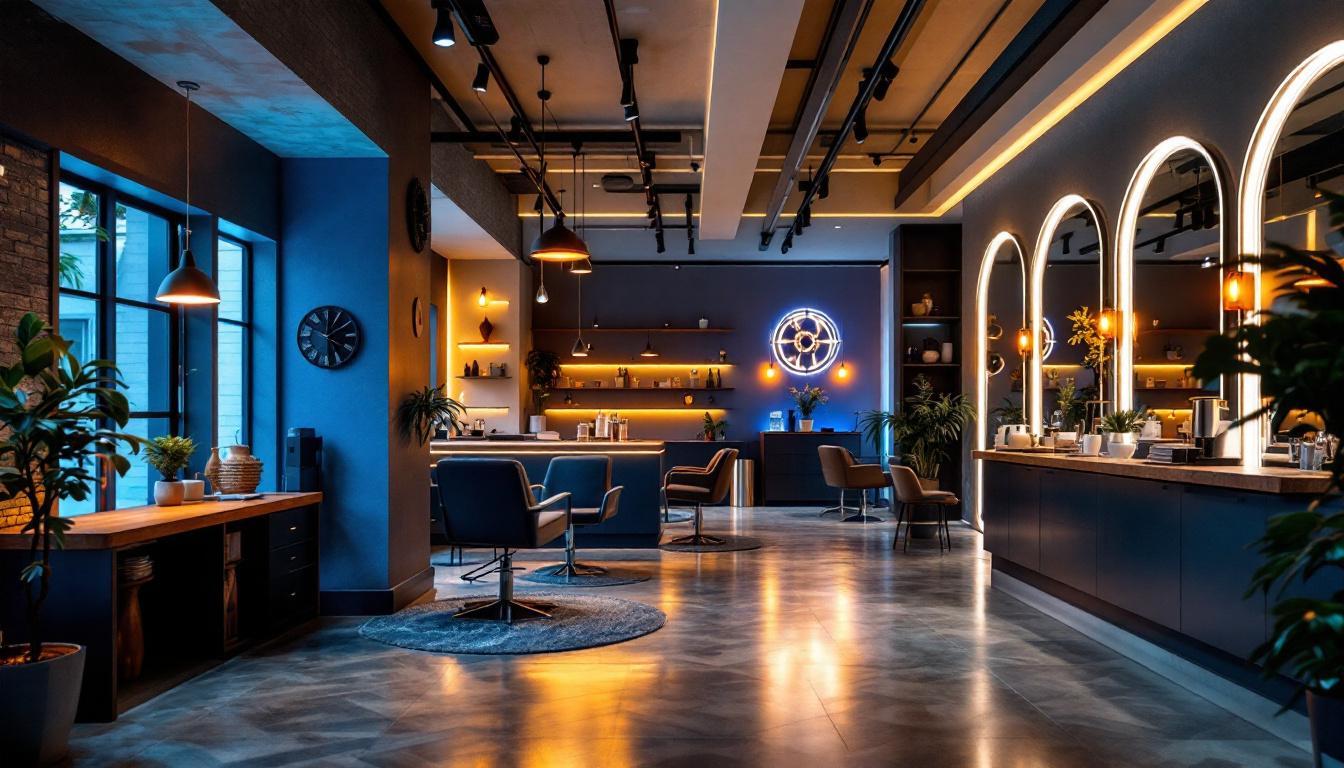
In the ever-evolving world of lighting design, rail lights have emerged as a versatile and efficient solution for both residential and commercial spaces. For lighting contractors, understanding the benefits and applications of rail lights can enhance their service offerings and improve client satisfaction. This article delves into the various advantages rail lights offer, the different types available, and how contractors can leverage these products to elevate their projects.
Understanding Rail Lights
Rail lights, often referred to as track lighting, consist of a series of light fixtures mounted on a track. This design allows for flexibility in positioning and directing light, making them a popular choice in various settings. The adaptability of rail lights makes them suitable for both functional and aesthetic purposes.
Types of Rail Lights
Rail lights come in several styles and configurations, catering to diverse lighting needs. The most common types include:
- Fixed Rail Lighting: These fixtures are permanently installed on a track, providing a consistent lighting solution for areas that require steady illumination.
- Adjustable Rail Lighting: These lights can be repositioned along the track, allowing contractors to customize the lighting layout based on specific project requirements.
- LED Rail Lights: Energy-efficient and long-lasting, LED rail lights are increasingly popular due to their low energy consumption and reduced heat output.
Each type of rail light has its unique advantages, and understanding these can help contractors select the best option for their clients’ needs. For instance, while fixed rail lighting is ideal for spaces that require constant illumination, adjustable rail lighting offers the flexibility to highlight specific areas or objects, making it particularly useful in dynamic environments such as art galleries or retail stores. Additionally, the emergence of smart LED rail lights has revolutionized the market, allowing users to control brightness and color temperature through mobile apps or voice commands, further enhancing the functionality and appeal of rail lighting systems.
Applications of Rail Lights
Rail lights are incredibly versatile and can be used in a variety of settings, including:
- Residential Spaces: From kitchens to living rooms, rail lights can enhance the ambiance and functionality of home interiors.
- Commercial Spaces: Retail stores and galleries benefit from the ability to highlight products and artwork, creating an inviting atmosphere for customers.
- Hospitality Venues: Restaurants and hotels can use rail lights to create mood lighting, enhancing the overall guest experience.
By understanding the various applications of rail lights, contractors can better advise their clients on how to achieve their desired lighting effects. In residential settings, rail lights can be strategically placed over kitchen islands or dining tables to provide focused task lighting, while in living rooms, they can be used to accentuate architectural features or artwork. In commercial spaces, the ability to adjust the direction of the light fixtures allows businesses to adapt their lighting to seasonal displays or promotional events, ensuring that their merchandise is always showcased in the best possible light. Furthermore, in hospitality venues, the warm glow of rail lights can create a welcoming atmosphere, encouraging guests to linger and enjoy their surroundings, ultimately enhancing customer satisfaction and loyalty.
Benefits of Rail Lights for Contractors
For lighting contractors, rail lights present numerous benefits that can positively impact their business operations and client relationships. Here are some of the key advantages:
Flexibility and Customization
One of the most significant benefits of rail lights is their flexibility. The ability to adjust the positioning of fixtures allows contractors to create tailored lighting solutions that meet the specific needs of each project. This adaptability is particularly valuable in spaces where lighting requirements may change over time.
Moreover, the customizable nature of rail lights enables contractors to experiment with different layouts and configurations. This creative freedom can lead to innovative designs that set a contractor apart from the competition. For instance, contractors can easily modify the arrangement of rail lights to accommodate seasonal displays in retail environments or to enhance the ambiance in residential settings, ensuring that each project feels unique and thoughtfully designed.
Energy Efficiency
With a growing emphasis on sustainability, energy-efficient lighting solutions are more important than ever. Rail lights, especially those using LED technology, consume significantly less energy compared to traditional lighting options. This not only reduces operational costs for clients but also aligns with eco-friendly practices.
Contractors who promote energy-efficient solutions can position themselves as environmentally conscious professionals. This can enhance their reputation and appeal to a broader client base that values sustainability. Additionally, many regions offer incentives or rebates for energy-efficient installations, providing contractors with an opportunity to pass on savings to their clients while also increasing their own profit margins. By staying informed about these programs, contractors can further solidify their role as trusted advisors in energy-efficient lighting solutions.
Enhanced Aesthetic Appeal
Rail lights can dramatically enhance the visual appeal of a space. Their sleek design and ability to direct light precisely make them ideal for highlighting architectural features, artwork, or merchandise. This aesthetic enhancement can be a selling point for contractors when discussing project possibilities with clients.
By incorporating rail lights into their designs, contractors can create dynamic and visually striking environments that leave a lasting impression on clients and visitors alike. The versatility of rail lights allows for various color temperatures and beam angles, enabling contractors to tailor the lighting to evoke specific moods or atmospheres. For instance, warm white light can create an inviting and cozy environment for restaurants or homes, while cooler tones can enhance productivity in office spaces. This attention to detail not only elevates the overall design but also fosters a deeper connection between the space and its occupants, showcasing the contractor’s commitment to quality and client satisfaction.
Installation Considerations
While rail lights offer numerous benefits, proper installation is crucial to ensure optimal performance and safety. Contractors should consider several factors during the installation process.
Electrical Requirements
Before installing rail lights, it is essential to assess the electrical requirements of the fixtures. This includes understanding the voltage and wattage specifications to prevent any electrical issues. Contractors should also ensure that the existing electrical infrastructure can support the new lighting system.
Consulting with a licensed electrician may be necessary, especially for larger installations. This collaboration can help avoid potential hazards and ensure compliance with local building codes.
Placement and Design
The placement of rail lights is critical for achieving the desired lighting effect. Contractors should consider factors such as the height of the ceiling, the purpose of the space, and the desired ambiance when determining fixture placement. Proper spacing between fixtures can also enhance the overall lighting quality.
Additionally, contractors should take into account the design elements of the space. Rail lights can be used to complement existing décor or serve as a focal point, depending on the project’s goals.
Maintenance and Upkeep
Rail lights, like any lighting system, require regular maintenance to ensure optimal performance. Contractors should educate clients on the importance of keeping fixtures clean and replacing bulbs as needed. Offering maintenance services can also be a valuable addition to a contractor’s service portfolio.
By establishing a maintenance plan, contractors can build long-term relationships with clients, ensuring continued satisfaction and potential future projects.
Marketing Rail Lights to Clients
Effectively marketing rail lights to clients can significantly boost a contractor’s business. Here are some strategies to consider:
Showcase Versatility
When discussing rail lights with clients, it is essential to highlight their versatility. Providing examples of different applications—from residential to commercial—can help clients envision how rail lights can enhance their spaces. Visual aids, such as photos or case studies, can be particularly effective in demonstrating the potential of rail lighting.
Additionally, showcasing various styles and finishes can appeal to clients with different aesthetic preferences, making it easier for them to see the value of incorporating rail lights into their designs.
Educate Clients on Benefits
Many clients may not be aware of the numerous benefits rail lights offer. Educating clients about energy efficiency, flexibility, and aesthetic appeal can help them appreciate the value of these lighting solutions. Providing detailed information on the long-term cost savings associated with energy-efficient options can also be a persuasive selling point.
Workshops or informational sessions can be a great way to engage clients and provide them with the knowledge they need to make informed decisions about their lighting choices.
Leverage Social Media and Online Presence
In today’s digital age, having a strong online presence is crucial for any business. Lighting contractors should utilize social media platforms to showcase their projects and highlight the use of rail lights. Sharing before-and-after photos, client testimonials, and project highlights can attract potential clients and demonstrate expertise.
Additionally, maintaining an informative website with a blog can position contractors as thought leaders in the industry. Regularly updating content related to rail lights and other lighting solutions can improve search engine visibility and draw in new clients.
Conclusion
Rail lights represent a valuable opportunity for lighting contractors to enhance their service offerings and meet the diverse needs of their clients. By understanding the benefits, applications, and installation considerations associated with rail lights, contractors can position themselves as knowledgeable professionals in the field.
Moreover, effective marketing strategies can help contractors communicate the advantages of rail lights to potential clients, ultimately leading to increased business opportunities. Embracing this innovative lighting solution can not only improve project outcomes but also elevate the overall client experience.
As the demand for versatile and energy-efficient lighting solutions continues to grow, lighting contractors who invest in understanding and promoting rail lights will undoubtedly find themselves at the forefront of the industry.
Illuminate Your Projects with LumenWholesale
Ready to take your lighting projects to the next level with rail lights? At LumenWholesale, we provide lighting contractors with the highest quality, spec-grade rail lights at unbeatable wholesale prices. Say goodbye to local distributor markups and hello to a vast selection of reliable lighting solutions that meet rigorous industry standards. Plus, with free shipping on bulk orders, you can stock up on premium lighting without worrying about hidden fees. Elevate your service offerings with the perfect blend of quality, affordability, and convenience. Discover the best value in wholesale lighting by visiting LumenWholesale today.