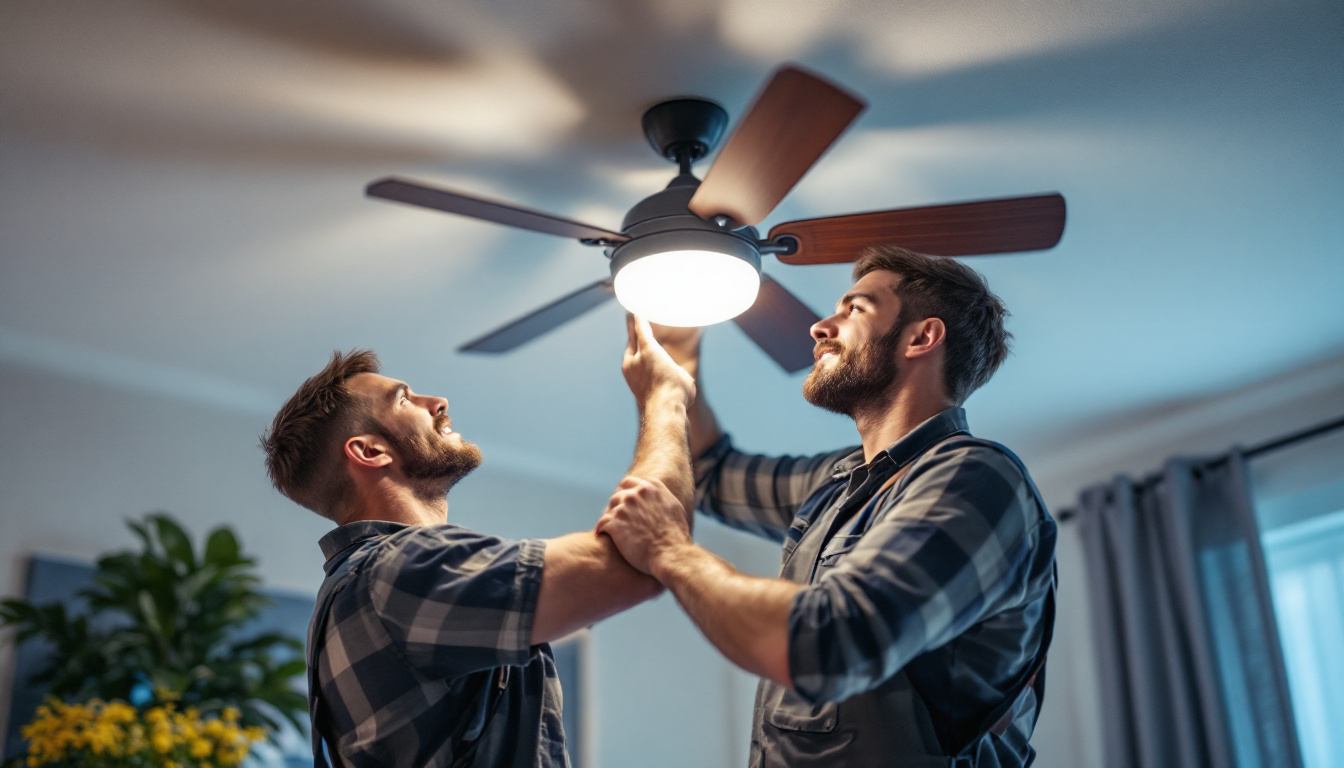
As a lighting contractor, understanding the intricacies of ceiling fan accessories and their control mechanisms is essential for delivering optimal solutions to clients. Ceiling fans not only provide comfort but also enhance the aesthetic appeal of a space. By mastering the various accessories and control options available, contractors can ensure that installations meet both functional and design expectations. This article delves into the essential tips for effectively managing ceiling fan accessories and controls.
Understanding Ceiling Fan Accessories
Ceiling fans come with a variety of accessories that can enhance their functionality and user experience. These accessories range from remote controls and wall switches to light kits and downrods. Familiarity with these components allows contractors to offer tailored solutions that meet specific client needs.
Remote Controls
Remote controls have become increasingly popular due to their convenience. They allow users to adjust fan speed and lighting without having to get up. When selecting remote controls, it is crucial to consider compatibility with the fan model. Many manufacturers offer universal remotes, but it’s always best to verify the specifications.
Additionally, some remote controls come with advanced features such as programmable timers and speed settings. Educating clients on these features can enhance their overall satisfaction with the product. Contractors should also ensure that the remote control’s range is adequate for the intended space. Some models even include a reverse function, allowing users to switch the fan’s direction for optimal airflow in both summer and winter months, further enhancing energy efficiency in the home.
Wall Switches
Wall switches are another common accessory for ceiling fans. They provide a more permanent solution for controlling fan speed and lighting. Installing a wall switch can often be a more straightforward option than using remote controls, especially in spaces where the fan is frequently used.
When recommending wall switches, contractors should consider options that include multiple speed settings and integrated dimmers for lights. This flexibility allows users to customize their environment according to their preferences, making it a worthwhile investment. Furthermore, smart wall switches are now available, enabling users to control their ceiling fans through mobile apps or voice commands, integrating seamlessly into modern smart home systems and providing even greater convenience.
Light Kits
Many ceiling fans offer the option to add light kits, which can significantly enhance the functionality of the fan. When selecting a light kit, it’s essential to consider the design and style of the fan to ensure a cohesive look. Popular options include integrated LED lights, which are energy-efficient and have a long lifespan.
Additionally, educating clients on the benefits of different types of bulbs, such as warm white or daylight, can help them make informed decisions. The right light kit can transform a ceiling fan into a multi-functional fixture that serves both aesthetic and practical purposes. Beyond aesthetics, some light kits come with features such as color-changing LEDs or smart technology, allowing users to adjust the ambiance of a room with a simple touch or voice command. This adaptability makes ceiling fans not just a cooling solution but also a versatile lighting option that can enhance the overall atmosphere of any space.
Control Mechanisms for Ceiling Fans
Control mechanisms play a pivotal role in the functionality of ceiling fans. Understanding the various options available allows lighting contractors to provide clients with the best solutions for their specific needs. This section explores some of the most common control mechanisms.
Pull Chains
Pull chains are a traditional method for controlling ceiling fans. They are simple and effective, allowing users to adjust the fan speed and lighting with a quick tug. However, while they are easy to use, pull chains may not be the most convenient option for larger spaces or for individuals with mobility issues.
Contractors should assess the suitability of pull chains based on the installation location. In rooms with high ceilings or large areas, it may be beneficial to recommend alternative control methods that offer greater convenience. Additionally, pull chains can sometimes become tangled or difficult to reach, especially in fans that are installed in awkward positions. This can lead to frustration for users who may find themselves struggling to operate the fan effectively, highlighting the importance of considering user accessibility during the selection process.
Smart Controls
Smart technology has revolutionized the way ceiling fans are controlled. Smart ceiling fans can be integrated with home automation systems, allowing users to control them via smartphone apps or voice commands. This feature is particularly appealing to tech-savvy clients who appreciate the convenience of managing their home environment remotely.
When recommending smart controls, contractors should ensure that the fan is compatible with the client’s existing smart home system. Providing guidance on setup and usage can enhance the client experience and encourage them to take full advantage of the technology. Furthermore, many smart fans come with energy-saving features, such as scheduling and adaptive speed settings, which can help homeowners reduce their energy consumption and lower utility bills. This added layer of efficiency not only benefits the environment but also appeals to clients who are increasingly conscious of their carbon footprint.
Wired vs. Wireless Controls
Choosing between wired and wireless controls is another important consideration for contractors. Wired controls typically offer more reliable performance and do not require batteries, making them a low-maintenance option. However, installation can be more complex, particularly in existing homes where running new wiring may be challenging.
On the other hand, wireless controls are easier to install and provide flexibility in terms of placement. They can be particularly useful in retrofit situations where adding wiring is not feasible. Contractors should evaluate the specific needs of the installation site to determine the most suitable option. Additionally, wireless controls often come equipped with features such as remote control functionality and programmable settings, allowing users to customize their fan experience. This adaptability can be a significant selling point for clients looking to enhance their comfort and convenience in any room of their home.
Installation Best Practices
Proper installation of ceiling fans and their accessories is crucial for ensuring functionality and safety. Following best practices during installation can prevent common issues and enhance the longevity of the fan. This section outlines key installation tips for lighting contractors.
Mounting Considerations
When installing a ceiling fan, it is vital to choose the correct mounting method. Fans can be mounted flush against the ceiling or hung from a downrod, depending on the ceiling height and design preferences. For high ceilings, downrods are often necessary to ensure optimal airflow.
Contractors should also ensure that the mounting bracket is securely attached to a ceiling joist. This is essential for preventing wobbling and ensuring the fan operates safely. Using a fan-rated box is also recommended to support the weight of the fan and any additional accessories.
Electrical Connections
Ensuring proper electrical connections is critical for the safe operation of ceiling fans. Contractors should always adhere to local electrical codes and regulations when connecting wiring. It is advisable to use a multimeter to verify that power is off before making any connections.
Additionally, using wire nuts to secure connections and ensuring that all wires are properly insulated can prevent electrical hazards. Testing the fan after installation is also essential to confirm that it operates correctly and safely.
Balancing the Fan
A common issue with ceiling fans is wobbling, which can be caused by improper installation or imbalanced blades. After installation, contractors should take the time to balance the fan by adjusting the blade alignment and ensuring that all screws are tightened.
Using a balancing kit can also help address wobbling issues. This typically includes weights that can be attached to the blades to achieve a more balanced operation. A well-balanced fan not only operates more efficiently but also enhances the overall user experience.
Maintenance and Troubleshooting
Regular maintenance is essential for keeping ceiling fans and their accessories in optimal working condition. Educating clients about maintenance practices can prolong the life of the fan and prevent common issues. This section provides insights into maintenance and troubleshooting techniques.
Cleaning the Fan
Dust and debris can accumulate on ceiling fans over time, affecting their performance and appearance. Contractors should advise clients to clean their fans regularly, ideally every few months. Using a microfiber cloth or a duster can effectively remove dust without damaging the blades.
For fans with light kits, it is also important to clean the light fixtures to ensure maximum brightness. Clients should be informed about the importance of turning off the power before cleaning to avoid accidents.
Troubleshooting Common Issues
Even with proper installation and maintenance, issues may arise with ceiling fans. Common problems include the fan not working, wobbling, or making unusual noises. Contractors should be prepared to troubleshoot these issues effectively.
For fans that do not operate, checking the power supply and ensuring that all connections are secure is a good starting point. If the fan wobbles, balancing the blades or adjusting the mounting can often resolve the issue. Noisy fans may require lubrication of the motor or checking for loose screws.
Conclusion
Mastering ceiling fan accessories and controls is a vital skill for lighting contractors. By understanding the various options available, installation best practices, and maintenance techniques, contractors can provide clients with exceptional service and solutions. Whether it’s selecting the right remote control, ensuring proper installation, or troubleshooting common issues, a comprehensive knowledge of ceiling fan accessories can significantly enhance the contractor-client relationship.
Ultimately, a well-informed contractor not only improves the functionality and aesthetics of a space but also contributes to a positive user experience. As the demand for ceiling fans continues to grow, staying updated on the latest trends and technologies will ensure that lighting contractors remain competitive in the industry.
Get Your Ceiling Fan Accessories at LumenWholesale
Ready to elevate your lighting projects with the finest ceiling fan accessories? Look no further than LumenWholesale, where we offer an extensive selection of spec-grade lighting products at unbeatable wholesale prices. Say goodbye to local distributor markups and hello to top-quality, reliable lighting that meets the highest industry standards. Make your next project shine with our hassle-free bulk buying options, complete with free shipping for the ultimate value. Don’t compromise on quality or price. Visit LumenWholesale today and discover the perfect blend of quality, affordability, and convenience for all your lighting needs.