The Critical Role of Hanging Counter Lights in Modern Spaces
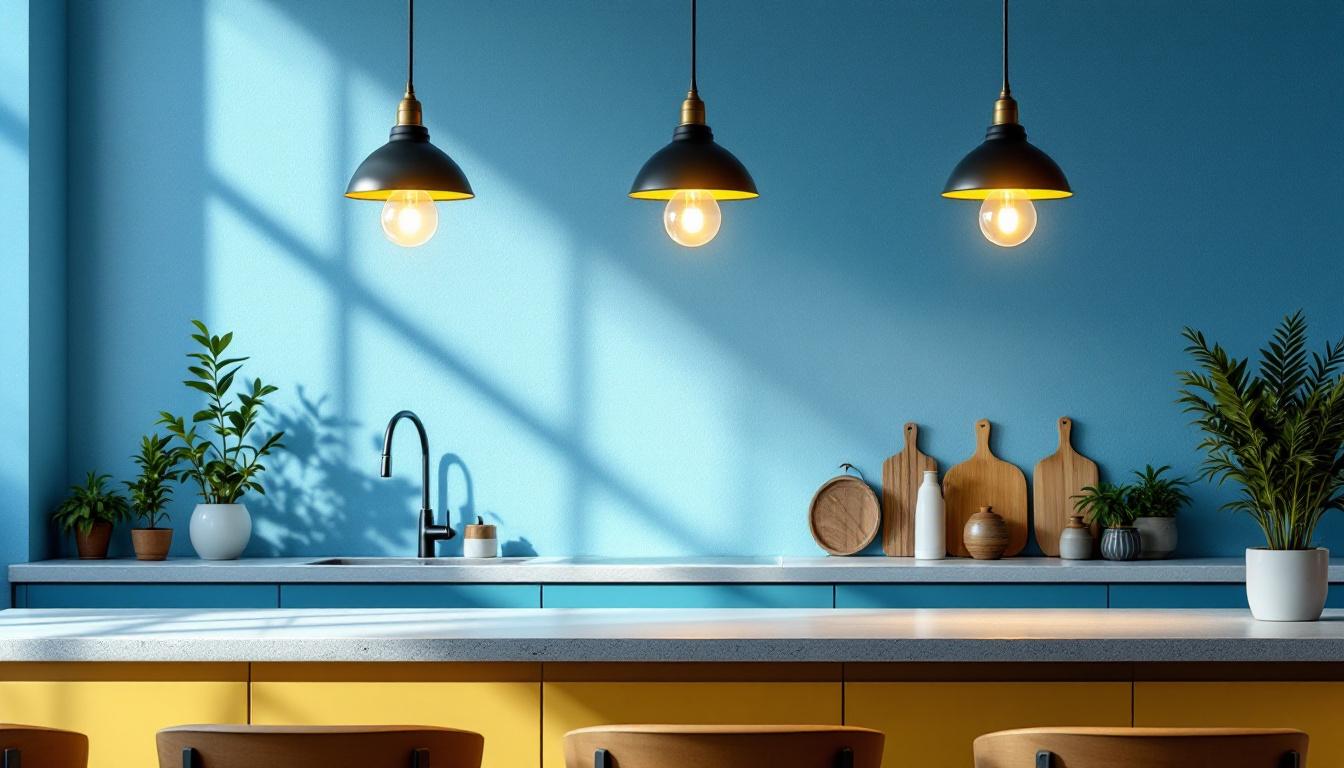
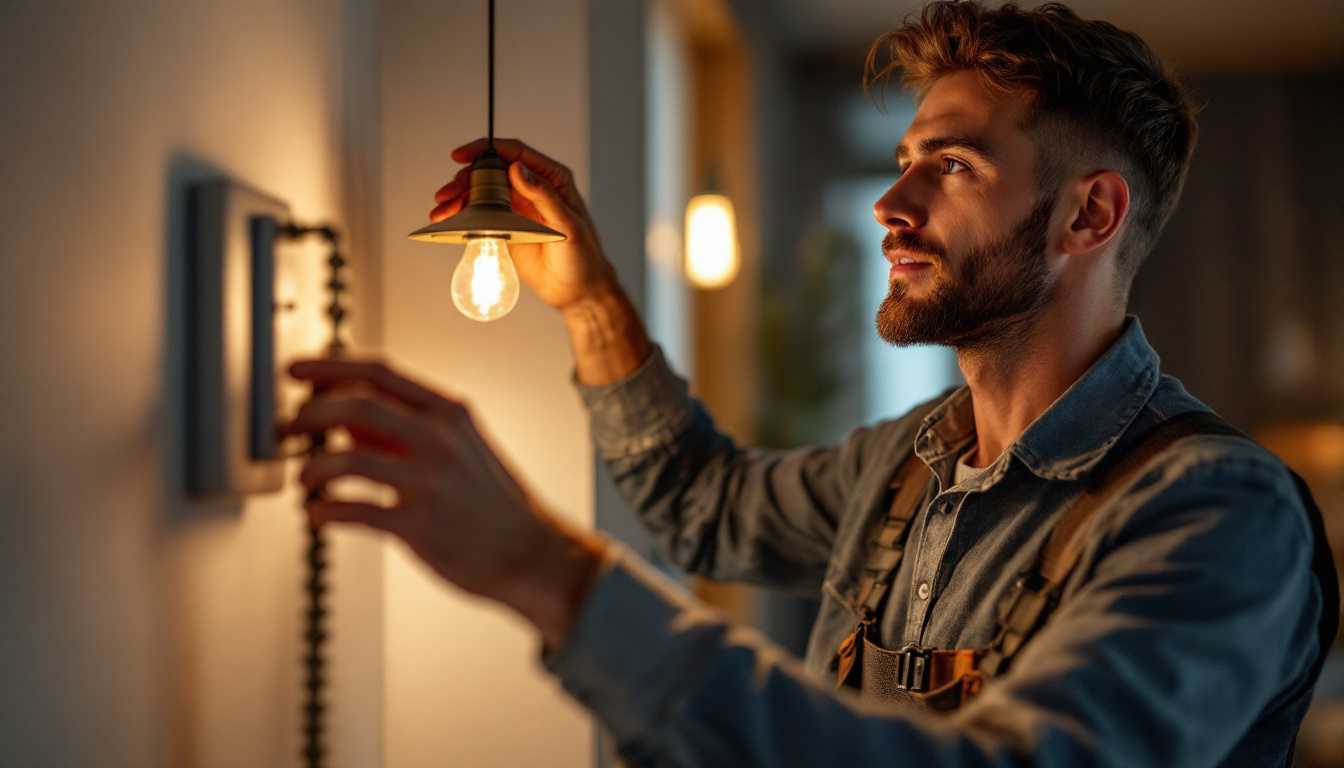
Hanging counter lights are more than just decorative elements; they are pivotal in defining the functionality and ambiance of a space. For lighting contractors, understanding the nuances of these fixtures can be the difference between a successful installation and a dissatisfied client. These lights serve as task lighting, accent lighting, and sometimes even as the centerpiece of a room’s design.
In kitchens, bars, and retail counters, the right hanging counter light can enhance visibility, improve safety, and elevate the overall aesthetic. They help illuminate work surfaces precisely where it’s needed, reducing shadows and glare, which is essential for activities like food preparation or product display. Lighting contractors who master the installation and selection of these fixtures position themselves as experts capable of meeting both practical and stylistic demands.
Moreover, the variety of styles and designs available in hanging counter lights allows for a high degree of customization, enabling homeowners and business owners alike to express their personal style. From sleek, modern pendants that complement minimalist decor to rustic fixtures that add warmth and charm, these lights can transform the character of a space. Additionally, the use of energy-efficient LED options not only reduces electricity costs but also contributes to a more sustainable environment, making them an appealing choice for eco-conscious consumers.
Furthermore, the placement and height of hanging counter lights can significantly affect the overall atmosphere. Properly positioned fixtures can create an inviting ambiance, encouraging social interaction in dining areas or providing a focused workspace in kitchens. For lighting contractors, understanding the principles of lighting design, including layering light and considering the color temperature, can lead to more effective installations that meet the specific needs of their clients. This knowledge not only enhances the functionality of the space but also elevates the client’s satisfaction, ensuring that the lighting becomes an integral part of the overall design narrative.
Design Considerations Contractors Must Prioritize
Balancing Functionality with Style
Choosing hanging counter lights involves more than picking a fixture that looks good. Contractors must evaluate the light’s output, color temperature, and beam angle to ensure it suits the space’s purpose. For example, a warm white light (around 2700K to 3000K) creates a cozy atmosphere ideal for residential kitchens, while cooler temperatures (3500K to 4100K) might be better suited for commercial counters where clarity and alertness are paramount.
Additionally, the style of the fixture should complement the interior design. Whether it’s a sleek, minimalist pendant for a modern kitchen or an industrial-style light for a trendy café, the choice impacts the client’s satisfaction and the space’s coherence. Lighting contractors who can advise on both technical and aesthetic aspects add significant value to their service. Furthermore, the material of the fixture can also play a crucial role; for instance, glass fixtures can enhance light diffusion, while metal options may provide a more focused beam, allowing for versatility in lighting design.
Moreover, energy efficiency is an increasingly important consideration. With the rise of LED technology, contractors should educate clients about the long-term cost savings and environmental benefits of choosing energy-efficient lighting solutions. By highlighting the advantages of LED fixtures, such as their longevity and lower heat output, contractors can help clients make informed decisions that align with modern sustainability practices.
Height and Placement Precision
One of the most common pitfalls in hanging counter light installation is incorrect height and placement. Lights hung too high may fail to provide adequate illumination, while those too low can obstruct sightlines and become physical obstacles. The general rule of thumb is to hang pendants approximately 30 to 36 inches above the counter surface, but this can vary depending on ceiling height and fixture design.
Lighting contractors must also consider the spacing between multiple fixtures. Evenly spaced lights ensure uniform illumination and avoid dark spots. This precision requires careful measurement and planning, often involving collaboration with interior designers and clients to align expectations and practicalities. Additionally, contractors should take into account the functionality of the space; for instance, in a kitchen, task lighting for food preparation areas may require different placement than ambient lighting for dining areas. Understanding the specific activities that will occur in the space allows for a more tailored lighting design that enhances both usability and comfort.
Furthermore, it is essential to consider the overall layout of the room. The arrangement of furniture and other elements can significantly influence how light is distributed. For example, in an open-concept space, contractors should ensure that the lighting harmonizes with both the kitchen and living areas, creating a seamless transition between different zones. This holistic approach not only improves the aesthetic appeal but also enhances the functionality of the entire space, making it more inviting and enjoyable for users.
Technical Challenges and Solutions in Installation
Electrical Considerations and Safety
Installing hanging counter lights involves navigating electrical systems that can vary widely from one building to another. Contractors must ensure that wiring meets local codes and that circuits can handle the additional load. Using energy-efficient LED fixtures can reduce power consumption and heat output, which benefits both safety and operational costs.
Grounding and secure mounting are critical. The weight of some pendant lights demands robust support structures, especially when installed over frequently used counters. Lighting contractors should verify that junction boxes are rated for fixture weight and that all connections are secure to prevent hazards. Additionally, implementing surge protectors can safeguard against voltage spikes, ensuring the longevity of the lighting fixtures and the safety of the electrical system as a whole.
Adapting to Different Ceiling Types
Ceiling construction varies—drywall, plaster, drop ceilings, or exposed beams each present unique challenges. For instance, installing hanging lights on a drop ceiling may require additional hardware or reinforcement to ensure stability. Lighting contractors must be adept at customizing their approach based on the ceiling type to achieve a clean, professional finish. In cases where the ceiling is particularly high, adjustable suspension cables or rods may be necessary to achieve the desired height and aesthetic appeal.
In some cases, recessed or surface-mounted electrical boxes may not be ideally positioned for the desired fixture placement. Contractors should be prepared to reroute wiring or install new boxes, always prioritizing safety and compliance with electrical standards. Furthermore, understanding the acoustics of the space can also play a role in installation; certain ceiling types may absorb sound differently, and the choice of lighting can either enhance or detract from the overall ambiance of the room. Therefore, careful consideration of both lighting and ceiling characteristics is essential for a successful installation that meets both functional and aesthetic needs.
Energy Efficiency and Client Expectations
LED Technology and Long-Term Savings
Clients increasingly demand energy-efficient solutions that reduce utility bills and environmental impact. Hanging counter lights equipped with LED technology meet these expectations by offering high lumen output with minimal energy use. LEDs also have longer lifespans, reducing maintenance frequency and costs.
Lighting contractors who recommend and install LED hanging counter lights demonstrate a commitment to sustainability and client value. Understanding the specifications-such as lumens per watt and color rendering index (CRI)-enables contractors to select fixtures that balance efficiency with quality light output.
Smart Lighting Integration
Smart lighting systems are gaining traction in residential and commercial projects. Hanging counter lights that integrate with smart controls allow users to adjust brightness, color temperature, and even schedule lighting patterns remotely. For contractors, this means additional installation steps, including programming and network setup, but also an opportunity to offer cutting-edge solutions.
Clients appreciate the convenience and customization smart lighting provides, and contractors who can expertly handle these systems differentiate themselves in a competitive market.
Maintenance and Longevity Considerations
Hanging counter lights are often installed in areas prone to grease, dust, or moisture, especially in kitchens and food service environments. Lighting contractors should advise clients on fixtures with finishes and materials that withstand these conditions without degradation.
Ease of maintenance is another important factor. Fixtures that allow for simple bulb replacement or cleaning reduce downtime and inconvenience. Contractors can add value by educating clients on routine maintenance practices and providing access to replacement parts or services.
Case Studies: Successful Hanging Counter Light Installations
Residential Kitchen Makeover
A recent project involved upgrading a mid-century kitchen with outdated lighting. The contractor selected a series of adjustable LED pendant lights with dimmable features, hung at 34 inches above the counter. This improved task lighting dramatically while complementing the kitchen’s modern farmhouse style. The client reported enhanced usability and a significant boost in the space’s appeal.
Commercial Bar Lighting Upgrade
In a bustling urban bar, the lighting contractor faced challenges with low ceilings and limited electrical access. By installing compact, energy-efficient hanging counter lights with smart dimming controls, the contractor created an inviting atmosphere that could shift from bright daytime service to intimate evening ambiance. The client praised the seamless integration and energy savings.
Why Lighting Contractors Should Master Hanging Counter Lights
Mastering hanging counter light installations positions lighting contractors as trusted experts capable of transforming spaces. These fixtures impact safety, functionality, and design, making their correct selection and installation vital. Contractors who invest time in understanding design principles, technical requirements, and client needs will find greater success and repeat business.
In a competitive industry, the ability to deliver precise, efficient, and aesthetically pleasing hanging counter lighting solutions is a valuable differentiator. It’s an area where technical skill meets creative insight, and where contractors can truly shine.
Illuminate Your Projects with LumenWholesale
Ready to elevate your lighting installations with the finest selection of hanging counter lights? At LumenWholesale, we provide lighting contractors with exceptional, spec-grade lighting products at prices that can’t be beaten. Our commitment to quality and affordability ensures that you can bring your design vision to life without compromising on performance or cost. With free shipping on bulk orders, you can stock up on premium lighting solutions and enjoy the best value in the industry. Don’t let middleman markups dim your project’s potential. Wholesale Lighting at the Best Value is just a click away. Partner with LumenWholesale today and experience the difference quality lighting makes.