Understanding Solar Power Flood Lights: What Makes Them Different?
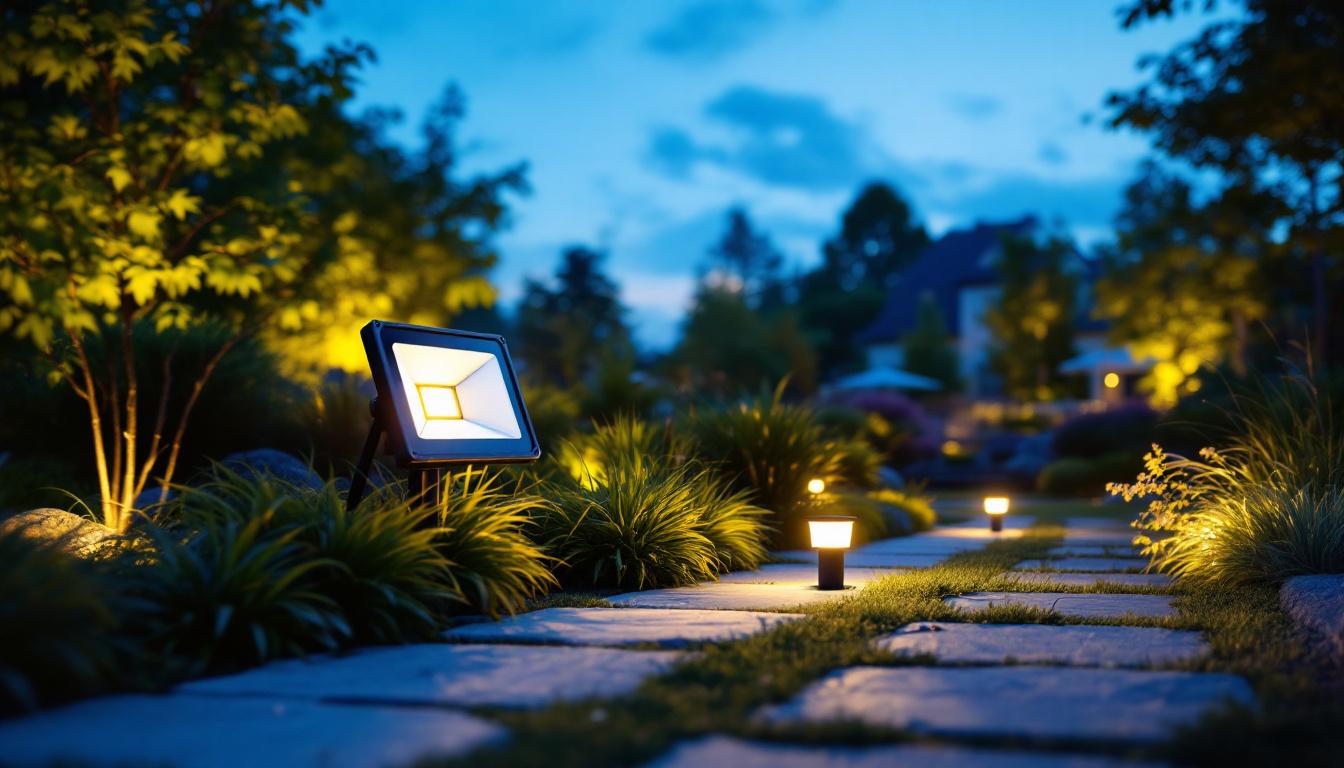
Solar power flood lights have become a popular choice for outdoor lighting projects, especially in areas where running electrical wiring is impractical or costly. Unlike traditional flood lights that rely on a wired power source, these lights harness energy from the sun, converting it into electricity stored in batteries for nighttime illumination.
For lighting contractors, grasping the fundamentals of solar flood lights is essential. The key components include the solar panel, rechargeable battery, LED light source, and a control system that typically incorporates a photocell or motion sensor. The solar panel’s efficiency, battery capacity, and LED quality directly impact the performance and reliability of the fixture.
One major advantage is the ease of installation. Without the need for trenching or conduit, solar flood lights can be mounted quickly on poles, walls, or other structures. This reduces labor costs and project timelines. However, understanding the limitations, such as dependence on sunlight availability and battery life, is critical for proper application and client satisfaction.
Moreover, the environmental benefits of solar flood lights cannot be overstated. By utilizing renewable energy, these lights contribute to reducing carbon footprints and promoting sustainability. They are particularly advantageous in remote locations or areas prone to power outages, providing a reliable source of illumination without the environmental impact associated with traditional energy sources. Additionally, many solar flood lights are designed to withstand various weather conditions, featuring durable materials that ensure longevity and performance even in harsh climates.
Another factor to consider is the technological advancements in solar lighting. Many modern solar flood lights come equipped with smart features such as adjustable brightness settings, timers, and even smartphone connectivity. These enhancements allow users to customize their lighting experience based on specific needs, whether for security purposes or aesthetic appeal. Furthermore, as the technology continues to evolve, the efficiency of solar panels and batteries is improving, leading to longer-lasting and brighter lighting solutions that can meet the demands of any outdoor space.
How to Assess Site Suitability for Solar Flood Lights
Sunlight Exposure and Orientation
Lighting contractors must evaluate the site’s solar exposure before recommending solar flood lights. The solar panel requires direct sunlight for most of the day to fully charge the batteries. Shaded areas, dense tree cover, or buildings that cast shadows can significantly reduce charging efficiency. A thorough assessment may involve using tools such as solar pathfinders or shading analysis software to visualize how sunlight interacts with the site throughout the day and across different seasons. This data can help contractors make informed decisions about the best locations for solar panel installation, ensuring optimal performance.
Orientation of the solar panel is another critical factor. Panels should face true south in the northern hemisphere (or true north in the southern hemisphere) and be tilted at an angle appropriate for the latitude to maximize sunlight absorption. Incorrect positioning can lead to underperformance, leaving the flood light dim or non-functional during nighttime hours. Additionally, contractors should consider potential future changes in the environment, such as growing trees or new construction, which could alter sunlight exposure over time. Regular maintenance and adjustments may be necessary to keep the system operating at peak efficiency.
Climate Considerations
Weather patterns and seasonal changes influence solar flood light effectiveness. In regions with frequent overcast skies or extended rainy seasons, solar charging may be insufficient. Contractors should consider battery capacity and panel size to compensate for reduced sunlight. Some models offer larger battery banks or hybrid systems that include auxiliary power sources to ensure consistent operation. Understanding local climate trends can also guide the selection of solar flood lights; for instance, in areas prone to snow, panels should be installed at an angle to allow snow to slide off, preventing accumulation that could block sunlight.
Security and Lighting Needs
Understanding the purpose of the flood light installation is vital. For security lighting, motion sensors integrated with solar flood lights can provide bright, immediate illumination when movement is detected, deterring intruders while conserving battery power. For landscape or general area lighting, steady illumination may be preferred. Furthermore, contractors should consider the color temperature of the LED lights, as warmer tones can create a welcoming atmosphere while cooler tones may enhance visibility and security. This choice can significantly affect the overall ambiance of the space being illuminated.
Contractors should discuss with clients the desired brightness level, coverage area, and operating hours. LED flood lights vary widely in lumen output, from a few hundred to several thousand lumens. Selecting the right intensity ensures the lighting meets functional and aesthetic requirements without wasting energy. Additionally, it is important to consider the potential for future expansion or changes in use of the space. For example, if a property owner plans to add features such as pathways, gardens, or recreational areas, the lighting plan should be flexible enough to accommodate these developments, ensuring that the solar flood lights can adapt to evolving needs.
Common Technical Questions from Lighting Contractors
What Are the Typical Battery Types and Their Lifespans?
Most solar flood lights use lithium-ion or lithium iron phosphate (LiFePO4) batteries due to their high energy density, long cycle life, and safety profile. Lithium iron phosphate batteries tend to offer better thermal stability and longer lifespans, often exceeding 2,000 charge cycles, which translates to several years of reliable operation.
Contractors should inquire about battery replacement procedures and costs. Some models allow easy battery swaps, while others require more involved servicing. Understanding these details helps contractors provide accurate maintenance estimates and warranties to clients.
How Does Weather Affect Solar Flood Light Performance?
Temperature extremes can impact battery efficiency and LED performance. Cold weather reduces battery capacity temporarily, resulting in shorter lighting durations. Conversely, excessive heat can degrade battery life over time. Selecting fixtures rated for the local climate and installing them in locations that minimize temperature extremes enhances longevity.
Waterproof and dustproof ratings (IP ratings) are also important. Outdoor flood lights should have at least an IP65 rating to withstand rain, dust, and debris. Higher ratings may be necessary in harsh environments, such as coastal areas with salt spray or industrial sites with heavy particulate matter.
Can Solar Flood Lights Integrate with Existing Lighting Controls?
Integration options vary by manufacturer and model. Some solar flood lights come with built-in motion sensors, dusk-to-dawn photocells, or programmable timers. Others may offer wireless connectivity via Bluetooth or Zigbee, allowing remote control and monitoring.
For contractors working on larger projects, compatibility with centralized lighting control systems can be a concern. While solar flood lights typically operate independently, certain advanced models support integration with smart home or building management systems. Confirming these capabilities upfront prevents costly retrofits or system incompatibilities.
Installation Best Practices for Solar Power Flood Lights
Site Preparation and Mounting
Proper installation begins with a thorough site survey. Identify the optimal mounting location for the solar panel to ensure maximum sun exposure. The panel should be free from obstructions and securely fastened to withstand wind and weather.
The flood light itself can be mounted separately from the panel if needed, connected by a weatherproof cable. This flexibility allows positioning the light where illumination is most effective while placing the panel in the best solar location.
Wiring and Connections
Even though solar flood lights are largely self-contained, some models require wiring between the panel, battery, and light fixture. Use UV-resistant, outdoor-rated cables and waterproof connectors to prevent corrosion and electrical faults.
Contractors should test all connections before finalizing installation. Ensuring tight, secure connections reduces maintenance calls and improves system reliability.
Commissioning and Client Training
After installation, verify the system’s operation during daylight and after dark. Confirm that the battery charges fully and the light activates as intended, whether on a timer, motion sensor, or photocell.
Educate clients on maintenance tasks such as cleaning the solar panel surface, checking for shading, and monitoring battery health. Providing a simple user guide or maintenance checklist can extend the system’s lifespan and maintain performance.
Maintenance and Troubleshooting Tips
Common Issues and Solutions
One frequent problem is dim or non-functioning lights caused by dirty solar panels. Dust, bird droppings, or leaves can block sunlight, reducing charging efficiency. Regular cleaning with a soft cloth and mild detergent is often all that’s needed.
Battery degradation over time leads to shorter lighting durations. If replacement batteries are available, swapping them out can restore performance. Otherwise, the entire fixture may need replacement.
Faulty sensors or wiring can cause erratic operation. Testing sensor functionality and inspecting cables for damage should be part of routine maintenance.
Extending System Longevity
Scheduling periodic inspections, especially before seasons with less sunlight, helps identify issues early. Contractors can offer maintenance contracts to clients, providing ongoing support and ensuring the solar flood lights continue to meet expectations.
Upgrading to newer technology as it becomes available can also be a value-added service. Advances in solar panel efficiency, battery technology, and LED performance can improve system reliability and reduce operational costs.
Cost Considerations and Client Communication
Upfront vs. Long-Term Costs
Solar flood lights often have a higher initial purchase price compared to wired alternatives. However, savings on trenching, wiring, and electrical labor can offset this difference. Additionally, zero energy costs and minimal ongoing maintenance contribute to lower total cost of ownership.
Lighting contractors should prepare detailed cost-benefit analyses for clients, highlighting installation savings, environmental benefits, and potential incentives or rebates for renewable energy installations.
Setting Realistic Expectations
Clients may expect solar flood lights to perform identically to wired lights regardless of conditions. It’s important to explain factors like weather dependency, battery life, and brightness limitations. Clear communication prevents misunderstandings and builds trust.
Demonstrating product features, sharing case studies, or arranging site visits to existing installations can help clients make informed decisions.
Conclusion: Solar Flood Lights as a Strategic Choice
Solar power flood lights offer lighting contractors a versatile, cost-effective solution for outdoor illumination, especially where traditional wiring is challenging. Understanding the technology, site requirements, and maintenance needs ensures successful installations and satisfied clients.
By addressing common questions and concerns upfront, contractors can position themselves as knowledgeable experts in sustainable lighting solutions, opening doors to new projects and long-term client relationships.
Illuminate Your Projects with LumenWholesale
Ready to enhance your outdoor lighting projects with the most efficient and sustainable solutions? Look no further than LumenWholesale for all your solar flood light needs. Our commitment to providing contractors with spec-grade lighting products at unbeatable wholesale prices means you can trust in the quality and value of every purchase. With our extensive selection of reliable, high-performance lighting, you’ll find the perfect fit for any installation. Plus, enjoy the convenience of bulk buying with free shipping, ensuring you get the best value without any hidden fees. Elevate your lighting game and discover the best wholesale lighting value today with LumenWholesale.