Understanding High Hat Bulbs and Their Role in Modern Lighting
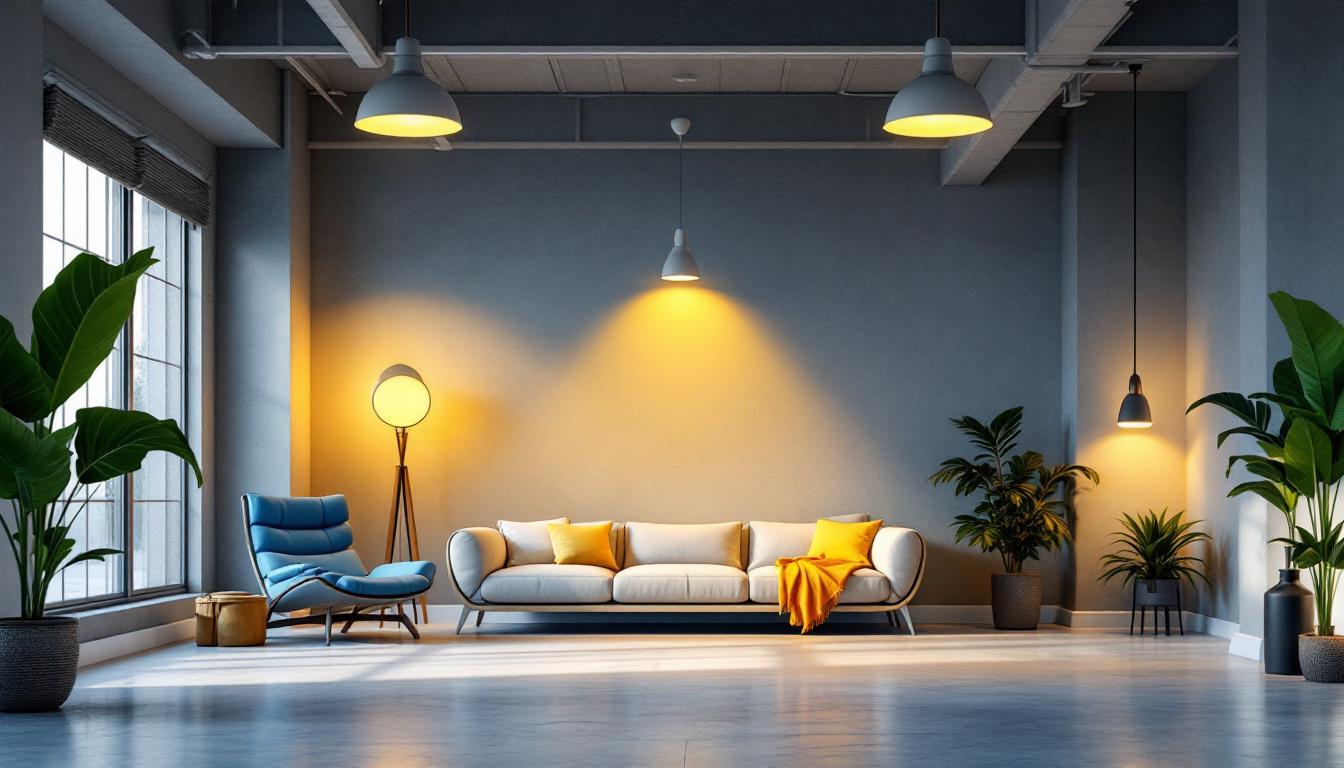
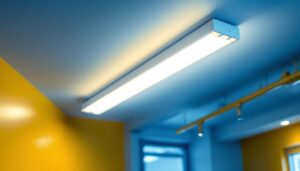
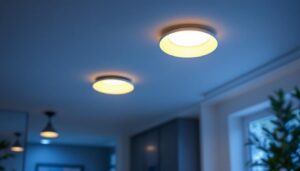
High hat bulbs, often referred to as recessed lighting bulbs, have become a staple in both residential and commercial lighting projects. Their sleek design allows fixtures to sit flush with ceilings, creating a clean, unobtrusive look that many clients desire. For lighting contractors, these bulbs offer a range of options in terms of size, wattage, and light quality, making them versatile for various applications. The evolution of high hat bulbs has also seen the introduction of energy-efficient LED options, which not only reduce electricity costs but also have a longer lifespan compared to traditional incandescent bulbs. This shift towards LED technology has made high hat bulbs an even more attractive choice for eco-conscious consumers and businesses alike.
Typically installed in ceilings, high hat bulbs are favored for their ability to provide focused, ambient, or accent lighting without cluttering the visual space. This makes them particularly popular in kitchens, hallways, offices, and retail environments where lighting needs to be both functional and aesthetically pleasing. The strategic placement of these fixtures can dramatically enhance the atmosphere of a room, allowing for the creation of different moods through adjustable brightness and color temperatures. For instance, warmer tones can evoke a cozy ambiance in living spaces, while cooler tones can promote alertness and productivity in work environments. Furthermore, with the rise of smart home technology, many high hat bulbs can now be integrated into automated lighting systems, allowing users to control their lighting remotely or set schedules for optimal convenience and energy efficiency.
Types of High Hat Bulbs: Incandescent, CFL, and LED
Incandescent High Hat Bulbs
Incandescent bulbs were once the go-to choice for recessed lighting due to their warm light quality and low upfront cost. However, they consume significantly more energy and have shorter lifespans compared to newer technologies. For contractors, this means frequent replacements and higher energy bills for clients, which can be a major drawback.
Despite being phased out in many regions due to energy regulations, some projects still call for incandescent bulbs, especially where dimming capability and color rendering are critical. However, their inefficiency makes them less attractive in the long run. The warm glow of incandescent light can create a cozy atmosphere in residential settings, making them a preferred choice for living rooms and dining areas. Furthermore, their ability to render colors accurately is often unmatched, which is why they are still favored in art galleries and retail spaces where visual presentation is paramount.
Compact Fluorescent Lamps (CFLs)
CFLs represented a major leap forward in energy efficiency when they first entered the market. They use about 70% less energy than incandescent bulbs and last up to 10 times longer. For recessed lighting, CFLs can be a good middle ground, offering decent light quality and efficiency.
However, CFLs have limitations. They contain small amounts of mercury, which complicates disposal and raises environmental concerns. Additionally, they often take time to reach full brightness and can be incompatible with some dimmer switches. These factors can frustrate both contractors and end-users. On the positive side, CFLs are available in a variety of shapes and sizes, making them versatile for different fixtures and applications. Their cooler light can also be beneficial in workspaces and kitchens, where bright, clear illumination is necessary for tasks. As awareness of energy efficiency grows, some manufacturers have begun to offer more advanced CFLs that address these issues, providing quicker warm-up times and improved compatibility with dimmers.
LED High Hat Bulbs
LED technology has revolutionized recessed lighting. LEDs offer superior energy efficiency, consuming up to 80% less power than incandescent bulbs while providing equal or better light output. Their lifespan often exceeds 25,000 hours, drastically reducing maintenance needs.
LEDs also come in a variety of color temperatures, from warm white to daylight, allowing contractors to tailor lighting to specific environments. They are fully dimmable with compatible controls and do not contain hazardous materials, making them environmentally friendly and cost-effective over time. Additionally, many LED bulbs now feature smart technology, enabling users to control lighting remotely via smartphone apps or voice commands, adding convenience and flexibility to modern living spaces. The ability to adjust brightness and color temperature can enhance mood and productivity, making LEDs an ideal choice for both residential and commercial applications. As the technology continues to evolve, we can expect even more innovations, such as integrated sensors that adjust lighting based on occupancy or natural light levels, further enhancing energy savings and user experience.
Comparing Performance Metrics: What Matters Most
Energy Efficiency and Cost Savings
Energy consumption is a critical factor for lighting contractors advising clients on high hat bulb choices. LEDs clearly outperform incandescent and CFL bulbs in this area. For example, a 10-watt LED can produce the same brightness as a 65-watt incandescent bulb. Over the lifespan of the bulb, this translates into substantial savings on electricity bills.
While LEDs may have a higher upfront cost, the long-term savings in energy and replacement costs make them the most economical option. CFLs offer a compromise but still fall short of LED efficiency and lifespan.
Light Quality and Color Rendering
Lighting quality impacts how spaces feel and function. Color Rendering Index (CRI) measures how accurately a light source reveals colors compared to natural light. Incandescent bulbs typically have a CRI close to 100, offering excellent color fidelity. LEDs have improved significantly, with many models boasting CRIs above 90, which is suitable for most applications.
CFLs generally have lower CRIs, which can result in dull or unnatural color appearance. For spaces like retail stores or art galleries where color accuracy is paramount, LEDs or incandescent bulbs are preferable.
Heat Emission and Safety
Incandescent bulbs generate a lot of heat, which can be a safety concern in recessed fixtures, especially in insulated ceilings. This heat can also increase cooling costs in climate-controlled environments. CFLs emit less heat but still produce more than LEDs.
LEDs run cool, reducing fire risks and making them safer for enclosed or insulated fixtures. This is a significant advantage for contractors concerned with building codes and client safety.
Installation Considerations for Lighting Contractors
Compatibility with Existing Fixtures
One challenge contractors face is ensuring new bulbs fit and function correctly with existing high hat fixtures. Incandescent and CFL bulbs often share similar bases, but LEDs may require specific adapters or fixtures designed for LED technology.
Retrofitting LED bulbs into older fixtures can sometimes lead to issues like flickering or incompatibility with dimmers. Contractors should verify compatibility or recommend fixture upgrades to avoid client dissatisfaction.
Dimming and Control Systems
Dimming capability is a common requirement for recessed lighting. Incandescent bulbs dim smoothly with standard dimmers, while CFLs are often incompatible or require specialized dimmers. LEDs generally offer excellent dimming performance, but only with compatible dimmer switches.
Smart lighting controls are increasingly popular. Many LED high hat bulbs integrate seamlessly with smart home systems, allowing for remote control, scheduling, and color tuning. This adds value for clients and positions contractors as forward-thinking professionals.
Installation Time and Labor
LED bulbs typically require less frequent replacement, reducing labor costs over time. However, initial installation may take longer if new fixtures or wiring upgrades are necessary. CFLs and incandescent bulbs are straightforward to install but may lead to more frequent service calls.
Contractors should weigh upfront installation complexity against long-term maintenance when advising clients.
Environmental Impact and Regulatory Compliance
Energy Regulations and Incentives
Many regions have regulations limiting the use of inefficient lighting technologies. Incandescent bulbs are often banned or restricted, pushing contractors toward CFLs or LEDs. Staying informed about local codes is essential to ensure compliance and avoid project delays.
Additionally, energy-efficient lighting projects may qualify for rebates or incentives, particularly when using LEDs. Contractors can leverage these programs to reduce client costs and promote sustainable practices.
Disposal and Environmental Concerns
CFLs contain mercury, requiring careful disposal to prevent environmental contamination. Lighting contractors should educate clients on proper recycling methods and consider the environmental impact when recommending bulb types.
LEDs contain no hazardous materials and are more environmentally friendly throughout their lifecycle. This aligns with growing client demand for green building solutions and can be a strong selling point.
Making the Choice: What Should Lighting Contractors Recommend?
For most projects, LED high hat bulbs represent the best balance of efficiency, longevity, light quality, and safety. Their versatility across applications and compatibility with modern control systems make them the preferred choice for lighting contractors aiming to deliver value and performance.
That said, there are niche scenarios where incandescent bulbs might still be appropriate, such as in spaces requiring exceptional color rendering or where dimming performance is critical without upgrading controls. CFLs, while less common now, can serve as a budget-conscious alternative where LEDs are not feasible.
Ultimately, the decision should consider client priorities, project specifications, and long-term operational costs. Lighting contractors who stay informed about the latest bulb technologies and industry trends will be best positioned to guide clients toward the optimal solution.
Summary: Key Takeaways for Lighting Contractors
- LED high hat bulbs offer superior energy efficiency, lifespan, and light quality, making them the top choice for most applications.
- Incandescent bulbs provide excellent color rendering but are inefficient and generate excess heat, limiting their practical use.
- CFLs are more efficient than incandescent but have drawbacks including mercury content, slower startup, and dimming limitations.
- Compatibility with fixtures and dimmers is crucial; verify before installation to avoid performance issues.
- Consider environmental impact and regulatory compliance when recommending bulbs to clients.
- Leverage available incentives for energy-efficient lighting to benefit clients financially.
Lighting contractors who prioritize LEDs and understand the nuances of each bulb type will enhance their reputation and deliver superior lighting solutions that meet client needs now and into the future.
Illuminate Your Projects with LumenWholesale
Ready to elevate your lighting game? At LumenWholesale, we’re committed to providing lighting contractors like you with the highest quality high hat bulbs and more, all at unbeatable wholesale prices. Say goodbye to local distributor markups and hello to our spec-grade selection that meets rigorous industry standards. With free shipping on bulk orders, you can trust that you’re getting premium lighting solutions at the best value — no hidden fees, no compromises. Don’t just take our word for it; experience the LumenWholesale difference today and ensure your projects shine with reliability and excellence. Wholesale Lighting at the Best Value.