Why Compliance Matters for Under Counter Strip Lighting
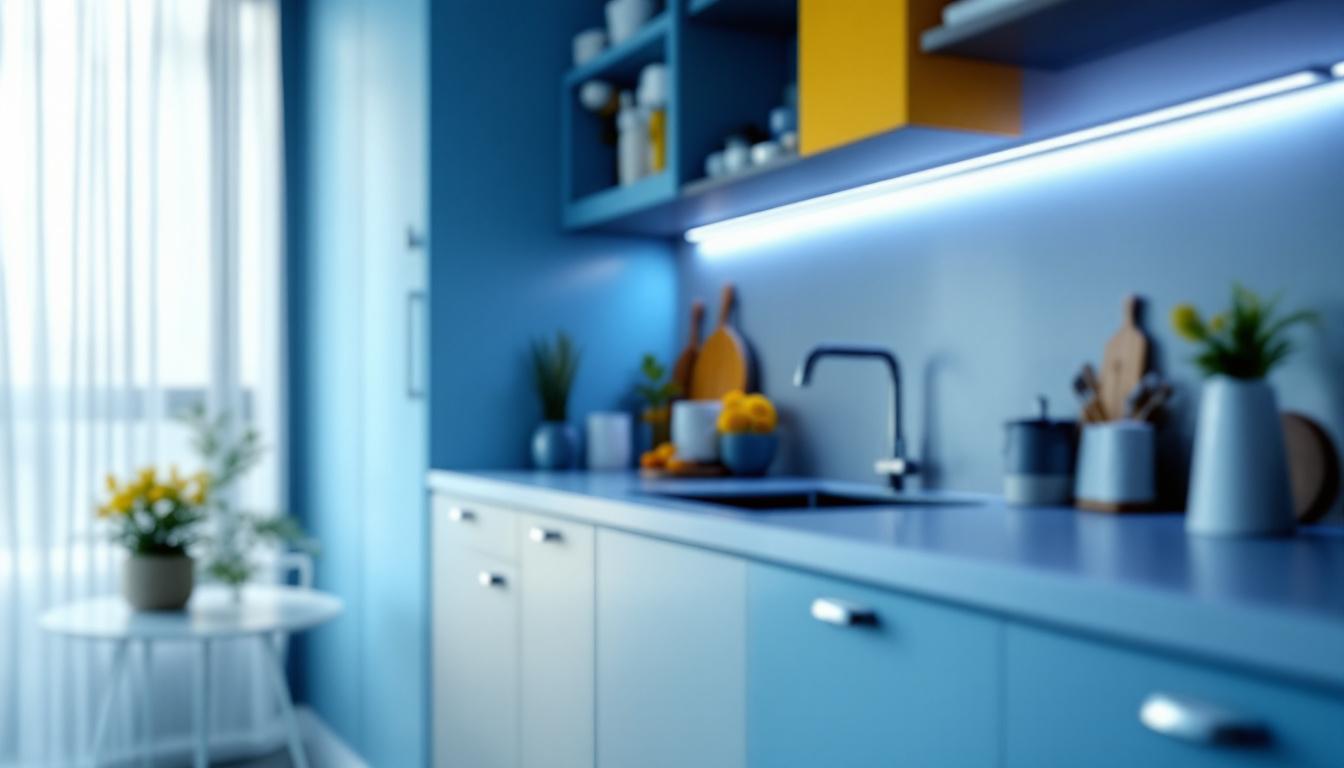
Under counter strip lights are a popular choice for kitchens, retail displays, and workspaces due to their sleek design and efficient illumination. However, the simplicity of installation can sometimes mask the complexity of compliance requirements. Lighting contractors must navigate a maze of electrical codes, safety standards, and energy regulations to ensure installations are both safe and legal.
Non-compliance can lead to serious consequences-ranging from failed inspections and costly rework to potential hazards like electrical fires or shocks. Understanding the regulatory landscape is not just about avoiding penalties; it’s about protecting clients, maintaining professional credibility, and ensuring long-term performance of the lighting system.
Moreover, compliance with energy efficiency standards can significantly impact operational costs for businesses. Many regions have adopted stringent energy codes that mandate specific efficiency ratings for lighting fixtures. By adhering to these standards, contractors not only help their clients save on utility bills but also contribute to broader environmental goals. For instance, using LED strip lights can reduce energy consumption dramatically compared to traditional incandescent options, aligning with sustainability initiatives that many companies are now prioritizing.
In addition to energy efficiency, there are also aesthetic considerations tied to compliance. Many modern building codes emphasize not just functionality but also the quality of light produced. This means that lighting contractors must be well-versed in the color temperature and color rendering index (CRI) of the fixtures they install. A high CRI ensures that colors appear more vibrant and true to life, which is particularly important in retail settings where product presentation can influence customer purchasing decisions. By understanding and implementing these compliance factors, contractors can enhance both the safety and the visual appeal of their installations, ultimately leading to greater client satisfaction.
Key Regulatory Standards for Under Counter Strip Lights
Electrical Safety Codes
Under counter strip lights fall under the jurisdiction of national and local electrical codes, such as the National Electrical Code (NEC) in the United States or similar standards internationally. These codes dictate wiring methods, grounding requirements, and protection against electrical faults. For instance, wiring must be installed in a way that prevents exposure to moisture, especially in kitchen environments where water is prevalent.
Contractors should verify that the LED strip lights and their power supplies are UL-listed or certified by an equivalent safety organization. This certification ensures that the components have been tested for fire resistance, electrical shock hazards, and mechanical durability. Furthermore, it is essential for contractors to stay updated on any changes or amendments to these codes, as regulations can evolve to address new technologies or safety concerns. Regular training and workshops can be beneficial for professionals in the field to maintain compliance and enhance their understanding of safety standards.
Energy Efficiency Regulations
Energy codes like ASHRAE 90.1 or local energy conservation standards often apply to lighting installations. These codes encourage or mandate the use of energy-efficient lighting technologies, such as LED strip lights with high lumens per watt ratios and integrated dimming controls. Compliance with these standards can affect project approvals and eligibility for rebates or incentives. In many cases, utilizing energy-efficient solutions not only helps in reducing operational costs but also contributes to a more sustainable environment, aligning with global efforts to combat climate change.
Lighting contractors should be familiar with the minimum efficacy requirements and ensure that the products used meet or exceed these benchmarks. Proper documentation and labeling from manufacturers can simplify verification during inspections. Additionally, contractors should consider the long-term benefits of energy-efficient lighting, such as reduced maintenance costs and longer lifespans of LED products, which can ultimately lead to increased client satisfaction and loyalty.
Environmental and Health Considerations
Some jurisdictions have restrictions on hazardous substances in lighting products, such as limits on mercury content or the use of lead in solder. While LED strip lights generally avoid these issues, it’s important to confirm compliance with regulations like RoHS (Restriction of Hazardous Substances) to avoid environmental liabilities. The growing emphasis on sustainability has led many manufacturers to adopt eco-friendly practices, including using recyclable materials and reducing carbon footprints during production.
Additionally, contractors should consider the quality of light, including color rendering index (CRI) and correlated color temperature (CCT), to ensure the lighting is comfortable and appropriate for the space. Poor lighting quality can lead to client dissatisfaction and may not meet workplace safety standards. Furthermore, the psychological effects of lighting on occupants should not be overlooked; studies have shown that well-designed lighting can enhance mood, productivity, and overall well-being in both residential and commercial settings. By prioritizing these factors, contractors can create spaces that are not only compliant with regulations but also conducive to a positive user experience.
Installation Best Practices to Ensure Compliance
Proper Power Supply Selection and Wiring
Choosing the right power supply is critical. Under counter strip lights typically require low-voltage DC power, so transformers or drivers must be correctly rated for the total wattage of the strip lights. Overloading power supplies can cause overheating and failure, violating safety codes. It is essential to calculate the total wattage of all connected strip lights and add a buffer of about 20% to ensure the power supply operates efficiently without being pushed to its limit. This precaution not only enhances the longevity of the power supply but also ensures consistent brightness across all fixtures.
Wiring should be routed to avoid sharp bends, pinch points, and exposure to heat sources. Using appropriate connectors and securing cables prevents mechanical strain and reduces the risk of shorts or disconnections. Ground fault circuit interrupters (GFCIs) are often required in kitchen or wet locations to enhance safety. Additionally, consider using color-coded wiring to simplify future maintenance and troubleshooting. This practice can save time and reduce the likelihood of errors during installation or repairs, ensuring that any necessary adjustments can be made swiftly and safely.
Moisture and Heat Protection
Many under counter installations are in areas prone to moisture, such as kitchens or bathrooms. Selecting strip lights with appropriate IP ratings (Ingress Protection) ensures resistance to water and dust. For example, an IP65 rating means the fixture is dust-tight and protected against water jets, suitable for splash-prone areas. It is also advisable to regularly inspect these installations for any signs of wear or damage, as prolonged exposure to moisture can compromise the integrity of the lighting system over time, leading to potential safety hazards.
Heat dissipation is another critical factor. LED strips generate heat, and inadequate ventilation or improper mounting can shorten their lifespan. Installing aluminum channels or heat sinks can help maintain optimal operating temperatures and comply with manufacturer guidelines. Additionally, consider the placement of the fixtures to maximize airflow; for instance, avoiding tight spaces where heat can accumulate can significantly enhance performance. Regular maintenance, such as cleaning dust from fixtures, can also aid in heat management and prolong the life of the installation.
Securing and Concealing Wiring
Compliance often requires that wiring be concealed or protected to prevent accidental damage. Using raceways, conduit, or cable clips keeps wiring neat and compliant with code requirements. This also improves aesthetics and reduces trip hazards or accidental unplugging. When selecting raceways, opt for materials that blend with the surrounding décor, ensuring that the installation is both functional and visually appealing. Furthermore, labeling wires at both ends can facilitate future modifications or repairs, making it easier for anyone working on the system to identify the correct connections.
When installing in cabinetry, ensure that wiring does not interfere with drawers, doors, or hinges. Proper planning and measurement before installation can prevent costly mistakes and rework. Consider utilizing flexible wiring solutions that allow for adjustments in tight spaces, which can be particularly useful in custom cabinetry. Additionally, incorporating access points or service panels can simplify future maintenance, ensuring that any necessary adjustments or repairs can be made without extensive disassembly of the cabinetry.
Documentation and Inspection: What Lighting Contractors Should Prepare
Product Data Sheets and Certifications
Keep detailed records of all products used, including manufacturer data sheets, UL or equivalent certifications, and warranty information. These documents demonstrate compliance during inspections and provide valuable information for maintenance or future upgrades.
Some jurisdictions require submission of lighting plans or specifications before installation. Having accurate documentation ready can streamline the permitting process and avoid delays.
Installation Records and Testing
Documenting the installation process, including wiring diagrams, load calculations, and photographs, can be invaluable. Post-installation testing-such as verifying voltage levels, checking for proper grounding, and ensuring GFCI functionality-should be recorded.
Testing not only confirms compliance but also helps identify potential issues early, reducing callbacks and enhancing client satisfaction.
Preparing for Inspections
Inspections can vary widely depending on the local authority having jurisdiction (AHJ). Contractors should familiarize themselves with local requirements and coordinate inspections proactively. Being prepared with documentation and a clear understanding of the installed system can expedite approvals.
Address any deficiencies promptly and communicate transparently with clients about the inspection process and outcomes.
Common Compliance Challenges and How to Avoid Them
Using Non-Certified Products
One frequent pitfall is installing LED strip lights or power supplies that lack proper certification. While these products may be cheaper or more readily available, they often fail safety tests and can cause hazards or inspection failures. Always source from reputable manufacturers and verify certifications before purchase.
Ignoring Environmental Ratings
Installing indoor-rated strip lights in damp or wet locations is a common mistake. This oversight can lead to premature failure, safety risks, and non-compliance. Match the IP rating of the lighting to the environment and educate clients on the importance of this specification.
Overloading Circuits and Power Supplies
Underestimating the total wattage or failing to account for voltage drop in longer runs can overload circuits or cause dimming and flickering. Calculate loads carefully and select power supplies with appropriate capacity, including a margin for safety.
Improper Wiring Practices
Loose connections, insufficient securing, and incorrect wire gauge can compromise safety and compliance. Follow manufacturer instructions and electrical codes meticulously. Use wire gauges rated for the load and length of the run.
Staying Updated: Continuous Learning and Resources
Codes and standards evolve regularly. Lighting contractors should subscribe to industry newsletters, participate in continuing education, and engage with professional organizations. Staying current ensures that installations remain compliant and competitive.
Manufacturers often provide training and technical support specific to their products. Leveraging these resources can improve installation quality and reduce compliance risks.
Conclusion
Compliance for under counter strip lighting is multifaceted, encompassing electrical safety, energy efficiency, environmental standards, and installation best practices. For lighting contractors, mastering these requirements is essential to delivering safe, reliable, and code-compliant lighting solutions.
By prioritizing certified products, meticulous installation, thorough documentation, and ongoing education, contractors can avoid common pitfalls and build trust with clients and inspectors alike. The result is not just a well-lit space, but a professionally executed project that stands the test of time.
Get Your Spec-Grade Lighting Supplies at LumenWholesale
Ready to elevate your under counter strip lighting installations with products that guarantee compliance and quality? Look no further than LumenWholesale. Our extensive selection of spec-grade lighting products meets the highest industry standards, ensuring that your projects shine with reliability and performance. Say goodbye to inflated markups and hello to unbeatable wholesale prices, plus the convenience of free shipping on bulk orders. Make your next lighting project a testament to professionalism and value. Wholesale Lighting at the Best Value is just a click away. Choose LumenWholesale for quality, affordability, and convenience in one seamless experience.