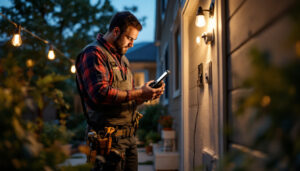
Understanding the Shift to Smart Lighting in Commercial Spaces
Commercial lighting has moved far beyond the simple on-off switch. Today’s businesses demand lighting solutions that do more than just illuminate—they must enhance productivity, reduce energy costs, and integrate seamlessly with building management systems. For lighting contractors, this means adopting smart lighting technologies that cater to these evolving needs.
Smart lighting systems use sensors, wireless controls, and advanced software to adjust lighting based on occupancy, daylight availability, and specific business requirements. This shift is not just about convenience; it’s a strategic move toward sustainability and operational efficiency.
Why Businesses Are Embracing Smart Lighting
Energy consumption is a major concern for commercial properties. Lighting can account for up to 40% of a building’s energy usage. Smart lighting reduces this by automatically dimming or turning off lights when spaces are unoccupied or when natural light is sufficient. This translates into significant cost savings.
Beyond energy savings, smart lighting enhances the occupant experience. Adjustable color temperatures can improve employee alertness and mood, while tailored lighting scenes can support various tasks—from meetings to presentations. For retail environments, dynamic lighting can highlight products and influence customer behavior.
Moreover, the integration of smart lighting with other building systems creates a more cohesive environment. For instance, when combined with HVAC systems, smart lighting can adjust based on the temperature and occupancy levels, further optimizing energy use. This interconnectedness not only streamlines operations but also provides valuable data analytics, allowing businesses to make informed decisions about their energy consumption and overall facility management.
The adoption of smart lighting also aligns with the growing trend of creating healthier workspaces. Studies have shown that well-lit environments can lead to increased productivity and reduced absenteeism among employees. By utilizing smart technology, businesses can create customizable lighting solutions that cater to individual preferences, fostering a more comfortable and motivating atmosphere. As companies continue to prioritize employee well-being, the role of smart lighting in enhancing workplace satisfaction cannot be overstated.
Key Technologies Lighting Contractors Should Master
To deliver effective smart lighting solutions, contractors must be well-versed in several core technologies. Understanding these will not only improve installation quality but also position contractors as trusted advisors to their clients.
Wireless Controls and Connectivity
Wireless lighting controls are the backbone of modern smart systems. Protocols like Zigbee, Bluetooth Mesh, and Wi-Fi enable devices to communicate without extensive wiring. This reduces installation complexity and costs while offering flexibility for future upgrades.
Contractors should familiarize themselves with these protocols and the advantages each offers. For instance, Zigbee is known for low power consumption and mesh networking capabilities, making it ideal for large commercial spaces. Bluetooth Mesh offers easy integration with mobile devices, which is attractive for user control. Additionally, Wi-Fi-based systems can leverage existing network infrastructure, allowing for straightforward scalability and integration with other smart home devices, such as thermostats and security systems. Understanding the strengths and limitations of each protocol helps contractors recommend the best solutions tailored to their clients’ specific needs.
Occupancy and Daylight Sensors
Occupancy sensors detect presence and movement, ensuring lights are only on when needed. Daylight sensors adjust artificial lighting based on natural light levels, maintaining consistent illumination while saving energy.
Proper sensor placement and calibration are critical. Incorrect installation can lead to false triggers or unlit spaces, undermining the system’s benefits. Contractors must assess the layout and usage patterns of each space to optimize sensor performance. Furthermore, advancements in sensor technology now allow for more sophisticated features, such as adaptive learning algorithms that can adjust sensitivity based on historical usage data. This not only enhances energy efficiency but also improves user satisfaction by minimizing disruptions caused by over-sensitive or under-sensitive sensors.
Integration with Building Management Systems (BMS)
Smart lighting doesn’t operate in isolation. Integrating lighting controls with a building’s existing management system allows for centralized control, data analytics, and enhanced automation.
Contractors should be comfortable working with BMS platforms and understand communication standards like BACnet and Modbus. This knowledge enables seamless integration, providing clients with holistic building control and valuable insights into energy usage patterns. Additionally, the integration of lighting with BMS can facilitate advanced features such as automated scheduling and real-time monitoring, allowing facility managers to respond proactively to issues and optimize energy consumption across the entire building. As the demand for sustainable and energy-efficient solutions grows, contractors who can effectively implement these integrations will be well-positioned in the market, offering clients not just lighting solutions but comprehensive energy management strategies that align with their sustainability goals.
Design and Installation Best Practices for Smart Lighting
Successful smart lighting projects depend on thoughtful design and precise installation. Lighting contractors must take a consultative approach, aligning technical expertise with client goals.
Conducting a Thorough Site Assessment
Before recommending solutions, contractors should evaluate the space’s layout, usage patterns, and existing infrastructure. Understanding peak occupancy times, natural light availability, and specific client needs ensures the system is tailored effectively.
Additionally, assessing electrical capacity and network readiness is essential. Smart lighting often requires robust Wi-Fi or dedicated control networks, so contractors may need to coordinate with IT or facilities teams. This collaboration is crucial, as it ensures that the infrastructure can support the demands of smart technology without compromising performance. Furthermore, evaluating the potential for energy efficiency improvements can lead to significant cost savings over time, making the project more appealing to clients concerned about sustainability and operational expenses.
Prioritizing User Experience
Smart lighting systems should be intuitive for end users. This means designing control interfaces that are simple and accessible, whether through wall panels, mobile apps, or voice commands.
Training and documentation are vital. Contractors should provide clear instructions and support to help clients maximize the benefits of their new lighting systems. A positive user experience leads to higher satisfaction and fewer service calls. Incorporating feedback mechanisms, such as user surveys or direct communication channels, can further enhance the system’s usability. By actively seeking input from users, contractors can identify areas for improvement and adapt the system to better meet the evolving needs of the client, ensuring long-term satisfaction and engagement with the technology.
Ensuring Scalability and Flexibility
Businesses evolve, and so should their lighting systems. Contractors should recommend modular solutions that allow for easy expansion or reconfiguration. This future-proofing approach protects the client’s investment and facilitates upgrades as technology advances.
Moreover, integrating smart lighting with other building management systems can enhance functionality and streamline operations. For instance, linking lighting controls with HVAC systems can optimize energy use and create a more comfortable environment for occupants. As the Internet of Things (IoT) continues to expand, the ability to interconnect various smart devices will become increasingly important. Contractors should stay informed about emerging technologies and trends, ensuring that their clients are not only equipped for today’s needs but are also prepared for tomorrow’s innovations in smart building solutions.
Overcoming Common Challenges in Smart Lighting Projects
Despite the advantages, smart lighting installations can present hurdles. Contractors who anticipate and address these challenges will deliver smoother projects and stronger client relationships.
Managing Network Reliability
Wireless lighting systems depend on stable network connections. Interference, signal range, and bandwidth limitations can impact performance. Contractors should conduct wireless site surveys and recommend network enhancements if needed.
Using mesh networking devices can improve reliability by allowing signals to hop between multiple nodes, reducing dead zones and ensuring consistent control.
Balancing Cost and Value
Smart lighting systems can have higher upfront costs compared to traditional lighting. Contractors need to clearly communicate the long-term savings and intangible benefits such as improved comfort and productivity.
Offering phased implementations or highlighting financing options can help clients manage budgets while still moving toward smarter lighting solutions.
Addressing Compatibility Issues
Integrating new smart lighting with legacy systems or equipment from different manufacturers can be complicated. Contractors should verify compatibility early and select components that adhere to open standards.
Working with reputable vendors and staying informed about industry developments reduces the risk of integration pitfalls.
Leveraging Data and Analytics for Ongoing Optimization
Smart lighting systems generate valuable data on usage patterns, energy consumption, and system health. Contractors can add value by helping clients interpret this data and make informed decisions.
Energy Monitoring and Reporting
Providing clients with detailed energy reports highlights savings and identifies opportunities for further efficiency improvements. This transparency builds trust and supports sustainability goals.
Predictive Maintenance
Data analytics can flag potential issues before they cause failures. Contractors can offer maintenance services based on real-time system health monitoring, reducing downtime and repair costs.
Customizing Lighting Based on Insights
Analyzing occupant behavior and environmental conditions allows for fine-tuning lighting scenes and schedules. Contractors can periodically review data with clients to adjust settings, ensuring the system continues to meet evolving needs.
Building Expertise and Staying Ahead in the Smart Lighting Market
Smart lighting is a rapidly advancing field. Contractors who invest in ongoing education and partnerships will maintain a competitive edge.
Training and Certification
Many manufacturers and industry organizations offer specialized training programs. Pursuing certifications demonstrates expertise and reassures clients of professional competence.
Networking and Collaboration
Engaging with other professionals in lighting design, electrical engineering, and IT fosters knowledge exchange and opens doors to new business opportunities.
Keeping Abreast of Emerging Trends
Technologies like Li-Fi, advanced human-centric lighting, and AI-driven controls are shaping the future. Contractors who stay informed can anticipate client needs and offer cutting-edge solutions.
Conclusion: Smart Lighting as a Strategic Business Asset
For lighting contractors, embracing smart lighting technologies is more than a technical upgrade-it’s a pathway to becoming trusted partners in clients’ business success. By mastering the technology, focusing on user experience, and leveraging data, contractors can deliver lighting solutions that save money, enhance environments, and adapt to future demands.
Smart lighting is no longer optional; it’s a strategic asset that drives efficiency and innovation in commercial spaces. Contractors who approach it with expertise and insight will thrive in this dynamic market.
Illuminate Your Projects with LumenWholesale
Ready to take your smart lighting projects to the next level? At LumenWholesale, we provide you with the high-quality, spec-grade lighting products you need to outshine the competition. With our unbeatable wholesale prices and no middleman markups, you can trust that you’re getting the best value for every dollar spent. Our extensive selection not only meets but exceeds industry standards, ensuring your installations perform reliably and impress clients every time. Plus, with the convenience of free shipping on bulk orders, you can stock up on premium lighting solutions without worrying about hidden fees or complications. Elevate your smart lighting services and become a trusted partner in your clients’ business success. Discover the perfect blend of quality, affordability, and convenience at LumenWholesale – Wholesale Lighting at the Best Value.