Why Retrofit Recessed Lighting with LEDs?
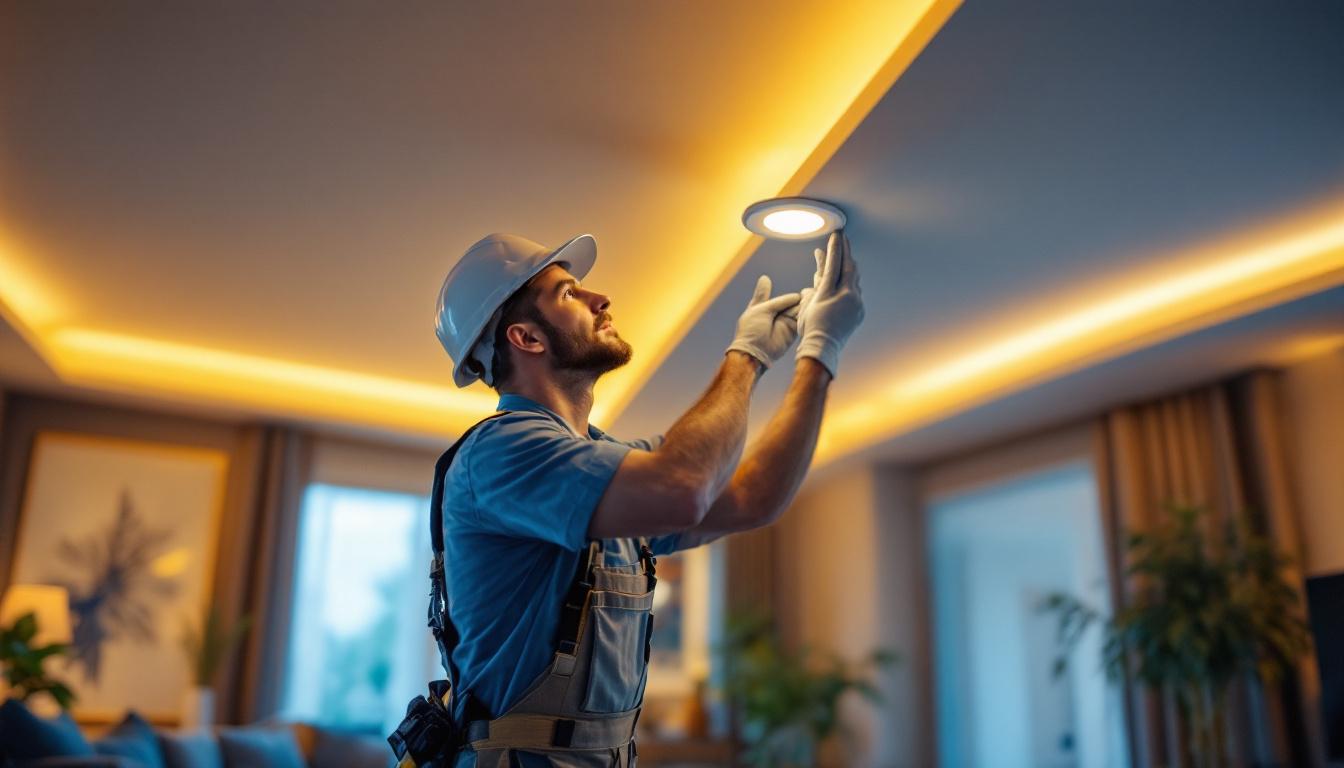
Retrofitting recessed lighting with LED technology has become a go-to solution for contractors aiming to deliver energy-efficient, long-lasting, and visually appealing lighting systems. Traditional incandescent or halogen recessed fixtures consume more power and generate excess heat, which can lead to higher energy bills and maintenance costs. LEDs, on the other hand, offer a dramatic reduction in energy consumption—often cutting usage by 50% or more—while providing superior light quality and lifespan.
Beyond energy savings, LEDs bring flexibility in design and control. Dimmability, color temperature options, and compatibility with smart controls make LED retrofits a versatile choice for residential, commercial, and industrial projects. For contractors, this means the ability to tailor lighting solutions to client needs while staying within budget and code requirements.
Moreover, the environmental benefits of switching to LED technology cannot be overlooked. LEDs are free from hazardous materials such as mercury, which is commonly found in fluorescent lighting. This makes them a safer choice for both installation and disposal, aligning with sustainable practices that many clients are increasingly prioritizing. Additionally, the longer lifespan of LED bulbs—often lasting up to 25,000 hours or more—reduces the frequency of replacements, thereby minimizing waste and contributing to a more eco-friendly approach to lighting.
Another significant advantage of retrofitting with LEDs is the enhanced quality of light they provide. Unlike traditional lighting options that can produce a harsh, yellowish glow, LEDs offer a range of color temperatures, from warm white to cool daylight, allowing for a more tailored ambiance in any space. This adaptability is especially beneficial in environments such as art galleries, where the accurate rendering of colors is crucial, or in retail settings, where lighting can influence customer behavior and product presentation. The ability to create a specific mood or highlight architectural features can transform a space, making LED retrofits not just a functional upgrade, but a creative enhancement as well.
Assessing the Existing Setup: What Contractors Need to Know
Evaluating Fixture Compatibility
Before recommending or installing an LED retrofit kit, it’s crucial to assess the existing recessed fixtures thoroughly. Not all fixtures are created equal, and some older housings may not accommodate LED modules without modification. Key factors include the fixture’s size, shape, and heat dissipation capabilities.
Contractors should check the fixture’s label for maximum wattage ratings and compatibility notes. In some cases, the retrofit kit manufacturer provides a list of compatible housings, which can save time and avoid costly mistakes. If the existing fixture lacks proper ventilation or is sealed in a way that traps heat, it may be necessary to upgrade the housing to prevent premature LED failure. Additionally, understanding the specific design and materials of the fixture can help in determining the most effective retrofit solution. For instance, fixtures made from reflective materials may enhance light distribution when paired with the right LED technology, improving overall illumination quality.
Electrical Considerations and Safety
LED retrofits often require different electrical parameters compared to traditional bulbs. The existing wiring and transformers (if any) must be inspected. For example, older low-voltage halogen systems may use magnetic transformers incompatible with LED drivers. Replacing or bypassing these components is essential for proper function.
Safety is paramount. Contractors should ensure all electrical work complies with local codes and standards. Using UL-listed retrofit kits and following manufacturer installation instructions reduces liability and ensures client satisfaction. Furthermore, it’s advisable to conduct a thorough inspection of the entire electrical system, including circuit breakers and wiring integrity, to identify any potential risks that could affect the performance of the new LED system. This proactive approach not only enhances safety but also optimizes energy efficiency, ultimately leading to a more sustainable lighting solution for clients.
Choosing the Right LED Retrofit Kit
Light Output and Color Quality
Light output, measured in lumens, should match or exceed the original fixture’s brightness to maintain or improve room illumination. However, more lumens don’t always mean better lighting. The quality of light, including color rendering index (CRI) and correlated color temperature (CCT), plays a significant role in how spaces feel.
High CRI values (above 80, ideally 90+) ensure colors appear natural and vibrant, which is especially important in retail, hospitality, and residential settings. Color temperature affects mood and functionality; warmer tones (2700K–3000K) create cozy atmospheres, while cooler tones (3500K–4100K) are better suited for workspaces. Additionally, it’s worth noting that some LED retrofit kits offer tunable white options, allowing users to adjust the color temperature according to the time of day or specific activities. This flexibility can enhance the overall user experience, making spaces feel more dynamic and responsive to the needs of their occupants.
Form Factor and Installation Ease
LED retrofit kits come in various shapes and sizes, including baffles, trims, and integrated modules. Selecting a kit that fits snugly into the existing housing simplifies installation and reduces labor time. Some kits feature spring clips or magnetic attachments, which speed up the process and minimize the risk of damage.
Contractors should also consider whether the retrofit kit is IC-rated (insulation contact) and airtight, especially when working in ceilings with insulation. This ensures compliance with energy codes and prevents heat buildup. Furthermore, many manufacturers provide detailed installation guides and customer support, which can be invaluable for less experienced installers. Some kits even come with pre-wired options, eliminating the need for additional wiring and ensuring a safer, quicker installation process. This can be particularly beneficial in large-scale projects where time and efficiency are paramount.
Energy Efficiency and Certifications
Energy Star certification and DLC (DesignLights Consortium) listings are good indicators of a retrofit kit’s efficiency and quality. These certifications often translate to eligibility for utility rebates, which can be a selling point for clients. Higher efficiency means lower operating costs and a smaller environmental footprint.
Moreover, the long lifespan of LED technology, often exceeding 25,000 hours, means that these retrofit kits not only reduce energy consumption but also lower maintenance costs over time. This longevity is particularly advantageous in commercial settings where frequent bulb replacements can disrupt operations and incur additional labor costs. As businesses increasingly prioritize sustainability, the adoption of energy-efficient lighting solutions like LED retrofits aligns with broader environmental goals, making them a smart choice for both economic and ecological reasons.
Installation Best Practices from the Field
Preparation and Site Assessment
Experienced contractors emphasize the importance of thorough site assessment. This includes measuring existing fixtures, checking ceiling conditions, and verifying power sources. Documenting the current state helps avoid surprises during installation and ensures all necessary materials are on hand. Additionally, it is advisable to assess the overall layout of the space, taking note of any architectural features that may impact lighting placement. For instance, high ceilings may require different mounting techniques or additional fixtures to achieve the desired illumination.
Pre-installation meetings with clients can clarify expectations regarding light levels, aesthetics, and control features. This communication reduces callbacks and enhances client satisfaction. During these discussions, contractors can also educate clients about energy efficiency benefits and potential savings on utility bills, which can be a significant selling point. Providing clients with visual aids, such as lighting samples or mock-ups, can further assist in aligning their vision with the practical aspects of the installation.
Step-by-Step Installation Tips
Begin by turning off power to the fixture at the breaker. Remove the existing bulb and trim carefully to avoid damaging the housing. Inspect the socket and wiring for wear or corrosion. It’s also wise to check for any signs of moisture or pest damage, which could indicate underlying issues that need to be addressed before proceeding with the installation. Ensuring a clean workspace can also enhance safety and efficiency during the installation process.
Install the LED retrofit kit according to the manufacturer’s instructions. Pay attention to orientation, especially for directional trims. Secure the retrofit firmly to prevent rattling or loosening over time. After securing the kit, consider using a level to ensure that the fixture is properly aligned, which not only enhances aesthetics but also ensures optimal light distribution. Once installed, restore power and test the fixture. Check for flickering, buzzing, or dimming issues. If the retrofit kit includes dimming capabilities, test with compatible dimmer switches to ensure smooth operation. Documenting any issues encountered during testing can be beneficial for future reference.
Addressing Common Challenges
Contractors often encounter issues such as incompatible dimmers, uneven light distribution, or trim fit problems. Keeping a variety of retrofit kits and accessories on hand can help address these challenges quickly. Additionally, creating a troubleshooting guide based on past experiences can serve as a valuable resource for both new and seasoned contractors, allowing them to resolve issues efficiently and effectively.
For dimmer compatibility, using LED-specific dimmers or universal dimmers designed for LEDs is essential. Uneven lighting may require adjusting the trim or swapping to a different beam angle. Trim fit issues sometimes necessitate minor modifications to the housing or choosing a different style of retrofit kit. Furthermore, educating clients about the importance of proper fixture placement can help mitigate issues related to light distribution, ensuring that they are satisfied with the final outcome. By proactively addressing these common challenges, contractors can enhance their reputation and foster long-term relationships with clients.
Maximizing Client Satisfaction and Project Success
Educating Clients on Benefits and Maintenance
Clients appreciate understanding the value of their investment. Explaining the energy savings, reduced maintenance, and improved lighting quality helps justify retrofit costs. Providing guidance on cleaning and occasional inspections prolongs the life of the installation.
Offering Warranty and Support
Reliable contractors stand behind their work by offering warranties on labor and products. Many LED retrofit kits come with manufacturer warranties ranging from 3 to 5 years. Clear communication about warranty terms and post-installation support builds trust and encourages repeat business.
Leveraging Technology and Trends
Smart lighting controls are increasingly popular. Integrating LED retrofits with occupancy sensors, daylight harvesting systems, and app-based controls can enhance energy savings and user experience. Contractors who stay current with these trends position themselves as forward-thinking experts.
Conclusion: The Contractor’s Edge in LED Retrofits
Retrofitting recessed lighting with LED technology is more than swapping bulbs; it’s about delivering tailored, efficient, and high-quality lighting solutions. Contractors who master fixture assessment, product selection, and installation techniques can significantly improve project outcomes.
By focusing on client education, leveraging certifications, and embracing emerging technologies, lighting contractors not only enhance their reputation but also contribute to a more sustainable built environment. The LED retrofit market continues to grow, and those who invest in expertise and quality will lead the way.
Illuminate Your Projects with LumenWholesale
Ready to take your lighting projects to the next level? At LumenWholesale, we provide you with the high-quality, spec-grade LED retrofit solutions you need to outshine the competition. Enjoy unbeatable wholesale prices and a vast selection that meets rigorous industry standards. With free shipping on bulk orders, we ensure you get the best value without any hidden costs. Elevate your lighting installations with the efficiency, affordability, and convenience of Wholesale Lighting at the Best Value. Partner with LumenWholesale today and light up your success!