Understanding Halogen Bulb Sockets: The Foundation of Effective Lighting
When working with halogen lighting, the socket is more than just a holder-it’s the critical interface between the power source and the bulb. For lighting contractors, knowing the various halogen bulb socket types inside and out is essential. It ensures proper installation, safety, and longevity of the lighting system.
Halogen bulbs come in many shapes and sizes, and their sockets vary accordingly. Misidentifying socket types can lead to incompatible fittings, electrical issues, or even damage to the fixture. Training your team to recognize and handle these sockets correctly is a foundational step in delivering quality lighting solutions.
Why Socket Knowledge Matters for Contractors
Sockets determine how a bulb connects to power and how it fits into the fixture. Using the wrong socket type can cause flickering, overheating, or premature bulb failure. For contractors managing multiple projects, this knowledge prevents costly callbacks and enhances client satisfaction.
Moreover, understanding socket types helps in troubleshooting on-site issues quickly. When a lighting system malfunctions, your team can immediately identify if the problem stems from socket incompatibility or damage, saving time and resources.
In addition to technical knowledge, familiarity with halogen socket types can also enhance the aesthetic appeal of lighting installations. Different sockets can influence the design and functionality of fixtures, allowing for creative flexibility in various environments, from residential to commercial spaces. For instance, G4 and GY6.35 sockets are commonly used in decorative lighting, where the size and shape of the bulb can significantly impact the overall ambiance. This understanding enables contractors to recommend the best options to clients, ensuring that the lighting not only performs well but also complements the intended design.
Furthermore, staying updated on the latest advancements in halogen technology and socket design can provide contractors with a competitive edge. Innovations such as improved heat resistance and energy efficiency in newer socket models can lead to better performance and reduced energy costs for clients. By integrating this knowledge into their service offerings, contractors can position themselves as industry leaders, capable of delivering cutting-edge lighting solutions that meet the evolving needs of their clientele.
Common Halogen Bulb Socket Types and Their Characteristics
Halogen bulbs typically use a few standardized socket types. Each has unique features that affect installation and performance. Here’s a breakdown of the most prevalent socket types your team should master.
G4 and GY6.35 Bi-Pin Sockets
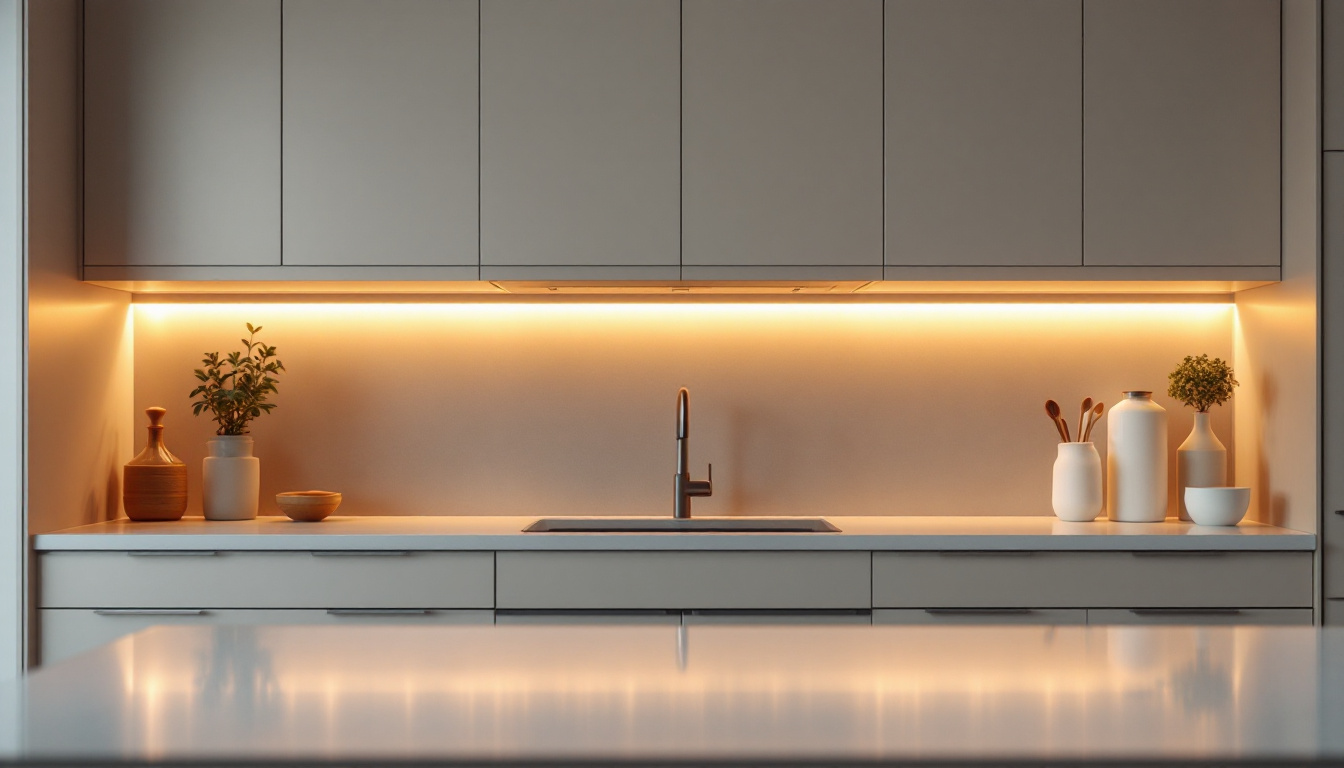
Bi-pin sockets like G4 and GY6.35 are small, compact, and commonly used in low-voltage halogen bulbs. The pins are spaced 4mm apart for G4 and 6.35mm for GY6.35. These sockets are popular in under-cabinet lighting, desk lamps, and some automotive applications.
Training your team to handle these sockets requires emphasizing gentle pin insertion and ensuring the pins align perfectly with the socket holes. Because these bulbs operate at low voltage, it’s also crucial to verify the transformer compatibility during installation. Additionally, it’s important to educate your team on the potential for heat buildup in enclosed spaces, which can lead to premature bulb failure. Regular maintenance checks can help identify any signs of wear in the socket or bulb, ensuring a safe and efficient lighting solution.
GU10 Twist-and-Lock Sockets
GU10 sockets are a staple in mains-voltage halogen bulbs, especially in track lighting and recessed downlights. The bulb features two short pins with small knobs that twist into the socket to lock in place. This design provides a secure connection and easy bulb replacement.
For contractors, teaching the twist-and-lock mechanism is straightforward but vital. The team must avoid forcing the bulb, which can damage the pins or socket. Additionally, ensuring the socket is free from debris before installation prevents poor electrical contact. It’s also beneficial to inform your team about the various wattage options available for GU10 bulbs, as this can impact the overall lighting quality and energy consumption. Understanding the lumens output and color temperature of different GU10 bulbs can help in selecting the right bulb for specific applications, enhancing the overall aesthetic and functionality of the lighting setup.
R7s Linear Sockets
R7s sockets accommodate linear halogen bulbs, often used in floodlights and security lighting. These sockets have spring-loaded clips that hold the bulb firmly in place. Because the bulbs are elongated and operate at high wattages, proper socket handling is critical to avoid overheating and electrical hazards.
Training should focus on safely compressing the clips during bulb replacement and inspecting sockets for signs of wear or corrosion. Since R7s bulbs generate significant heat, ensuring the socket and fixture materials are rated for high temperatures is a must. Furthermore, it’s essential to educate your team on the importance of proper positioning and alignment of the R7s bulbs within the fixture to maximize light output and efficiency. Regularly scheduled inspections can help catch any potential issues before they escalate, ensuring that the lighting remains effective and safe.
GY9.5 and G9 Sockets
GY9.5 and G9 sockets are bi-pin but designed for higher wattage halogen bulbs, commonly found in decorative and accent lighting. The pins are thicker and spaced differently than smaller bi-pin types, requiring precise matching to avoid loose connections.
Teams should be trained to check socket integrity and confirm bulb compatibility before installation. Given the higher wattage, verifying the fixture’s heat tolerance and ventilation is also essential to maintain safety and bulb lifespan. Additionally, understanding the role of dimmable options with GY9.5 and G9 bulbs can enhance the versatility of the lighting design. Training on the use of compatible dimmer switches will empower your team to offer clients a broader range of lighting solutions, creating atmospheres that can be easily adjusted to suit various occasions and preferences.
Training Strategies for Lighting Teams: From Basics to Expertise
Passing on knowledge about halogen bulb socket types isn’t just about sharing facts. It’s about building confidence and competence so your team can work efficiently and safely. Here are some effective training approaches tailored for lighting contractors.
Hands-On Workshops with Real Components
Nothing beats practical experience. Organize workshops where team members handle various halogen bulbs and sockets. Let them practice inserting and removing bulbs, identifying socket types, and troubleshooting common issues like poor contacts or socket damage.
Use a variety of fixtures and bulbs to expose the team to real-world scenarios. This hands-on approach helps cement theoretical knowledge and develops muscle memory, reducing mistakes on the job.
Visual Aids and Reference Materials
Provide clear, detailed diagrams and photos showing different socket types and their pin configurations. Laminated quick-reference cards or posters in the workshop can serve as handy reminders during installations.
Incorporate videos demonstrating correct installation techniques and common pitfalls. Visual learning supports retention and helps team members who may struggle with purely verbal instructions.
Safety Emphasis in Training
Halogen bulbs operate at high temperatures and voltages, so safety cannot be overstated. Train your team on proper handling to avoid burns, electrical shocks, and fixture damage. This includes wearing gloves during bulb replacement, ensuring power is off before working on fixtures, and recognizing signs of socket overheating or damage.
Safety protocols should be integrated into every training session, making them second nature rather than an afterthought.
Regular Knowledge Refreshers and Updates
Lighting technology evolves, and so do industry standards. Schedule periodic refresher courses to keep the team updated on new socket types, installation best practices, and safety regulations. This ongoing education helps maintain high workmanship standards and prepares the team for emerging lighting technologies.
Tools and Techniques to Support Socket Training and Installation
Equipping your team with the right tools and techniques can streamline halogen bulb socket handling and reduce errors. Here’s what to consider incorporating into your training and daily operations.
Socket Testers and Voltage Meters
Before installing a bulb, verifying socket voltage and continuity is crucial. Socket testers designed for halogen fixtures can quickly identify wiring issues or socket faults. Training your team to use these devices ensures bulbs aren’t damaged by incorrect voltage or faulty sockets.
Multimeters can also help check for proper voltage levels and detect short circuits, adding another layer of quality control.
Proper Cleaning and Maintenance Tools
Halogen bulbs are sensitive to oils and dirt, which can cause hotspots and shorten bulb life. Similarly, sockets must be clean to ensure good electrical contact. Provide microfiber cloths, contact cleaners, and appropriate brushes for socket maintenance.
Training should include cleaning techniques and schedules to keep fixtures in optimal condition, reducing downtime and enhancing lighting performance.
Labeling and Inventory Management
Organizing bulbs and sockets by type and size prevents mix-ups on the job site. Use clear labeling systems and maintain an inventory that matches the common socket types your team encounters. This organization supports efficient workflow and reduces installation errors.
Common Challenges and How to Overcome Them
Even with thorough training, lighting contractors face challenges related to halogen bulb sockets. Anticipating these issues and preparing your team to handle them is key to smooth project execution.
Socket Damage and Wear
Repeated bulb replacements can wear out sockets, causing loose connections or electrical arcing. Train your team to inspect sockets regularly for signs of damage such as discoloration, corrosion, or physical deformation. Early detection allows for timely socket replacement, preventing fixture failure.
Compatibility Confusion
With many socket types that look similar, confusion can arise. Emphasize the importance of double-checking bulb and socket specifications before installation. Encourage the use of manufacturer datasheets and technical guides as references.
Heat Management Issues
Halogen bulbs generate intense heat, which can affect socket integrity and fixture safety. Train your team to verify that fixtures have adequate ventilation and that sockets are rated for the bulb wattage used. Installing bulbs with wattage exceeding socket ratings is a common mistake that leads to premature failures.
Building a Culture of Expertise in Lighting Installation
Training your team on halogen bulb socket types is more than a technical exercise-it’s about cultivating a culture of expertise and pride in workmanship. When contractors understand the nuances of their materials, they deliver superior results and build trust with clients.
Encourage open communication where team members share insights and experiences with different socket types. Recognize and reward attention to detail and safe practices. Over time, this approach transforms routine installations into opportunities for professional growth and excellence.
Equip Your Team with the Best in Lighting from LumenWholesale
Ready to elevate your lighting installations to the next level? At LumenWholesale, we provide the essential tools and resources to ensure your team is well-equipped with high-quality, spec-grade lighting products. With unbeatable wholesale prices and a commitment to cutting out unnecessary markups, we’re here to support your projects with reliable and high-performance lighting solutions. Take advantage of our hassle-free bulk buying and free shipping to get premium lighting at the best value. Don’t settle for less; choose LumenWholesale for quality, affordability, and convenience. Discover our extensive selection and start transforming your lighting installations today by visiting Wholesale Lighting at the Best Value.