Why 100W Metal Halide Lamps Still Matter in Modern Lighting
Metal halide lamps have been a staple in commercial and industrial lighting for decades. Despite the rise of LED technology, the 100W metal halide lamp holds a unique position in the market. Its high luminous efficacy, excellent color rendering, and relatively low upfront cost make it a reliable choice for many applications.
Lighting contractors often encounter projects where the balance between performance and budget is critical. The 100W metal halide lamp offers a middle ground—providing bright, white light that enhances visibility without the premium price tag of some LED solutions. This makes it especially relevant for warehouses, sports facilities, and outdoor lighting where broad, intense illumination is necessary.
Moreover, the color rendering index (CRI) of metal halide lamps typically ranges from 80 to 90, which is particularly advantageous in environments where accurate color perception is essential. For instance, in retail spaces, the ability to illuminate products in their true colors can significantly influence customer purchasing decisions. Additionally, metal halide lamps maintain their performance over time, providing consistent light output and color quality, which is crucial for maintaining a welcoming and effective atmosphere in commercial settings.
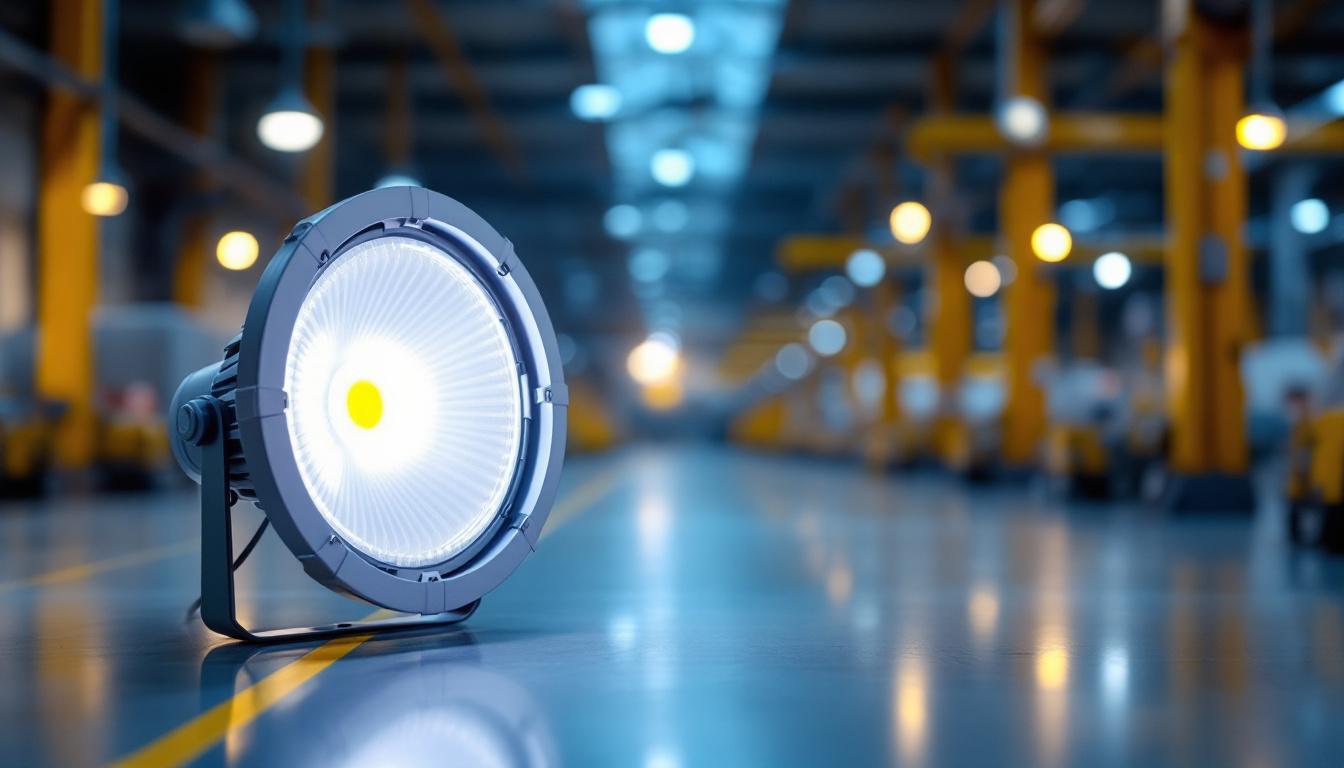
Another noteworthy aspect of 100W metal halide lamps is their versatility. They can be used in various fixtures, including high-bay and low-bay applications, making them suitable for everything from gymnasiums to manufacturing plants. Their ability to withstand harsh conditions, such as extreme temperatures and vibrations, further cements their place in industries that require durable lighting solutions. As businesses continue to seek effective ways to manage energy costs while maintaining high-quality lighting, the 100W metal halide lamp remains a viable option, particularly in transitional phases where companies are gradually upgrading their lighting systems to more energy-efficient alternatives.
Key Trends Shaping the Use of 100W Metal Halide Lamps
Shift Toward Retrofit Solutions
One noticeable trend is the increasing demand for retrofit kits that allow existing metal halide fixtures to be upgraded without complete replacement. Contractors appreciate retrofit options because they minimize labor and material costs while extending the life of existing infrastructure. Retrofit kits designed for 100W metal halide lamps typically include LED modules that fit into the original fixture housing, providing improved energy efficiency and longer lifespan.
These kits also address concerns about ballast compatibility and reduce maintenance frequency, which is a significant advantage in hard-to-reach installations like high-bay warehouses or street lighting poles. Moreover, the ease of installation associated with retrofit solutions means that downtime can be minimized, allowing businesses to maintain their operations with little disruption. This is particularly beneficial for facilities that rely on consistent lighting for safety and productivity, such as manufacturing plants and distribution centers.
Focus on Energy Efficiency and Sustainability
Energy codes and sustainability goals continue to push contractors toward more efficient lighting solutions. While metal halide lamps are less efficient than LEDs, 100W metal halide lamps still outperform older, higher wattage HID lamps in energy consumption. This makes them a transitional option for projects where immediate full-scale LED upgrades are not feasible.
Additionally, some manufacturers have improved the design of metal halide lamps to increase lumen output per watt and reduce warm-up times. These enhancements help contractors meet tighter energy budgets and reduce operational costs for their clients. Furthermore, the growing emphasis on sustainability has led to the development of lamps that contain fewer harmful materials and are easier to recycle, aligning with the environmental goals of many organizations. As businesses strive to reduce their carbon footprint, the role of efficient lighting solutions like 100W metal halide lamps becomes increasingly critical in achieving these objectives.
Improved Color Rendering and Light Quality
Color rendering is critical in environments like retail spaces, sports arenas, and manufacturing plants where accurate color perception affects productivity and safety. Recent advances in metal halide lamp technology have improved the Color Rendering Index (CRI) and correlated color temperature (CCT) options available in 100W models.
Contractors can now specify lamps that deliver crisp, natural light with CRI values exceeding 80, which is adequate for many commercial applications. This improvement helps metal halide lamps remain competitive against LEDs, especially in settings that require high-quality light without the harshness sometimes associated with early LED products. Additionally, the ability to choose from a wider range of CCT options allows for greater flexibility in lighting design, enabling contractors to create the desired ambiance or functionality tailored to specific spaces. For example, warmer tones can enhance customer experiences in retail settings, while cooler tones may be preferred in industrial environments where precision is paramount.
Practical Considerations for Lighting Contractors
Installation and Maintenance Challenges
While metal halide lamps are familiar to most contractors, their installation and maintenance require attention to detail. These lamps require a warm-up period to reach full brightness and a cool-down period before restrike, which can impact operational efficiency in some environments. This delay can be particularly problematic in settings where immediate lighting is essential, such as in warehouses or manufacturing facilities where safety and productivity are paramount.
Contractors should advise clients on these characteristics to set proper expectations. Additionally, metal halide lamps contain small amounts of mercury, necessitating careful handling and disposal in compliance with environmental regulations. It is also important for contractors to stay updated on local laws regarding hazardous waste disposal, as improper disposal can lead to significant fines and environmental harm. Regular training for maintenance staff on the safe handling of these lamps can further mitigate risks associated with their use.
Compatibility with Control Systems
Modern lighting control systems increasingly incorporate dimming, occupancy sensing, and daylight harvesting. Traditional metal halide lamps are not inherently compatible with many of these controls due to their ballast and ignition requirements. This lack of compatibility can limit the ability to fully leverage the energy-saving features that modern systems offer, potentially leading to higher operational costs over time.
However, some manufacturers offer advanced electronic ballasts that enable limited dimming and faster start-up times for 100W metal halide lamps. Contractors should evaluate the compatibility of these ballasts with existing or planned control systems to optimize energy savings and user experience. Furthermore, understanding the nuances of these systems can help contractors provide tailored solutions that enhance the overall functionality of the lighting setup, ensuring that clients receive the maximum benefit from their investment in technology.
Cost-Benefit Analysis: Metal Halide vs. LED
When advising clients, contractors must weigh the upfront and lifecycle costs of metal halide lamps against LED alternatives. Although LEDs generally offer superior energy efficiency and longer lifespan, the initial investment can be significantly higher, especially when retrofitting large facilities. This is particularly relevant in industries with tight profit margins, where every dollar spent must be justified by a corresponding return on investment.
In scenarios where budget constraints are tight or where existing fixtures are in good condition, the 100W metal halide lamp remains a viable option. It provides solid performance at a manageable cost, especially when paired with retrofit kits or improved ballasts. Additionally, contractors should consider the potential for energy rebates or incentives that may be available for transitioning to LED technology, which could help offset the initial costs and make the switch more appealing to clients. By providing a comprehensive analysis that includes potential savings from reduced energy consumption and maintenance, contractors can help clients make informed decisions that align with their financial goals.
Emerging Technologies Impacting Metal Halide Lamp Use
Hybrid Lighting Systems
Hybrid lighting systems that combine metal halide lamps with LED components are gaining traction. These systems leverage the immediate brightness and color quality of metal halide lamps with the energy-saving benefits of LEDs for ambient or supplementary lighting.
For lighting contractors, understanding how to integrate these hybrid solutions can open new business opportunities, particularly in large-scale commercial projects where phased upgrades are necessary.
Smart Lighting Integration
Smart lighting technologies are transforming how lighting systems are controlled and monitored. While LEDs dominate this space, metal halide lamps are slowly being incorporated into smart ecosystems through compatible ballasts and control modules.
Contractors who stay informed about these developments can offer clients enhanced functionality such as remote monitoring, predictive maintenance alerts, and adaptive lighting schedules that improve operational efficiency.
Best Practices for Specifying 100W Metal Halide Lamps
Assessing Application Needs
Before specifying a 100W metal halide lamp, contractors should thoroughly assess the lighting requirements of the space. Consider factors like ceiling height, ambient light levels, and the tasks performed in the area. Metal halide lamps excel in high-bay and outdoor applications where intense, broad illumination is necessary.
Choosing the Right Lamp Characteristics
Select lamps with appropriate color temperature and CRI for the application. For example, a 4000K lamp with a CRI of 85 is suitable for retail and manufacturing, while a warmer 3000K might be preferred for hospitality settings. Matching lamp characteristics to the environment enhances visual comfort and performance.
Ensuring Proper Fixture Compatibility
Compatibility between the lamp, ballast, and fixture is crucial for optimal performance and longevity. Contractors should verify that the ballast supports the specific 100W metal halide lamp model and that the fixture can handle the lamp’s heat output and physical dimensions.
Planning for Maintenance and Replacement
Metal halide lamps have a finite lifespan, typically between 10,000 and 20,000 hours. Contractors should establish a maintenance schedule and advise clients on replacement timelines to avoid unexpected outages. Keeping spare lamps and ballasts on hand can minimize downtime in critical applications.
Conclusion: Staying Ahead with 100W Metal Halide Lamps
The 100W metal halide lamp remains a relevant and practical lighting solution for many contractors. Its balance of performance, cost, and light quality ensures it will continue to play a role in commercial and industrial lighting projects. By understanding current trends, emerging technologies, and best practices, lighting contractors can confidently specify and install these lamps to meet client needs effectively.
Keeping an eye on retrofit options, energy efficiency improvements, and smart integration will position contractors as knowledgeable partners in delivering reliable, high-quality lighting solutions. Whether as a transitional technology or a long-term choice, the 100W metal halide lamp deserves a place in the contractor’s toolkit.
Illuminate Your Projects with LumenWholesale
Ready to enhance your lighting projects with the reliable performance of 100W metal halide lamps? Look no further than LumenWholesale for all your lighting needs. Our commitment to quality and affordability ensures that you get the best value on spec-grade lighting products. Say goodbye to inflated prices and hello to a vast selection of top-tier lighting solutions that meet the highest industry standards. Plus, with free shipping on bulk orders, you can stock up on premium lighting without worrying about hidden costs. Elevate your lighting game and experience the convenience of shopping with LumenWholesale. Wholesale Lighting at the Best Value is just a click away.