Understanding the Basics of Cut In Can Lights
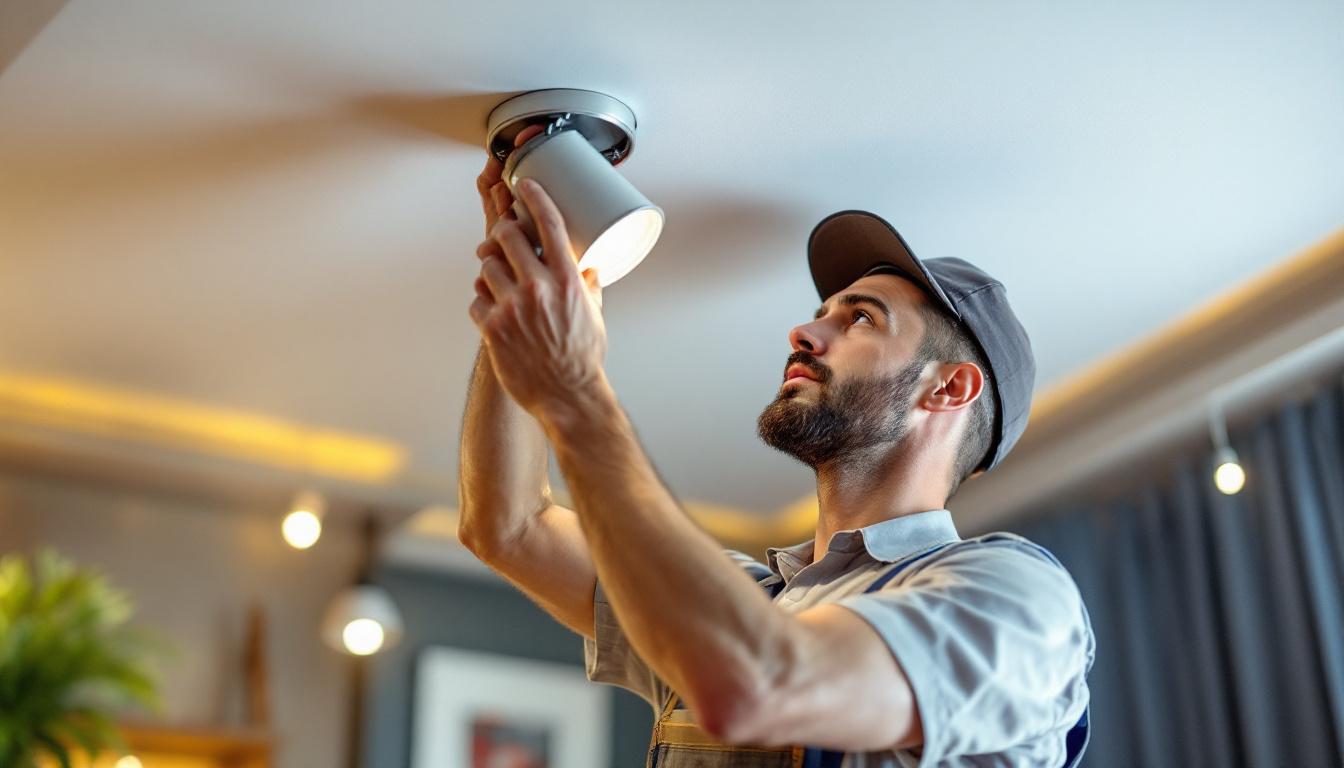
Cut in can lights, often called recessed lights or downlights, are a popular choice for modern residential and commercial lighting. These fixtures sit flush with the ceiling, creating a clean, streamlined look that many clients find appealing. Unlike traditional surface-mounted fixtures, cut in cans require precise installation because they involve cutting into the ceiling drywall or plaster. This unique installation method not only contributes to a sleek aesthetic but also allows for versatile lighting arrangements that can enhance the overall ambiance of a space.
Clients expect lighting contractors to have a thorough grasp of the technical aspects of these fixtures, including the types of housings, trim options, and bulb compatibility. This knowledge ensures that the lighting not only looks good but performs efficiently and safely. Moreover, understanding the nuances of light placement can significantly affect the mood and functionality of a room. For example, strategically placed recessed lighting can highlight architectural features or artwork, creating focal points that draw the eye and enhance the design of the interior.
Types of Cut In Can Light Housings
There are primarily two types of housings: new construction and remodel. New construction housings are designed to be installed before the ceiling is finished, typically attached to ceiling joists. Remodel housings, on the other hand, are designed for existing ceilings and can be installed through a cutout hole without access to the joists. Understanding the differences between these two types is crucial for contractors, as it affects not only the installation process but also the overall integrity of the lighting design.
Lighting contractors must be adept at identifying which housing type suits the project. A remodel job requires different tools and techniques compared to new construction. Clients expect contractors to recommend the best option based on the ceiling type, accessibility, and aesthetic goals. Additionally, considerations such as insulation and airflow can impact the choice of housing, particularly in energy-efficient homes where maintaining temperature control is essential. Properly selecting and installing the right housing can lead to improved energy efficiency and lower utility bills, making it a key factor in client satisfaction.
Trim and Bulb Compatibility
The trim of a cut in can light affects both the fixture’s appearance and its light distribution. Options range from baffle trims that reduce glare to reflector trims that enhance brightness. Clients often look for advice on which trim will best suit their space, whether it’s a cozy living room or a bright kitchen. The choice of trim can also influence the overall style of the room; for instance, a sleek, modern trim might be more appropriate for a contemporary space, while a more decorative trim could complement traditional or rustic interiors.
Additionally, bulb choice—LED, halogen, or incandescent—impacts energy efficiency and light quality. LED bulbs are increasingly favored for their longevity and low energy use, but contractors should be prepared to discuss the pros and cons of each type with clients. Factors such as color temperature, lumens, and dimmability can greatly affect the functionality of the lighting in a space. For example, a warmer color temperature may create a more inviting atmosphere in a dining area, while cooler temperatures might be better suited for task-oriented spaces like home offices. Understanding these nuances allows contractors to provide tailored recommendations that align with their clients’ specific needs and preferences, ensuring a successful lighting installation.
Installation Challenges and Client Expectations
Installing cut in can lights is not as straightforward as it might seem. Clients expect contractors to handle the challenges that come with cutting into ceilings without causing damage or compromising structural integrity.
Precision Cutting and Ceiling Integrity
The first step in installation involves cutting a hole in the ceiling that matches the size of the housing. This requires precision to avoid uneven edges or damage to surrounding materials. Contractors often use specialized hole saws or templates to achieve a perfect fit.
Clients expect the ceiling to look pristine after installation. Any rough cuts or cracks can lead to dissatisfaction and potential callbacks. Proper technique and tools are essential to meet this expectation. Additionally, the type of ceiling material can pose its own set of challenges; for instance, drywall, plaster, or even textured ceilings may require different cutting methods and tools. Understanding the nuances of each material allows contractors to adapt their approach, ensuring a clean and professional finish that aligns with client expectations.
Electrical Safety and Code Compliance
Cut in can lights involve working with electrical wiring, which must be handled safely and in compliance with local building codes. Clients trust contractors to ensure that all wiring is correctly connected, insulated, and grounded.
Contractors should be familiar with the National Electrical Code (NEC) requirements for recessed lighting, including clearances from insulation and fire-rated housings. Using IC-rated fixtures when insulation is present is critical to prevent overheating and fire hazards. Moreover, clients often appreciate transparency in the installation process, so providing them with information about the safety measures taken can enhance their confidence in the work being done. This communication can also extend to discussing the importance of using quality materials and components, which can significantly impact the longevity and safety of the lighting installation.
Energy Efficiency and Heat Management
Modern clients are increasingly conscious of energy consumption. Lighting contractors are expected to recommend energy-efficient solutions that reduce electricity bills and environmental impact.
Cut in can lights generate heat, especially when using halogen or incandescent bulbs. Proper heat management through IC-rated housings and adequate ventilation is crucial. Contractors should educate clients on these factors to avoid future problems like premature bulb failure or ceiling damage. Furthermore, with the rise of LED technology, contractors have the opportunity to discuss the benefits of LED can lights, which not only consume less energy but also produce less heat. Educating clients about the long-term savings and environmental benefits of switching to LED can help them make informed decisions, ultimately leading to greater satisfaction with their lighting choices. Additionally, offering options for smart lighting systems can further enhance energy efficiency and provide clients with customizable control over their home lighting, aligning with modern trends in home automation.
Design Considerations and Client Preferences
Beyond technical expertise, lighting contractors must understand design principles to meet client expectations. Cut in can lights can dramatically influence the ambiance and functionality of a space.
Spacing and Layout Planning
Clients rely on contractors to plan the layout of recessed lights for optimal illumination. Incorrect spacing can result in uneven lighting, dark spots, or excessive brightness.
A common rule of thumb is to space lights approximately 4 to 6 feet apart, but this varies depending on ceiling height, room size, and purpose. For example, a kitchen may require more focused task lighting, while a living room benefits from softer, evenly distributed light.
Layering Light with Other Fixtures
Cut in can lights rarely stand alone. Clients often want them integrated with other lighting types like pendants, sconces, or chandeliers. Contractors should advise on how recessed lights complement these fixtures to create layered lighting schemes that enhance both aesthetics and functionality.
Color Temperature and Dimming Options
Lighting color temperature affects mood and usability. Warm white (2700K–3000K) creates a cozy atmosphere, while cool white (3500K–4100K) is better for workspaces. Clients expect contractors to guide them in selecting the right temperature for each room.
Dimming capabilities add flexibility, allowing clients to adjust light levels according to time of day or activity. Contractors should be knowledgeable about compatible dimmers and bulbs to ensure smooth operation.
Common Mistakes Lighting Contractors Should Avoid
Clients expect professionalism and expertise. Avoiding common pitfalls can set a contractor apart and build trust.
Improper Hole Sizing and Placement
Cutting holes that are too large or too small can cause installation headaches. Too large, and the fixture won’t sit securely; too small, and the housing won’t fit. Both scenarios can lead to costly rework and client dissatisfaction.
Accurate measurements and the use of templates are essential. Contractors should double-check dimensions before cutting.
Ignoring Insulation and Fire Safety Requirements
Failing to use IC-rated housings in insulated ceilings can cause overheating and fire risks. Clients expect contractors to prioritize safety and adhere to code requirements.
Contractors should also ensure that wiring and fixtures maintain proper clearances to prevent hazards.
Overlooking Aesthetic Details
Clients notice when trims don’t match or when fixtures are misaligned. Lighting contractors should pay attention to these details, ensuring trims are flush with the ceiling and consistent in style.
Finishing touches like caulking around the trim or painting the ceiling can make a big difference in client satisfaction.
Maintenance and Troubleshooting Tips Clients Value
Clients appreciate when contractors provide guidance on maintaining their cut in can lights and troubleshooting common issues.
Replacing Bulbs and Trims
Contractors should inform clients about the ease or difficulty of replacing bulbs and trims. LED bulbs, for instance, last much longer than incandescent, reducing maintenance frequency.
Clients also benefit from knowing which trims are compatible with their fixtures, especially if they want to update the look later.
Addressing Flickering or Dim Lights
Flickering can indicate loose wiring, incompatible dimmers, or failing bulbs. Contractors who educate clients on these symptoms help prevent unnecessary service calls.
Offering troubleshooting advice or maintenance contracts can enhance client trust and satisfaction.
Cleaning and Dusting Recommendations
Dust and debris can accumulate inside recessed fixtures, diminishing light output. Clients often overlook this, so contractors should recommend periodic cleaning using safe methods to maintain brightness and fixture longevity.
Why Clients Choose Experienced Lighting Contractors for Cut In Can Lights
Cut in can light installation is a specialized skill that combines electrical knowledge, precision carpentry, and design insight. Clients expect lighting contractors to bring all these elements together seamlessly.
Experience translates into fewer mistakes, faster installation, and better overall results. It also means contractors can anticipate challenges and offer solutions that save time and money.
Ultimately, clients want peace of mind knowing their lighting is safe, efficient, and enhances their space beautifully. Demonstrating expertise in cut in can lights builds credibility and leads to repeat business and referrals.
Get Your Premium Cut In Can Lights at LumenWholesale
Ready to elevate your lighting installations with the expertise clients trust and the quality they demand? Look no further than LumenWholesale for all your cut in can light needs. Our extensive selection of spec-grade lighting products ensures you have access to the best in the industry, all at unbeatable wholesale prices. Say goodbye to local distributor markups and hello to superior lighting that doesn’t break the bank. With free shipping on bulk orders, LumenWholesale is your go-to source for reliable, high-performance lighting that meets the highest standards. Enhance your projects with the perfect blend of quality, affordability, and convenience. Take the next step in client satisfaction and Wholesale Lighting at the Best Value today!