Understanding the Role of Decorative Motion Detector Lights
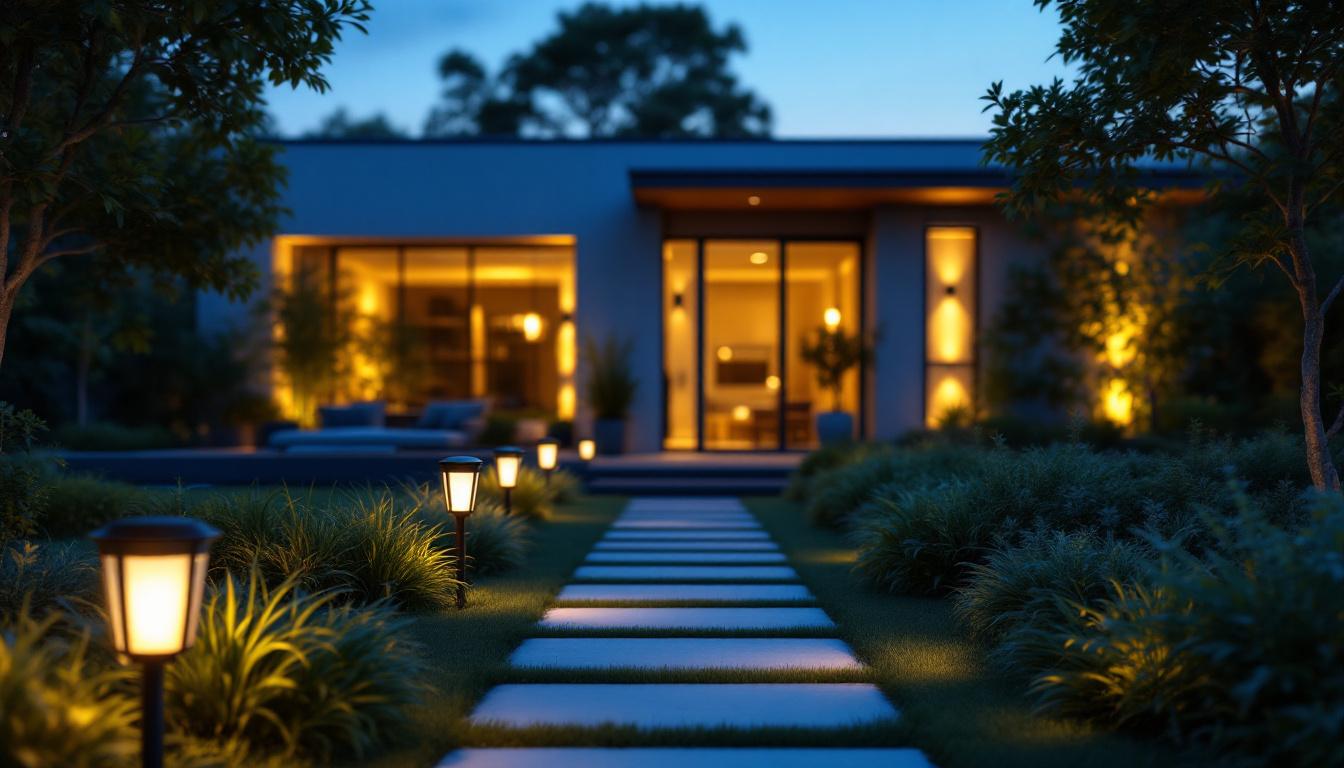
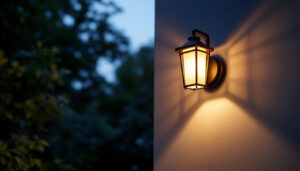
Motion detector lights have long been valued for their security benefits—deterring intruders and illuminating dark areas only when needed. However, the decorative aspect of these lights is increasingly becoming a critical factor for lighting contractors. Clients want their outdoor lighting to be both functional and visually appealing, blending seamlessly with architectural styles and landscape designs.
Decorative motion detector lights serve a dual purpose: they enhance safety and add aesthetic value. For contractors, this means selecting fixtures that not only respond reliably to motion but also complement the property’s overall look. A well-chosen fixture can elevate curb appeal, increase property value, and satisfy clients who prioritize design as much as security.
Moreover, the variety of styles available in decorative motion detector lights has expanded significantly, offering options that range from sleek modern designs to more traditional lantern styles. This diversity allows homeowners to express their personal taste while ensuring that their outdoor spaces remain safe and well-lit. For instance, a contemporary home might benefit from minimalist fixtures with integrated LED technology, while a classic Victorian residence could be enhanced by ornate sconces that evoke a sense of timeless elegance. The integration of smart technology into these lights also allows for customizable settings, enabling homeowners to adjust brightness levels and motion sensitivity according to their specific needs.
Furthermore, energy efficiency is another important consideration that has become a focal point in the selection of decorative motion detector lights. With advancements in LED technology, these fixtures not only provide adequate illumination but also consume significantly less energy compared to traditional lighting sources. This is particularly appealing to environmentally conscious clients who are looking to reduce their carbon footprint while maintaining a stylish outdoor ambiance. The combination of energy efficiency, aesthetic appeal, and security features makes decorative motion detector lights an essential element in modern outdoor design, reflecting a growing trend toward sustainable and visually pleasing home environments.
Choosing the Right Fixtures: Balancing Functionality and Style
Fixture Design and Material Selection
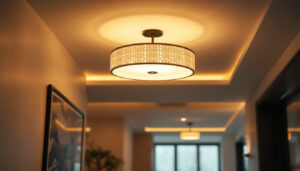
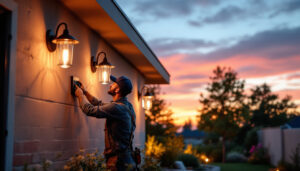
When selecting decorative motion detector lights, the design should harmonize with the building’s architecture. For example, a sleek, modern home might call for minimalist fixtures with clean lines and matte finishes, while a traditional or rustic property could benefit from lantern-style lights with bronze or copper tones. The choice of design not only enhances the aesthetic appeal of the property but also contributes to its overall curb appeal, making it more inviting to guests and passersby alike.
Materials matter, too. Durable metals like aluminum and brass resist corrosion and weathering, ensuring longevity. Glass elements should be tempered or frosted to diffuse light softly, avoiding harsh glare. For coastal or humid environments, corrosion-resistant coatings are essential to maintain appearance and function over time. Additionally, considering the environmental impact of materials is increasingly important; opting for sustainable or recycled materials can enhance the eco-friendliness of your lighting choices, appealing to environmentally conscious homeowners.
Sensor Technology and Coverage
Advanced sensor technology is a must for effective motion detection. Passive infrared (PIR) sensors remain the industry standard due to their reliability and energy efficiency. However, newer models incorporate dual-sensor systems combining PIR with microwave sensors, reducing false triggers caused by pets or environmental factors like wind and rain. This innovation not only improves the user experience but also contributes to energy savings, as lights are activated only when needed.
Contractors should evaluate the sensor’s detection range and angle to ensure comprehensive coverage without over-illumination. Adjustable sensors allow customization on-site, which is crucial for accommodating different property layouts. For example, a narrow driveway might require a focused detection zone, while a wide backyard benefits from broader coverage. Furthermore, integrating smart technology can enhance these systems, allowing homeowners to control their lighting remotely through mobile apps, set schedules, or receive alerts when motion is detected, adding an extra layer of convenience and security to their property.
Installation Best Practices for Optimal Performance
Positioning and Mounting
Proper placement is critical. Motion detector lights should be mounted at a height of 6 to 10 feet for optimal sensor performance and light distribution. Positioning near entry points, pathways, and dark corners maximizes security benefits. Avoid aiming sensors toward busy streets or areas with frequent animal activity to minimize false activations.
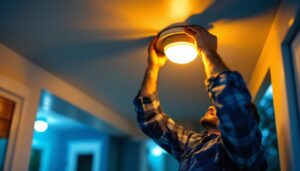
Mounting fixtures securely is equally important. Vibration or movement can trigger false alarms or damage the sensor. Use sturdy brackets and ensure wiring is protected from weather exposure. In some cases, recessed or semi-recessed mounting enhances the decorative appeal by integrating the fixture more subtly into the structure. Additionally, consider the angle of the sensor; a slight downward tilt can help capture motion more effectively while reducing the chance of overlooking potential intruders. This thoughtful approach not only enhances security but also contributes to the overall aesthetic of the property.
Wiring and Power Considerations
Wiring must comply with local electrical codes, and contractors should always prioritize safety. Low-voltage systems are popular for their ease of installation and energy efficiency, especially when paired with LED lighting. For larger properties, consider integrating motion detector lights with smart home systems or centralized controls to streamline operation and maintenance. This integration allows homeowners to customize their lighting schedules and monitor their systems remotely, providing both convenience and peace of mind.
Solar-powered motion detector lights offer an eco-friendly alternative, particularly in areas with ample sunlight. However, contractors should assess the site’s solar exposure carefully, as shaded or north-facing locations may reduce effectiveness. Battery life and maintenance requirements should also be discussed with clients upfront. It’s also worth noting that advancements in solar technology have led to more efficient panels and longer-lasting batteries, making these systems increasingly reliable. Educating clients on the benefits of modern solar solutions can help them make informed decisions that align with their sustainability goals while ensuring adequate lighting coverage for safety and security.
Customization and Client Consultation
Understanding Client Needs and Preferences
Every client has unique priorities. Some may emphasize security above all else, while others want the lighting to create ambiance or highlight landscaping features. A thorough consultation helps contractors tailor solutions that meet both functional and aesthetic goals.
Questions to explore include:
- What areas need coverage?
- Preferred fixture styles and finishes?
- Desired light color temperature (warm vs. cool)?
- Integration with existing lighting or smart home systems?
Taking time to understand these factors prevents costly rework and ensures client satisfaction.
Offering Lighting Controls and Automation
Modern motion detector lights often come with adjustable settings for sensitivity, duration, and light intensity. Contractors should educate clients on these features to optimize usage and energy savings. For example, reducing sensitivity can prevent lights from triggering due to small animals, while adjusting duration controls how long the light stays on after activation.
Integration with timers, dimmers, or smartphone apps adds convenience and customization. These options appeal to tech-savvy clients and can differentiate a contractor’s service offering in a competitive market.
Maintenance and Troubleshooting Tips
Routine Inspection and Cleaning
Motion detector lights require periodic maintenance to maintain performance and appearance. Sensors and lenses should be cleaned regularly to remove dust, spider webs, or debris that could impair detection. Fixtures exposed to salt air or pollutants may need more frequent attention.
Inspect wiring and mounting hardware for signs of wear or corrosion. Early detection of issues prevents downtime and extends the life of the installation.
Common Issues and Solutions
False triggers are a frequent complaint. Causes include:
- Nearby heat sources such as HVAC units or reflective surfaces.
- Animals moving within sensor range.
- Strong winds causing vegetation movement.
Solutions involve adjusting sensor angle, sensitivity, or installing physical barriers like bushes or fencing to limit detection zones.
Another issue is inconsistent lighting due to bulb failure or power fluctuations. Using LED bulbs with long lifespans and stable power supplies can mitigate this. Always recommend high-quality components to clients to reduce service calls.
Trends and Innovations Lighting Contractors Should Watch
Smart Lighting Integration
Smart home technology continues to transform outdoor lighting. Motion detector lights that connect to Wi-Fi or Zigbee networks allow remote control, scheduling, and integration with security systems. Contractors can offer clients enhanced security features such as real-time alerts and video integration alongside lighting.
Energy Efficiency and Sustainability
LED technology dominates the market due to its low energy consumption and longevity. Pairing LEDs with motion sensors maximizes energy savings by ensuring lights operate only when needed. Additionally, solar-powered decorative motion detector lights are gaining popularity, especially in regions with strong incentives for renewable energy adoption.
Design Innovations
Manufacturers are introducing fixtures with customizable faceplates, color options, and modular designs. This flexibility allows contractors to offer personalized solutions that align with diverse client tastes. Lighting that mimics natural moonlight or incorporates color-changing LEDs can create unique nighttime environments, expanding the role of decorative motion detector lights beyond security.
Summary: Delivering Value Through Expertise
Decorative motion detector lights represent a convergence of safety, design, and technology. For lighting contractors, mastering the balance between these elements is key to delivering installations that satisfy clients on multiple levels.
Success hinges on thoughtful fixture selection, precise installation, and clear communication with clients about options and maintenance. Staying informed about technological advances and design trends empowers contractors to provide cutting-edge solutions that stand out in the marketplace.
Ultimately, decorative motion detector lights are more than just functional tools-they are an opportunity to enhance outdoor spaces, protect property, and showcase professional craftsmanship.
Illuminate Your Projects with LumenWholesale
Ready to elevate your lighting installations with the perfect combination of style, efficiency, and value? Look no further than LumenWholesale for an extensive selection of decorative motion detector lights that meet the highest industry standards. Our spec-grade lighting products are available at unbeatable wholesale prices, ensuring you deliver exceptional quality without the premium cost. Plus, with free shipping on bulk orders, you can stock up on superior lighting solutions without worrying about hidden fees. Don’t compromise on quality or affordability—choose LumenWholesale for your next project and experience the best in lighting convenience. Wholesale Lighting at the Best Value.