Why LED Lighting Around Ceilings is a Game Changer for Contractors
Installing LED lighting around ceilings is no longer just a decorative choice-it’s a strategic decision that impacts energy efficiency, client satisfaction, and project versatility. For lighting contractors, understanding the nuances of LED ceiling lighting can streamline installations and open doors to innovative design possibilities.
LEDs consume significantly less power than traditional incandescent or fluorescent bulbs, often reducing energy consumption by up to 75%. This translates into lower utility costs for clients and fewer callbacks for contractors due to overheating or bulb replacements. Additionally, LEDs have a longer lifespan, sometimes exceeding 50,000 hours, which means less maintenance over time. This longevity not only enhances client satisfaction but also allows contractors to build a reputation for quality and reliability, as clients appreciate the reduced hassle of frequent bulb changes.
Beyond efficiency, LED lighting around ceilings offers unmatched flexibility. Whether it’s cove lighting, perimeter accents, or integrated ceiling panels, LEDs can be tailored to fit almost any architectural style or client preference. This adaptability makes them a preferred choice for residential, commercial, and hospitality projects alike. Moreover, the ability to adjust color temperature and brightness levels provides an opportunity for contractors to create dynamic environments that can shift from bright and energizing during the day to soft and relaxing in the evening, catering to the specific needs of the space and its occupants.
Furthermore, the integration of smart technology with LED ceiling lighting is revolutionizing the way spaces are illuminated. Many modern LED systems can be controlled via smartphone apps or smart home devices, allowing clients to customize their lighting experience with ease. This level of control not only enhances convenience but also supports energy-saving practices, as users can set schedules or adjust settings based on occupancy. For contractors, this means staying ahead of the curve by offering cutting-edge solutions that meet the growing demand for smart home features, ultimately making their services more appealing in a competitive market.
Key Installation Considerations for LED Ceiling Lighting
Choosing the Right LED Fixtures and Strips
Not all LEDs are created equal. Contractors must evaluate the quality, color temperature, lumen output, and dimming capabilities of LED products before installation. High-quality LED strips with consistent color rendering and minimal flicker enhance the overall lighting effect and client satisfaction.
Color temperature is especially important. Warm white (2700K-3000K) creates a cozy atmosphere, ideal for homes and restaurants, while cooler temperatures (4000K-5000K) suit offices and retail environments. Offering clients options and guiding them based on space function can elevate the perceived value of your work. Additionally, the CRI (Color Rendering Index) of the LEDs should be considered; a higher CRI (above 90) ensures that colors appear more vibrant and true to life, which is particularly crucial in settings like art galleries or showrooms where color accuracy is vital.
Power Supply and Wiring Essentials
LEDs require a compatible power supply, often low-voltage drivers, to operate safely and efficiently. Contractors must ensure power supplies are rated for the total wattage of the LED strips and are installed in accessible, ventilated locations to prevent overheating.
Proper wiring is critical. Using the correct gauge wire and securing connections reduces voltage drop, which can cause dimming or uneven lighting. Planning the layout meticulously before cutting or mounting LED strips saves time and prevents costly mistakes. Furthermore, it’s beneficial to consider the use of connectors and extension cables that can simplify future upgrades or modifications, ensuring that the installation remains flexible and adaptable to changing needs or technologies.
Heat Management and Longevity
While LEDs generate less heat than traditional bulbs, they still produce some heat that must be managed. Installing LED strips on aluminum channels or heat sinks helps dissipate heat and prolongs the lifespan of the lighting.
Ignoring heat management can lead to premature LED failure and client dissatisfaction. Contractors should educate clients on the importance of these components and incorporate them into the installation plan. Additionally, implementing smart controls that allow for dimming and scheduling can not only enhance energy efficiency but also help in managing heat output by reducing the load on the LEDs during off-peak hours. This proactive approach not only extends the life of the lighting system but also aligns with sustainable practices that many clients are increasingly valuing in their projects.
Design Strategies for Effective Ceiling LED Lighting
Cove and Perimeter Lighting Techniques
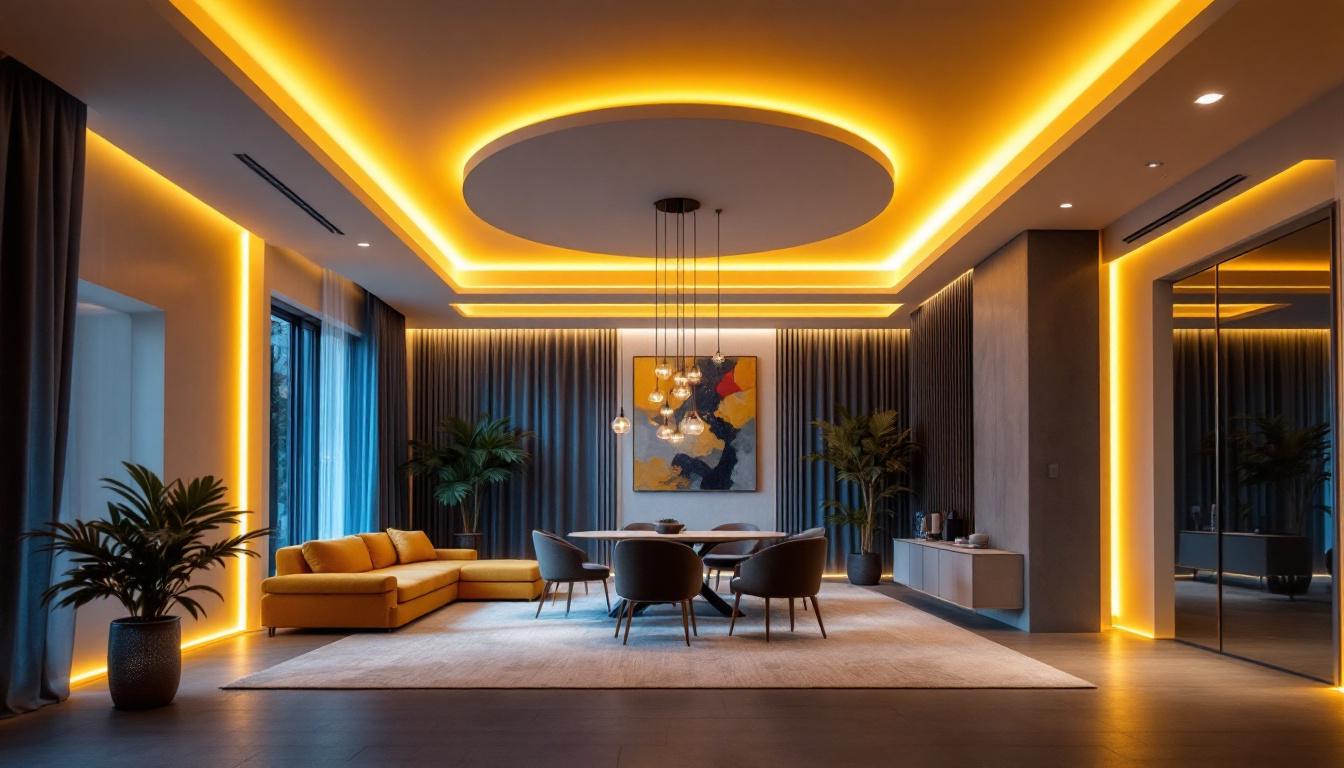
Cove lighting involves placing LED strips in recessed areas near the ceiling to create indirect, ambient light. This technique softens shadows and adds depth to the room without glare. Perimeter lighting, on the other hand, outlines the room’s edges, highlighting architectural features and enhancing spatial perception. The subtle glow from cove lighting can transform a simple ceiling into an elegant design element, while perimeter lighting can draw attention to unique architectural details such as crown molding or exposed beams, creating a visually stunning effect.
Both techniques require precise measurements and careful placement to avoid hotspots or dark zones. Using diffusers or frosted covers can help achieve uniform light distribution. Contractors should also consider the room’s function and furniture layout to optimize the lighting effect. For instance, in a living room, cove lighting can create a cozy atmosphere for relaxation, while perimeter lighting can be used in a dining area to enhance the dining experience by focusing light on the table. Additionally, incorporating color-changing LEDs into these designs can further enhance the ambiance, allowing for customization based on mood or occasion.
Integrating Smart Controls
Smart LED lighting systems allow clients to adjust brightness, color, and schedules via apps or voice commands. For contractors, offering smart integration can differentiate your services and increase project value. The ability to control lighting remotely not only adds convenience but also enhances security, as homeowners can simulate occupancy when away. Furthermore, integrating smart lighting with other home automation systems can create a seamless user experience, where lighting, temperature, and even security systems can be managed from a single interface.
Compatibility with popular platforms such as Google Home, Amazon Alexa, or Apple HomeKit is a must. Additionally, installing dimmers and sensors enhances energy savings by adapting lighting to occupancy and natural light levels. For example, motion sensors can automatically turn lights on when someone enters a room and off when they leave, ensuring that energy is not wasted. Moreover, advanced systems can learn the homeowner’s habits over time, adjusting the lighting to match their daily routines and preferences, which not only enhances comfort but also promotes energy efficiency in the long run.
Common Challenges and How to Overcome Them
Addressing Voltage Drop in Long Runs
Voltage drop is a frequent issue when running LED strips over long distances, leading to uneven brightness. Contractors can mitigate this by using thicker gauge wires, shorter runs, or multiple power injection points.
Planning the layout with voltage drop in mind prevents rework and ensures consistent lighting quality throughout the space. Additionally, it is beneficial to calculate the voltage drop using formulas that take into account the length of the run and the current load. This proactive approach not only enhances the performance of the LED strips but also extends their lifespan, as consistent voltage levels help to avoid overheating and premature failure of the lighting fixtures.
Ensuring Compliance with Electrical Codes
Adhering to local electrical codes is non-negotiable. This includes correct grounding, circuit protection, and using UL-listed components. Failure to comply can lead to safety hazards and legal liabilities.
Contractors should stay updated on code changes and consult with inspectors when necessary. Documenting compliance also protects both the contractor and the client. Moreover, investing time in understanding the nuances of the National Electrical Code (NEC) and local amendments can save significant headaches down the line. Regular training sessions or workshops can be beneficial for contractors to keep abreast of best practices and emerging technologies in the field, ensuring a high standard of safety and quality in their installations.
Managing Client Expectations
Sometimes clients expect LED lighting to perform miracles, such as instantly transforming a space or matching a specific color perfectly. Clear communication about what LED lighting can and cannot do helps set realistic expectations.
Providing samples, mock-ups, or digital renderings during the planning phase can prevent misunderstandings and increase client satisfaction. It’s also useful to educate clients about the different types of LED lights available, including color temperature variations and dimming capabilities, which can significantly affect the ambiance of a space. By fostering an open dialogue and involving clients in the decision-making process, contractors can create a collaborative atmosphere that not only enhances the project outcome but also builds trust and rapport with the client.
Maintenance Tips for Long-Lasting LED Ceiling Lighting
LED lighting around ceilings generally requires minimal maintenance, but periodic checks can extend its lifespan. Contractors should advise clients to keep fixtures clean and dust-free, as dirt accumulation can reduce light output and cause heat buildup.
Inspecting connections and power supplies annually ensures continued performance and safety. Offering maintenance services can also be a valuable add-on for contractors looking to build long-term client relationships.
Conclusion: Mastering LED Ceiling Lighting for Contractor Success
LED lighting around ceilings represents a blend of efficiency, aesthetics, and technology. For lighting contractors, mastering the technical and design aspects is essential to delivering high-quality installations that satisfy clients and stand the test of time.
From selecting the right products and managing heat to integrating smart controls and navigating code requirements, each step requires attention to detail and expertise. Embracing these essential facts not only enhances your craftsmanship but also positions your business at the forefront of modern lighting solutions.
Illuminate Your Projects with LumenWholesale
Ready to elevate your lighting installations with the efficiency, aesthetics, and cutting-edge technology of LED ceiling lighting? Look no further than LumenWholesale for all your lighting needs. Our spec-grade lighting products not only meet the highest industry standards but are also available at unbeatable wholesale prices. Say goodbye to middleman markups and hello to superior lighting solutions that fit your budget. With free shipping on bulk orders, LumenWholesale is your go-to source for premium lighting without the hidden fees. Don’t compromise on quality or value — discover the best in wholesale lighting and make your next project shine.