Understanding Dryer Voltage Outlets and Their Electrical Characteristics
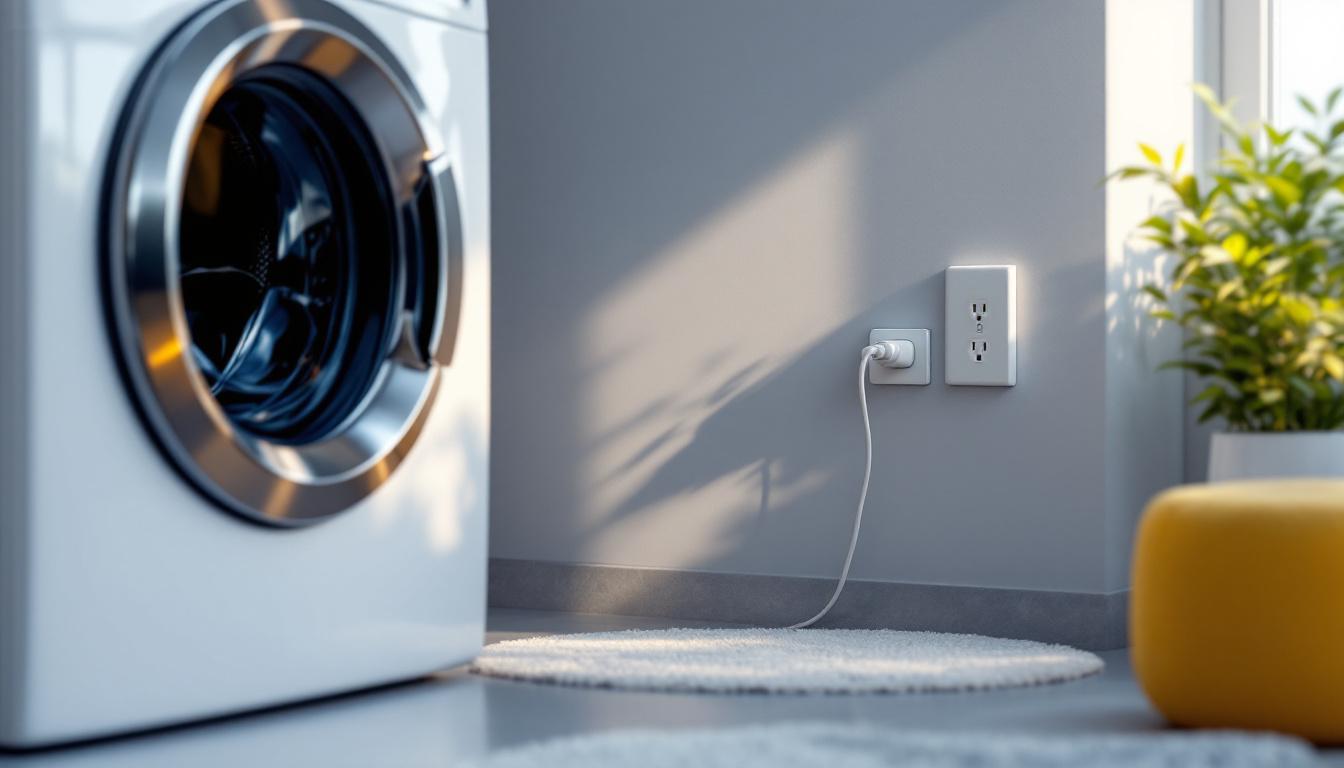
Dryer voltage outlets, often recognized by their distinctive 240-volt rating, are a critical component in residential and commercial electrical systems. While primarily designed for high-power appliances like electric dryers, these outlets have found a surprising role in the lighting industry, especially in modern, high-demand lighting solutions.
Typically, a dryer outlet supplies 240 volts with a dedicated circuit, capable of handling significant electrical loads. This higher voltage contrasts with the standard 120-volt outlets used for most household lighting and small appliances. The design of dryer outlets includes a specific plug shape and wiring configuration to ensure safety and compatibility with the intended appliance.
For lighting contractors, understanding the electrical characteristics of dryer outlets is essential when integrating advanced lighting systems that require higher power inputs or specialized wiring setups. These outlets provide a stable and robust power source, accommodating lighting technologies that push beyond traditional electrical limits.
Moreover, the increased amperage capacity of dryer outlets allows for the use of energy-efficient LED lighting systems that may require more power than standard circuits can provide. This is particularly relevant in commercial settings where large-scale lighting installations, such as in warehouses or retail spaces, demand reliable and consistent power. The ability to harness the power from a dryer outlet can significantly enhance the performance and longevity of these lighting solutions, making them a preferred choice for many contractors and designers.
In addition to their applications in lighting, dryer outlets are also essential for various other high-powered devices, such as electric vehicle chargers and industrial machinery. As the demand for electric vehicles continues to rise, the versatility of dryer outlets becomes increasingly important. Many homeowners are opting to install EV chargers that can utilize these existing outlets, thereby reducing installation costs and maximizing the use of existing electrical infrastructure. This adaptability not only streamlines the integration of new technologies but also highlights the importance of understanding the full capabilities of dryer voltage outlets in modern electrical applications.
The Intersection of Dryer Voltage Outlets and Modern Lighting Technologies
High-Powered LED Systems and Voltage Requirements
Modern lighting solutions, particularly large-scale LED installations, often demand more power than standard outlets can provide. High-powered LED arrays used in commercial spaces, theaters, or architectural lighting may require 240-volt circuits to operate efficiently and safely.
Dryer voltage outlets offer a practical solution by delivering the necessary voltage and current capacity without the need for extensive rewiring. This makes them an attractive option for contractors tasked with upgrading or installing high-intensity lighting systems in existing buildings. The versatility of these outlets allows for a seamless transition from traditional lighting to more energy-efficient LED systems, which not only reduces energy consumption but also lowers operational costs over time. Furthermore, the ability to use existing infrastructure minimizes disruption during installation, allowing businesses to maintain their regular operations with minimal downtime.
Integration with Smart Lighting and Control Systems
Smart lighting systems, which incorporate sensors, dimmers, and automated controls, sometimes necessitate stable and higher voltage supplies to function optimally. Dryer outlets can support these systems by providing consistent power, reducing the risk of voltage drops that can interfere with sensitive electronics.
For lighting contractors, leveraging dryer voltage outlets can simplify the installation of smart lighting networks, especially in retrofit projects where adding new circuits is challenging or cost-prohibitive. Additionally, the integration of smart technologies with high-powered LEDs can enhance energy efficiency and user experience. For instance, adaptive lighting systems can adjust brightness based on occupancy or ambient light levels, further optimizing energy use. As businesses increasingly seek to create dynamic environments that respond to the needs of their occupants, the role of reliable power sources like dryer outlets becomes even more critical in facilitating these advanced lighting solutions. Moreover, the ability to control lighting remotely through smart devices adds a layer of convenience and innovation, making spaces not only more functional but also more appealing to users.
Safety and Code Compliance Considerations
Adhering to Electrical Codes and Standards
Using dryer voltage outlets for lighting applications requires strict adherence to electrical codes and safety standards. The National Electrical Code (NEC) and local regulations dictate how and when these outlets can be repurposed or installed for lighting circuits.
Contractors must ensure that any modification or new installation involving dryer outlets complies with these codes to prevent hazards such as electrical fires or equipment damage. This includes proper grounding, circuit protection, and correct outlet and plug configurations. Additionally, it is essential to stay updated on any changes to the NEC or local amendments, as these regulations can evolve to address new technologies and safety concerns. Failing to comply not only poses risks but may also lead to legal repercussions and increased insurance premiums.
Ensuring Proper Installation and Maintenance
Proper installation is paramount when using dryer voltage outlets in lighting systems. This involves verifying the outlet’s compatibility with the lighting equipment, using the correct wiring gauge, and securing all connections to prevent loose contacts.
Regular maintenance checks are also important to identify wear or damage that could compromise safety. Lighting contractors should educate clients on the importance of scheduled inspections, especially in commercial environments where lighting systems operate for extended periods. Furthermore, implementing a routine maintenance schedule can help in detecting potential issues before they escalate, such as overheating wires or outdated fixtures. This proactive approach not only enhances safety but also extends the lifespan of the lighting system, ensuring that it operates efficiently and effectively over time. Clients should be encouraged to keep detailed records of maintenance activities, as this documentation can be invaluable for troubleshooting and compliance verification.
Practical Applications and Case Studies
Commercial Lighting Retrofits
Many commercial buildings originally wired with dryer voltage outlets for laundry facilities have repurposed these circuits to power large lighting installations. This approach reduces downtime and cuts costs by avoiding the need to install new high-voltage circuits.
For example, a retail space might use existing 240-volt dryer outlets to power LED track lighting systems that require higher voltage, enhancing illumination quality and energy efficiency without major electrical renovations. This not only streamlines the installation process but also allows businesses to allocate their budgets toward other vital areas, such as marketing or inventory. Additionally, the use of LED technology significantly lowers energy consumption, which translates to reduced utility bills over time, making it an attractive option for businesses looking to improve their bottom line.
Architectural and Outdoor Lighting
Architectural lighting projects often demand robust power sources to support dynamic lighting effects and large fixture arrays. Dryer voltage outlets provide the necessary electrical capacity, enabling contractors to implement complex lighting designs with confidence. This versatility allows for the integration of smart lighting systems that can be controlled remotely, providing not only aesthetic enhancements but also functional benefits such as energy monitoring and automated schedules.
Outdoor lighting in commercial or public spaces also benefits from these outlets, especially when powering floodlights or large LED panels that require stable, high-voltage input for consistent performance. For instance, a city park might utilize these outlets to illuminate pathways and recreational areas, enhancing safety and usability during nighttime hours. Furthermore, the ability to easily connect and disconnect lighting systems allows for seasonal adjustments, such as festive displays during holidays or special events, showcasing the adaptability of using dryer voltage outlets in various lighting applications.
Future Trends: Dryer Voltage Outlets in Evolving Lighting Systems
As lighting technology continues to advance, the role of dryer voltage outlets is likely to expand. Emerging trends such as higher wattage LED fixtures, integrated power and data delivery systems, and energy management solutions will increase demand for reliable, high-voltage power sources.
Lighting contractors who understand how to leverage dryer voltage outlets effectively will be well-positioned to meet these evolving requirements. This knowledge enables them to offer innovative solutions that balance performance, safety, and cost-efficiency.
In addition, the growing emphasis on sustainable and energy-efficient lighting makes the efficient use of existing electrical infrastructure, like dryer outlets, an attractive strategy to minimize environmental impact while maximizing lighting quality.
Furthermore, as smart home technology becomes more prevalent, the integration of dryer voltage outlets into intelligent lighting systems will facilitate seamless connectivity and control. Homeowners will increasingly seek solutions that allow them to manage their lighting remotely, schedule settings, and even adjust brightness levels based on natural light availability. This shift towards automation not only enhances user convenience but also promotes energy conservation by optimizing lighting usage according to real-time needs.
Moreover, the rise of commercial spaces embracing biophilic design principles is another factor driving the evolution of lighting systems. By utilizing dryer voltage outlets, designers can implement innovative lighting solutions that mimic natural light patterns, thereby enhancing occupant well-being and productivity. This approach not only aligns with modern aesthetic preferences but also supports the growing body of research linking quality lighting to improved mental health and workplace satisfaction. As such, the versatility of dryer voltage outlets will play a crucial role in shaping the future of both residential and commercial lighting landscapes.
Illuminate Your Projects with LumenWholesale
As you explore the potential of dryer voltage outlets for modern lighting solutions, remember that the right products make all the difference. At LumenWholesale, we provide contractors with the highest quality, spec-grade lighting products at the most competitive wholesale prices. Our selection is designed to meet the rigorous demands of today’s lighting systems, ensuring reliability and performance for every project. Say goodbye to middleman markups and hello to convenience with our hassle-free bulk buying and free shipping. Elevate your lighting installations with the best value in the industry. Wholesale Lighting at the Best Value is just a click away. Experience the LumenWholesale difference today.