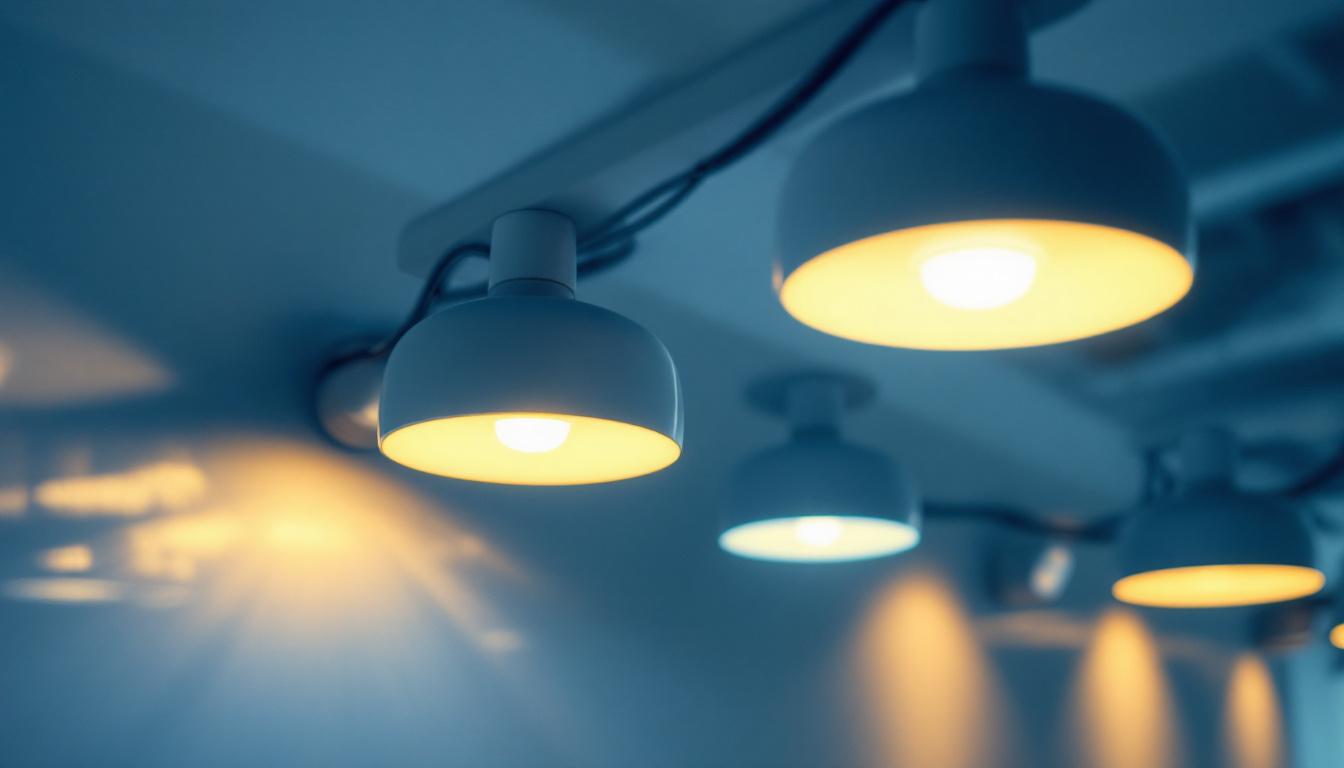
Understanding Long Bar Lights: What Sets Them Apart?
Long bar lights have become a staple in commercial and industrial lighting projects. Their elongated design not only creates a sleek, modern aesthetic but also offers practical advantages in terms of light distribution and installation flexibility. For lighting contractors, recognizing the unique attributes of long bar lights is essential to specifying the right product for each job.
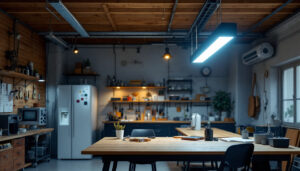
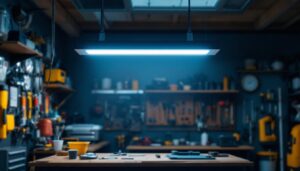
Unlike traditional fixtures, long bar lights typically feature a linear form factor that allows them to cover larger areas with fewer units. This reduces the number of fixtures needed, which can simplify wiring and mounting processes. Additionally, their shape lends itself well to continuous runs, making them ideal for spaces like warehouses, retail stores, and office corridors.
One critical factor to consider is the type of LED chips and drivers used within these fixtures. High-quality components ensure consistent brightness, longer lifespan, and better energy efficiency. Lighting contractors should verify that the products they install meet or exceed industry standards for lumen output and color rendering index (CRI) to guarantee customer satisfaction.
Moreover, the versatility of long bar lights extends beyond just their physical form. Many modern fixtures come equipped with smart technology, allowing for features such as dimming, color temperature adjustment, and even integration with building management systems. This adaptability not only enhances the user experience but also contributes to energy savings and operational efficiency. As businesses increasingly prioritize sustainability, the ability to control lighting dynamically becomes a significant selling point for long bar lights.
In addition to their functional benefits, long bar lights also play a crucial role in enhancing the overall ambiance of a space. The even distribution of light helps to eliminate harsh shadows and create a more inviting atmosphere, which can be particularly beneficial in retail environments where customer experience is paramount. Furthermore, the aesthetic appeal of these fixtures can be tailored to match various design themes, from minimalist to industrial chic, allowing businesses to maintain a cohesive look throughout their premises.
Key Specifications Lighting Contractors Must Evaluate
Lumen Output and Efficacy
Lumen output measures the total amount of visible light emitted by a fixture. For long bar lights, it’s important to balance brightness with energy consumption. A fixture that produces 4,000 lumens at 40 watts is more efficient than one producing the same lumens at 60 watts. This efficiency translates to lower operational costs for clients and a smaller environmental footprint. Additionally, understanding the application of the lighting is crucial; for instance, a retail space may require higher lumen output to highlight products effectively, while an office environment may prioritize softer, more diffused lighting to enhance comfort and productivity.
Contractors should also consider lumen maintenance, which indicates how well a fixture maintains its brightness over time. LEDs generally offer excellent lumen maintenance, but quality varies. Choosing products with a high L70 rating (meaning the fixture maintains 70% of its initial lumens after a specified number of operating hours) ensures long-term performance. It’s also beneficial to look into the manufacturer’s warranty and performance guarantees, as these can provide additional assurance of the product’s longevity and reliability in demanding environments.
Color Temperature and CRI
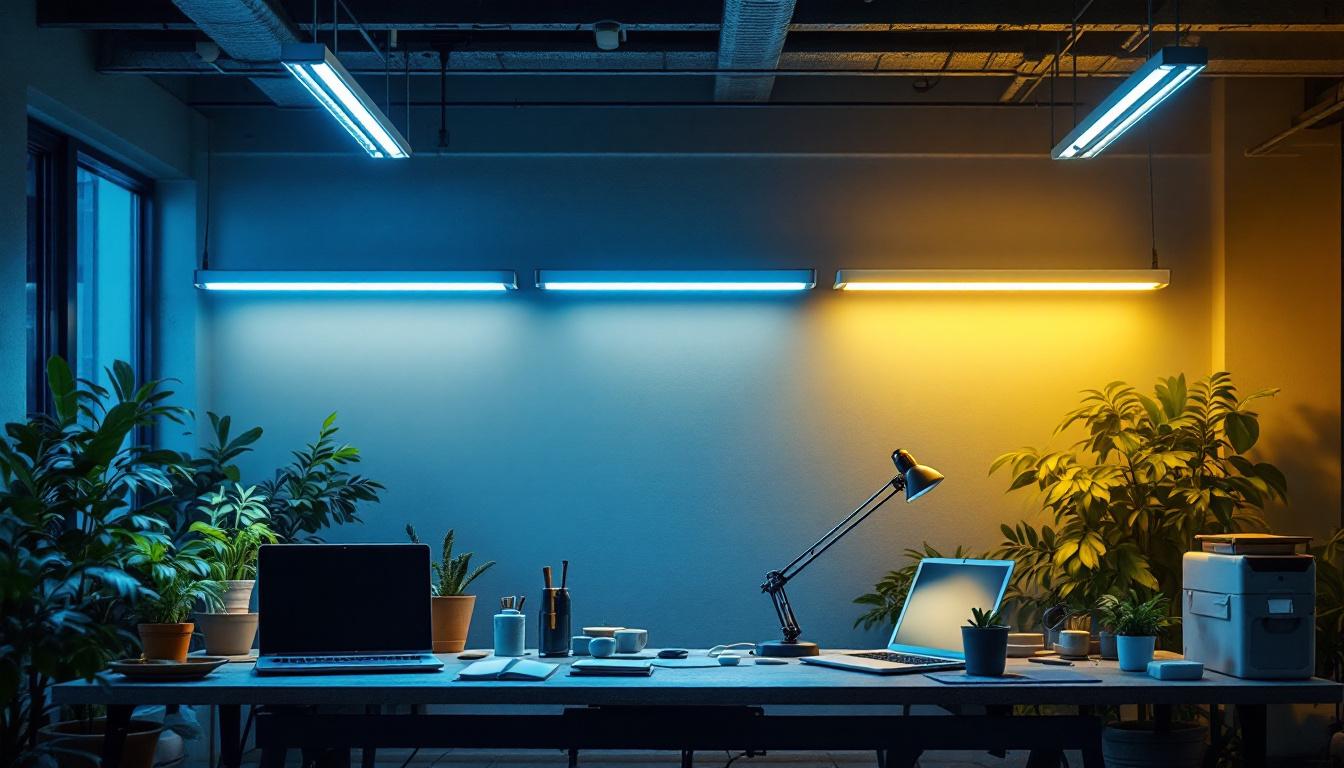
Color temperature, measured in Kelvins (K), affects the ambiance of a space. Long bar lights are available in a range of color temperatures, from warm white (around 2700K) to daylight (upwards of 5000K). For commercial applications, a neutral white (3500K to 4100K) is often preferred as it balances warmth and clarity. The choice of color temperature can significantly influence the mood of a space; for example, warmer tones can create a cozy atmosphere in restaurants, while cooler tones are often used in offices to promote alertness and concentration.
The Color Rendering Index (CRI) measures how accurately a light source reveals colors compared to natural light. A CRI of 80 or above is generally recommended for most commercial environments. High CRI lighting enhances product displays, improves worker comfort, and reduces eye strain. Furthermore, in settings such as art galleries or showrooms, where color accuracy is paramount, opting for fixtures with a CRI of 90 or higher can make a substantial difference in how products are perceived by customers.
Size, Mounting Options, and Dimming Compatibility
Long bar lights come in various lengths, commonly ranging from 2 to 8 feet. Selecting the appropriate size depends on the space dimensions and the desired lighting effect. Contractors should also assess mounting options—surface mount, suspended, or recessed—to align with architectural requirements and client preferences. The choice of mounting can also affect the distribution of light; for instance, suspended fixtures can provide more direct lighting, while recessed options may offer a more subtle, integrated look that blends seamlessly with the ceiling.
Dimming capability is another crucial feature. Many modern long bar lights support 0-10V dimming or other smart controls. This allows clients to adjust lighting levels for energy savings or ambiance, which can be a significant selling point in commercial settings. In addition, integrating lighting controls with building management systems can enhance energy efficiency and provide users with the flexibility to create different lighting scenes for various activities, further optimizing the use of the space throughout the day.
Installation Best Practices for Long Bar Lights
Planning and Layout Considerations
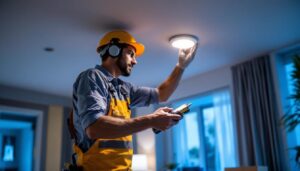
Successful installation begins with thorough planning. Contractors should conduct detailed site assessments to determine optimal fixture placement, ensuring uniform illumination and minimizing shadows. Using lighting design software can help visualize light distribution and identify potential issues before installation. This software can simulate various lighting scenarios, allowing contractors to experiment with different configurations and intensities, ensuring that the final layout meets both aesthetic and functional requirements.
When planning continuous runs of long bar lights, it’s important to consider expansion joints and wiring access points. These elements facilitate maintenance and reduce the risk of damage during building movement or renovations. Additionally, understanding the architectural features of the space can guide decisions on fixture placement. For instance, highlighting specific architectural elements or creating focal points can enhance the overall ambiance of the area, making the lighting not just functional but also a key design feature.
Wiring and Electrical Safety
Long bar lights often require daisy-chaining multiple fixtures, which can complicate wiring. Contractors must follow manufacturer guidelines for maximum run lengths and current ratings to avoid overloads. Using connectors rated for the specific environment—whether dry, damp, or wet—is essential for safety and longevity. Furthermore, implementing a color-coded wiring system can simplify future troubleshooting and maintenance, making it easier for technicians to identify and resolve issues quickly.
Grounding and proper circuit protection are non-negotiable. Ensuring compliance with local electrical codes not only protects the contractor legally but also guarantees client safety. Additionally, incorporating surge protection devices can safeguard the lighting system against voltage spikes, extending the lifespan of the fixtures and reducing the likelihood of costly repairs or replacements.
Mounting and Alignment Techniques
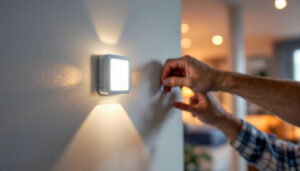
Precision during mounting ensures that long bar lights look professional and function correctly. Using laser levels or straight edges helps achieve perfect alignment, especially for continuous runs. Secure mounting hardware reduces vibration and potential fixture damage over time. It’s also advisable to consider the weight of the fixtures; heavier lights may require additional support or reinforcement to ensure they are securely mounted and will not sag or detach over time.
For suspended installations, attention to cable length and tension prevents sagging. In surface-mounted applications, pre-drilling and anchoring into suitable substrates provide stability. Moreover, using adjustable mounting brackets can allow for fine-tuning of the fixture’s position even after installation, accommodating any unforeseen adjustments needed for optimal light distribution. This flexibility can be particularly beneficial in spaces where the layout may change or evolve, ensuring that the lighting remains effective and visually appealing as the environment adapts.
Maintenance and Troubleshooting Tips
Routine Inspection and Cleaning
Long bar lights generally require minimal maintenance, but periodic inspections can prevent issues. Checking for dust buildup on lenses and heat sinks helps maintain optimal light output and thermal management. Cleaning should be done with non-abrasive materials to avoid damaging the fixture’s finish or optics.
Addressing Common Issues
Flickering or dimming can signal driver malfunctions or wiring problems. Contractors should verify connections and replace faulty drivers promptly. In some cases, incompatible dimmers cause performance issues, so confirming compatibility before installation can save time and headaches.
Overheating is another concern. Ensuring adequate ventilation around fixtures and avoiding installation in enclosed spaces without airflow helps extend fixture life.
Trends and Innovations Impacting Long Bar Lighting
Smart Controls and IoT Integration
Lighting control systems have evolved rapidly. Many long bar lights now integrate with building automation systems, enabling remote control, scheduling, and energy monitoring. These smart features appeal to clients seeking operational efficiency and sustainability.
Advances in Optical Design
Improved lens and reflector technologies enhance light distribution, reducing glare and increasing uniformity. This makes long bar lights suitable for environments with specific lighting requirements, such as healthcare or educational facilities.
Sustainability and Energy Codes
Energy codes and green building standards increasingly influence lighting choices. Long bar lights that meet or exceed these standards not only help clients comply but also position contractors as knowledgeable partners in sustainable design.
Final Thoughts for Lighting Contractors
Long bar lights offer a versatile, efficient solution for a wide array of commercial and industrial lighting needs. Mastering their specifications, installation nuances, and maintenance requirements empowers contractors to deliver superior results. Staying current with technological advancements and regulatory changes further enhances professional credibility and client trust.
By prioritizing quality products and meticulous installation practices, lighting contractors can ensure long-lasting, effective lighting solutions that satisfy both functional demands and aesthetic expectations.
Illuminate Your Projects with LumenWholesale
Ready to elevate your lighting projects with the sleek efficiency of long bar lights? At LumenWholesale, we offer the high-quality, spec-grade lighting solutions you need to outshine the competition. Our extensive selection of long bar lights is available at unbeatable wholesale prices, ensuring you get the best value for your investment. Say goodbye to local distributor markups and hello to premium lighting with free shipping on bulk orders. Don’t compromise on quality or cost—choose LumenWholesale for your lighting needs and make every project shine. Discover our range and take advantage of the best wholesale lighting value by visiting Wholesale Lighting at the Best Value today.