Understanding the Essentials of Undercabinet LED Lighting
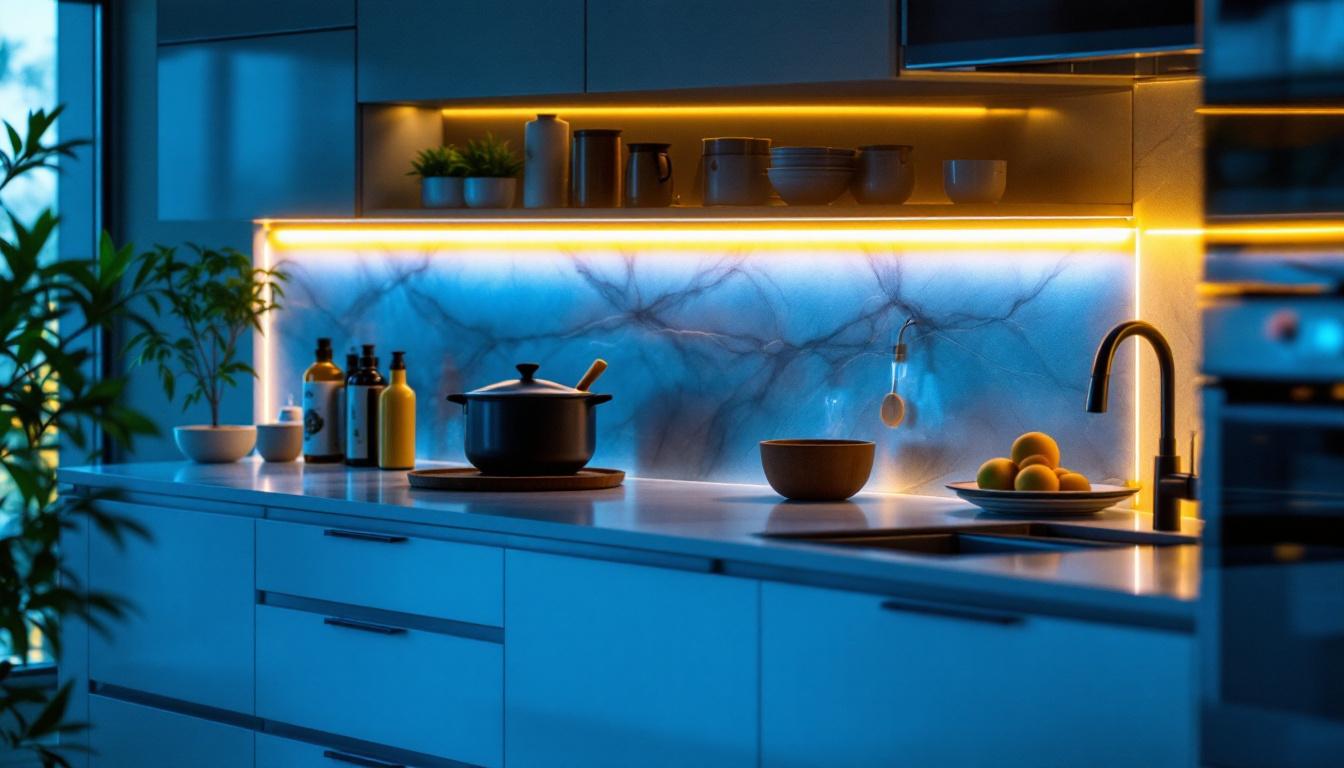
Undercabinet LED lighting has become a staple in both residential and commercial projects, offering sleek aesthetics and functional illumination. For lighting contractors, mastering the nuances of these fixtures is critical to delivering quality installations that satisfy client expectations and comply with industry standards.
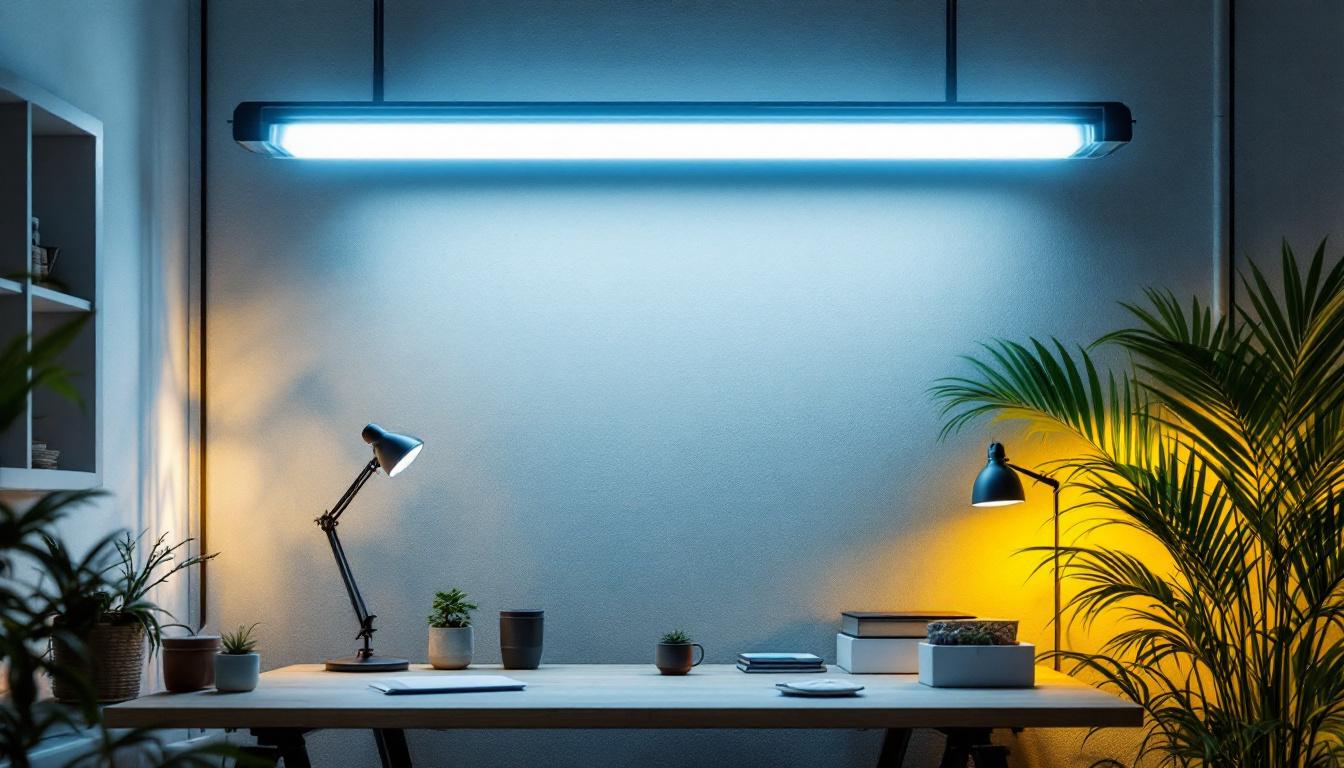
LED technology continues to evolve rapidly, bringing new challenges and opportunities. From color temperature choices to dimming capabilities, understanding these variables is essential. The right undercabinet lighting not only enhances workspace visibility but also contributes to energy efficiency and long-term durability.
Key Technical Considerations
Contractors must be familiar with lumen output, color rendering index (CRI), and wattage to select the appropriate LEDs for each project. High CRI values, typically above 80, ensure colors appear natural and vibrant under the light, which is especially important in kitchens and retail displays.
Equally important is understanding the power supply requirements and compatibility with dimmers or smart home systems. Undercabinet LEDs often operate on low voltage, which requires transformers or drivers. Choosing compatible components prevents flickering and extends fixture lifespan.
Additionally, the installation process itself can greatly influence the performance and aesthetics of undercabinet lighting. Proper placement is crucial; fixtures should be installed close to the front edge of cabinets to minimize shadows and maximize light distribution. Using adjustable mounting brackets can provide flexibility, allowing contractors to fine-tune the angle and direction of the light. Furthermore, the choice of lens or diffuser can also impact the quality of light, softening harsh beams and reducing glare, which is particularly beneficial in workspaces where precision is key.
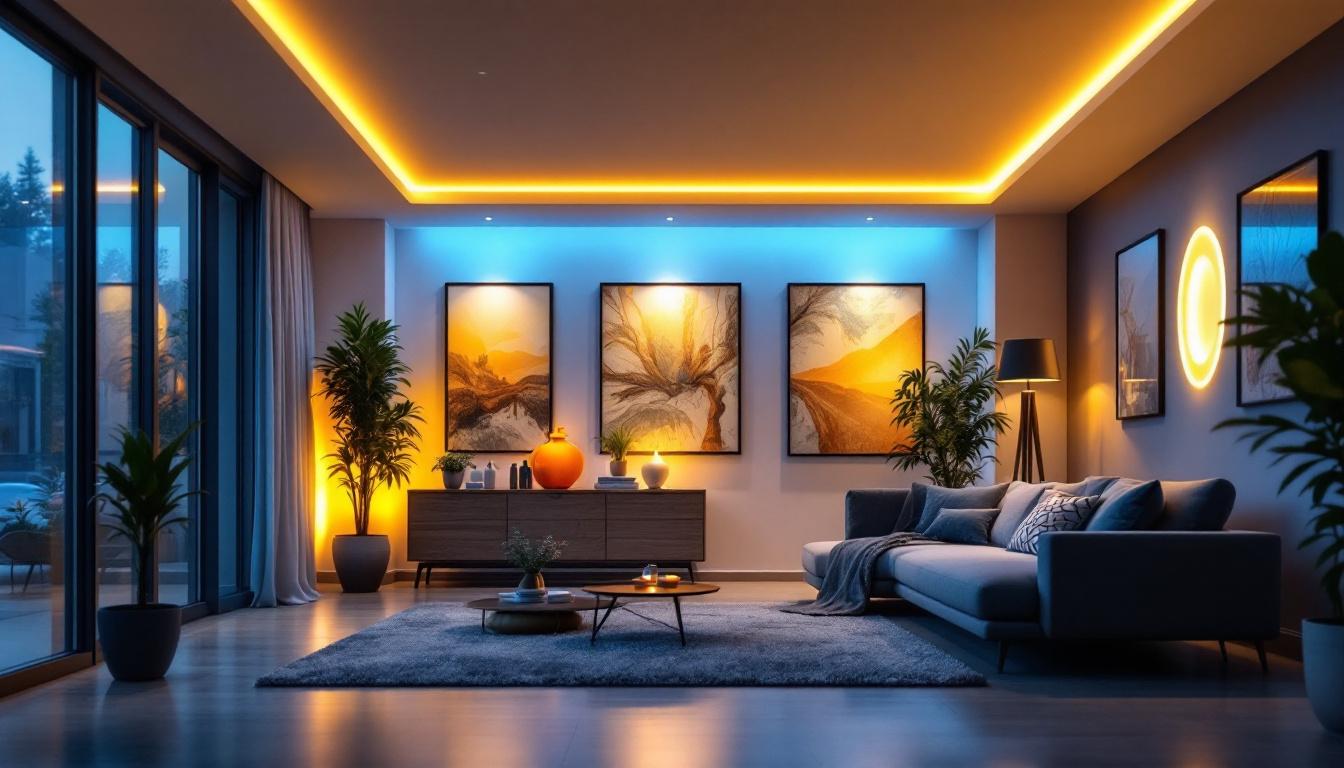
Moreover, the integration of smart technology into undercabinet lighting systems is becoming increasingly popular. Many modern fixtures can now be controlled via smartphone apps or voice-activated systems, allowing users to adjust brightness levels, color temperatures, and even set schedules for lighting. This not only enhances convenience but also allows for personalized lighting experiences tailored to individual preferences and activities, such as cooking, reading, or entertaining. As the demand for smart home solutions continues to grow, contractors who are knowledgeable about these advancements will be better positioned to meet client needs and stand out in a competitive market.
Top Industry Resources for Product Knowledge and Specification
Staying current with product innovations and technical specifications is a continuous process. Lighting contractors benefit from accessing comprehensive databases, manufacturer catalogs, and certification organizations that provide reliable information. The rapid evolution of lighting technology, particularly in the realm of LED solutions, necessitates that contractors remain vigilant and informed about the latest advancements and regulatory changes to ensure optimal performance and compliance.
Manufacturer Websites and Technical Datasheets
Leading LED manufacturers maintain detailed online resources, including installation guides, wiring diagrams, and photometric data. These documents help contractors understand product capabilities and limitations before installation. In addition to these resources, many manufacturers offer online webinars and training sessions, allowing contractors to engage directly with product experts and gain deeper insights into new technologies and installation techniques.
Many manufacturers also offer downloadable specification sheets that detail lumen output, voltage requirements, beam angles, and warranty information. These are essential for preparing accurate bids and ensuring compliance with project requirements. Furthermore, some manufacturers provide interactive tools that allow contractors to visualize how different lighting solutions will perform in various environments, enhancing the decision-making process and ensuring that the right products are selected for each unique project.
Trade Associations and Certification Bodies
Organizations like the National Electrical Manufacturers Association (NEMA) and the Illuminating Engineering Society (IES) provide standards and best practices that contractors can rely on. Accessing their publications helps ensure installations meet safety and performance benchmarks. These associations also frequently host industry events, conferences, and workshops that serve as valuable networking opportunities, enabling contractors to connect with peers and industry leaders while staying informed about emerging trends and technologies.
Certifications such as UL listing or Energy Star ratings are indicators of quality and energy efficiency. Contractors should verify these certifications when selecting undercabinet LED products to guarantee reliability and client satisfaction. Additionally, understanding the implications of these certifications can help contractors advise their clients on potential energy savings and environmental benefits, thereby enhancing the overall value proposition of their projects. As sustainability becomes a more significant focus in the industry, being knowledgeable about energy-efficient products and their certifications can set contractors apart in a competitive marketplace.
Hands-On Training and Continuing Education
Technical knowledge alone isn’t enough. Practical skills and up-to-date training are vital for mastering undercabinet LED lighting installations.
Workshops and Manufacturer Training Programs
Many manufacturers offer hands-on workshops or virtual training sessions tailored specifically for contractors. These programs cover installation techniques, troubleshooting, and integration with control systems.
Participating in these sessions allows contractors to ask questions directly to product experts and stay ahead of emerging technologies such as tunable white LEDs or wireless control options. Moreover, these workshops often provide insights into the latest industry standards and best practices, ensuring that contractors can implement solutions that are not only effective but also compliant with current regulations. Networking opportunities during these events can also lead to valuable partnerships and collaborations, further enhancing a contractor’s business prospects.
Online Courses and Certification Programs
Several reputable platforms provide online courses focused on LED lighting fundamentals, electrical safety, and smart lighting systems. Some courses culminate in certifications that add credibility to a contractor’s skill set.
These programs often include modules on energy codes, lighting design principles, and the latest LED trends, helping contractors deliver solutions that are both compliant and innovative. Additionally, many of these courses feature interactive elements such as quizzes, case studies, and peer discussions, which can deepen understanding and retention of the material. By engaging with a community of learners and instructors, contractors can share experiences and learn from one another, fostering a culture of continuous improvement and adaptation in a rapidly evolving industry.
Tools and Software for Design and Installation
Accurate design and efficient installation require the right tools and software. Lighting contractors who leverage technology can reduce errors, improve client communication, and optimize project outcomes.
Lighting Design Software
Programs like DIALux and AGi32 enable contractors to create photorealistic renderings and calculate light levels accurately. These tools help in selecting the right undercabinet LED fixtures and positioning them for optimal illumination.
Using design software also facilitates collaboration with architects and interior designers, ensuring that lighting plans integrate seamlessly with overall project aesthetics. Additionally, these software solutions often come with extensive libraries of fixtures and materials, allowing designers to experiment with various styles and finishes. This flexibility not only enhances creativity but also helps clients visualize the final outcome, making it easier for them to make informed decisions regarding their lighting choices.
Installation and Measurement Tools
Precise measurements are crucial for undercabinet lighting placement. Laser distance meters, multimeters, and light meters help contractors verify dimensions, electrical connections, and illumination levels on-site.
Employing these tools minimizes rework and enhances the quality of the final installation, leading to higher client satisfaction and fewer callbacks. Furthermore, the integration of smart technology into these measurement tools has revolutionized the installation process. For instance, some advanced laser meters can connect to mobile apps, allowing contractors to store measurements and share them instantly with team members or clients. This real-time data sharing not only streamlines communication but also helps in tracking project progress and ensuring that all stakeholders are aligned with the installation plan.
Networking and Industry Communities
Engaging with peers and industry experts provides invaluable insights and support. Lighting contractors who participate in professional communities stay informed about trends, challenges, and solutions specific to undercabinet LED lighting.
Professional Forums and Social Media Groups
Platforms such as LinkedIn groups and specialized lighting forums offer spaces where contractors share experiences, ask questions, and discuss new products. These interactions often reveal practical tips and troubleshooting advice not found in manuals.
Active participation also helps contractors build relationships with suppliers and manufacturers, potentially leading to better pricing and early access to new technologies.
Trade Shows and Conferences
Attending industry events provides hands-on exposure to the latest undercabinet LED products and installation techniques. Contractors can meet vendors, attend technical sessions, and observe live demonstrations.
These events also offer opportunities to earn continuing education credits, which can be essential for maintaining professional licenses and certifications.
Best Practices for Successful Undercabinet LED Installations
Mastering undercabinet LED lighting extends beyond product knowledge and tools. Adhering to best practices ensures installations are safe, efficient, and visually pleasing.
Planning and Layout
Careful planning is the foundation of any successful lighting project. Contractors should assess the cabinet dimensions, workspace requirements, and electrical access points before installation.
Spacing LED strips or puck lights evenly and considering glare reduction techniques can significantly enhance the user experience. Integrating switches or dimmers in accessible locations adds convenience.
Wiring and Safety Protocols
Following electrical codes and manufacturer guidelines is non-negotiable. Proper wiring techniques, including secure connections and appropriate wire gauges, prevent hazards and ensure longevity.
Contractors should also consider moisture resistance, especially in kitchen or bathroom environments, by selecting fixtures with suitable IP ratings and using waterproof connectors when necessary.
Testing and Quality Assurance
After installation, thorough testing of all lighting components is essential. Checking for consistent brightness, color accuracy, and dimmer compatibility helps identify issues early.
Documenting the installation with photos and client sign-offs can protect contractors and provide a reference for future maintenance or upgrades.
Conclusion: Elevating Your Undercabinet LED Expertise
Mastering undercabinet LED lighting requires a blend of technical knowledge, practical skills, and access to reliable resources. Lighting contractors who invest time in understanding product specifications, engaging with industry communities, and utilizing advanced tools position themselves as trusted experts.
Continuous learning and adherence to best practices not only improve installation quality but also enhance client satisfaction and business reputation. Undercabinet LED lighting is more than a trend-it’s a critical component of modern lighting design that demands professional mastery.
Get Your Premium Undercabinet LED Lighting at LumenWholesale
Ready to elevate your lighting projects with the highest quality undercabinet LED solutions? Look no further than LumenWholesale. Our commitment to providing contractors with spec-grade lighting products at unbeatable wholesale prices ensures that you can deliver exceptional results to your clients without breaking the bank. Say goodbye to local distributor markups and hello to a vast selection of reliable, high-performance lighting that meets rigorous industry standards. Plus, with the convenience of free shipping on bulk orders, you can enjoy the best value in lighting without any hidden fees. Don’t compromise on quality or cost. Wholesale Lighting at the Best Value is just a click away. Experience the LumenWholesale difference today!