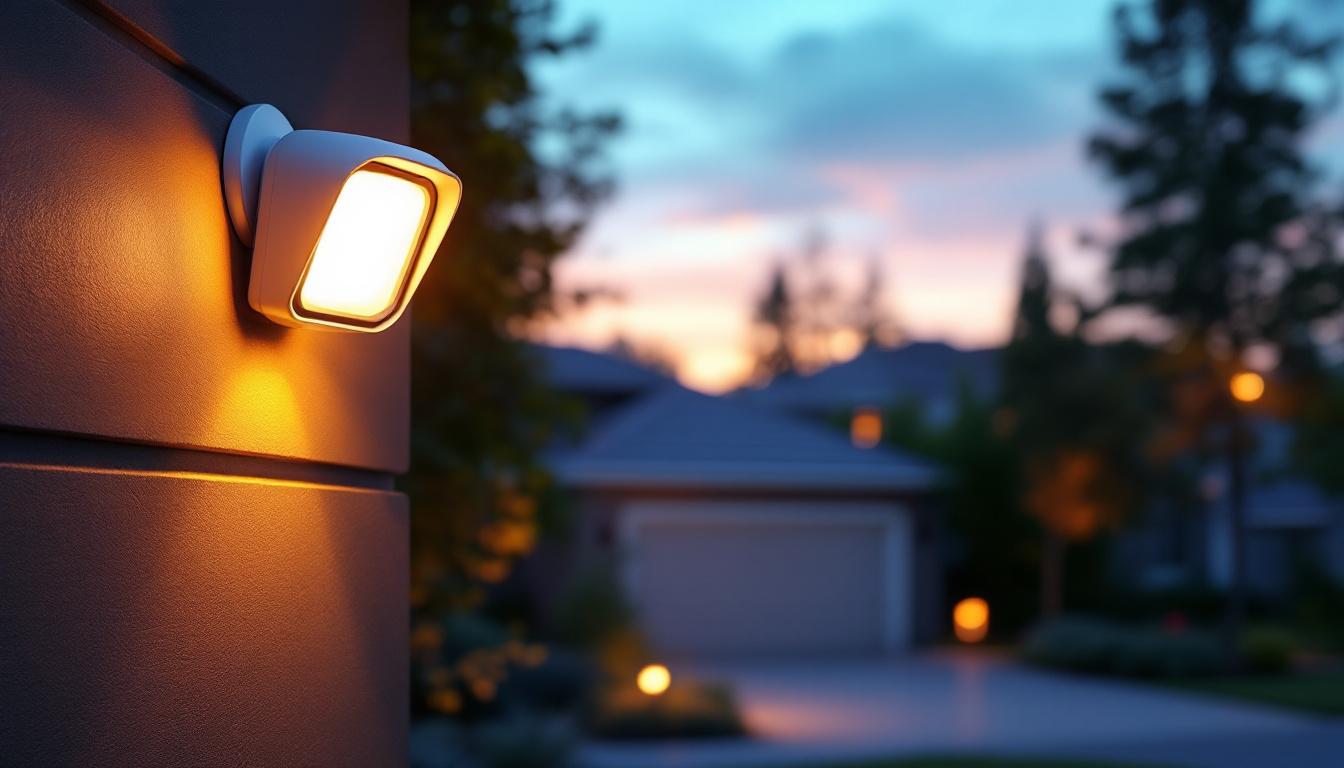
Security lighting is more than just a bright bulb illuminating a dark corner. It serves as a crucial deterrent against unauthorized access, theft, and vandalism. For lighting contractors, the challenge is to design and install systems that not only provide visibility but also enhance the overall security of a property.
Moreover, modern advancements in technology have led to the development of smart security lighting systems that can be controlled remotely via smartphones or other devices. These systems can be programmed to turn on and off at specific times, or even respond to motion detection, ensuring that the property is illuminated only when necessary. This not only saves energy but also creates an unpredictable lighting pattern that can confuse potential intruders. Additionally, some systems are equipped with features like color-changing bulbs or strobe lights, which can signal an emergency or alert neighbors, further enhancing the security measures in place.
Another important aspect to consider is the placement and type of lighting used. For instance, LED lights are becoming increasingly popular due to their energy efficiency and long lifespan. They can be strategically placed around entry points, pathways, and dark corners to create a well-lit environment that discourages criminal activity. Furthermore, utilizing motion-sensor lights can provide an added layer of security, as they activate only when movement is detected, thereby conserving energy while still providing effective illumination. By thoughtfully combining these elements, property owners can create a comprehensive security lighting plan that not only protects their assets but also fosters a sense of safety within the community.
When a security light activates alone, it signals presence but doesn’t necessarily escalate the situation. Adding an alarm transforms the light from a passive deterrent into an active defense mechanism. The sudden illumination combined with a loud, attention-grabbing alarm startles intruders and draws immediate attention from neighbors or security personnel.
This dual-action approach reduces the window of opportunity for criminals. They are less likely to linger or attempt forced entry when confronted with both light and sound, making properties significantly safer. Moreover, the psychological impact on potential intruders cannot be underestimated; the combination of blinding light and a piercing alarm creates an environment of unpredictability that many criminals will avoid altogether. This heightened sense of security not only protects property but also instills peace of mind for homeowners and business operators alike.
Security lighting with alarms can be integrated into broader security networks. Many systems now support smart technology, allowing lights and alarms to communicate with surveillance cameras, motion sensors, and control panels. This interconnectedness provides a comprehensive security solution, enabling remote monitoring and instant alerts to property owners or security services. For instance, when a motion sensor detects movement, it can trigger both the security lights and the alarm, creating a synchronized response that maximizes deterrence.
Key Features Lighting Contractors Should Prioritize
Reliable Motion Detection
Motion sensors are the backbone of security lighting with alarms. For contractors, selecting sensors with adjustable sensitivity and range is critical. Overly sensitive sensors can cause false alarms triggered by animals or environmental factors, while under-sensitive ones may fail to detect real threats.
Advanced infrared and microwave sensors offer better accuracy, reducing nuisance alarms and ensuring the system responds only to genuine movements. Furthermore, integrating smart technology can enhance motion detection capabilities. For instance, some modern systems can differentiate between human and animal movements, significantly reducing false alarms. This technology can also be paired with mobile applications, allowing contractors and property owners to receive real-time alerts and monitor activity remotely, providing an added layer of convenience and security.
Alarm Volume and Tone
The alarm’s sound must be loud enough to alert people in the vicinity and deter intruders but also designed to avoid causing unnecessary noise pollution. Some systems offer customizable tones or escalating alarm volumes, which can be tailored to specific environments such as residential neighborhoods, commercial properties, or industrial sites.
Moreover, the ability to integrate alarm systems with visual alerts, such as flashing lights or strobe signals, can further enhance the effectiveness of the alarm. This is particularly useful in noisy environments where an audible alarm might not be heard. Contractors should also consider systems that allow for remote activation and deactivation of alarms, providing users with flexibility and control over their security measures, especially during times when they are away from the property.
Lighting Quality and Coverage
Effective security lighting requires bright, wide coverage with minimal dark spots. LED technology is preferred for its energy efficiency and long lifespan. Contractors should ensure the lighting fixtures are weather-resistant and capable of withstanding harsh outdoor conditions without performance degradation.
In addition to brightness, the color temperature of the lighting can play a crucial role in visibility and deterrence. A cooler, daylight-like color temperature can enhance clarity and detail in the illuminated area, making it easier to identify potential threats. Furthermore, the strategic placement of lighting fixtures is essential; contractors should conduct thorough site assessments to determine optimal locations that maximize coverage while minimizing shadows. Incorporating smart lighting controls, such as timers or photocells, can also ensure that lights are only active when needed, further enhancing energy efficiency and extending the lifespan of the fixtures.
Installation Best Practices for Maximum Effectiveness
Strategic Placement
Positioning security lights with alarms is as important as the equipment itself. Lights should cover all vulnerable entry points, pathways, and secluded areas. Installing them at heights that prevent tampering, yet allow optimal sensor range, is essential.
Contractors should conduct thorough site assessments to identify blind spots and potential hiding places. Combining multiple units with overlapping coverage zones can eliminate these vulnerabilities. Additionally, considering the natural landscape and any obstructions, such as trees or fences, can further enhance the effectiveness of the lighting system. For instance, placing lights near reflective surfaces can amplify their reach, creating a well-lit environment that deters potential intruders. Furthermore, utilizing motion sensors in conjunction with strategically placed lights can provide an added layer of security, ensuring that any movement triggers illumination, thereby alerting homeowners and discouraging unwanted activity.
Power Supply and Backup
Security systems must remain operational during power outages. Incorporating battery backups or solar-powered options ensures continuous protection. Lighting contractors need to plan for reliable power sources and test backup systems regularly to prevent failures when they matter most.
Moreover, it’s crucial to assess the energy consumption of the installed lighting systems to choose the most efficient power solutions. Energy-efficient LED lights not only reduce electricity costs but also extend the lifespan of the system, making them a smart choice for long-term security. Additionally, integrating smart technology can allow homeowners to monitor their power usage and receive alerts for any irregularities, ensuring that their security system is always functioning optimally. Regular maintenance checks on these power systems can prevent unexpected outages and ensure that backup solutions are ready when needed.
Wiring and Connectivity
Proper wiring safeguards against tampering and environmental damage. Using conduit and secure junction boxes protects cables from exposure. For alarm integration, ensuring seamless communication between sensors, lights, and control units is vital. Wireless systems offer flexibility but require secure encryption to prevent hacking.
In addition to these measures, it is important to consider the layout of the wiring to minimize the risk of interference and signal loss. Using high-quality cables and connectors can enhance the reliability of the system. For installations that require extensive cabling, employing a professional with experience in low-voltage wiring can ensure compliance with local codes and standards. Furthermore, implementing a robust network infrastructure, including routers and repeaters, can improve connectivity for wireless components, allowing for real-time monitoring and control via mobile applications. This level of connectivity not only enhances user experience but also provides peace of mind, knowing that the security system is always accessible and functional.
Common Challenges and How to Overcome Them
Balancing Sensitivity and False Alarms
False alarms can erode trust in the system and lead to complacency. Contractors should fine-tune sensor settings on-site, considering local wildlife and environmental conditions. Offering clients adjustable settings or remote control options can empower them to manage sensitivity as needed.
Environmental Factors Affecting Performance
Weather conditions like heavy rain, snow, or fog can impact sensor accuracy and light effectiveness. Selecting equipment rated for the specific climate and performing routine maintenance helps maintain system reliability. Additionally, shielding sensors from direct exposure to elements reduces malfunctions.
Client Education and Maintenance
Even the best-installed systems require proper use and upkeep. Lighting contractors should educate clients on how to operate and maintain their security lights with alarms. Providing clear instructions and offering maintenance services can extend system lifespan and effectiveness.
The Business Advantage of Offering Security Light with Alarm Installations
For lighting contractors, specializing in security lighting with alarms opens new revenue streams and enhances reputation. Clients increasingly demand integrated security solutions that go beyond basic illumination. By mastering these installations, contractors position themselves as trusted partners in property protection.
Furthermore, staying updated on emerging technologies and standards ensures competitive advantage. Offering customizable, scalable systems tailored to diverse client needs-from residential to commercial-builds long-term relationships and referrals.
Conclusion: A Critical Component of Modern Security
Security lights with alarms are not just accessories; they are essential elements of a comprehensive security strategy. For lighting contractors, understanding their importance, selecting the right components, and executing precise installations can make a tangible difference in safety outcomes.
By integrating light and sound, these systems create a powerful deterrent that protects people, property, and peace of mind. Embracing this approach elevates the role of lighting contractors from installers to security solution experts.
Ready to enhance your lighting installations with the most effective security lights and alarms? At LumenWholesale, we provide lighting contractors with the highest quality, spec-grade lighting products at unbeatable wholesale prices. Say goodbye to local distributor markups and hello to superior lighting solutions that meet the strictest industry standards. Our extensive selection ensures that you can equip your projects with reliable, high-performance lighting that makes a real difference in safety and security. Plus, with free shipping on bulk orders, you get the best value without any hidden fees. Don’t compromise on quality or cost—choose LumenWholesale for a seamless blend of excellence, affordability, and convenience. Elevate your security lighting game today by visiting Wholesale Lighting at the Best Value.