Understanding the Core Benefits of LED Ceiling Puck Lights
LED ceiling puck lights have become a staple in modern lighting design, especially for contractors aiming to deliver efficient, high-quality illumination. These compact fixtures offer a sleek profile and versatile application, making them ideal for kitchens, closets, display cases, and commercial spaces where focused light is essential.
One of the primary advantages of LED puck lights is their energy efficiency. Compared to traditional incandescent or halogen bulbs, LEDs consume a fraction of the power while delivering comparable or superior brightness. This translates directly into reduced electricity costs and a smaller carbon footprint—an increasingly important factor for clients prioritizing sustainability.
Additionally, LED puck lights boast an impressive lifespan, often exceeding 25,000 hours. This longevity reduces maintenance frequency and associated labor costs, a critical consideration for contractors managing large projects or commercial installations. The durability of LEDs also means fewer replacements due to breakage or burnout, enhancing overall client satisfaction.
Another significant benefit of LED puck lights is their ability to produce a range of color temperatures, from warm white to cool daylight. This flexibility allows designers to create the perfect ambiance for any setting, whether it’s a cozy kitchen gathering space or a bright, energizing office environment. Furthermore, many LED puck lights are now available with adjustable brightness settings, enabling users to customize their lighting experience according to their specific needs and preferences.
Moreover, the low heat emission of LED puck lights is a noteworthy feature that contributes to their appeal. Unlike traditional lighting options that can generate excessive heat, LEDs remain relatively cool to the touch, reducing the risk of burns or heat-related damage to surrounding materials. This characteristic not only enhances safety but also makes LED puck lights suitable for installation in areas where heat-sensitive items are present, such as near artwork or delicate fabrics. As a result, contractors can confidently recommend these fixtures for a wide variety of applications, knowing they will meet both aesthetic and functional requirements.
Strategic Placement for Optimal Lighting Coverage
Spacing and Layout Considerations
Efficient lighting isn’t just about the fixture itself but also how it’s positioned. For ceiling puck lights, spacing plays a pivotal role in achieving uniform illumination without creating hot spots or shadows. Typically, placing puck lights 12 to 18 inches apart provides balanced coverage, but this can vary depending on ceiling height, room size, and the desired ambiance.
Contractors should assess the room’s function and layout before installation. For example, in a kitchen, puck lights over countertops should be spaced closer to ensure task lighting is adequate. In contrast, ambient lighting in a hallway might allow for wider spacing. Using a lighting plan or software simulation can help visualize light distribution and avoid costly adjustments later. Additionally, considering the color temperature of the lights is crucial; warmer tones can create a cozy atmosphere, while cooler tones can enhance focus and productivity, making it essential to match the lighting with the room’s intended use.
Combining Puck Lights with Other Fixtures
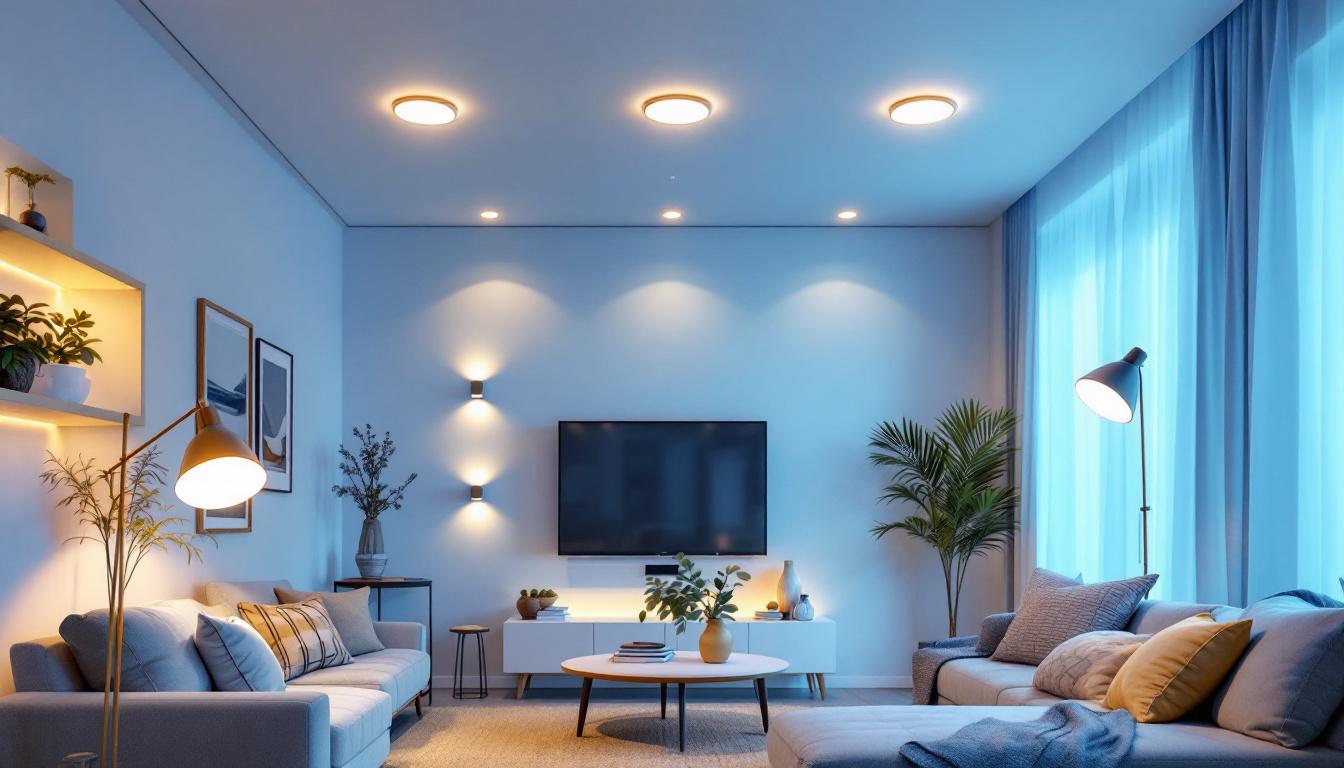
LED puck lights excel at accent and task lighting but often benefit from integration with ambient lighting sources. Pairing puck lights with recessed downlights or wall sconces can create layered lighting that enhances depth and visual interest. This approach also allows contractors to tailor light levels for different activities, improving both functionality and comfort. For instance, in living spaces, combining puck lights with dimmable fixtures can provide flexibility for various occasions, from bright lighting for reading to softer tones for movie nights.
Furthermore, the strategic use of dimmers can elevate the overall lighting experience. By adjusting the intensity of puck lights in conjunction with other fixtures, homeowners can create a dynamic environment that adapts to their needs throughout the day. Incorporating smart lighting technology can also enhance this flexibility, allowing users to control their lighting remotely or set schedules for different times, ensuring that their spaces are always perfectly lit for any occasion.
Choosing the Right LED Puck Light Specifications
Lumens, Color Temperature, and CRI
Understanding the technical specifications of LED puck lights is essential for maximizing efficiency and client satisfaction. Lumens measure brightness; selecting the right lumen output depends on the application. For task lighting, higher lumens (around 300-500 per puck) ensure clarity, while accent lighting may require less. It’s important to consider the specific needs of the space—kitchens and workspaces benefit from brighter light to enhance visibility, while living rooms or bedrooms can thrive with softer, more subdued lighting to create a relaxing environment.
Color temperature affects the mood and usability of a space. Cooler temperatures (4000K-5000K) are ideal for work areas, promoting alertness and visibility. Warmer temperatures (2700K-3000K) create cozy atmospheres, suitable for residential or hospitality settings. The Color Rendering Index (CRI) should be at least 80 to ensure colors appear natural and vibrant under the light. A higher CRI, ideally above 90, is particularly beneficial in settings where color accuracy is crucial, such as art studios or retail spaces, as it allows for a true representation of hues and shades.
Beam Angle and Dimming Compatibility
Beam angle determines the spread of light. Narrow beams focus illumination on specific areas, while wider beams cover more space but with less intensity. Contractors should select beam angles based on the lighting goal—spotlighting artwork versus general illumination requires different approaches. For instance, a narrow beam angle of 15-30 degrees can highlight a sculpture or painting effectively, while a wider beam angle of 60 degrees or more is better suited for ambient lighting in larger rooms, ensuring that no corner is left dim.
Dimming capability is another factor that enhances efficiency. LED puck lights compatible with dimmers allow users to adjust light levels according to need, reducing energy use when full brightness isn’t necessary. Ensuring compatibility with common dimmer types prevents flickering and extends fixture life. Additionally, incorporating smart dimming solutions can further enhance the user experience, allowing for remote adjustments and programmable settings that adapt to different times of day or activities, thereby adding a layer of convenience and sophistication to the lighting design.
Installation Best Practices for Efficiency and Longevity
Proper Wiring and Driver Selection
Efficient installation begins with selecting the right drivers and wiring methods. LED puck lights typically operate on low voltage (12V or 24V), requiring a compatible driver to convert household current safely. Using high-quality drivers with built-in protections against voltage fluctuations ensures stable performance and prevents premature failure.
Contractors should also consider the total wattage of the puck lights connected to a single driver to avoid overloading. Proper wire gauge and secure connections minimize voltage drop, which can dim lights and reduce efficiency. Additionally, it’s advisable to use stranded wire rather than solid wire for longer runs, as it offers better flexibility and resistance to fatigue, especially in applications where the wiring may be subject to movement or vibration.
Heat Management and Fixture Placement
Although LEDs generate less heat than traditional bulbs, proper heat dissipation is crucial for maintaining lifespan and performance. Installing puck lights in enclosed or poorly ventilated spaces without adequate clearance can cause overheating. Choosing fixtures with built-in heat sinks and ensuring they are mounted according to manufacturer guidelines mitigates this risk.
Furthermore, the placement of puck lights plays a significant role in their overall effectiveness. Strategically positioning the lights to avoid direct contact with heat-sensitive materials can help prevent damage and ensure optimal illumination. For instance, when installing under cabinets or in tight spaces, leaving a small gap between the fixture and the surface can enhance airflow, allowing heat to escape more efficiently. Additionally, considering the angle and direction of the light can create a more inviting atmosphere while maximizing the light’s reach, enhancing both functionality and aesthetics in the space.
Maintenance and Troubleshooting for Sustained Efficiency
Routine Cleaning and Inspection
Dust and debris accumulation on puck lights can significantly reduce light output and efficiency. Regular cleaning with a soft cloth and appropriate cleaning agents helps maintain brightness. Contractors should advise clients on simple maintenance routines to prolong fixture life.
Addressing Common Issues
Flickering, dimming, or complete failure often stem from driver issues, wiring faults, or incompatible dimmers. Prompt diagnosis and correction prevent energy waste and dissatisfaction. Keeping a checklist for troubleshooting common problems streamlines service calls and reinforces professional reliability.
Leveraging Technology for Enhanced Control and Efficiency
Smart Controls and Automation
Integrating LED puck lights with smart home or building automation systems unlocks new levels of efficiency. Motion sensors, timers, and daylight harvesting controls adjust lighting based on occupancy and natural light availability, reducing unnecessary energy consumption.
For contractors, offering smart lighting solutions adds value and positions them as forward-thinking professionals. Ensuring compatibility with popular control platforms and providing clear installation guidance supports successful implementation.
Energy Monitoring and Reporting
Some advanced LED puck lighting systems include energy monitoring features, allowing clients to track usage and identify savings opportunities. This data-driven approach encourages responsible energy use and can inform future lighting upgrades or retrofits.
Conclusion: Maximizing Value Through Thoughtful LED Puck Light Implementation
Optimizing LED ceiling puck lights for maximum efficiency requires a combination of technical knowledge, strategic planning, and attention to detail. Selecting the right fixtures, positioning them thoughtfully, ensuring proper installation, and embracing smart technology all contribute to superior lighting solutions.
For lighting contractors, mastering these elements not only enhances project outcomes but also builds trust and long-term client relationships. Efficient LED puck lighting is more than a product choice-it’s a commitment to quality, sustainability, and innovation in every space illuminated.
Illuminate Your Projects with LumenWholesale
Ready to elevate your lighting projects with the efficiency and sophistication of LED ceiling puck lights? At LumenWholesale, we offer contractors the ultimate value in spec-grade lighting solutions. Our extensive selection of premium lighting products is available at unbeatable wholesale prices, ensuring you get the best for less. Say goodbye to middleman markups and hello to hassle-free bulk purchasing with free shipping. Don’t compromise on quality or cost—choose LumenWholesale for reliable, high-performance lighting that meets the highest industry standards. Wholesale Lighting at the Best Value is just a click away. Transform your lighting approach today and see the difference with LumenWholesale.