Understanding the Advantages of 120V LED Landscape Lighting
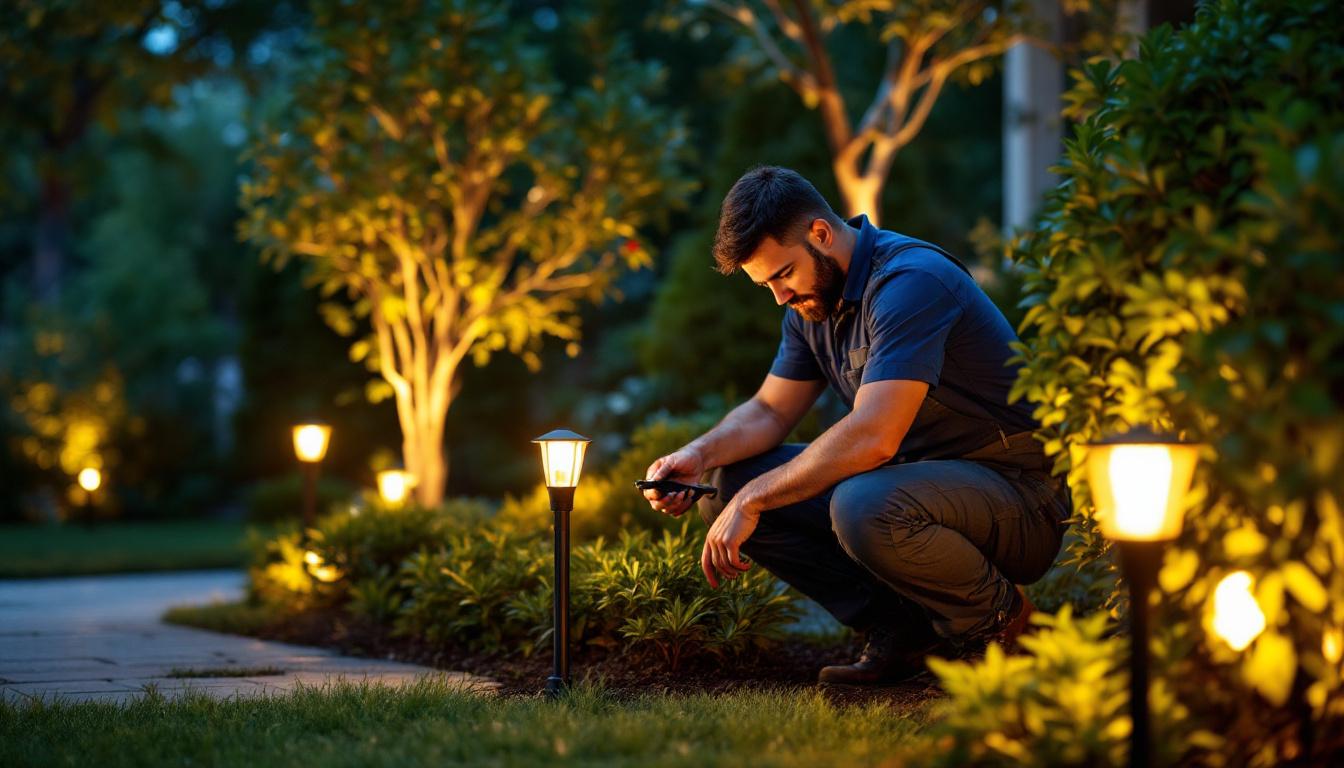
120V LED landscape lighting has become a preferred choice for many lighting contractors due to its balance of power, efficiency, and ease of installation. Unlike low-voltage systems, 120V setups operate directly off standard household current, eliminating the need for transformers and reducing voltage drop concerns over long cable runs.
LED technology paired with 120V power offers superior energy efficiency and longevity. LEDs consume significantly less electricity compared to traditional halogen or incandescent bulbs, which translates to lower operating costs for clients. Additionally, LEDs have a longer lifespan, often exceeding 25,000 hours, minimizing maintenance and replacement frequency.
For contractors, this means fewer callbacks and increased client satisfaction. The ability to install fixtures without complex voltage conversion also simplifies project timelines, especially for larger properties or commercial installations.
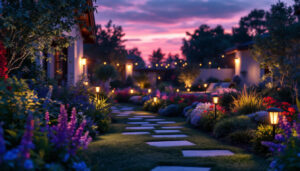
Moreover, 120V LED landscape lighting systems provide enhanced versatility in design. With a wide range of styles, colors, and brightness options available, contractors can create customized lighting schemes that highlight architectural features, pathways, and gardens. This flexibility allows for creative expression while ensuring that the lighting complements the overall aesthetic of the property. Furthermore, many 120V LED fixtures are now equipped with smart technology, enabling remote control and automation, which adds an extra layer of convenience for homeowners.
Additionally, the environmental benefits of using 120V LED landscape lighting cannot be overlooked. By consuming less energy, these systems contribute to reduced greenhouse gas emissions, making them a more sustainable choice for eco-conscious clients. Many municipalities are also offering incentives for energy-efficient installations, which can further offset costs and encourage the adoption of LED technology. As awareness of environmental issues continues to grow, the demand for sustainable lighting solutions like 120V LED systems is likely to increase, positioning contractors who specialize in this technology as leaders in the field.
Key Considerations When Selecting 120V LED Fixtures
Fixture Quality and Durability
Outdoor lighting fixtures must withstand environmental challenges such as moisture, temperature fluctuations, and physical impact. Selecting high-quality, weather-resistant fixtures is crucial. Look for products with a solid IP rating—IP65 or higher is ideal for most landscape applications—to ensure protection against dust and water ingress.
Materials like die-cast aluminum or stainless steel offer durability and corrosion resistance. Avoid cheap plastic fixtures that degrade quickly under UV exposure or harsh weather conditions, as these can lead to premature failures and dissatisfied clients. Additionally, consider fixtures with a powder-coated finish, which can provide an extra layer of protection against the elements, enhancing both longevity and aesthetic appeal. Investing in reputable brands that offer warranties can also provide peace of mind, ensuring that your fixtures will perform well over time and withstand the rigors of outdoor environments.
Light Output and Beam Angle
LEDs come in a variety of lumen outputs and beam angles. For landscape lighting, understanding the intended effect is essential. Narrow beam angles (15° to 30°) are perfect for highlighting architectural features or trees, creating dramatic focal points. Wider beams (60° or more) work well for general area lighting or illuminating pathways.
Contractors should match the fixture’s lumen output to the application. Overly bright lights can cause glare and disrupt the ambiance, while insufficient brightness may fail to provide adequate illumination. Testing different fixtures on-site or using photometric data can help achieve the desired balance. Moreover, consider the use of dimmable fixtures or smart lighting systems that allow for adjustments based on the time of day or specific events, providing flexibility in creating the perfect atmosphere for any occasion.
Color Temperature and CRI
Color temperature influences the mood and appearance of outdoor spaces. Warm white LEDs (2700K to 3000K) create a cozy, inviting atmosphere, ideal for residential settings. Cooler temperatures (4000K to 5000K) offer a crisp, modern look often preferred in commercial or contemporary landscapes.
Color Rendering Index (CRI) measures how accurately a light source reveals colors compared to natural light. A CRI of 80 or above is generally recommended for landscape lighting to ensure plants, materials, and architectural details look natural and vibrant. In addition to CRI, consider the overall color consistency of the fixtures; variations in color temperature can lead to an uneven lighting appearance, detracting from the overall design. Selecting fixtures from the same manufacturer can help maintain uniformity in color, ensuring a cohesive and aesthetically pleasing outdoor environment.
Installation Best Practices for 120V LED Landscape Lighting
Safety First: Electrical Codes and Grounding
Working with 120V systems requires strict adherence to electrical codes and safety standards. Proper grounding is non-negotiable to prevent electrical hazards. Contractors should ensure all fixtures and metal components are correctly grounded using grounding wires or grounding rods as specified by local regulations.
Additionally, installing ground fault circuit interrupters (GFCIs) on outdoor circuits is critical to protect against electrical shock. Regularly inspecting wiring and connections for wear or damage also reduces the risk of malfunctions or fires. It’s also advisable to familiarize yourself with local electrical codes, which can vary significantly from one region to another. Some areas may have specific requirements regarding the types of fixtures that can be used outdoors or the installation methods that are acceptable. Consulting with a licensed electrician can provide peace of mind and ensure compliance with all local regulations.
Wire Selection and Routing
Choosing the right gauge wire is vital to maintain system performance and safety. For 120V landscape lighting, 12 or 14 gauge wire is common, with 12 gauge preferred for longer runs to reduce voltage drop. Using outdoor-rated, direct burial cable ensures durability and resistance to moisture and pests.
Planning wire routes to minimize exposure and avoid physical damage is equally important. Burying cables at the recommended depth and using conduit in high-traffic areas or where digging may occur protects the wiring over time. Additionally, consider the potential for future landscaping changes; marking wire locations can prevent accidental damage during gardening or construction activities. Utilizing landscape fabric or mulch over buried wires can also offer an extra layer of protection while maintaining an aesthetically pleasing appearance in your garden.
Fixture Placement and Spacing
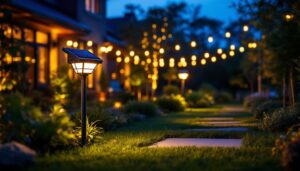
Strategic fixture placement maximizes the impact of landscape lighting. Avoid placing lights too close together, which can create hotspots and uneven lighting. Instead, space fixtures based on their beam angle and lumen output to achieve smooth, balanced illumination.
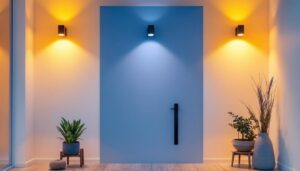
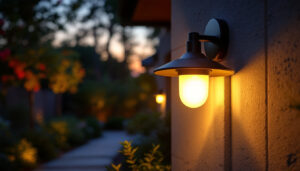
Consider the height and angle of fixtures to prevent glare into neighbors’ windows or driver’s eyes if lighting near roadways. Using adjustable mounts or swivel heads allows fine-tuning after installation to perfect the lighting effect. Moreover, incorporating a mix of fixture types—such as path lights, spotlights, and wall-mounted sconces—can create depth and dimension in your landscape design. Experimenting with different lighting techniques, such as uplighting trees or downlighting pathways, can enhance the visual appeal of your outdoor space while ensuring safety and functionality. When planning your layout, take the time to walk through the area at night to see how the light interacts with the landscape, allowing for adjustments before finalizing the installation.
Maintenance and Troubleshooting Tips
Routine Inspection and Cleaning
Even the best fixtures require regular maintenance to perform optimally. Dirt, debris, and insect buildup can reduce light output and cause overheating. Schedule routine inspections to clean lenses and check for damage or corrosion. Regular cleaning not only enhances the brightness of the fixtures but also helps in identifying potential issues before they escalate into costly repairs. Utilizing a soft cloth and a gentle cleaning solution can effectively remove grime without scratching the surface of the fixtures.
Replacing worn gaskets and seals during maintenance prevents moisture ingress, which can damage LED drivers and internal components. Keeping fixtures clean also extends their lifespan and maintains aesthetic appeal. It’s also advisable to inspect the surrounding landscape for overgrowth that may obstruct light paths. Pruning back foliage not only improves illumination but also reduces the risk of fire hazards associated with dry plant material coming into contact with hot fixtures.
Addressing Common Issues
One common problem with 120V LED landscape lighting is flickering or intermittent operation. This can result from loose connections, faulty switches, or incompatible dimmers. Contractors should use LED-compatible dimmers and verify all wiring connections are secure. Additionally, checking for voltage drops in long runs of wire can help identify issues that may lead to flickering. Using thicker gauge wire for longer distances can mitigate this problem and ensure a steady flow of electricity to the fixtures.
Another issue is unexpected outages, often caused by tripped breakers or GFCIs. Testing circuit components and ensuring the system is not overloaded helps prevent these disruptions. In some cases, replacing defective fixtures or drivers may be necessary. It’s also beneficial to keep a log of any outages and the conditions under which they occur, as this can provide valuable insights into recurring issues. Furthermore, installing surge protectors can safeguard the system against voltage spikes that may lead to premature failure of electronic components.
Enhancing Projects with Smart Controls and Automation
Integrating smart controls into 120V LED landscape lighting systems adds value and convenience for clients. Wireless timers, motion sensors, and app-controlled lighting allow users to customize schedules, adjust brightness, and monitor energy usage remotely.
Lighting contractors can leverage these technologies to offer advanced solutions that improve security, reduce energy consumption, and enhance the overall user experience. Compatibility with existing home automation systems is an important consideration when selecting smart control devices.
Summary: Delivering Quality with 120V LED Landscape Lighting
120V LED landscape lighting offers a powerful combination of efficiency, durability, and ease of installation that benefits both contractors and clients. Success hinges on selecting the right fixtures, adhering to safety standards, and applying thoughtful design principles.
By focusing on quality materials, proper installation techniques, and ongoing maintenance, lighting contractors can create stunning outdoor environments that stand the test of time. Embracing emerging technologies like smart controls further enhances project value and client satisfaction.
Upgrade Your Lighting Projects with LumenWholesale
Ready to elevate your landscape lighting projects with the efficiency and durability of 120V LED systems? At LumenWholesale, we provide lighting contractors with the highest quality, spec-grade lighting products at competitive wholesale prices. Say goodbye to middleman markups and hello to a vast selection of reliable lighting solutions that meet rigorous industry standards. With the added benefits of bulk purchasing, free shipping, and no hidden costs, you can ensure your projects shine with excellence. Don’t compromise on quality or value—choose LumenWholesale for your lighting needs and make your next installation a glowing success. Discover our unbeatable deals and start saving today by visiting our extensive collection at Wholesale Lighting at the Best Value.