Understanding the Role of Outdoor Plastic Light Fixtures
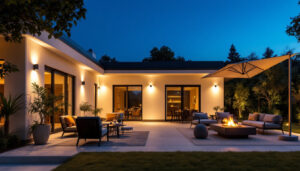
Outdoor lighting is more than just a decorative element; it’s a crucial component of safety, security, and ambiance. When selecting fixtures for exterior lighting projects, the material choice significantly impacts durability, maintenance, and overall performance. Plastic light fixtures have emerged as a popular option among lighting contractors for outdoor installations, and understanding why is essential for making informed decisions.
Plastic fixtures are engineered to withstand harsh environmental conditions while offering versatility in design and installation. Unlike traditional metal or glass fixtures, plastic offers unique advantages that can enhance the longevity and functionality of outdoor lighting systems.
Durability in Harsh Environments
Outdoor lighting fixtures are exposed to a variety of elements—rain, snow, UV rays, temperature fluctuations, and physical impacts. Plastic materials used in light fixtures, such as polycarbonate or acrylic, are specifically designed to resist cracking, fading, and corrosion. This resilience is critical in maintaining the integrity of the fixture over time.
For example, polycarbonate is known for its high impact resistance, making it less likely to shatter when struck by debris or during installation. This is particularly important in public or commercial spaces where fixtures may face accidental impacts or vandalism. Furthermore, the UV resistance of high-quality plastic ensures that colors remain vibrant and do not degrade under prolonged sun exposure, making these fixtures an excellent choice for sunny climates.
Weight and Installation Benefits
Plastic fixtures are significantly lighter than their metal or glass counterparts. This reduced weight simplifies handling and installation, especially when mounting fixtures on poles, walls, or ceilings at heights. Contractors can save time and reduce labor costs, as lighter fixtures require less effort and fewer mounting supports.
Additionally, lighter fixtures reduce strain on mounting hardware and structures, potentially extending the lifespan of the entire installation. This is a practical consideration in large-scale projects where fixture weight can add up quickly. Moreover, the ease of installation allows for more creative lighting designs, as contractors can experiment with various placements without the concern of overloading structural supports. This flexibility can lead to innovative lighting solutions that enhance the aesthetic appeal of outdoor spaces, from gardens to walkways, ensuring that functionality and beauty go hand in hand.
Material Properties That Make Plastic Ideal for Outdoor Use
Not all plastics are created equal, and the choice of plastic material directly affects the fixture’s performance. The most common plastics used in outdoor fixtures include polycarbonate, acrylic, and PVC, each with distinct properties suited to different applications.
Polycarbonate: Strength and UV Resistance
Polycarbonate is prized for its toughness and clarity. It can withstand impacts that would easily damage glass, which is why it’s often used in areas prone to vandalism or accidental damage. Its inherent UV resistance helps prevent yellowing and degradation caused by prolonged sun exposure, maintaining the fixture’s appearance and light output over time. Additionally, polycarbonate is lightweight, making it easier to install and handle compared to heavier materials. This versatility allows for innovative designs in outdoor lighting, such as sleek, modern fixtures that blend seamlessly into their surroundings while providing robust performance.
Acrylic: Clarity and Aesthetic Appeal
Acrylic offers excellent optical clarity, making it a preferred choice for fixtures where light diffusion and aesthetics are important. While not as impact-resistant as polycarbonate, acrylic still holds up well under outdoor conditions and offers good resistance to UV rays. It is often used in decorative fixtures or where a crystal-clear lens is desired. Furthermore, acrylic can be easily molded into various shapes and sizes, allowing designers to create unique and artistic lighting solutions that enhance outdoor spaces. Its ability to be tinted or colored also opens up a range of design possibilities, enabling the creation of vibrant lighting effects that can transform gardens, patios, and walkways.
PVC: Cost-Effectiveness and Chemical Resistance
PVC is less common for fixture lenses but is frequently used in housing and mounting components due to its chemical resistance and affordability. It performs well in environments where exposure to chemicals or pollutants might degrade other materials. Moreover, PVC is known for its durability and low maintenance requirements, making it an ideal choice for outdoor applications where fixtures are exposed to harsh weather conditions. Its resistance to corrosion and moisture ensures that PVC components can withstand rain, snow, and humidity without compromising structural integrity. This makes it a popular choice for outdoor electrical enclosures and conduit systems, ensuring that the essential components of outdoor lighting remain protected and functional over time.
Why Plastic Fixtures Improve Safety and Compliance
Lighting contractors must consider safety and regulatory compliance when selecting fixtures. Plastic outdoor light fixtures contribute positively in several ways.
Electrical Safety and Insulation
Plastic is a non-conductive material, which reduces the risk of electrical shock or short circuits. This inherent insulation property is especially beneficial in damp or wet environments, such as near pools, fountains, or in coastal areas where moisture is prevalent.
Fixtures made with plastic housings can help meet stringent electrical codes and safety standards, providing peace of mind for contractors and clients alike.
Fire Resistance and Heat Management
Modern plastic materials used in outdoor lighting are often treated with flame retardants to reduce fire risk. Additionally, plastic fixtures are designed to dissipate heat efficiently, preventing overheating of the light source and surrounding materials. This is crucial for LED installations, where heat management directly affects performance and lifespan.
Cost Efficiency and Maintenance Advantages
Budget considerations are always top of mind for contractors and clients. Plastic fixtures offer compelling cost benefits without sacrificing quality.
Lower Initial and Replacement Costs
Plastic fixtures typically cost less upfront than metal or glass alternatives. This makes them an attractive option for large-scale projects or budget-conscious clients. When replacement is necessary, plastic components are often more affordable and easier to source.
Reduced Maintenance Requirements
Plastic’s resistance to corrosion and fading means fewer repairs and less frequent replacement. Unlike metal fixtures that may rust or require repainting, plastic maintains its appearance with minimal upkeep. This translates into long-term savings on labor and materials.
Cleaning plastic fixtures is also straightforward, as they resist staining and can be wiped down with mild detergents without damage.
Design Flexibility and Aesthetic Options
Plastic’s versatility extends beyond durability and cost. It allows for a wide range of shapes, colors, and finishes, enabling contractors to meet diverse design requirements.
Customization and Integration
Manufacturers can mold plastic into complex shapes that might be difficult or expensive to achieve with metal or glass. This flexibility supports innovative designs, from sleek modern fixtures to traditional styles, enhancing the visual appeal of outdoor spaces.
Plastic fixtures can also integrate seamlessly with smart lighting technologies, including sensors and wireless controls, without compromising their structural integrity.
Color Retention and Finish Options
Plastic materials can be tinted or coated to maintain vibrant colors over time. This is particularly useful in branding or thematic lighting projects where color consistency is key. Matte, glossy, or textured finishes are also achievable, allowing fixtures to complement various architectural styles.
Environmental Considerations and Sustainability
As sustainability becomes a priority in construction and design, the environmental impact of lighting fixtures cannot be overlooked. Plastic fixtures offer both challenges and opportunities in this area.
Recyclability and Material Innovations
Many plastic materials used in outdoor fixtures are recyclable, and advances in polymer technology are leading to more eco-friendly options. Some manufacturers now produce fixtures from recycled plastics or bio-based polymers, reducing the carbon footprint of lighting installations.
Energy Efficiency Contributions
Plastic fixtures often pair well with LED technology, which consumes less energy and has a longer lifespan than traditional bulbs. The ability of plastic to withstand heat and environmental stress supports the efficient operation of LEDs, contributing indirectly to energy savings and reduced waste.
Common Challenges and How to Address Them
No material is without its drawbacks, and plastic fixtures present some challenges that contractors should be aware of.
Potential for Discoloration and Wear
Despite UV resistance, prolonged exposure to intense sunlight can eventually cause some plastics to yellow or become brittle. Selecting high-quality, UV-stabilized plastics and specifying appropriate protective coatings can mitigate this risk.
Temperature Sensitivity
Extreme cold can make some plastics more brittle, while excessive heat may cause deformation. Understanding the climate and environmental conditions of the installation site is crucial when choosing the right plastic material and fixture design.
Mechanical Strength Limitations
While impact-resistant plastics like polycarbonate are robust, they may not match the structural strength of metals in certain applications. For high-impact or load-bearing installations, combining plastic with metal components or reinforcing the fixture may be necessary.
Best Practices for Lighting Contractors Using Plastic Fixtures
Maximizing the benefits of outdoor plastic light fixtures involves careful planning and execution.
Assess Site Conditions Thoroughly
Evaluate environmental factors such as exposure to sunlight, temperature extremes, moisture, and potential physical impacts. This assessment guides material selection and fixture placement to ensure durability and performance.
Choose Certified and Tested Products
Opt for fixtures that comply with industry standards and certifications, such as UL listing or IP ratings for water and dust resistance. Verified products offer reliability and reduce the risk of premature failure.
Implement Proper Installation Techniques
Follow manufacturer guidelines for mounting and wiring to avoid stress on plastic components. Use compatible hardware and sealants to protect against moisture ingress and mechanical strain.
Plan for Maintenance and Inspection
Schedule regular inspections to identify signs of wear, discoloration, or damage early. Cleaning and minor repairs can extend fixture life and maintain optimal lighting conditions.
Conclusion: Why Plastic Matters in Outdoor Lighting
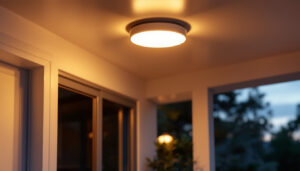
Outdoor plastic light fixtures represent a practical, cost-effective, and versatile solution for lighting contractors. Their durability, safety features, and design flexibility make them well-suited for a wide range of applications-from residential pathways to commercial parking lots and public spaces.
Understanding the unique properties and potential limitations of plastic fixtures enables contractors to select the right products for each project, ensuring longevity and client satisfaction. As lighting technology and materials continue to evolve, plastic fixtures will remain a critical component in delivering efficient, attractive, and reliable outdoor lighting installations.
Illuminate Your Projects with LumenWholesale
Ready to elevate your outdoor lighting installations with fixtures that promise durability, safety, and design versatility? Look no further than LumenWholesale, where we provide contractors with the highest quality, spec-grade lighting products at unbeatable wholesale prices. Say goodbye to inflated markups and hello to a vast selection of reliable, high-performance lighting that meets the most rigorous industry standards. With the added convenience of free shipping on bulk orders, LumenWholesale is your go-to source for premium lighting solutions that blend quality, affordability, and hassle-free service. Don’t settle for less; ensure the longevity and satisfaction of your clients’ projects. Discover the best value in wholesale lighting by visiting Wholesale Lighting at the Best Value today.