Why Stair Lighting Matters More Than Ever
Staircases are more than just functional elements in a building—they’re architectural features that can define the space’s character and safety standards. For lighting contractors, mastering stair lighting is an opportunity to blend aesthetics with practicality. Properly illuminated stairs reduce accidents, enhance ambiance, and elevate the overall user experience.
Statistics consistently show that falls on stairs are a leading cause of injury in both residential and commercial settings. Poor visibility is a major factor. This makes stair lighting not just a design choice but a critical safety measure. Contractors who understand the nuances of stair lighting can provide solutions that meet building codes while exceeding client expectations.
In addition to safety, the right stair lighting can dramatically transform the atmosphere of a space. For instance, using LED strip lights along the edges of steps can create a modern, sleek look while providing essential illumination. This not only guides users safely but also adds a touch of elegance to the staircase. Furthermore, the use of dimmable lighting options allows for flexibility in mood setting, making staircases feel inviting during social gatherings or calming during late-night hours.
Moreover, the integration of smart lighting technology into stair lighting systems is becoming increasingly popular. With motion sensors and programmable settings, lights can automatically turn on as someone approaches the stairs, ensuring visibility without the need for manual switches. This not only enhances convenience but also contributes to energy efficiency. As more homeowners and businesses look for sustainable solutions, incorporating such technologies into stair lighting designs can set contractors apart in a competitive market, showcasing their commitment to innovation and client satisfaction.
Understanding the Basics of Stair Lighting
Types of Stair Lighting
Lighting contractors should familiarize themselves with several common types of stair lighting. These include:
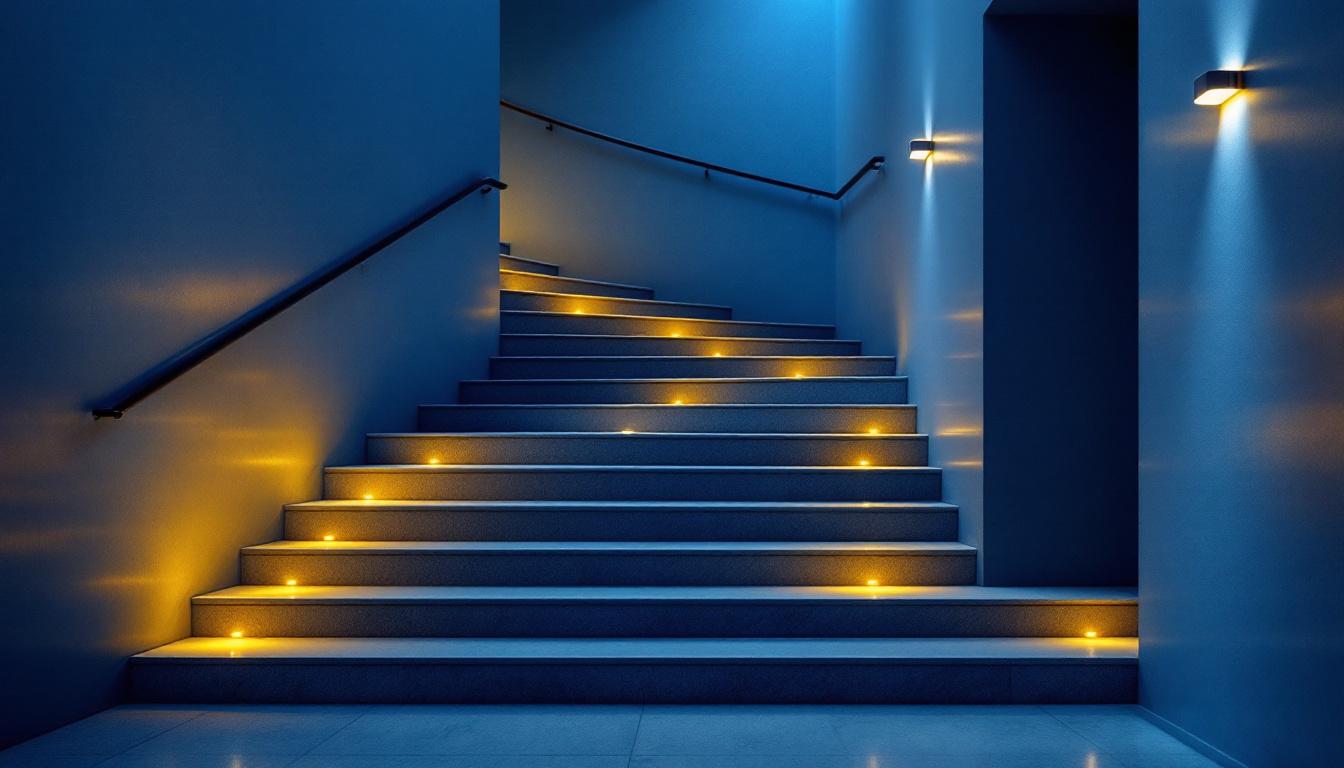
- Step Lights: Small fixtures installed directly into the riser or side wall to illuminate each step.
- Handrail Lighting: LED strips or integrated fixtures that run along the handrail, offering subtle yet effective illumination.
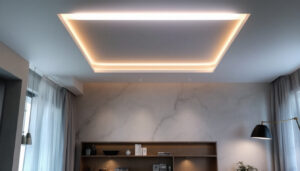
- Recessed Lighting: Fixtures embedded into walls or ceilings near the stairs, providing indirect light.
- Overhead Lighting: Pendant or chandelier fixtures positioned above the staircase for general illumination.
Each type serves a distinct purpose. Step lights and handrail lighting focus on safety and guidance, while recessed and overhead lighting enhance the overall ambiance. The choice of lighting can also contribute to the aesthetic appeal of the staircase, transforming a functional space into a visually striking feature of the home. For instance, a well-placed chandelier can serve as a stunning focal point, drawing the eye upward and adding a sense of grandeur to the entryway.
Key Considerations for Stair Lighting Design
Several factors influence the effectiveness of stair lighting:
- Brightness and Uniformity: Lighting should be bright enough to highlight each step without causing glare or harsh shadows.
- Color Temperature: Warm white (2700K-3000K) creates a cozy atmosphere, while cooler temperatures (3500K-4000K) offer a modern, crisp look.
- Energy Efficiency: LED technology is preferred for its longevity and low power consumption.
- Compliance: Adhering to local building codes and safety regulations is non-negotiable.
Balancing these elements requires a contractor’s keen eye and technical knowledge. Additionally, the layout of the staircase itself can influence lighting decisions; for example, a straight staircase may benefit from a different lighting scheme than a spiral staircase. Furthermore, the use of dimmers can provide flexibility, allowing homeowners to adjust the brightness according to their needs or mood. This adaptability can enhance the overall experience of using the staircase, making it not just a means of transition between floors but a space that invites enjoyment and comfort.
Technical Mastery: Installation Tips for Lighting Contractors
Planning and Layout
Before installation, thorough planning is essential. Contractors should assess the staircase’s dimensions, materials, and surrounding environment. This helps determine the optimal placement of fixtures to avoid uneven lighting or dark spots.
Using lighting design software or simple scaled drawings can assist in visualizing the final outcome. It’s also important to coordinate with other trades, such as carpenters and electricians, to ensure seamless integration. Additionally, considering the flow of foot traffic and the natural light available in the space can influence the choice of fixtures and their placement. For instance, if a staircase is located near a window, contractors might opt for softer lighting to complement the natural light during the day, while ensuring that it remains functional and safe during the evening hours.
Wiring and Power Supply Considerations
Stair lighting often involves low-voltage LED systems, which require transformers or drivers. Proper wiring ensures safety and performance. Contractors must select wiring that meets current electrical codes and is suitable for the installation environment, especially in damp or outdoor areas.
Concealing wiring within walls or under stair treads maintains a clean look. Junction boxes and access points should be strategically placed for ease of maintenance without compromising aesthetics. Furthermore, it’s beneficial to consider the future scalability of the lighting system. Contractors should leave room for additional fixtures or upgrades, such as smart lighting options that can be controlled via mobile devices or integrated into home automation systems. This foresight not only enhances the functionality of the staircase but also adds value to the property.
Fixture Selection and Mounting
Choosing the right fixtures is crucial. Durable, moisture-resistant fixtures are necessary for outdoor or high-traffic areas. For indoor stairs, design preferences and client tastes come into play.
Mounting fixtures flush with surfaces prevents tripping hazards and damage. For example, step lights recessed into risers provide subtle illumination without protruding parts. Handrail lighting should be installed to avoid interference with grip or movement. Additionally, the color temperature of the lighting can greatly affect the ambiance. Warmer tones create a cozy atmosphere, ideal for residential spaces, while cooler tones may be more appropriate for commercial environments. Contractors should also consider the energy efficiency of the fixtures, opting for LED options that not only reduce energy consumption but also have a longer lifespan, ultimately benefiting both the client and the environment.
Advanced Techniques and Trends in Stair Lighting
Smart Lighting Integration
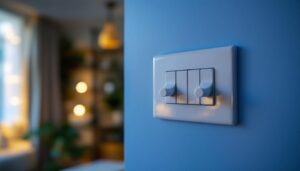
Smart lighting systems allow for dynamic control of stair illumination. Contractors can install sensors that activate lights when someone approaches, enhancing energy efficiency and convenience. Dimming capabilities and color-changing LEDs offer customizable atmospheres tailored to different times of day or events. For instance, a warm, soft glow can create a cozy ambiance for evening gatherings, while brighter, cooler tones can enhance visibility during daytime use.
Integration with home automation platforms adds value and appeal, especially in high-end residential or commercial projects. Homeowners can control their stair lighting remotely via smartphones or voice commands, making it easier to manage energy consumption and security. Furthermore, these systems can be programmed to sync with other smart devices, such as security cameras or motion detectors, ensuring that the stairway is well-lit when needed, thus enhancing safety and peace of mind.
Creative Design Approaches
Lighting contractors can push boundaries by combining materials and light. For instance, illuminating glass stair treads or using LED strips behind translucent panels creates a floating effect. Layering light sources—such as combining step lights with overhead pendants—adds depth and drama. This multi-layered approach not only highlights the architectural features of the staircase but also contributes to the overall aesthetic of the space, making it a focal point in the home or business.
Understanding how light interacts with textures and colors is key to achieving striking results that clients will appreciate. For example, a staircase with wooden steps can be accentuated with warm-toned lighting that enhances the natural grain of the wood, while a modern metal staircase might benefit from cooler, more industrial lighting solutions. Additionally, the use of colored filters or gels can transform a simple staircase into a vibrant art piece, allowing for seasonal changes or special occasions to be reflected in the lighting design.
Common Challenges and How to Overcome Them
Dealing with Limited Space
Many staircases have narrow or confined spaces, making fixture installation tricky. In these cases, slim-profile LED strips or micro fixtures are ideal. Contractors should also consider indirect lighting options to avoid clutter. Furthermore, utilizing wall-mounted fixtures can free up floor space while providing adequate illumination. Integrating lighting into the staircase design itself, such as under the treads or along the risers, can enhance both functionality and aesthetics without encroaching on the limited area.
Ensuring Longevity and Maintenance
Stair lighting fixtures are subject to wear, dust, and potential impact. Selecting robust materials and easy-to-clean designs helps maintain performance over time. Providing clients with maintenance guidelines and accessible fixture placement reduces future service calls. Additionally, incorporating smart technology can be beneficial; for instance, motion sensors can help extend the life of the fixtures by ensuring they are only active when needed. Offering clients a warranty or service plan can also instill confidence in the durability of the lighting solutions provided.
Balancing Safety and Aesthetics
Sometimes, clients prioritize design over safety or vice versa. Lighting contractors must educate clients about the importance of consistent, glare-free illumination that prevents accidents. Offering mock-ups or samples can help clients visualize practical yet beautiful solutions. It’s also essential to discuss the color temperature of the lighting; warmer tones can create a welcoming atmosphere, while cooler tones may enhance visibility. By presenting various design options that meet safety standards without compromising style, contractors can help clients make informed decisions that enhance both the beauty and functionality of their staircases.
Final Thoughts for Lighting Contractors
Mastering stair lighting involves more than technical skill-it requires an understanding of safety, design, and client needs. Lighting contractors who invest time in planning, stay updated on technology, and communicate effectively with clients will deliver superior results.
Stairs with lights are a powerful way to transform a space. When done right, they combine function and flair, making every step safer and more inviting.
Illuminate Your Projects with LumenWholesale
Ready to elevate your stair lighting projects with the perfect blend of safety, design, and innovation? Look no further than LumenWholesale for all your lighting needs. Our spec-grade lighting products are designed to meet the highest industry standards, ensuring that every step you light is both safe and stylish. With unbeatable wholesale prices and the convenience of bulk buying without hidden fees, LumenWholesale is your go-to source for premium lighting solutions. Don’t let middleman markups dim your vision. Experience quality, affordability, and hassle-free shopping with free shipping. Make your next project shine by visiting Wholesale Lighting at the Best Value today.