Understanding the Benefits of Solar Power for Parking Lot Lighting
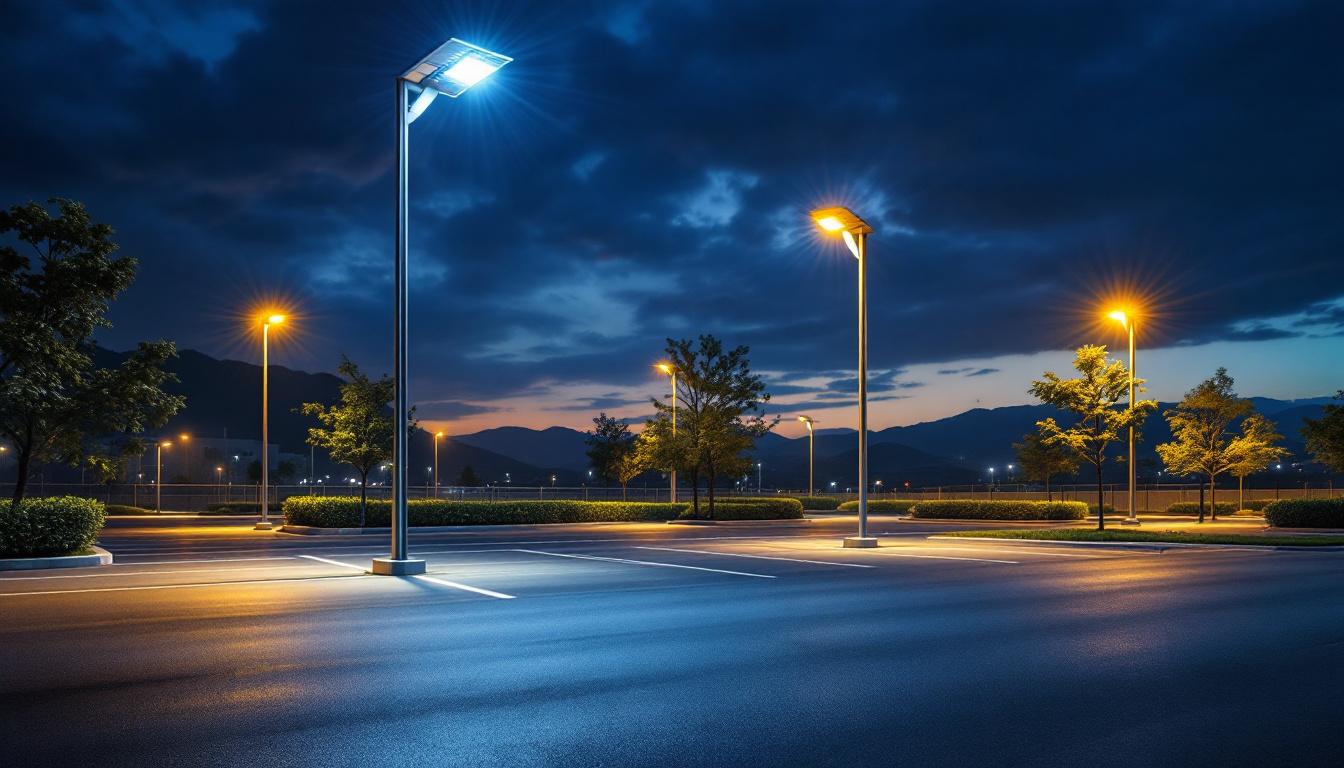
Solar power parking lot lights are no longer a niche option; they have become a practical and increasingly popular choice for commercial and municipal projects. For lighting contractors, embracing solar technology means tapping into a solution that offers cost savings, environmental benefits, and simplified installation.
One of the biggest advantages is the reduction in operational costs. Traditional parking lot lighting requires extensive wiring, trenching, and connection to the electrical grid, which can be expensive and time-consuming. Solar lights operate independently, drawing energy from the sun and storing it in batteries, eliminating the need for complex electrical infrastructure.
Additionally, solar lighting systems contribute to sustainability goals. Many clients are looking for green solutions that reduce carbon footprints. Installing solar-powered fixtures aligns with these priorities, helping contractors meet client demands while positioning themselves as forward-thinking professionals.
Moreover, solar parking lot lights are equipped with advanced technology, such as motion sensors and dimming capabilities, which can further enhance their efficiency. These features allow the lights to adjust their brightness based on the presence of pedestrians or vehicles, conserving energy when full illumination is unnecessary. This adaptability not only prolongs the lifespan of the solar batteries but also enhances safety and visibility in areas where foot traffic may vary throughout the night.
Furthermore, the installation of solar lights can significantly improve the aesthetic appeal of a parking lot. With a variety of designs and styles available, contractors can choose fixtures that complement the architecture of surrounding buildings or the landscaping of the area. This attention to detail can elevate the overall experience for users, making the parking lot not just a functional space, but also an inviting environment. As municipalities and businesses strive to create more attractive and user-friendly spaces, solar lighting becomes a key component in achieving these goals.
Choosing the Right Solar Lighting System
Assessing Site Conditions and Solar Potential
Before selecting a solar lighting system, contractors must conduct a thorough site assessment. The amount of sunlight the location receives directly impacts the effectiveness of solar panels. Shaded areas, tall buildings, or dense tree coverage can reduce solar exposure, leading to insufficient charging and poor lighting performance.
Using tools like solar pathfinders or smartphone apps that estimate solar irradiance can help determine whether a site is suitable for solar lighting. If the location is marginal, hybrid systems that combine solar with grid power may be a better option to ensure reliability. Additionally, considering the seasonal variations in sunlight is crucial; some regions may experience significant changes in daylight hours, which can affect solar energy generation throughout the year. Understanding these patterns allows for better planning and installation of solar lighting systems that can adapt to changing conditions.
Evaluating Battery Capacity and Lifespan
The battery is the heart of any solar lighting system. Lighting contractors should prioritize batteries with high capacity and long cycle life. Lithium-ion batteries, for example, offer longer lifespans and better performance in various temperatures compared to traditional lead-acid batteries.
Understanding battery specifications, such as ampere-hour rating and depth of discharge, is essential. These factors influence how long the light can operate during cloudy days or extended periods without sunlight. Recommending quality batteries upfront can prevent premature failures and reduce maintenance calls. Furthermore, it is beneficial to consider the environmental impact of battery disposal and recycling. Opting for batteries that are easier to recycle can enhance the sustainability of the solar lighting system and align with eco-friendly practices.
LED Fixtures and Light Distribution
LED technology has revolutionized outdoor lighting, providing bright illumination with minimal energy consumption. When selecting fixtures for solar parking lot lights, contractors should focus on LED modules that offer high lumens per watt and consistent color temperature.
Light distribution patterns are equally important. The goal is to provide uniform lighting across the parking area without creating glare or dark spots. Fixtures with adjustable heads or lenses can help tailor the light spread to the specific layout of the lot. Additionally, considering the color rendering index (CRI) of the LED fixtures can enhance visibility and safety, as higher CRI values allow colors to appear more accurately under artificial light. This is particularly important in areas where pedestrians and vehicles interact, as it can improve overall safety and security during nighttime hours.
Installation Best Practices for Solar Parking Lot Lights
Site Preparation and Pole Placement
Proper site preparation sets the stage for a successful installation. Poles should be positioned to maximize solar panel exposure while ensuring optimal light coverage. Avoid placing poles too close to obstructions that could cast shadows on the panels. Additionally, consider the layout of the parking lot and the typical traffic patterns; this can help in determining the best locations for poles to enhance visibility and safety for both vehicles and pedestrians.
Contractors should also verify soil conditions to determine the appropriate foundation type. In some cases, concrete footings are necessary to secure poles against wind loads and other environmental factors. Conducting a soil test can provide insights into the soil’s bearing capacity, which is essential for selecting the right pole height and foundation design. Furthermore, it’s advisable to check local regulations regarding pole heights and spacing to ensure compliance with safety standards.
Panel Orientation and Tilt Angle
The orientation and tilt of solar panels significantly affect energy capture. Panels should generally face true south in the northern hemisphere or true north in the southern hemisphere to maximize sunlight absorption throughout the day. This positioning is crucial not only for daily energy production but also for ensuring that the system performs efficiently throughout the year, particularly during winter months when the sun’s angle is lower.
The tilt angle should correspond to the site’s latitude, but slight adjustments can optimize performance for seasonal variations. Some advanced systems include adjustable mounts that allow fine-tuning after installation. Additionally, it’s beneficial to consider the potential for future obstructions, such as nearby trees or buildings that may grow or be constructed, which could impact sunlight exposure over time. Regular maintenance checks can also help in adjusting the angle as necessary to maintain optimal performance.
Wiring and Component Integration
Even though solar parking lot lights reduce wiring compared to traditional systems, attention to wiring quality remains crucial. Use weather-resistant connectors and conduit to protect against moisture and corrosion. The choice of wiring gauge is also important; using an appropriate gauge can minimize voltage drop and ensure efficient power delivery from the solar panels to the lights.
Integrate components such as charge controllers, batteries, and LED drivers according to manufacturer specifications. Proper integration ensures system longevity and prevents issues like overcharging or deep discharge of batteries. Additionally, consider implementing a monitoring system that tracks energy production and consumption. This data can be invaluable for troubleshooting and optimizing the system’s performance over time, allowing for informed decisions regarding maintenance and potential upgrades.
Maintenance and Troubleshooting Tips
Routine Inspection and Cleaning
Solar panels accumulate dust, debris, and bird droppings that can reduce efficiency. Scheduling regular cleaning-typically every few months-helps maintain optimal energy absorption.
Inspect batteries and electrical connections for signs of corrosion or wear. Catching potential problems early can prevent system downtime and costly repairs.
Monitoring System Performance
Many modern solar lighting systems come equipped with remote monitoring capabilities. Contractors can use these tools to track battery voltage, charging status, and light output in real time.
For systems without remote monitoring, periodic manual checks are essential. Measuring voltage and current with a multimeter can help diagnose issues before they escalate.
Common Troubleshooting Scenarios
If lights fail to turn on or operate for shorter durations than expected, the cause often lies in battery health or panel shading. Replacing degraded batteries or trimming nearby vegetation can restore performance.
Other issues might include loose wiring or faulty charge controllers. Systematic troubleshooting-starting from the panel and moving through the components-helps isolate and resolve problems efficiently.
Working with Clients: Setting Expectations and Providing Value
Educating Clients on Solar Lighting Capabilities and Limitations
Clients may have unrealistic expectations about solar lighting, expecting it to perform identically to grid-powered systems in all conditions. Lighting contractors should clearly explain factors like reduced output during extended cloudy periods and the importance of proper maintenance.
Providing detailed information upfront helps build trust and reduces the likelihood of dissatisfaction or disputes later on.
Offering Customized Solutions
Every parking lot has unique requirements. Contractors who tailor solar lighting designs to specific site conditions and client needs stand out in the market. This might include integrating motion sensors to conserve energy or combining solar lights with traditional fixtures for hybrid setups.
Customization also extends to aesthetics. Offering options for pole styles, fixture designs, and light color temperatures allows clients to align lighting with their brand or community standards.
Highlighting Long-Term Savings and Environmental Impact
While the initial investment in solar parking lot lights can be higher than traditional systems, emphasizing long-term savings on electricity and maintenance costs resonates with clients. Providing clear return-on-investment calculations can make the decision easier.
Additionally, showcasing the environmental benefits-such as reduced greenhouse gas emissions and decreased reliance on fossil fuels-adds value to the proposal and appeals to sustainability-minded stakeholders.
Staying Ahead: Trends and Innovations in Solar Parking Lot Lighting
Lighting contractors who stay informed about emerging technologies maintain a competitive edge. Advances in battery chemistry, such as solid-state batteries, promise longer life and improved safety. Meanwhile, smart lighting controls enable adaptive brightness levels based on occupancy or ambient conditions, enhancing energy efficiency.
Integration with IoT platforms allows for centralized management of multiple lighting sites, useful for large-scale municipal or commercial projects. These innovations not only improve performance but also create opportunities for contractors to offer premium services.
Summary
Solar power parking lot lights offer a compelling alternative to traditional lighting systems, combining cost savings, environmental benefits, and installation flexibility. For lighting contractors, success hinges on careful site assessment, selecting quality components, following best installation practices, and providing ongoing maintenance.
Clear communication with clients about system capabilities and realistic expectations builds trust and satisfaction. Embracing the latest trends and technologies keeps contractors at the forefront of the industry, ready to deliver efficient, sustainable lighting solutions that meet the evolving needs of their clients.
Illuminate Your Projects with LumenWholesale
Ready to elevate your lighting projects with the most cost-effective, environmentally friendly, and high-quality solutions? Look no further than LumenWholesale. Our spec-grade solar power parking lot lights are designed to meet the highest industry standards, ensuring your installations shine with reliability and performance. Say goodbye to middleman markups and hello to unbeatable wholesale prices, complemented by the convenience of free shipping on bulk orders. Don’t compromise on quality or value—choose LumenWholesale for your lighting needs and make your next project a beacon of excellence. Discover our extensive selection and take advantage of the best value in wholesale lighting by visiting Wholesale Lighting at the Best Value today.