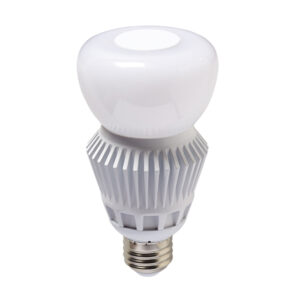
Understanding the Challenges of Dimming LED Lights
LED lighting has transformed the industry with its energy efficiency, longevity, and versatility. However, integrating LED lights with dimmer switches is not as straightforward as with traditional incandescent bulbs. Many lighting contractors encounter issues such as flickering, buzzing, or limited dimming range when working with LED dimmers. These problems often stem from the fundamental differences in how LEDs operate compared to older lighting technologies.
Unlike incandescent bulbs that rely on a filament heated by electrical current, LEDs use semiconductor diodes that require a constant current. This means that traditional dimmer switches, designed for resistive loads, may not be compatible with LED fixtures. Without the right dimmer, LED lights can behave unpredictably, causing frustration for both contractors and clients.
Moreover, the market for LED dimmers is not as standardized as one might hope. There are various types of dimmers, including trailing-edge and leading-edge dimmers, each with different mechanisms for controlling the flow of electricity. Trailing-edge dimmers, which are often recommended for LEDs, provide smoother dimming and are less likely to cause flickering. However, many contractors may still default to older leading-edge models out of habit, leading to compatibility issues. This lack of awareness can significantly impact the performance of the lighting system and the overall satisfaction of the end-user.
Additionally, the quality of the LED bulbs themselves can vary widely, further complicating the dimming process. Cheaper LED bulbs may not be designed to work well with dimmers, leading to inconsistent performance. It’s essential for contractors to educate their clients on the importance of selecting high-quality LED products that are explicitly labeled as dimmable. By doing so, they can help ensure a smoother integration with dimmer switches and enhance the overall lighting experience in residential and commercial spaces alike.
Why Proper LED Dimmer Selection Matters
Choosing the correct dimmer switch for LED lights is crucial for ensuring optimal performance. Lighting contractors must understand the electrical characteristics of LED drivers and how they interact with dimmer circuits. Using incompatible dimmers can lead to premature LED failure, reduced energy savings, and poor lighting quality.
For contractors, the stakes are high. A poorly executed LED dimming installation can result in callbacks, warranty claims, and damage to professional reputation. On the other hand, selecting and installing the right LED-compatible dimmer switch enhances client satisfaction and showcases technical expertise.
Energy Efficiency and Cost Savings
LEDs are already energy-efficient, but pairing them with a compatible dimmer switch can maximize savings. Dimming reduces power consumption proportionally, extending the lifespan of the LEDs and lowering electricity bills. Lighting contractors who emphasize this benefit can provide clients with both immediate and long-term value.
Moreover, the environmental impact of energy savings cannot be overlooked. By reducing energy consumption, clients contribute to lower carbon footprints, aligning with global sustainability goals. This aspect is especially appealing to eco-conscious consumers who prioritize green building practices and energy-efficient solutions in their projects. Contractors can leverage this knowledge to position themselves as leaders in sustainable lighting solutions, attracting a clientele that values both performance and environmental responsibility.
Enhanced Lighting Control and Ambiance
Dimmer switches allow precise control over light levels, creating the desired mood and functionality in any space. For residential, commercial, or hospitality projects, this flexibility is a significant selling point. Proper LED dimming ensures smooth transitions and eliminates flicker, which can be distracting or even cause headaches.
In addition to enhancing ambiance, the ability to adjust lighting levels can significantly impact productivity and comfort in work environments. Studies have shown that well-lit spaces can improve focus and reduce eye strain, making dimmable LED solutions particularly beneficial in offices and educational settings. Contractors who highlight these advantages can provide tailored lighting solutions that meet specific client needs, ultimately leading to more successful projects and satisfied customers. Furthermore, the integration of smart dimming technologies allows for even greater control, enabling users to adjust lighting via mobile apps or voice commands, thus appealing to the tech-savvy market segment.
Key Features Lighting Contractors Should Look for in LED Dimmer Switches
Not all dimmer switches are created equal. When specifying dimmers for LED lighting projects, contractors should consider several critical features to guarantee compatibility and performance.
Compatibility with LED Loads
Ensure the dimmer is explicitly rated for LED loads. This information is usually provided by manufacturers and indicates the dimmer’s ability to handle low-wattage, electronic driver-based lighting. Using a dimmer designed for incandescent or halogen bulbs with LEDs often leads to poor results. Incompatibility can manifest as flickering, limited dimming range, or even complete failure to operate, which can be frustrating for both contractors and end-users. Therefore, it’s essential to consult the dimmer’s specifications and the LED fixtures’ requirements to ensure a harmonious pairing.
Minimum and Maximum Load Ratings
LED fixtures typically draw much less current than traditional bulbs. Dimmer switches have minimum load requirements that must be met to operate correctly. Contractors should verify that the total wattage of the LED fixtures falls within the dimmer’s specified range. In some cases, adding dummy loads or choosing dimmers with ultra-low minimum load ratings may be necessary. Additionally, understanding the maximum load is equally crucial, as exceeding this limit can lead to overheating and potential damage to the dimmer or the fixtures. A thorough assessment of the entire lighting system’s wattage will help ensure optimal performance and longevity.
Type of Dimming Technology
Two primary dimming methods exist: leading-edge (forward phase) and trailing-edge (reverse phase). Trailing-edge dimmers are generally preferred for LEDs because they provide smoother dimming, less noise, and better compatibility with electronic drivers. Lighting contractors should prioritize trailing-edge dimmers unless the LED manufacturer specifies otherwise. Furthermore, understanding the nuances between these technologies can aid in selecting the right dimmer for specific applications, such as residential versus commercial settings, where different lighting dynamics may be at play.
Adjustable Settings and Fine-Tuning
Some LED dimmers offer adjustable trim or sensitivity settings. These allow contractors to fine-tune the dimming range and eliminate flicker or buzzing. This feature is especially valuable in complex installations with multiple fixtures or mixed lighting types. The ability to customize settings can enhance user experience significantly, allowing for tailored ambiance in various environments, from cozy living rooms to vibrant retail spaces. Moreover, advanced dimmers may include features such as remote control capabilities or integration with smart home systems, providing even greater flexibility and control over lighting scenarios.
Installation Best Practices for LED Dimmer Switches
Proper installation is as important as selecting the right dimmer. Lighting contractors must follow best practices to avoid common pitfalls and ensure reliable operation.
Verify Wiring and Load Types
Before installation, confirm the wiring configuration and the types of loads connected. LED drivers may have specific wiring requirements, and mixing different types of loads on a single dimmer can cause erratic behavior. For instance, using a dimmer rated for LED loads with incandescent bulbs can lead to overheating and potential failure. Additionally, understanding the total wattage of the connected fixtures is crucial, as exceeding the dimmer’s capacity can result in tripped breakers or damage to the dimmer itself.
Test Dimming Performance Before Finalizing
Testing the dimmer with the actual LED fixtures before completing the installation helps identify issues early. Contractors can check for smooth dimming, absence of flicker, and noise levels. This step reduces the risk of costly callbacks. It’s also beneficial to test the dimmer across its full range to ensure that it performs well at both the lowest and highest settings. Some dimmers may exhibit different behaviors at various levels, so thorough testing can help ensure customer satisfaction and long-term reliability.
Use Manufacturer Guidelines and Support
Always consult the dimmer and LED manufacturers’ documentation. Many companies provide compatibility charts and technical support to assist contractors in making the right choices. Leveraging these resources can save time and improve outcomes. Furthermore, manufacturers often release firmware updates for smart dimmers, which can enhance functionality or resolve existing issues. Staying informed about these updates can help contractors maintain optimal performance in their installations.
Consider Environmental Factors
Ambient temperature, humidity, and electrical noise can affect dimmer performance. Contractors should account for these factors, especially in commercial or industrial settings, to ensure consistent operation. For example, in areas with high humidity, such as bathrooms or kitchens, using dimmers with moisture-resistant ratings is advisable. Additionally, in environments with significant electrical interference, such as near heavy machinery, using dimmers with built-in noise filtering can prevent operational issues and extend the lifespan of both the dimmer and the connected fixtures. Understanding the specific environmental conditions can lead to more effective and reliable lighting solutions.
Emerging Trends and Innovations in LED Dimming
The lighting industry continues to evolve rapidly, with new technologies enhancing LED dimming capabilities. Staying informed about these trends helps contractors remain competitive and deliver cutting-edge solutions.
Smart Dimmers and IoT Integration
Smart dimmer switches that connect to home automation systems and mobile apps are becoming increasingly popular. These devices offer remote control, scheduling, and integration with voice assistants. For lighting contractors, offering smart dimming solutions can open new revenue streams and appeal to tech-savvy clients.
Advanced Driver-Dimmer Communication Protocols
Some LED drivers and dimmers now communicate digitally, allowing precise control over brightness, color temperature, and even dynamic lighting effects. This level of sophistication requires contractors to understand new standards and installation techniques but results in superior lighting experiences.
Energy Monitoring and Feedback
Innovative dimmers are incorporating energy monitoring features that provide real-time feedback on power consumption. This data helps clients optimize usage and supports sustainability goals. Contractors can leverage these features to differentiate their services.
Conclusion: Elevating Your Craft with LED Dimmer Expertise
For lighting contractors, mastering the nuances of LED lights on dimmer switches is essential. It’s not just about installing hardware; it’s about delivering reliable, efficient, and aesthetically pleasing lighting solutions that meet client expectations.
Understanding the technical challenges, selecting the right products, and following best installation practices can prevent common issues and enhance project success. Embracing emerging technologies further positions contractors as trusted experts in a competitive market.
Ultimately, investing time and effort into LED dimmer knowledge pays off through satisfied clients, fewer callbacks, and a stronger professional reputation. It’s a critical skill set that lighting contractors cannot afford to overlook.
Get Your Premium LED Dimming Solutions at LumenWholesale
Ready to elevate your lighting projects with the expertise in LED dimming? Look no further than LumenWholesale for all your lighting needs. We provide contractors with top-quality, spec-grade lighting products, including a wide range of dimmable LED options, at unbeatable wholesale prices. Say goodbye to inflated markups and hello to superior lighting products that meet the highest industry standards. Plus, with free shipping on bulk orders, you can stock up on high-performance lighting without the worry of hidden fees. Don’t compromise on quality or value; choose LumenWholesale for the perfect blend of affordability and convenience. Visit us now at Wholesale Lighting at the Best Value and bring your lighting projects to life with confidence.