Choosing the Right LED Fixtures for Exterior Lighting
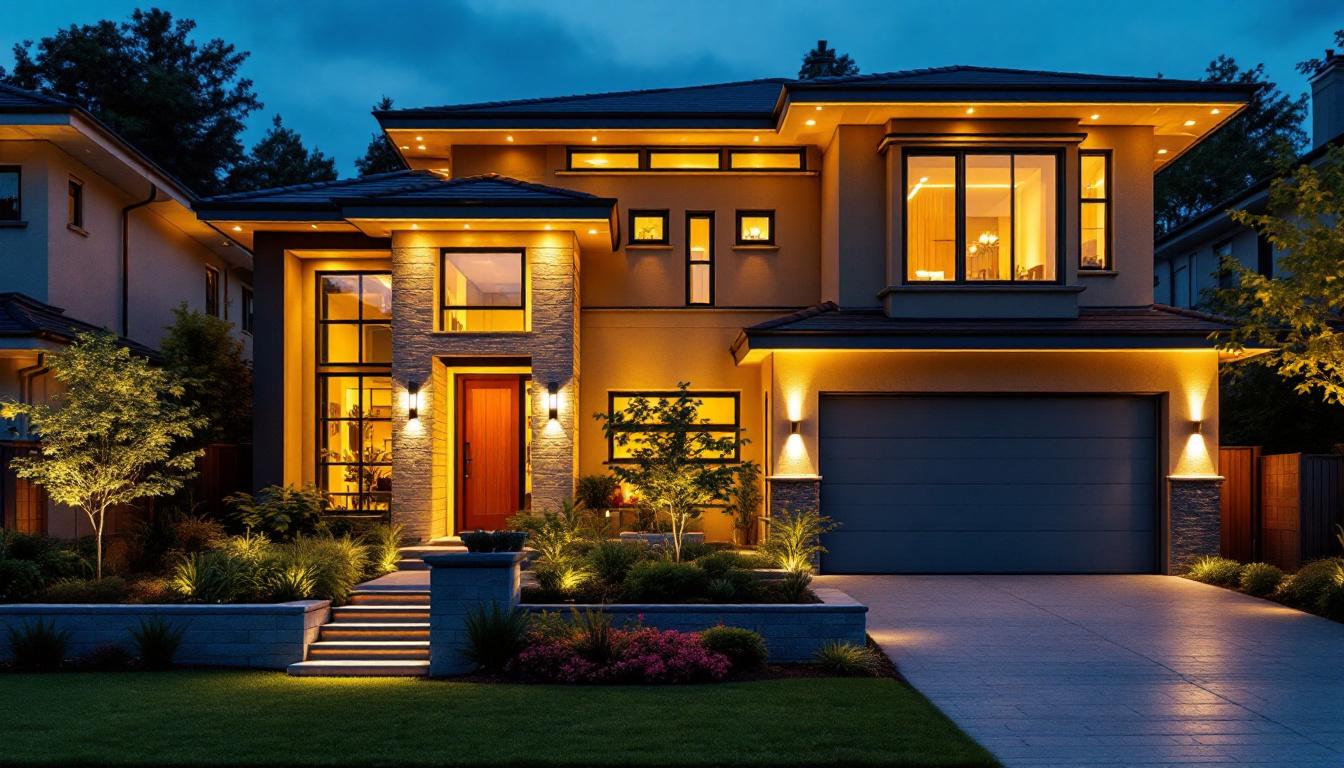
Selecting the proper LED fixtures is the foundation of any successful exterior lighting project. Lighting contractors must balance aesthetics, functionality, and durability to meet client expectations and withstand outdoor conditions.
First, consider the fixture’s IP rating, which indicates its resistance to dust and water. For exterior use, an IP rating of at least IP65 is recommended to ensure protection against rain and debris. Fixtures with lower ratings may fail prematurely, leading to costly replacements and dissatisfied customers. Additionally, it’s important to consider the material of the fixtures; corrosion-resistant materials such as aluminum or stainless steel can significantly extend the lifespan of the lighting installations, particularly in coastal areas where saltwater can accelerate deterioration.
Energy efficiency is another critical factor. LEDs are already known for their low power consumption, but choosing fixtures with high lumens per watt (lm/W) ratings maximizes energy savings. This not only benefits homeowners by reducing utility bills but also aligns with sustainability goals, a growing priority among clients. Moreover, many municipalities offer incentives for energy-efficient installations, which can further encourage clients to invest in high-quality LED fixtures that contribute to both environmental conservation and long-term cost savings.
Fixture Styles and Their Applications
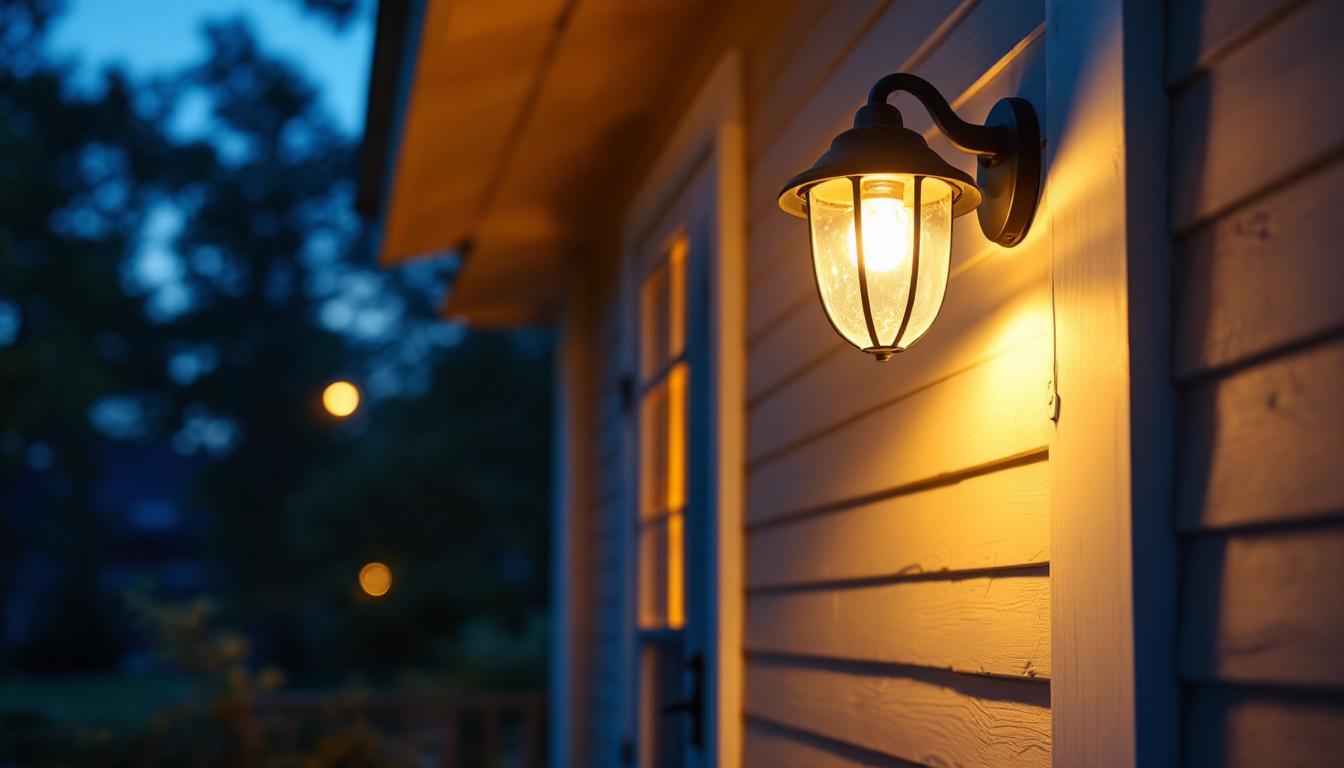
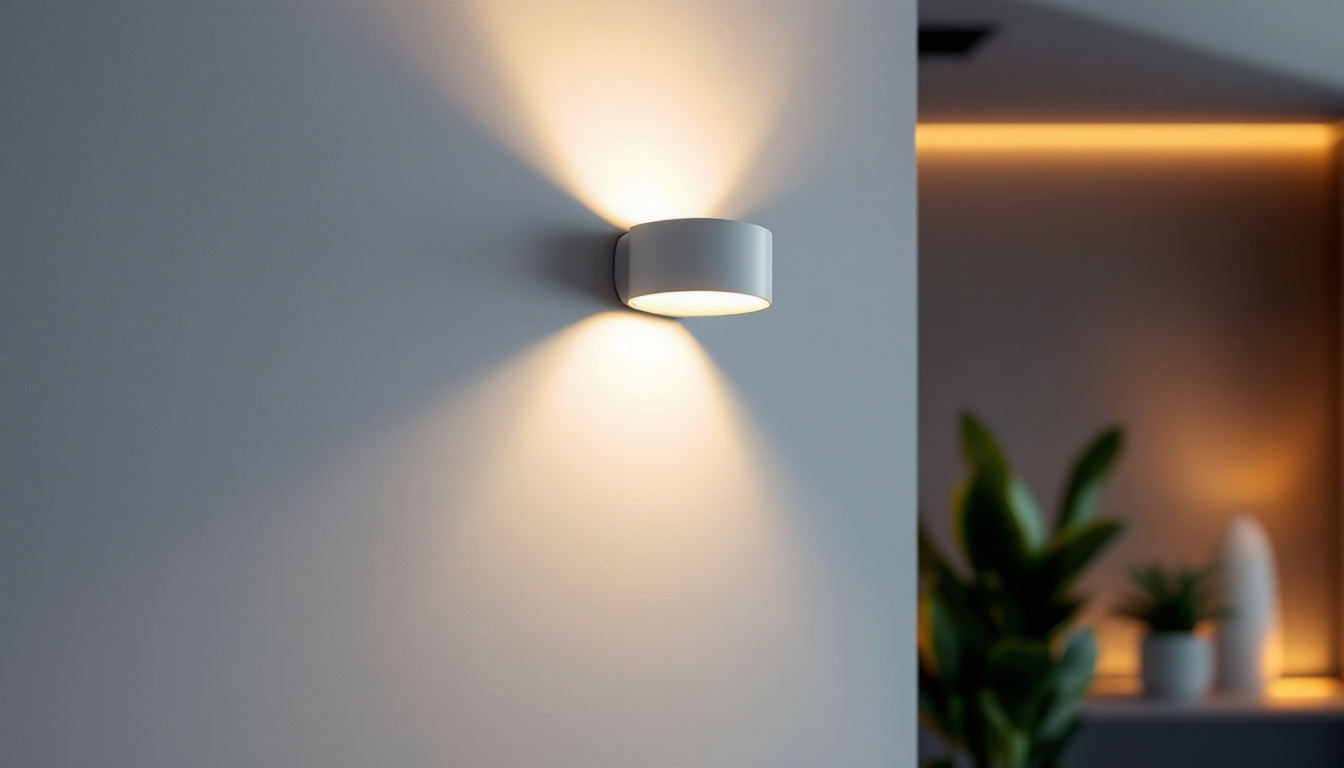
Exterior LED fixtures come in a variety of styles, each suited for different applications. Floodlights are ideal for security and broad illumination of yards or driveways, while wall-mounted sconces enhance architectural features and provide ambient lighting near entrances. These sconces can be particularly effective when paired with motion sensors, offering both convenience and energy savings by activating only when needed.
Pathway lights improve safety and guide visitors, but they must be carefully spaced and aimed to avoid glare. Recessed lighting can highlight landscaping or steps subtly, creating an elegant look without overwhelming the space. Additionally, solar-powered pathway lights are becoming increasingly popular, providing an eco-friendly option that requires minimal installation effort and operates independently of the electrical grid. Understanding the client’s needs and the property’s layout helps contractors recommend the most appropriate fixtures, ensuring the lighting design is both functional and visually appealing. Furthermore, incorporating smart lighting technology can enhance the user experience, allowing clients to control their exterior lights remotely, set schedules, or adjust brightness levels according to their preferences and seasonal changes.
Installation Techniques That Ensure Longevity and Performance
Proper installation is just as important as selecting the right fixtures. The best LED lights can underperform or fail if not installed correctly, so contractors should follow industry standards and manufacturer guidelines meticulously.
One key practice is using waterproof connectors and sealing all cable entries to prevent moisture intrusion. Moisture is a common cause of fixture failure in outdoor environments, so attention to sealing details can significantly extend the lifespan of the installation. Additionally, using corrosion-resistant materials for connectors and fixtures can further enhance durability, especially in coastal areas where saltwater exposure is a concern.
Additionally, wiring should be buried at the correct depth and protected by conduit where necessary. This protects against physical damage from landscaping tools or animals, which is a frequent cause of outdoor lighting issues. Implementing a robust trenching technique, such as using a vibratory plow, can ensure that cables are laid at the optimal depth while minimizing disruption to the surrounding landscape.
Proper Mounting and Positioning
Mounting fixtures securely is essential to prevent movement caused by wind or accidental contact. Loose fixtures can shift beam angles, reducing effectiveness and creating uneven lighting patterns. Using adjustable mounting brackets can provide flexibility during installation, allowing for fine-tuning of the light direction post-installation, which can be particularly beneficial in dynamic environments where landscaping may change over time.
Positioning lights to minimize light pollution and glare is also a best practice. Using shields or aiming fixtures downward helps focus light where it’s needed and avoids disturbing neighbors or wildlife. Moreover, incorporating smart lighting controls can enhance this aspect by allowing for adaptive brightness based on the time of day or occupancy, further reducing unnecessary light spillage into the environment.
Contractors should also consider the color temperature of LEDs. Warmer tones (2700K to 3000K) are generally preferred for residential exteriors because they create a welcoming atmosphere without harshness. Furthermore, understanding the psychological effects of different color temperatures can help in designing spaces that promote relaxation and comfort, making outdoor areas more enjoyable for family gatherings or evening events. By carefully selecting and implementing these techniques, contractors can ensure that their installations not only meet aesthetic goals but also function optimally for years to come.
Energy Management and Smart Controls
Integrating smart controls into exterior LED lighting systems is becoming standard practice among forward-thinking contractors. These controls offer clients convenience, energy savings, and enhanced security features. By utilizing these technologies, property owners can not only enjoy the aesthetic benefits of well-lit outdoor spaces but also contribute to sustainable energy practices, aligning with modern environmental standards.
Motion sensors can activate lights only when movement is detected, reducing unnecessary energy consumption. This feature is particularly beneficial in residential areas where security is a concern; the sudden illumination of lights can deter potential intruders. Timers allow lights to operate during specific hours, such as dusk to dawn, ensuring the property is illuminated when needed without wasting power. Furthermore, programmable schedules can be set to adjust lighting according to seasonal changes, optimizing energy use throughout the year.
Advanced systems include remote control via smartphone apps, enabling homeowners to adjust lighting settings from anywhere. This level of control adds value and appeal to the lighting installation. Users can create custom lighting scenes for different occasions, such as outdoor gatherings or holiday celebrations, enhancing the ambiance while maintaining energy efficiency. Additionally, integration with smart home systems allows for seamless automation, where lights can sync with other devices, such as security cameras or alarms, to create a comprehensive safety network.
Addressing Power Supply and Voltage Considerations
Many exterior LED systems operate on low voltage (12V or 24V), which is safer and easier to install outdoors. Contractors should ensure transformers are correctly sized for the total wattage of the system to prevent voltage drop, which can cause dimming or flickering lights. Properly sizing the transformer not only ensures optimal performance but also extends the lifespan of the LED fixtures, making it a crucial step in the installation process.
Voltage drop is especially critical in large properties where wiring runs can be long. Using thicker gauge wire or multiple power sources can mitigate this issue, preserving consistent light output. Additionally, implementing a well-planned layout for the wiring can help minimize distance and reduce the risk of voltage drop. Proper grounding and surge protection are also vital to protect LED fixtures and controls from electrical damage caused by lightning or power surges. This proactive approach not only safeguards the investment in lighting but also enhances the reliability of the entire electrical system, ensuring that homeowners can depend on their outdoor lighting for years to come.
Maintenance Strategies to Maximize System Lifespan
Even the best LED exterior lighting requires periodic maintenance to perform optimally over time. Contractors should educate clients on simple upkeep tasks and offer maintenance services to build long-term relationships. Regular maintenance not only ensures the longevity of the lighting system but also enhances the safety and aesthetic appeal of the property. By providing clients with a clear understanding of the importance of maintenance, contractors can foster trust and encourage proactive care of their installations.
Regular cleaning of fixtures removes dirt and debris that can reduce light output. Checking seals and connectors for signs of wear or moisture intrusion helps catch potential problems early. Additionally, inspecting the wiring and power sources can prevent unexpected outages. A well-maintained lighting system not only operates more efficiently but also contributes to energy savings, making it a win-win for both the contractor and the client.
Replacing damaged or outdated components promptly prevents small issues from escalating into costly repairs. Documenting the installation details and maintenance schedule also supports efficient troubleshooting if problems arise. Keeping a log of maintenance activities can provide valuable insights into the system’s performance over time, allowing contractors to identify trends and make informed recommendations for upgrades or replacements as technology evolves.
Common Challenges and How to Overcome Them
Outdoor lighting systems face unique challenges such as exposure to extreme temperatures, wildlife interference, and accidental damage from landscaping activities. Contractors should anticipate these risks during design and installation. Understanding the specific environmental conditions of the installation site is crucial for selecting appropriate materials and fixtures. For instance, in coastal areas, corrosion-resistant fixtures may be necessary to withstand salty air, while in desert regions, UV-resistant materials can help prevent degradation from intense sunlight.
Using rugged, weather-resistant fixtures and protective housings can mitigate environmental damage. Educating clients about safe landscaping practices near lighting installations reduces accidental harm. Moreover, implementing smart technology, such as motion sensors and timers, can enhance the functionality of outdoor lighting while minimizing wear and tear. In areas with heavy snowfall, positioning fixtures to avoid snow accumulation and using heat-resistant components can prevent outages during winter months. Additionally, contractors can recommend seasonal maintenance checks to ensure that fixtures are clear of snow and ice, which can significantly improve their performance during the colder months.
Staying Up-to-Date with Industry Standards and Innovations
Lighting technology evolves rapidly, and contractors who stay informed can offer the best solutions to their clients. Following updates from organizations such as the Illuminating Engineering Society (IES) and the National Electrical Code (NEC) ensures compliance and safety.
Emerging trends like tunable white LEDs, solar-powered exterior lights, and integrated IoT lighting systems open new possibilities for residential lighting projects. Contractors who experiment with these innovations can differentiate their services and meet growing client demands for smart, sustainable lighting.
Continuous education through workshops, manufacturer training, and industry events is essential for maintaining expertise and delivering top-tier results.
Balancing Cost and Quality
Clients often seek affordable lighting solutions, but cutting corners can lead to premature failures and dissatisfaction. Contractors should educate clients about the long-term value of investing in quality LED fixtures and professional installation.
Offering tiered options allows clients to choose based on budget while understanding the trade-offs. Highlighting energy savings and reduced maintenance costs can justify higher upfront investments.
Ultimately, a well-designed and executed exterior LED lighting system enhances curb appeal, safety, and property value, making it a worthwhile investment.
Illuminate Your Projects with LumenWholesale
Ready to elevate your lighting projects with the best in LED technology? Look no further than LumenWholesale, where we provide contractors with superior, spec-grade lighting products at exceptional wholesale prices. Say goodbye to local distributor markups and hello to a vast selection of industry-standard lighting that promises reliability and high performance. With free shipping on bulk orders, LumenWholesale is your go-to source for premium lighting solutions that blend quality, affordability, and convenience seamlessly. Don’t compromise on your next exterior lighting project. Choose Wholesale Lighting at the Best Value and make a lasting impression with every installation.