Understanding the Importance of Quality String Lights in Professional Projects
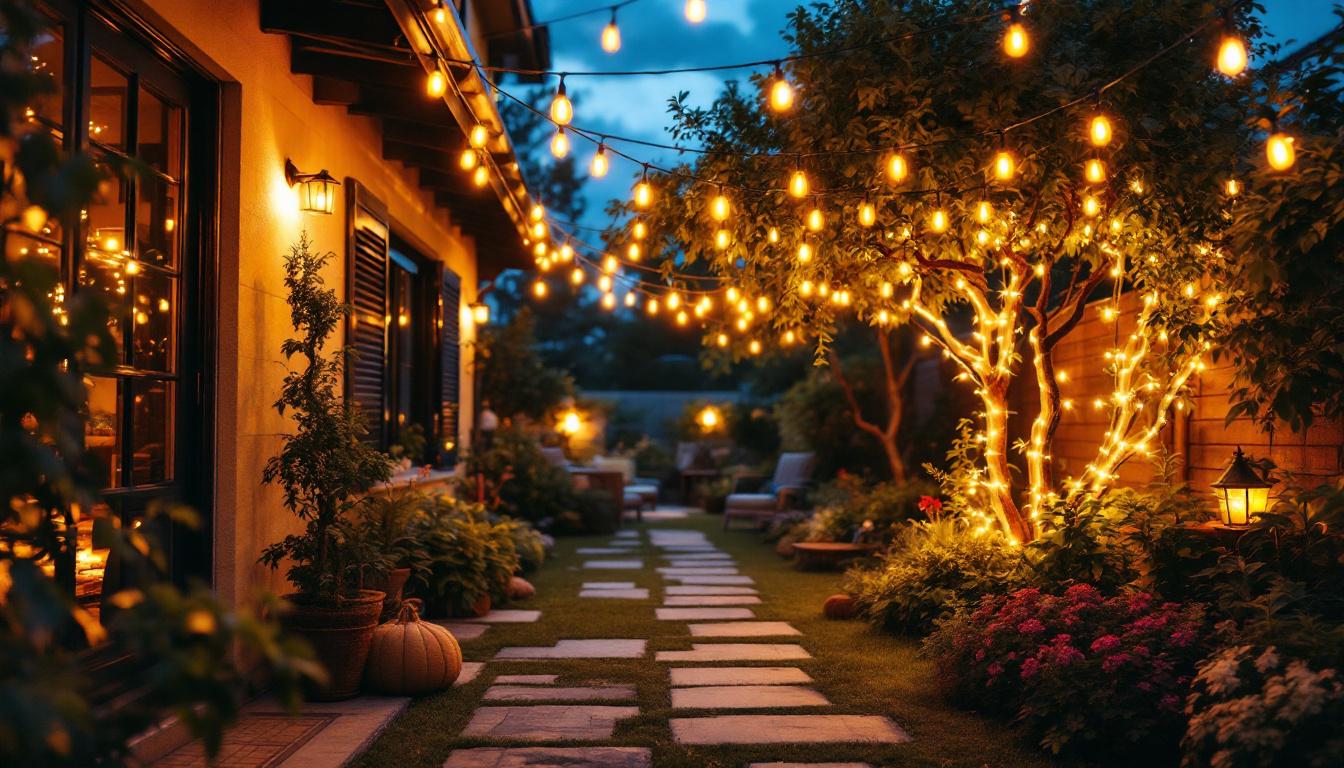
For lighting contractors, the choice of string lights can make or break a project. Whether illuminating an outdoor event, enhancing a commercial space, or creating ambiance in a residential setting, string lights are more than decorative elements—they’re functional components that impact safety, durability, and client satisfaction.
Cutting corners on string lights often leads to premature failures, increased maintenance costs, and even safety hazards. Selecting the right product from the right source is essential to avoid these pitfalls. Knowing where to buy string lights and what to look for can save time, money, and reputation.
Why Quality Matters Beyond Aesthetics
String lights used in professional projects must withstand environmental factors such as moisture, wind, and temperature fluctuations. Aesthetic appeal is important, but durability and compliance with electrical standards are paramount. Inferior products may look good initially but can cause outages, electrical shorts, or fire risks.
Additionally, professional-grade string lights often come with warranties and certifications that protect contractors and clients alike. Investing in quality upfront reduces callbacks and builds trust with clients.
Moreover, the installation process can be significantly affected by the quality of the string lights chosen. High-quality lights typically feature robust wiring and connectors that simplify setup and reduce the likelihood of installation errors. This efficiency not only saves time during the project but also minimizes the risk of damage to the lights or the surrounding environment. Furthermore, many quality string lights offer features such as dimmability and smart technology compatibility, allowing contractors to create customizable lighting solutions that can adapt to various moods and settings, enhancing the overall experience for end-users.
Another critical aspect to consider is energy efficiency. Quality string lights often utilize LED technology, which not only consumes less power but also has a longer lifespan compared to traditional incandescent bulbs. This not only benefits the environment but also results in lower energy bills for clients, making it a selling point for contractors. By choosing energy-efficient options, professionals can position themselves as forward-thinking and environmentally conscious, appealing to a growing demographic that values sustainability in their purchasing decisions.
Where to Buy String Lights: Evaluating Your Options
Finding the right supplier is a critical step. The market is flooded with options ranging from big-box retailers to specialized lighting distributors and online marketplaces. Each source has advantages and drawbacks that contractors must weigh carefully.
Specialized Lighting Distributors
Lighting distributors that focus exclusively on professional-grade products are often the best choice for contractors. These suppliers typically offer a curated selection of string lights designed to meet commercial standards, including UL or ETL listings, weather resistance, and energy efficiency.
Distributors provide technical support, bulk pricing, and access to the latest innovations in lighting technology. Working with a knowledgeable distributor can help contractors specify the right product for each project, ensuring compliance with local codes and client expectations. Additionally, many specialized distributors offer training sessions or workshops, which can be invaluable for contractors looking to stay updated on industry trends and advancements in lighting design.
Big-Box Retailers and Home Improvement Stores
Stores like home improvement chains offer convenience and competitive pricing but usually cater to the consumer market. While some products may be suitable for small-scale or residential projects, many lack the durability or certifications necessary for professional use.
Contractors should be cautious when sourcing string lights from these outlets. The temptation of lower prices can lead to costly repairs or replacements down the road. Always verify product specifications and warranty terms before purchasing. Furthermore, big-box retailers often have seasonal sales and promotions, which can be a great opportunity for contractors to stock up on supplies, provided they do thorough research on the quality of the products offered during these sales.
Online Marketplaces
Online platforms provide access to a vast range of string lights, often at attractive prices. However, the variability in quality and authenticity is a significant concern. Counterfeit or substandard products can slip through, especially when buying from third-party sellers.
When using online marketplaces, contractors should prioritize sellers with high ratings, verified certifications, and clear return policies. Requesting samples or product datasheets before committing to large orders can mitigate risks. Additionally, many online platforms offer user reviews and Q&A sections where previous buyers share their experiences, which can be a helpful resource for contractors looking to make informed decisions about their purchases.
Direct from Manufacturers
Purchasing string lights directly from manufacturers can offer customization options and competitive pricing, especially for large projects. This route allows contractors to specify length, bulb type, color temperature, and other features tailored to project needs.
However, direct purchasing may involve minimum order quantities and longer lead times. Contractors should plan accordingly and establish relationships with reputable manufacturers known for quality and reliability. Building a rapport with manufacturers can also lead to exclusive deals or early access to new product lines, providing contractors with a competitive edge in their projects. Furthermore, many manufacturers are now focusing on sustainable practices, offering eco-friendly options that not only meet client demands but also align with growing environmental concerns in the industry.
Common Costly Mistakes When Buying String Lights and How to Avoid Them
Many contractors face avoidable issues that inflate project costs or delay timelines. Understanding these common mistakes is key to making informed purchasing decisions.
Ignoring Electrical and Safety Certifications
One of the most frequent errors is buying string lights without verifying certifications such as UL, ETL, or CSA. These certifications ensure the product has undergone rigorous testing for safety and performance.
Using uncertified lights can lead to electrical failures, fire hazards, and liability issues. Always demand proof of certification and ensure the product matches the project’s electrical requirements. Additionally, it’s wise to keep abreast of any recalls or safety alerts associated with specific brands or models, as this information can be crucial for maintaining safety standards on the job site.
Overlooking Environmental Suitability
String lights intended for indoor use often fail quickly when exposed to outdoor conditions. Moisture, UV exposure, and temperature extremes degrade materials and electrical components.
Contractors should confirm the IP (Ingress Protection) rating and weather resistance of string lights. For outdoor projects, look for lights rated at least IP65 to ensure protection against dust and water jets. Furthermore, consider the specific climate conditions of the installation site; for example, areas with high humidity or extreme cold may require specialized products designed to withstand such environments, thereby extending the lifespan of the lighting installation.
Neglecting Proper Length and Power Requirements
Estimating the correct length and power capacity is critical. Too short a string light run can result in unsightly gaps or the need for additional connections, increasing complexity and potential failure points.
Conversely, overloading circuits by connecting too many lights without considering wattage and amperage can cause tripped breakers or overheating. Calculate power requirements carefully and consult product specifications to avoid these issues. It can also be beneficial to create a detailed lighting plan that outlines the layout and power needs, ensuring a smooth installation process and reducing the likelihood of costly adjustments later on.
Failing to Consider Bulb Type and Replacement Availability
Choosing string lights with bulbs that are difficult or expensive to replace can cause maintenance headaches. LED bulbs offer longer life and energy savings but may come at a higher upfront cost.
Contractors should assess bulb availability and compatibility before committing. Selecting products with widely available replacement parts ensures easier upkeep and client satisfaction. Additionally, consider the color temperature and brightness of the bulbs; these factors can significantly impact the ambiance of the space and should align with the client’s vision for the project.
Skipping Warranty and Return Policy Checks
Warranty coverage protects contractors from defects and premature failures. Some suppliers offer extended warranties or service agreements that add value to the purchase.
Return policies vary widely. Understanding these terms before buying helps avoid losses if the product does not meet expectations or project requirements. It’s also prudent to document all purchases and communications with suppliers, as this can facilitate smoother returns or exchanges should any issues arise. Additionally, consider the reputation of the supplier; a reliable vendor is more likely to offer responsive customer service and support, enhancing the overall purchasing experience.
Tips for Making the Best Purchase Decision
Armed with knowledge about where to buy and what pitfalls to avoid, contractors can make smarter choices that enhance project outcomes.
Request Samples and Test Before Committing
Whenever possible, obtain samples to evaluate light quality, color temperature, and build. Testing samples in the actual installation environment can reveal issues that product descriptions might not disclose.
Leverage Supplier Expertise
Engage with suppliers who offer technical support and project consultation. Experienced distributors and manufacturers can provide valuable insights on product selection, installation tips, and compliance.
Plan for Future Maintenance
Consider the long-term maintenance implications of the string lights chosen. Opt for products with easy-to-replace bulbs, readily available parts, and clear documentation.
Compare Total Cost of Ownership, Not Just Price
Focus on the total cost over the product’s lifespan, including energy consumption, replacement parts, and labor. Cheaper upfront prices may lead to higher expenses later.
Conclusion: Making Informed Choices to Protect Your Projects
For lighting contractors, purchasing string lights is a critical decision that affects safety, aesthetics, and profitability. Understanding where to buy, what to look for, and how to avoid common mistakes can prevent costly errors and enhance client satisfaction.
Prioritize quality, certifications, and supplier support. Test products thoroughly and plan for maintenance. This approach ensures that string lighting installations not only look great but also stand the test of time and environmental challenges.
Discover Unmatched Lighting Solutions with LumenWholesale
Ready to elevate your lighting projects with the assurance of quality, affordability, and convenience? Look no further than LumenWholesale. Our commitment to providing contractors with spec-grade lighting products at wholesale prices means you can confidently meet and exceed your project’s needs. With our extensive selection that adheres to the highest industry standards, you’ll find the perfect lighting solutions for any environment. Plus, with free shipping on bulk orders, you can enjoy the best value without any hidden costs. Make the smart choice for your lighting projects and experience the best in wholesale lighting today.