Understanding the Role of Outdoor Sensor Lights
Outdoor sensor lights are more than just convenience features; they’re essential components of modern residential security and energy efficiency. For lighting contractors, knowing how to select, install, and maintain these systems can make a significant difference in client satisfaction and long-term performance.
Sensor lights automatically activate when motion is detected, illuminating dark areas around a home. This deters potential intruders, reduces accidents, and adds a layer of safety for residents returning home after dark. But not all sensor lights are created equal, and understanding the nuances is key to delivering a professional installation.
Why Clients Demand Sensor Lighting
Homeowners increasingly prioritize security and energy savings. Sensor lights address both by providing illumination only when needed, cutting down on wasted electricity. According to industry data, motion-activated lighting can reduce outdoor lighting energy consumption by up to 70%, a compelling selling point for eco-conscious customers.
Additionally, sensor lights serve as a visible deterrent. Criminals tend to avoid well-lit areas where their movements are easily noticed. By installing sensor lights strategically, contractors help clients enhance their home’s security footprint without the need for constant manual control or expensive surveillance systems.
Furthermore, modern sensor lights come equipped with advanced features such as adjustable sensitivity and customizable timers. These enhancements allow homeowners to tailor the lighting to their specific needs, ensuring that the lights activate only when necessary. For instance, a homeowner can set the lights to ignore small animals while still detecting human movement, thus minimizing false alarms. This level of customization not only improves the user experience but also fosters a sense of control over their outdoor environment.
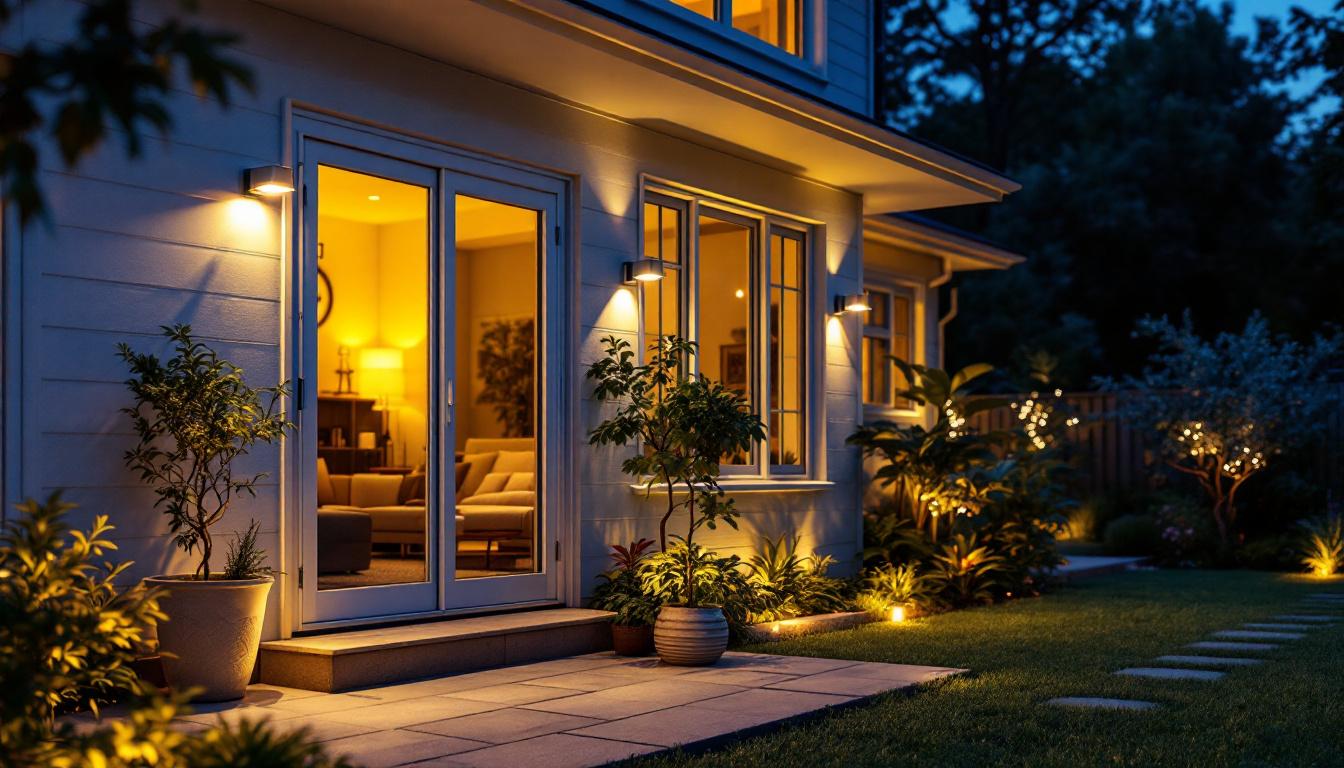
In addition to security and energy efficiency, outdoor sensor lights can also enhance the aesthetic appeal of a property. By illuminating pathways, gardens, and architectural features, these lights can create a warm and inviting atmosphere. Contractors can recommend design options that blend seamlessly with the home’s exterior, ensuring that the lights not only serve a functional purpose but also contribute to the overall beauty of the landscape. This dual functionality is increasingly appealing to homeowners looking to enhance both security and curb appeal.
Key Components of Outdoor Sensor Lighting Systems
Before installation, contractors must understand the components that make up an effective sensor lighting system. This knowledge ensures compatibility, performance, and longevity. A well-designed outdoor sensor lighting system not only enhances security but also improves the overall aesthetic of a property, making it essential for contractors to stay informed about the latest technologies and trends in outdoor lighting.
Types of Sensors
There are two primary sensor types used in outdoor lighting: passive infrared (PIR) sensors and microwave sensors. PIR sensors detect heat emitted by moving objects, such as people or animals. They are highly effective for residential use due to their accuracy and lower susceptibility to false triggers. These sensors can be strategically placed to cover entry points, driveways, and backyards, providing peace of mind to homeowners.
Microwave sensors emit microwave pulses and measure the reflection off moving objects. They cover a broader range and can detect motion through certain materials but tend to be more sensitive and may trigger false alarms from environmental factors like wind or leaves. Their ability to detect motion in challenging conditions, such as through glass or walls, makes them an attractive option for commercial applications where security is paramount.
Light Sources
LED technology dominates outdoor sensor lighting due to its energy efficiency, long lifespan, and brightness. LEDs consume significantly less power than traditional incandescent or halogen bulbs, reducing operational costs and maintenance frequency. Contractors should recommend LED fixtures for their clients to maximize value and reliability. Moreover, the durability of LED lights means they can withstand harsh weather conditions, making them suitable for various climates.
Some sensor lights come with adjustable brightness settings or color temperature options, allowing customization to suit the home’s exterior aesthetics and the client’s preferences. This flexibility not only enhances the ambiance of outdoor spaces but also allows homeowners to set the mood for gatherings or special occasions, making outdoor areas more inviting and functional.
Power Options
Outdoor sensor lights can be powered through hardwired connections, solar panels, or battery packs. Each option has pros and cons:
- Hardwired: Offers consistent power and is ideal for permanent installations but requires professional electrical work.
- Solar-powered: Eco-friendly and easy to install, but effectiveness depends on sunlight availability and may not suit shaded areas.
- Battery-operated: Flexible placement and easy installation but requires periodic battery replacement.
Contractors must evaluate the site conditions and client expectations to recommend the most suitable power source. For instance, in areas with ample sunlight, solar-powered lights can be a cost-effective solution, while hardwired options may be more appropriate for high-traffic areas where reliability is crucial. Additionally, advancements in battery technology have led to longer-lasting options that can support more powerful lighting, making battery-operated systems increasingly viable for outdoor applications.
Site Assessment and Planning
Proper planning is critical to the success of any outdoor sensor lighting project. A detailed site assessment helps identify optimal sensor placement, lighting coverage, and potential obstacles.
Mapping Out Coverage Areas
Contractors should walk the property with the client, noting entry points, pathways, garages, and any areas prone to trespassing or accidents. Sensors should be positioned to cover these zones without blind spots. Overlapping sensor fields can prevent gaps but may also cause lights to trigger unnecessarily if not calibrated correctly.
Height and angle of sensor installation influence detection range. Typically, mounting sensors between 6 to 10 feet high balances coverage and reduces false triggers from small animals or passing vehicles.
Addressing Environmental Factors
Environmental elements such as trees, shrubs, and reflective surfaces can affect sensor performance. For example, moving branches may cause PIR sensors to activate frequently, irritating homeowners and increasing energy use. Contractors should consider trimming foliage or selecting sensors with adjustable sensitivity to mitigate this.
Weather exposure is another consideration. Fixtures should have appropriate ingress protection (IP) ratings, typically IP65 or higher, to withstand rain, dust, and temperature fluctuations.
Installation Best Practices
Installation is where theory meets practice. Following best practices ensures the sensor lighting system performs reliably and safely.
Electrical Safety and Compliance
Adhering to local electrical codes and standards is non-negotiable. Lighting contractors must ensure all wiring is properly grounded, connections are secure, and circuit breakers or GFCI protection are in place where required. Failure to comply can result in hazards and liability issues.
Sensor Calibration and Testing
After installation, sensors need to be calibrated for sensitivity, detection range, and lighting duration. Overly sensitive sensors cause nuisance activations, while under-sensitive ones may fail to detect legitimate movement.
Testing should be done during different times of day and under varying weather conditions to confirm consistent operation. Clients appreciate demonstrations of how the system works and guidance on adjusting settings if available.
Integration with Other Systems
Many homeowners want sensor lights integrated with smart home systems or security cameras. Contractors should be familiar with compatible products and communication protocols such as Wi-Fi, Zigbee, or Z-Wave. This knowledge enables them to offer comprehensive solutions that enhance convenience and security.
Maintenance and Troubleshooting
Sensor lighting systems require minimal maintenance but should not be overlooked. Regular upkeep prolongs lifespan and ensures continued performance.
Routine Inspections
Contractors should advise clients to inspect sensor lights periodically for dirt, debris, or insect nests that can obstruct sensors or light output. Cleaning lenses and fixtures with appropriate materials helps maintain sensitivity and brightness.
Battery-powered or solar units need battery checks and replacements as necessary. For solar lights, ensuring panels are clean and unshaded is vital for optimal charging.
Common Issues and Solutions
Some frequent problems include:
- False triggers: Adjust sensor sensitivity or reposition the sensor to avoid environmental interference.
- Light not activating: Check power supply, wiring connections, and sensor alignment.
- Lights staying on too long or not long enough: Modify timer settings to suit client preferences.
Prompt troubleshooting reduces client frustration and maintains the contractor’s reputation for quality service.
Choosing the Right Products for Your Clients
The market offers a vast array of outdoor sensor lights, from budget-friendly models to premium systems with advanced features. Contractors must balance cost, quality, and client needs.
Evaluating Product Features
Key features to consider include:
- Detection range and angle: Ensure coverage matches the property’s layout.
- Adjustable settings: Sensitivity, light duration, and brightness controls provide customization.
- Durability: Weatherproof construction and robust materials extend product life.
- Warranty and support: Reliable manufacturers offer warranties and responsive customer service.
Recommendations for Different Budgets
For clients with tight budgets, solar-powered LED sensor lights offer a cost-effective solution with easy installation. Mid-range options often include hardwired LED fixtures with adjustable sensors, suitable for most residential applications. Premium systems may feature smart connectivity, multiple sensors, and integration with home automation platforms.
Contractors should present options transparently, highlighting the trade-offs and benefits of each to help clients make informed decisions.
Final Thoughts for Lighting Contractors
Outdoor sensor lighting is a vital service that combines safety, convenience, and energy efficiency. Contractors who master the technical aspects, from sensor selection to installation and maintenance, position themselves as trusted experts in the field.
Taking time to understand each client’s property, preferences, and budget leads to customized solutions that deliver lasting value. Staying current with technology trends and product innovations further enhances the quality of service and client satisfaction.
Ultimately, well-executed outdoor sensor lighting installations not only illuminate homes but also build stronger relationships between contractors and homeowners, paving the way for future projects and referrals.
Illuminate with Confidence with LumenWholesale
Ready to elevate your outdoor sensor lighting installations? Choose LumenWholesale for your lighting needs and experience the difference quality makes. Our extensive range of spec-grade lighting products is designed to meet the highest industry standards, ensuring your projects shine with reliability and performance. Say goodbye to inflated markups and hello to unbeatable wholesale prices, all with the convenience of free shipping on bulk orders. Don’t compromise on quality or value—visit LumenWholesale today and secure the best in wholesale lighting at the best value for your next project.