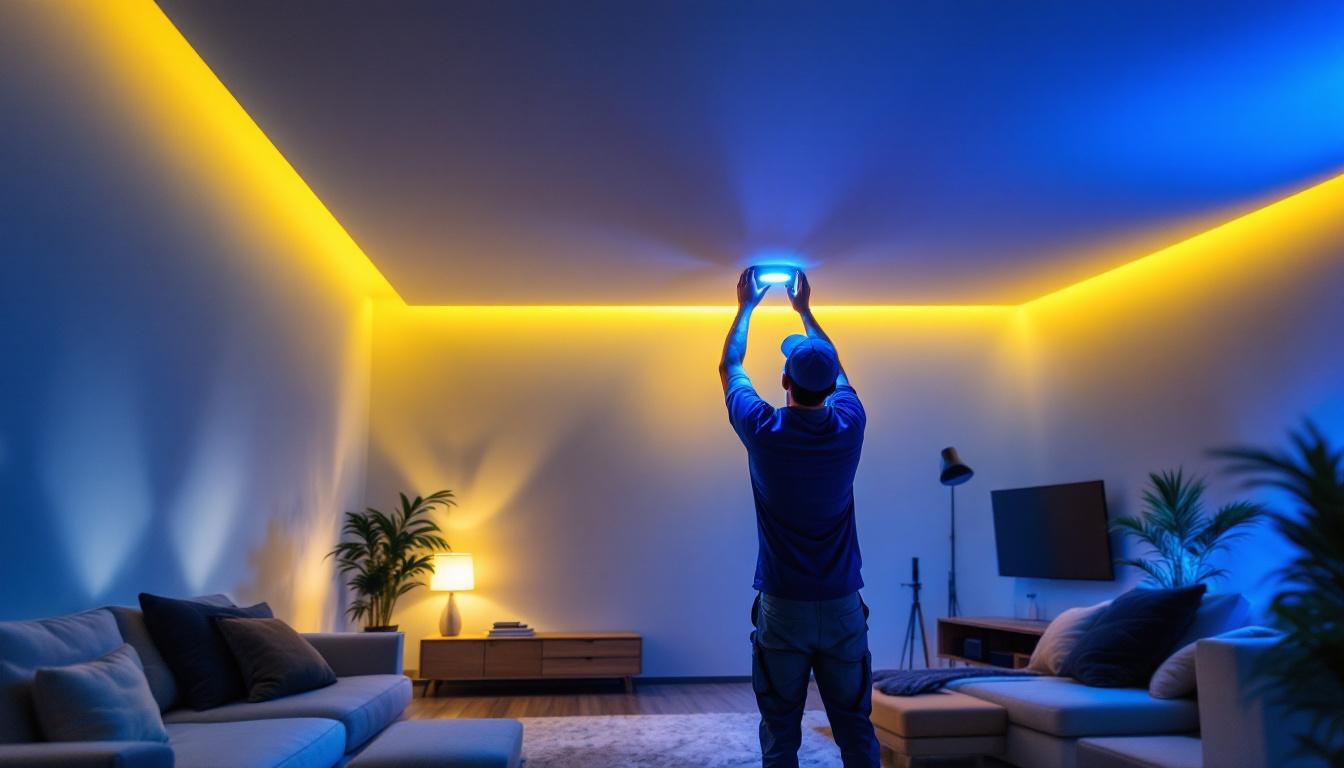
Transforming Spaces with Motion Sensor Ceiling Lights
Imagine walking into a dimly lit hallway, and without reaching for a switch, the ceiling lights brighten instantly, illuminating your path. This seamless experience is no longer a futuristic concept but a practical reality thanks to motion sensor ceiling lights. For lighting contractors, these devices offer more than convenience—they present opportunities to enhance client satisfaction, reduce energy consumption, and differentiate their services in a competitive market.
Motion sensor ceiling lights detect movement and automatically turn on or off, eliminating the need for manual operation. This simple yet effective technology has found applications in residential, commercial, and industrial settings, proving its versatility and value. But how do these systems perform in real-world scenarios? Let’s explore success stories that reveal their impact and the lessons lighting contractors can draw from them.
In residential settings, families have reported significant improvements in their daily routines since installing motion sensor ceiling lights. For example, parents no longer have to fumble in the dark when carrying groceries or putting children to bed. Additionally, these lights can be programmed to turn off after a set period of inactivity, ensuring that energy is not wasted in spaces that are not in use. This not only contributes to lower electricity bills but also promotes a more sustainable lifestyle, aligning with the growing trend towards eco-friendly living.
In commercial environments, businesses have leveraged motion sensor ceiling lights to enhance safety and security. Retail stores, for instance, utilize these lights to ensure that aisles are well-lit during operating hours, creating a welcoming atmosphere for customers. Moreover, in warehouses and factories, motion sensors help to illuminate work areas only when needed, reducing energy costs while also minimizing the risk of accidents in poorly lit areas. The integration of these systems into smart building technologies further amplifies their benefits, allowing for centralized control and monitoring, which can lead to even greater operational efficiencies.
Case Study 1: Enhancing Safety and Efficiency in Commercial Buildings
Reducing Energy Costs in Office Complexes
A large office complex faced mounting electricity bills due to lighting being left on in unoccupied spaces. The building management sought a solution that would cut costs without compromising employee comfort. Lighting contractors recommended installing motion sensor ceiling lights in corridors, restrooms, and conference rooms.
After installation, the building reported a 35% reduction in lighting energy consumption. The sensors were programmed with adjustable time delays and sensitivity settings to match the building’s usage patterns. Employees appreciated the automatic lighting, which also improved safety by eliminating dark areas during late hours. Additionally, the implementation of these smart lighting systems contributed to a more sustainable workplace, aligning with the company’s commitment to reducing its carbon footprint. The enhanced lighting control not only saved money but also fostered a more productive environment, as employees felt more energized and focused in well-lit spaces.
Lessons for Contractors
This project highlights the importance of customizing sensor settings to the specific environment. Lighting contractors should conduct thorough site assessments to understand traffic flow and occupancy patterns before installation. Offering clients tailored solutions can maximize energy savings and user satisfaction. Furthermore, contractors should consider integrating these systems with other building management technologies, such as HVAC controls and security systems, to create a cohesive approach to energy management. By leveraging data analytics from these interconnected systems, building managers can further refine their energy strategies, ensuring that all aspects of the building operate in harmony and efficiency.
Case Study 2: Streamlining Residential Lighting for Accessibility
Improving Independence for Elderly Residents
In a senior living community, residents often struggled with traditional light switches, especially during nighttime trips to the bathroom or kitchen. Lighting contractors introduced motion sensor ceiling lights in hallways and common areas to address this challenge. The implementation of these lights was not merely a technical upgrade; it represented a thoughtful response to the specific needs of the elderly, who may experience diminished mobility or cognitive challenges. By installing lights that automatically illuminate upon detecting movement, the community aimed to create an environment that is not only functional but also comforting for its residents.
The automatic lighting not only enhanced safety by reducing fall risks but also empowered residents with greater independence. Family members and caregivers noted a decrease in nighttime accidents and an overall improvement in residents’ quality of life. Furthermore, the soft glow of the motion sensor lights provided a sense of security, alleviating fears that many residents had about navigating darkened spaces. This change fostered a more positive living atmosphere, where residents felt more at ease and less reliant on others for assistance during the night.
Lessons for Contractors
When working on residential projects, especially for vulnerable populations, contractors should consider the human element. Motion sensor lighting can be a vital part of accessibility solutions. Educating clients about these benefits can open doors to new project opportunities and foster long-term relationships. Beyond just lighting, contractors can explore other innovative solutions such as smart home technology that can further enhance the living experience for elderly residents. For instance, integrating voice-activated systems can allow residents to control their environment without needing to physically interact with devices, promoting a greater sense of autonomy.
Additionally, it is essential for contractors to engage with residents and their families during the planning phase. Gathering feedback can provide invaluable insights into the specific needs and preferences of the community, ensuring that the solutions implemented are tailored and effective. By taking a collaborative approach, contractors not only improve the functionality of the spaces they work on but also build trust and rapport with the residents and their families, ultimately leading to more successful and fulfilling projects.
Case Study 3: Industrial Facilities Boosting Productivity and Safety
Optimizing Lighting in Warehouses
Warehouses and manufacturing plants often have vast spaces with sporadic occupancy. Lighting contractors installed motion sensor ceiling lights in less frequently used aisles and storage areas. This approach ensured lights were only on when workers were present, reducing unnecessary energy use. The implementation of these smart lighting systems not only streamlined energy consumption but also aligned with sustainability goals, making facilities more eco-friendly. This shift towards energy-efficient solutions is becoming increasingly important as industries face pressure to reduce their carbon footprints and comply with environmental regulations.
Beyond energy savings, the sensors contributed to workplace safety. Automated lighting minimized the risk of accidents caused by poor visibility, especially during night shifts or in emergency situations. Facility managers reported not only a 40% drop in lighting costs but also a safer working environment. Furthermore, the integration of advanced lighting technologies, such as LED fixtures paired with IoT capabilities, allowed for real-time monitoring and adjustments. This adaptability means that as operational needs change, the lighting can be adjusted accordingly, enhancing both productivity and safety in dynamic work environments.
Lessons for Contractors
Industrial settings demand robust, reliable sensor systems that can withstand harsh conditions. Contractors should prioritize durable products and proper installation techniques. Collaborating with facility managers to understand operational workflows can help optimize sensor placement and settings. Additionally, training staff on the new lighting systems can further enhance their effectiveness. When employees are aware of how to utilize the technology, they can better appreciate its benefits, leading to increased adherence to safety protocols and energy-saving practices. This proactive approach not only fosters a culture of safety but also encourages continuous improvement within the facility’s operations.
Technical Considerations for Successful Installations
Sensor Types and Coverage
Choosing the right sensor type is crucial. Passive infrared (PIR) sensors detect heat and movement, making them ideal for indoor use. Ultrasonic sensors emit sound waves to detect motion, useful in complex or obstructed areas. Some advanced models combine both technologies for enhanced accuracy.
Coverage area and detection range must align with the space’s dimensions and layout. Overlapping sensor zones can prevent dark spots, while avoiding excessive sensitivity reduces false triggers.
Integration with Existing Systems
Motion sensor ceiling lights should integrate smoothly with current lighting controls and building automation systems. Lighting contractors must verify compatibility with dimmers, timers, and smart home or building management platforms. This integration enables centralized control and data collection for energy monitoring.
Power Supply and Installation Challenges
Ensuring adequate power supply and proper wiring is essential. Contractors should assess whether existing circuits can support the new fixtures or if upgrades are necessary. Installation in retrofit projects may require creative solutions to minimize disruption and maintain aesthetics.
Maximizing Client Satisfaction and Business Growth
Educating Clients on Benefits and Usage
Clients may hesitate to invest in motion sensor lighting without understanding the tangible benefits. Lighting contractors can provide demonstrations, case studies, and energy savings projections to build confidence. Clear instructions on sensor settings and maintenance further enhance user experience.
Offering Maintenance and Support Services
Regular maintenance ensures sensors function correctly and prolongs fixture lifespan. Contractors who offer ongoing support can establish recurring revenue streams and strengthen client trust. Proactive monitoring and timely troubleshooting prevent downtime and dissatisfaction.
Staying Ahead with Emerging Technologies
Advancements such as AI-powered sensors, integration with IoT devices, and adaptive lighting systems are shaping the future of motion sensor lighting. Contractors who stay informed and adopt these innovations can offer cutting-edge solutions that attract discerning clients.
Conclusion: Real-World Impact Drives Contractor Success
Motion sensor ceiling lights are more than energy-saving devices-they transform how people interact with their environments. Success stories from commercial, residential, and industrial projects demonstrate their versatility and effectiveness. For lighting contractors, mastering the technical and human aspects of these systems unlocks new opportunities for business growth and client satisfaction.
By selecting appropriate technologies, customizing installations, and educating clients, contractors can deliver lighting solutions that are efficient, safe, and user-friendly. The future of lighting is motion-activated, and those who embrace it will illuminate not just spaces but their own professional success.
Illuminate Your Success with LumenWholesale
Ready to elevate your lighting projects with motion sensor ceiling lights that promise efficiency, safety, and client satisfaction? At LumenWholesale, we stand by lighting contractors, providing you with spec-grade lighting products at prices that can’t be beaten. Say goodbye to local distributor markups and hello to our extensive selection that meets rigorous industry standards. With free shipping on bulk orders, LumenWholesale is your go-to source for premium lighting solutions that blend quality with affordability. Don’t compromise on your lighting needs—discover the best value in wholesale lighting today and brighten your professional journey with LumenWholesale.