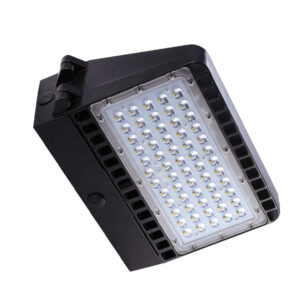
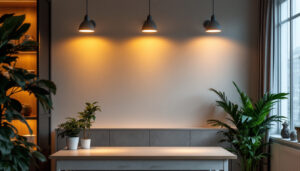
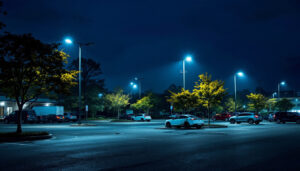
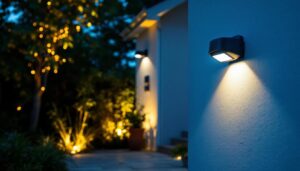
Understanding LED Self-Ballasted Bulbs
LED self-ballasted bulbs have become a cornerstone in modern lighting solutions, especially for contractors who prioritize efficiency and ease of installation. These bulbs integrate the ballast—a component traditionally external to the lamp—directly within the bulb itself. This design simplifies retrofitting and replacement tasks, as the bulb can be installed in standard fixtures without additional modifications.
Unlike conventional fluorescent or HID lamps that require external ballasts to regulate current, LED self-ballasted bulbs operate on standard line voltage. This integration reduces the complexity of the lighting system, minimizes points of failure, and often leads to lower maintenance costs over time.
For lighting contractors, understanding the mechanics and benefits of LED self-ballasted bulbs is essential. These bulbs offer a plug-and-play solution that can streamline projects, reduce labor time, and improve client satisfaction. Moreover, the energy efficiency of LED technology means that these bulbs consume significantly less power compared to their incandescent and fluorescent counterparts, which can lead to substantial savings on electricity bills for clients. This efficiency is not only beneficial for the environment but also aligns with the growing demand for sustainable building practices.
Additionally, LED self-ballasted bulbs are available in a variety of color temperatures and brightness levels, allowing contractors to tailor lighting solutions to specific needs and preferences. Whether it’s warm white for cozy residential spaces or cooler tones for commercial environments, the versatility of these bulbs makes them an attractive option. Furthermore, many models are designed to be dimmable, providing even greater control over the ambiance of a space. With advancements in technology, some LED self-ballasted bulbs now even offer smart capabilities, enabling users to control lighting through mobile apps or voice commands, thus enhancing the overall user experience.
Comparing LED Self-Ballasted Bulbs with Other Lighting Technologies
LED Self-Ballasted vs. Traditional Fluorescent Lamps
Fluorescent lamps have been a staple in commercial and industrial lighting for decades. However, they rely heavily on external ballasts, which can be bulky, prone to failure, and energy inefficient. In contrast, LED self-ballasted bulbs eliminate the need for separate ballasts, leading to a more compact and reliable lighting solution.
Energy consumption is a significant differentiator. LED self-ballasted bulbs typically use 40-60% less energy than fluorescent lamps, translating into substantial cost savings over the lifespan of the installation. Additionally, LEDs provide instant full brightness, whereas fluorescents often require a warm-up period.
From a maintenance perspective, LED self-ballasted bulbs have a longer lifespan—often exceeding 25,000 hours—compared to fluorescent lamps, which usually last between 7,000 and 15,000 hours. This longevity reduces the frequency of replacements, a critical factor in commercial settings where labor costs can be high.
Furthermore, the color rendering index (CRI) of LED bulbs is typically higher than that of fluorescent lamps, meaning they can produce more accurate and vibrant colors. This feature is particularly important in retail environments where product presentation is key. With LEDs, businesses can enhance the shopping experience by showcasing their merchandise in the best possible light, which can lead to increased sales and customer satisfaction.
LED Self-Ballasted vs. HID Lamps
High-Intensity Discharge (HID) lamps, including metal halide and high-pressure sodium types, are commonly used in outdoor and industrial applications. While HID lamps provide high lumen output, they require external ballasts and have longer warm-up times. This can be a drawback in environments where immediate lighting is crucial.
LED self-ballasted bulbs offer superior energy efficiency—often consuming 50% less power than comparable HID lamps. They also deliver consistent light quality without flickering or color shifts that sometimes occur with HID technology. For contractors, this means fewer callbacks and higher client satisfaction.
Moreover, LED bulbs do not contain hazardous materials like mercury, which is present in HID lamps. This simplifies disposal and aligns with increasing environmental regulations, an important consideration for contractors advising clients on sustainable practices. Additionally, the directional nature of LED lighting allows for more efficient use of light, reducing the need for excessive fixtures and further lowering installation costs in large spaces.
Another advantage of LED self-ballasted bulbs is their ability to withstand frequent on-off cycling without a significant reduction in lifespan. This characteristic makes them ideal for applications where lighting is needed intermittently, such as in parking lots or security lighting. The durability of LEDs also means they are less susceptible to damage from vibrations and impacts, making them a reliable choice for industrial settings where equipment may be subject to movement or jarring. As a result, the adoption of LED technology not only enhances the quality of lighting but also contributes to the overall safety and efficiency of the workspace.
Key Advantages of LED Self-Ballasted Bulbs for Contractors
Ease of Installation and Retrofit Compatibility
One of the most compelling reasons for contractors to choose LED self-ballasted bulbs is their compatibility with existing fixtures. Because the ballast is built into the bulb, they can be installed directly into sockets designed for traditional lamps without rewiring or additional components.
This feature significantly reduces installation time and labor costs. For retrofit projects, especially in commercial buildings with extensive fluorescent or HID systems, LED self-ballasted bulbs offer a straightforward upgrade path. Contractors can replace old lamps one-for-one, minimizing downtime and disruption. This ease of installation is particularly beneficial in environments that require minimal interruption, such as hospitals or schools, where maintaining normal operations is crucial.
Furthermore, the lightweight design of LED self-ballasted bulbs means they can be handled easily, reducing the risk of accidents during installation. This aspect is especially important for contractors who often work in high spaces or on scaffolding. The reduced weight not only enhances safety but also allows for quicker and more efficient handling, making the overall installation process smoother.
Energy Efficiency and Cost Savings
Energy savings are a critical selling point. LED self-ballasted bulbs convert a higher percentage of electricity into visible light, with minimal heat loss. This efficiency not only lowers utility bills but also reduces cooling loads in conditioned spaces, indirectly contributing to further energy savings.
When calculating total cost of ownership, contractors should emphasize the reduced energy consumption alongside the longer lifespan. These factors combine to deliver a lower cost per lumen over time, making LED self-ballasted bulbs a financially sound choice for clients. In fact, many utility companies offer rebates or incentives for projects that incorporate energy-efficient lighting solutions, further enhancing the financial appeal for contractors and their clients.
Moreover, the longevity of LED self-ballasted bulbs means less frequent replacements, which translates to lower maintenance costs over time. This is particularly advantageous for facilities management teams who must budget for ongoing maintenance and replacement of lighting fixtures. By investing in LED technology, contractors can help their clients achieve a more predictable and manageable expense profile.
Improved Light Quality and Performance
Light quality is paramount in many applications, from retail environments to office spaces. LED self-ballasted bulbs offer excellent color rendering and consistent brightness, enhancing visibility and ambiance. Unlike some older technologies, LEDs do not suffer from flicker or gradual dimming, ensuring a stable light output throughout their service life.
Additionally, LEDs are available in a range of color temperatures, allowing contractors to tailor lighting schemes to the specific needs of each project. Whether the goal is a warm, inviting atmosphere or bright, daylight-like illumination, LED self-ballasted bulbs provide versatile options. This adaptability is particularly useful in spaces that serve multiple functions, such as conference rooms or multi-purpose venues, where lighting needs can vary dramatically throughout the day.
Furthermore, the directional nature of LED lighting allows for more effective use of light, reducing the need for additional fixtures. This not only enhances the overall quality of illumination but also contributes to a more aesthetically pleasing environment. By strategically placing fewer LED self-ballasted bulbs, contractors can achieve the desired lighting effects while maximizing energy efficiency, further solidifying the advantages of this modern lighting solution.
Potential Limitations and Considerations
Initial Cost and Budgeting
While LED self-ballasted bulbs offer significant long-term savings, their upfront cost is generally higher than traditional lamps. Contractors must be prepared to justify this investment to clients by highlighting the total lifecycle benefits, including reduced maintenance and energy expenses.
In some cases, bulk purchasing and supplier partnerships can help mitigate initial costs. Educating clients on available incentives or rebates for energy-efficient lighting can also improve project feasibility.
Compatibility and Fixture Constraints
Not all fixtures are suitable for LED self-ballasted bulbs. Some older or specialized fixtures may require modifications or may not accommodate the physical size and heat dissipation needs of integrated LED bulbs. Contractors should conduct thorough assessments before specifying these bulbs to avoid installation issues.
Additionally, certain dimming controls and lighting systems may not be compatible with LED self-ballasted bulbs. Understanding the electrical environment and control requirements is essential to ensure proper operation and client satisfaction.
Making the Right Choice: What Lighting Contractors Should Consider
Project Requirements and Client Priorities
Every lighting project has unique needs. Contractors should evaluate factors such as the type of space, usage patterns, and client priorities-whether they emphasize energy savings, light quality, or ease of maintenance. LED self-ballasted bulbs excel in many scenarios but may not be the best fit for every application.
For example, in large-scale industrial facilities with custom lighting controls, separate LED modules and drivers might offer greater flexibility. Conversely, for quick retrofits in commercial offices or retail spaces, self-ballasted LED bulbs provide a hassle-free solution.
Long-Term Support and Warranty
Reliable manufacturer support and robust warranties are crucial. Contractors should select LED self-ballasted bulbs from reputable suppliers that offer comprehensive warranties-often ranging from 3 to 5 years or more. This coverage protects both the contractor and the client from premature failures and ensures confidence in product performance.
Environmental Impact and Regulatory Compliance
Environmental regulations increasingly influence lighting choices. LED self-ballasted bulbs, free from hazardous substances like mercury, align well with green building standards and sustainability goals. Contractors should stay informed about local codes and incentives that encourage or mandate energy-efficient lighting solutions.
Choosing LED technology can also enhance a contractor’s reputation as a provider of modern, eco-friendly solutions, opening doors to new business opportunities.
Conclusion: LED Self-Ballasted Bulbs as a Practical Choice for Contractors
LED self-ballasted bulbs offer a compelling combination of energy efficiency, ease of installation, and superior light quality. For lighting contractors, these bulbs simplify retrofit projects and deliver long-term value to clients.
While initial costs and compatibility considerations require careful attention, the overall benefits make LED self-ballasted bulbs a smart choice in many commercial and industrial applications. By understanding the technology and assessing project-specific needs, contractors can confidently recommend solutions that meet client expectations and stand the test of time.
Get Your LED Self-Ballasted Bulbs at LumenWholesale
Ready to elevate your lighting projects with the efficiency and quality of LED self-ballasted bulbs? Look no further than LumenWholesale, where we provide contractors with the finest spec-grade lighting products at unmatched wholesale prices. Say goodbye to local distributor markups and hello to our handpicked selection that meets rigorous industry standards. With LumenWholesale, you can count on getting high-performance lighting that ensures client satisfaction and project success. Plus, enjoy the convenience of bulk purchases with free shipping, ensuring you receive the best value without any hidden costs. Make the smart choice for your lighting needs and experience Wholesale Lighting at the Best Value today.