Understanding the Impact of Landscape Lighting
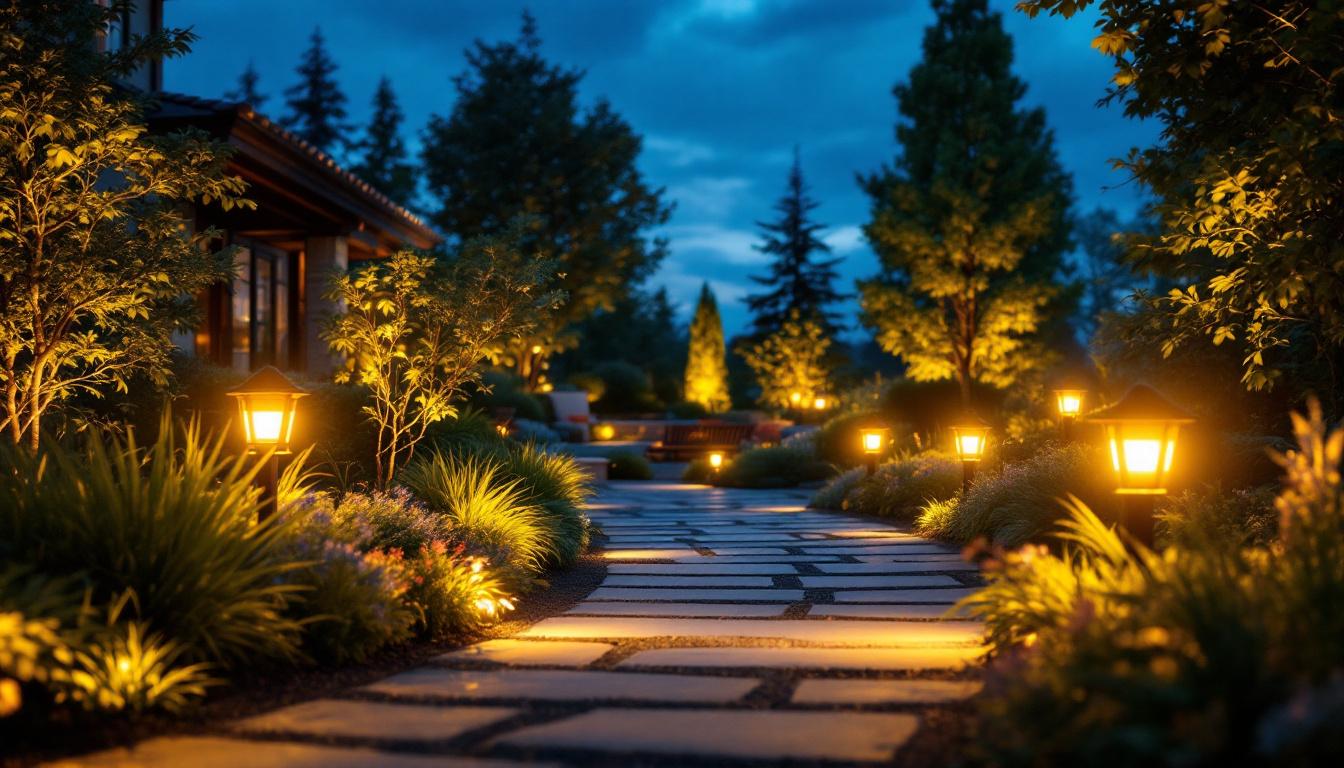
Landscape lighting is more than just illuminating a garden or walkway. It transforms outdoor spaces, enhancing both aesthetics and functionality. For lighting contractors, mastering the art of landscape lighting means creating environments that are safe, inviting, and visually appealing. The right lighting can highlight architectural features, accentuate plant textures, and extend the usability of outdoor areas well into the night.
Clients often underestimate how much thoughtful lighting design can elevate their property’s value and curb appeal. As a contractor, your expertise in balancing brightness, color temperature, and fixture placement can make a significant difference. It’s about crafting a narrative with light—guiding the eye, creating mood, and ensuring safety without overwhelming the senses.
Moreover, the choice of fixtures plays a crucial role in the overall design scheme. From path lights that gently illuminate walkways to spotlights that draw attention to a stunning tree or sculpture, each element must be carefully selected to complement the landscape. Energy-efficient LED options not only reduce electricity costs but also offer a range of color temperatures that can create different atmospheres, from warm and cozy to bright and vibrant. This versatility allows for a tailored approach, ensuring that each project reflects the unique personality of the homeowner while also harmonizing with the surrounding environment.
Seasonal changes also present an opportunity to rethink landscape lighting. During the fall, for instance, warm hues can enhance the rich colors of changing leaves, while in the winter, soft white lights can create a magical ambiance amidst the cold. Additionally, incorporating smart lighting technology allows homeowners to adjust their outdoor lighting with ease, adapting to various occasions and moods. This level of customization not only enhances the experience of the outdoor space but also showcases the contractor’s ability to integrate modern solutions into traditional designs, ultimately leading to greater client satisfaction and referrals.
Choosing the Right Fixtures and Technologies
Types of Landscape Lighting Fixtures
Selecting the appropriate fixtures is foundational. Common types include path lights, spotlights, floodlights, well lights, and deck lights. Each serves a unique purpose:
- Path Lights: Illuminate walkways and driveways, enhancing safety and guiding visitors.
- Spotlights: Focus light on specific features like trees, statues, or architectural details.
- Floodlights: Provide broad illumination for larger areas, useful for security and general lighting.
- Well Lights: Installed flush with the ground, perfect for uplighting trees or walls without visible fixtures.
- Deck Lights: Integrated into stairs or railings to improve visibility and ambiance.
Understanding these options allows contractors to tailor lighting schemes to client needs and landscape characteristics. For instance, path lights can be chosen not only for their functionality but also for their design, which can complement the overall aesthetic of the property. The choice of materials—such as stainless steel, bronze, or plastic—can significantly influence the durability and visual appeal of the fixtures. Moreover, spotlights can be adjusted to create dramatic effects, highlighting the textures of bark or the intricate details of garden sculptures, thereby enhancing the overall visual narrative of the landscape.
LED vs. Traditional Lighting
LED technology dominates the landscape lighting industry for good reasons. LEDs offer superior energy efficiency, longer lifespan, and reduced maintenance compared to halogen or incandescent bulbs. They also provide better control over color temperature and brightness levels, enabling contractors to fine-tune the lighting atmosphere.
While initial costs for LED fixtures may be higher, the long-term savings on energy bills and replacement bulbs make them a smart investment. Additionally, LEDs generate less heat, reducing the risk of damage to plants and fixtures. For contractors, specifying LED products can enhance client satisfaction and reduce callbacks. Furthermore, the versatility of LED technology allows for innovative designs, such as smart lighting systems that can be controlled remotely via apps, enabling homeowners to adjust their outdoor lighting from anywhere. This level of customization not only enhances convenience but also allows for dynamic lighting schemes that can change with the seasons or for special occasions, adding an extra layer of enjoyment to outdoor spaces.
Design Principles for Effective Landscape Lighting
Layering Light for Depth and Dimension
One of the most effective design strategies is layering light. This involves combining different types of lighting—ambient, task, and accent—to create a balanced and dynamic outdoor environment.
Ambient lighting provides overall illumination, ensuring safety and visibility. Task lighting focuses on functional areas like patios, seating zones, or outdoor kitchens. Accent lighting highlights specific features such as water fountains, unique plants, or textured walls.
By layering these elements, contractors can avoid flat, monotonous lighting schemes and instead deliver rich, inviting spaces that feel natural and thoughtfully designed. For instance, using well-placed path lights can guide guests safely while also enhancing the landscape’s beauty. Additionally, incorporating dimmable fixtures allows for flexibility in mood and ambiance, enabling homeowners to adjust the lighting based on the occasion or time of day.
Controlling Glare and Light Pollution
Glare is a common complaint in poorly executed landscape lighting. It can cause discomfort and reduce the effectiveness of the lighting scheme. Using fixtures with shields, choosing the right beam angles, and positioning lights carefully helps minimize glare.
Light pollution is another concern, especially in residential neighborhoods. Excessive or misdirected light can disturb wildlife and annoy neighbors. Contractors should aim for “dark sky friendly” designs that direct light downward and avoid unnecessary spillover. This approach not only benefits the environment but also enhances the visibility of stars and natural nightscapes, creating a more serene outdoor experience. Furthermore, utilizing timers and smart lighting systems can help manage when lights are on, reducing unnecessary illumination during late-night hours.
Color Temperature and Mood
Color temperature affects how a space feels. Warm white light (2700K–3000K) creates a cozy, inviting atmosphere, ideal for residential landscapes. Cooler temperatures (4000K and above) can feel sterile or harsh but may be suitable for security lighting or commercial properties.
Offering clients options and explaining these effects helps set expectations and ensures the lighting complements the overall design intent. For example, a garden filled with vibrant flowers may benefit from warm lighting that enhances their colors, while a modern architectural feature might be better showcased with cooler tones. Additionally, the use of colored LED lights can add a playful element to the landscape, allowing homeowners to change the mood with different hues for special occasions or holidays, further enriching the outdoor experience.
Installation Best Practices
Site Assessment and Planning
Before installation, a thorough site assessment is crucial. This includes evaluating the landscape layout, identifying focal points, and considering existing electrical infrastructure. Contractors should also account for natural light sources, such as moonlight or nearby streetlights, to avoid over-illumination.
Mapping out fixture locations with detailed plans reduces errors and streamlines the installation process. It also helps anticipate potential challenges like uneven terrain or moisture-prone areas.
Wiring and Electrical Safety
Proper wiring is essential for both performance and safety. Low-voltage lighting systems are common in landscape lighting due to their safety and energy efficiency. However, ensuring that transformers, cables, and connectors are rated for outdoor use and installed according to code is non-negotiable.
Contractors should use waterproof connectors and bury cables at appropriate depths to prevent damage. Regular testing during installation can catch faults early, avoiding costly repairs later.
Fixture Placement and Mounting
Placement affects both aesthetics and function. Fixtures should be positioned to highlight features without creating harsh shadows or blinding glare. Mounting hardware must be sturdy and corrosion-resistant, especially in climates with heavy rain or snow.
Adjustable fixtures provide flexibility, allowing fine-tuning after installation. It’s wise to leave room for future adjustments as plants grow or landscaping changes.
Maintenance and Client Education
Routine Maintenance Tips
Landscape lighting requires periodic maintenance to perform optimally. This includes cleaning lenses and fixtures, checking for corrosion, and replacing bulbs or LEDs as needed. Inspecting wiring for wear or damage is also critical.
Contractors can offer maintenance packages to clients, providing ongoing value and ensuring the lighting system remains safe and attractive over time.
Educating Clients on Usage and Controls
Many clients are unfamiliar with lighting controls such as timers, dimmers, and smart home integration. Providing clear instructions or demonstrations helps them maximize the system’s benefits.
Smart controls can enhance energy savings and convenience, allowing clients to adjust lighting scenes remotely or automate schedules based on sunset times. Contractors who stay current with these technologies can differentiate themselves in a competitive market.
Staying Ahead: Trends and Innovations
Smart Lighting and Automation
Integrating smart technology into landscape lighting is increasingly popular. Wireless controls, motion sensors, and app-based management offer clients unprecedented convenience and customization.
Lighting contractors should familiarize themselves with these systems to offer modern solutions that appeal to tech-savvy customers. Smart lighting also supports energy efficiency by ensuring lights operate only when needed.
Sustainable and Eco-Friendly Options
Environmental considerations are influencing client choices. Solar-powered landscape lights are gaining traction, especially for low-traffic areas or accent lighting. While solar has limitations in terms of brightness and reliability, advancements continue to improve performance.
Using energy-efficient LEDs, minimizing light pollution, and selecting durable, recyclable materials align with growing demand for sustainable landscaping practices.
Conclusion: Elevating Your Craft
Mastering landscape lighting requires a blend of technical knowledge, design sensibility, and practical skills. Lighting contractors who understand the nuances of fixture selection, design principles, installation best practices, and client education position themselves as trusted experts.
By staying informed about new technologies and trends, contractors can deliver lighting solutions that not only meet but exceed client expectations. The result is outdoor spaces that are safer, more beautiful, and more enjoyable-long after the sun sets.
Illuminate Your Projects with LumenWholesale
Ready to elevate your landscape lighting projects to new heights? At LumenWholesale, we provide lighting contractors with the highest quality, spec-grade lighting products at prices that can’t be beaten. Say goodbye to local distributor markups and hello to our extensive selection that adheres to the strictest industry standards. With free shipping on bulk orders, you can trust that you’re getting premium lighting solutions at the best value, without any hidden costs. Enhance the beauty and safety of your outdoor spaces with the reliability and performance of LumenWholesale products. Wholesale Lighting at the Best Value is just a click away.