Understanding the Varieties of String Lights
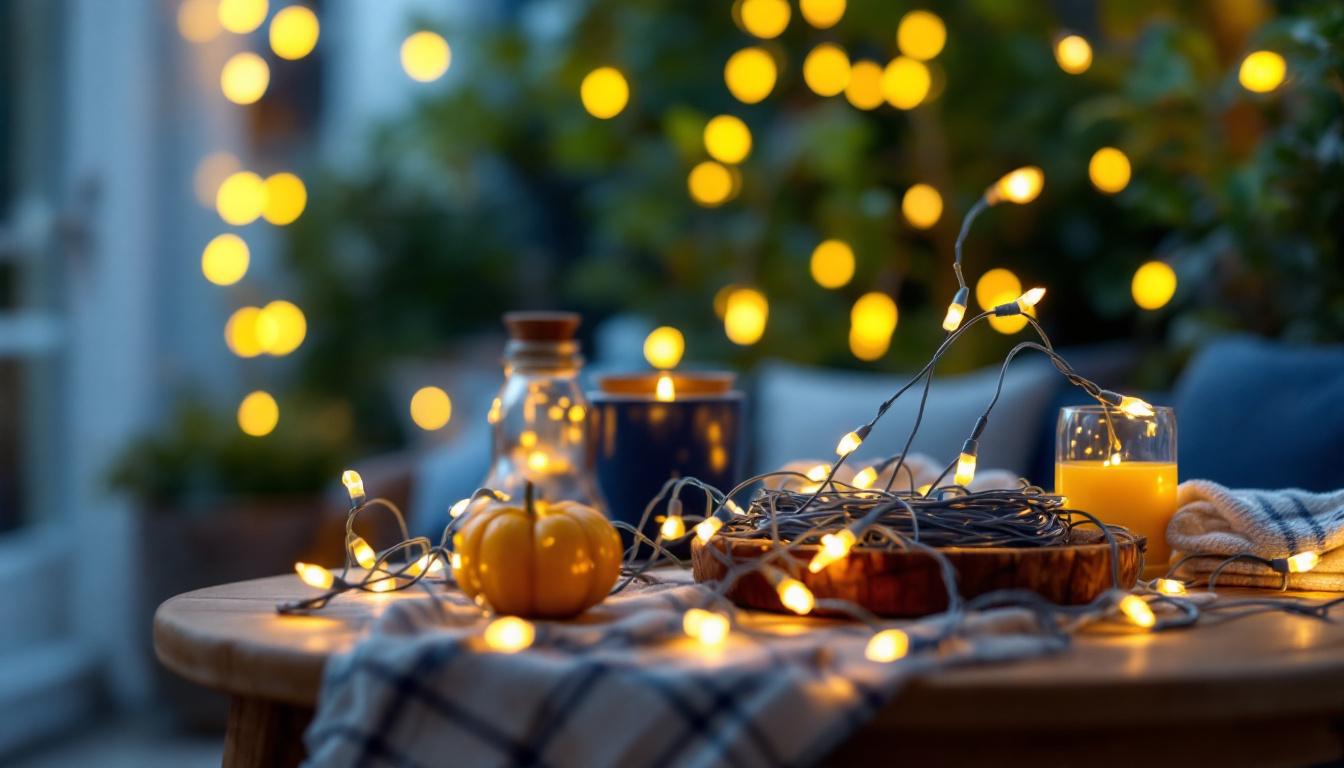
String lights are a staple in both residential and commercial lighting projects. For lighting contractors, knowing the different types of string lights available is crucial to selecting the right product for each job. The variety extends beyond mere aesthetics; it includes differences in technology, power consumption, durability, and application suitability.
At the core, string lights can be broadly categorized into incandescent, LED, solar-powered, and specialty types such as vintage filament or smart string lights. Each type offers unique advantages and challenges that directly impact efficiency and performance.
Incandescent String Lights
Incandescent string lights are the traditional choice, known for their warm, inviting glow. They operate by heating a filament inside the bulb, which produces light. While they are often praised for their color rendering and ambiance, incandescent bulbs consume significantly more energy compared to modern alternatives. Their lifespan is also shorter, often requiring frequent replacements, which can increase maintenance costs over time.
For projects where budget constraints are tight and the lighting is temporary, incandescent string lights may still be appropriate. However, for long-term installations, their inefficiency and heat generation make them less ideal. Additionally, the nostalgic appeal of incandescent lights can enhance the atmosphere of outdoor gatherings, making them a popular choice for events like weddings or holiday parties. Their soft glow can create a cozy environment, which is often desired in settings where ambiance is key.
LED String Lights
LED string lights have revolutionized the lighting industry. They use light-emitting diodes, which are far more energy-efficient and durable than incandescent bulbs. LEDs consume up to 80% less energy and can last tens of thousands of hours longer. This translates to substantial savings on electricity and maintenance.
LEDs also come in a variety of color temperatures and intensities, allowing contractors to tailor the lighting to specific design requirements. Their low heat output makes them safer for use in enclosed or sensitive environments. Furthermore, many LED string lights are now available with programmable features, enabling users to create dynamic lighting displays for special occasions. This versatility makes them an attractive option for both residential and commercial applications, as they can easily adapt to different themes and settings.
Solar-Powered String Lights
Solar string lights incorporate photovoltaic panels to capture sunlight and store energy in rechargeable batteries. This type is particularly useful in outdoor settings where running electrical wiring is impractical or costly. While solar string lights reduce energy costs to nearly zero, their efficiency depends heavily on the availability of sunlight and battery capacity.
For contractors working on landscape or garden lighting, solar options provide an eco-friendly and flexible solution. However, it’s essential to assess the site’s sun exposure and plan accordingly to avoid dim or inconsistent lighting. Additionally, advancements in solar technology have led to the development of models that can function effectively even in partially shaded areas, making them a more viable option for diverse environments. Their ability to blend seamlessly into natural surroundings while providing illumination can enhance the aesthetic appeal of outdoor spaces, making them a popular choice for patios, decks, and garden pathways.
Specialty and Smart String Lights
Specialty string lights include vintage filament bulbs that mimic the look of incandescent filaments but use LED technology for efficiency. Smart string lights integrate with home automation systems, allowing remote control, color changes, and scheduling through apps or voice commands.
These options offer enhanced aesthetic appeal and functionality but may come at a higher initial cost. For clients seeking cutting-edge features or specific design aesthetics, these lights can add significant value. The ability to customize lighting settings based on mood or occasion can transform any space, making smart string lights particularly appealing for tech-savvy homeowners. Moreover, many smart string lights now feature energy monitoring capabilities, allowing users to track their energy consumption and make informed decisions about their lighting usage, further enhancing their appeal in an increasingly eco-conscious market.
Maximizing Efficiency Through Proper Selection
Choosing the right type of string light is the first step toward optimizing efficiency. Beyond the basic categories, several factors influence how well string lights perform in a given application.
Assessing Power Requirements and Energy Consumption
Understanding the wattage and voltage requirements of string lights is essential. LEDs typically operate at lower wattages, reducing energy consumption substantially. Contractors should calculate the total load when planning multiple strings to avoid overloading circuits and to optimize power distribution.
Energy-efficient transformers and dimmers designed for LED use can further reduce consumption. Selecting string lights with integrated energy-saving features, such as timers or motion sensors, can also contribute to overall efficiency. Additionally, smart string lights that connect to home automation systems allow users to monitor and adjust settings remotely, ensuring that lights are only on when needed, which can lead to significant energy savings over time.
Evaluating Environmental Conditions
Outdoor installations demand string lights with appropriate weatherproof ratings, such as IP65 or higher. Moisture, temperature fluctuations, and UV exposure can degrade materials and reduce lifespan. LEDs with robust housings and sealed connections are preferable for harsh environments. Furthermore, considering the geographical location is crucial; areas with high humidity or frequent storms may require extra protective measures, such as additional sealing or the use of corrosion-resistant materials to enhance durability.
For indoor use, factors like heat dissipation and proximity to flammable materials should guide the choice. LED string lights’ low heat output makes them safer and more versatile indoors. Moreover, the aesthetic appeal of indoor string lights can be enhanced by selecting options with adjustable brightness or color temperature, allowing for a customizable ambiance that suits various occasions, from cozy family gatherings to vibrant parties.
Considering Installation and Maintenance
Efficient lighting isn’t just about energy use; it also involves ease of installation and upkeep. Modular string lights with replaceable bulbs or sections simplify repairs and reduce waste. Quick-connect features and flexible wiring can save labor time and costs. In addition, the use of mounting hardware that accommodates various surfaces can streamline the installation process, making it easier for contractors to adapt to different environments without extensive modifications.
Contractors should also factor in the accessibility of the installation site. Lights installed in hard-to-reach areas benefit from longer lifespans and remote control capabilities to minimize maintenance visits. Regular maintenance schedules can be established to ensure optimal performance, including cleaning fixtures to remove dust and debris that may hinder light output. Additionally, educating clients on the importance of periodic checks can foster a proactive approach to lighting care, ultimately extending the life of the installation and enhancing user satisfaction.
Techniques to Enhance String Light Efficiency
Once the appropriate type of string light is selected, several strategies can maximize its efficiency in practice.
Optimizing Layout and Spacing
Proper spacing of string lights ensures even illumination and reduces the need for excessive wattage. Overcrowding bulbs can create hotspots and waste energy, while too sparse an arrangement may require additional fixtures to achieve desired brightness.
Using reflective surfaces or light-colored backgrounds can amplify the perceived brightness without increasing power consumption. Strategic placement near walls, ceilings, or landscaping elements can enhance light distribution.
Utilizing Controls and Automation
Incorporating timers, dimmers, and smart controls allows precise management of lighting schedules and intensity. Dimming string lights during off-peak hours or when full brightness isn’t necessary saves energy without compromising ambiance.
Motion sensors can activate string lights only when needed, ideal for pathways or security lighting. Smart systems enable remote adjustments, reducing unnecessary usage and enabling quick responses to changing conditions.
Maintaining and Upgrading Components
Regular maintenance extends the life and performance of string lights. Cleaning lenses and connections prevents dust and corrosion from diminishing light output. Inspecting wiring and fixtures for damage ensures safety and reliability.
Upgrading older incandescent or inefficient LED string lights to newer, more efficient models can yield significant energy savings. Contractors should advise clients on the long-term benefits of investing in modern lighting technology.
Case Studies: Efficiency in Action
Real-world examples illustrate how understanding string light types and applying efficiency principles can transform lighting projects.
Commercial Patio Lighting
A restaurant upgraded from incandescent to LED string lights across its outdoor patio. By switching to LEDs with integrated dimmers, the establishment reduced energy costs by nearly 70% while maintaining a warm, inviting atmosphere. The LEDs’ durability also cut maintenance expenses, minimizing disruptions during peak hours.
Event Venue with Solar String Lights
An event venue located in a remote area installed solar-powered string lights for outdoor ceremonies. The setup eliminated the need for extensive electrical wiring, reducing installation costs. Careful assessment of sunlight exposure and battery capacity ensured consistent lighting throughout events, enhancing guest experience without increasing utility bills.
Smart Lighting in Residential Landscaping
A homeowner invested in smart LED string lights integrated with a home automation system. The contractor designed the layout to highlight garden features and pathways. Using app-controlled schedules and dimming, the homeowner optimized energy use while customizing lighting scenes for different occasions.
Final Thoughts on Efficiency and Selection
For lighting contractors, mastering the nuances of string light types is more than a technical exercise-it’s a pathway to delivering superior value and performance. Efficiency encompasses energy consumption, durability, installation ease, and maintenance, all of which influence client satisfaction and operational costs.
By carefully selecting the appropriate string light type and employing strategic installation and control methods, contractors can optimize lighting efficiency across diverse applications. This approach not only reduces environmental impact but also enhances the aesthetic and functional quality of every project.
Illuminate Your Projects with LumenWholesale
Ready to elevate your lighting projects with the most efficient string lights on the market? At LumenWholesale, we provide lighting contractors with the highest quality, spec-grade lighting solutions at prices that can’t be beaten. Say goodbye to local distributor markups and hello to our premium selection that meets rigorous industry standards. With free shipping on bulk orders, LumenWholesale is your go-to source for lighting that combines quality, affordability, and convenience. Don’t compromise on your lighting needs—choose Wholesale Lighting at the Best Value and make your next project shine with LumenWholesale.