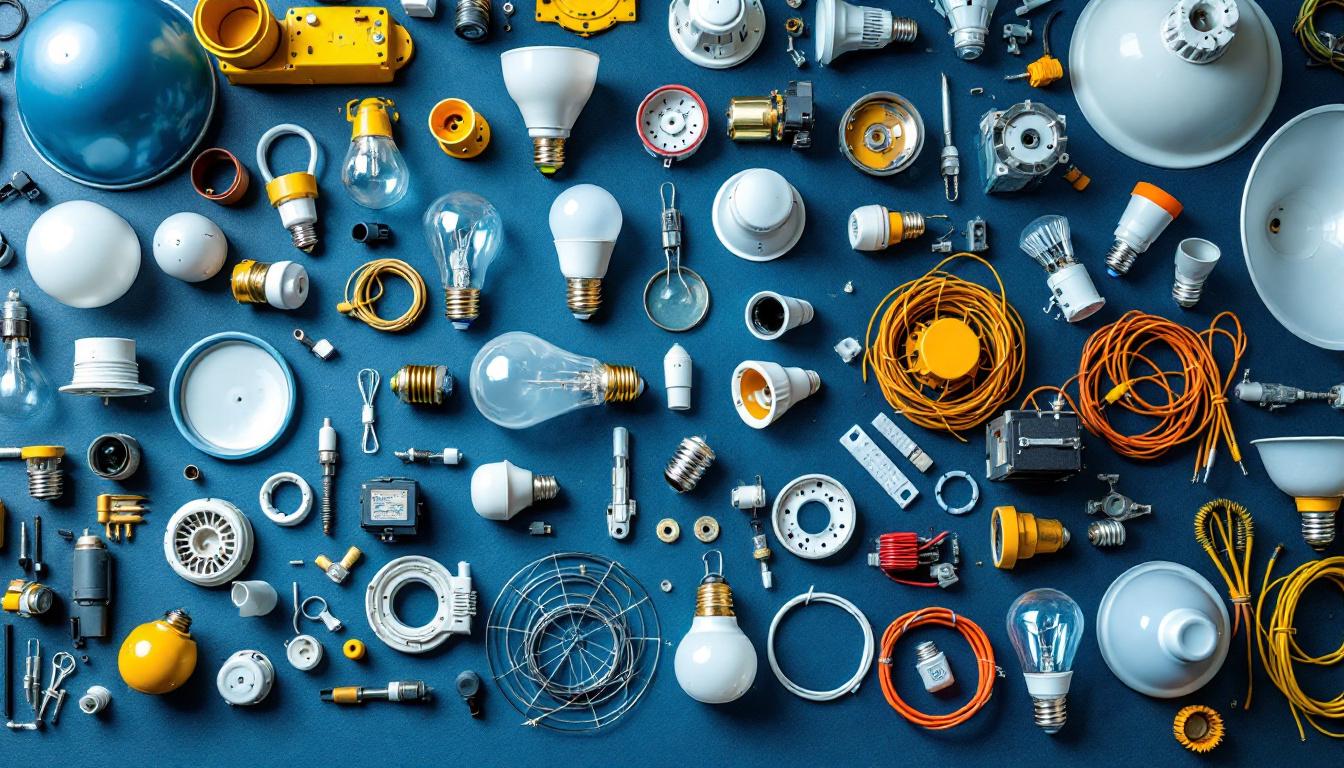
Understanding the Core Components of Light Fixtures
For lighting contractors, knowing the names and functions of light fixture parts is essential. Whether installing a simple ceiling fixture or a complex commercial lighting system, familiarity with each component ensures efficiency and accuracy on the job.
Light fixtures may seem straightforward at first glance, but they are made up of several key parts that work together to provide illumination. Misidentifying or misunderstanding these parts can lead to installation errors, safety hazards, or client dissatisfaction.
Housing or Fixture Body
The housing is the main structure or body of the light fixture. It holds all other components in place and often determines the fixture’s style and durability. Materials vary widely, from metals like aluminum or steel to plastics and glass. For outdoor or industrial fixtures, the housing must be robust and weather-resistant. Additionally, the design of the housing can significantly impact the light distribution; for instance, reflectors and diffusers integrated into the housing can enhance the quality of light and reduce glare, making it more comfortable for the eyes.
Socket or Lampholder
This is the component where the light bulb is inserted. Sockets come in many types, designed to fit specific bulb bases such as Edison screw, bayonet, or pin types. Proper socket selection is critical to ensure compatibility with the bulb and to maintain electrical safety. Furthermore, some sockets are designed with features like quick-connect terminals or built-in safety switches, which can facilitate easier bulb replacement and enhance user safety by preventing accidental electrical contact during maintenance.
Ballast or Driver
Not all fixtures have ballasts or drivers, but those that use fluorescent, HID, or LED lamps typically do. A ballast regulates the current to the bulb, preventing it from drawing too much power and burning out prematurely. LED drivers perform a similar function, converting electrical power to the correct voltage and current for LED arrays. It’s important to note that the efficiency of the ballast or driver can significantly affect the overall energy consumption of the lighting system. High-quality drivers, for instance, not only improve performance but also extend the lifespan of the LED lights, making them a more cost-effective choice in the long run.
Wiring and Electrical Components
Electrical connections are the backbone of any lighting installation. Understanding the parts involved helps contractors troubleshoot issues and comply with electrical codes. A well-designed electrical system not only enhances the functionality of lighting fixtures but also ensures safety and efficiency, making it essential for contractors to stay informed about the latest technologies and regulations in the field.
Leads and Wires
Leads are the wires that connect the fixture’s internal components to the building’s electrical supply. They come in different gauges and insulation types depending on the fixture’s power requirements and environment. Contractors must ensure proper wire sizing and secure connections to avoid overheating and potential fire hazards. Additionally, the choice of insulation material can significantly impact the durability of the wiring; for instance, wires with thermoplastic insulation are often used in residential settings, while those with thermoset insulation are better suited for high-temperature environments. Understanding the specific requirements for each installation can lead to enhanced performance and longevity of the lighting system.
Connectors and Terminal Blocks
Connectors join wires together safely and securely. Terminal blocks provide a convenient point to connect multiple wires and are often found inside junction boxes or the fixture housing. Using the correct type of connector—whether wire nuts, push-in connectors, or crimp terminals—is essential for a reliable electrical connection. Moreover, the choice of connector can affect the ease of maintenance and future upgrades. For example, push-in connectors allow for quick disconnections, making it easier to replace fixtures without extensive rewiring. Understanding the nuances of these components can greatly enhance the efficiency and safety of electrical installations.
Grounding Components
Grounding is a critical safety feature. Fixtures usually have a grounding wire or terminal that must be connected to the building’s grounding system. This prevents electrical shock if a fault occurs. Contractors should verify that grounding is properly installed and continuous throughout the fixture and wiring. Furthermore, grounding systems can vary significantly based on local codes and the specific electrical layout of a building. For instance, in some installations, a separate grounding electrode system may be required, especially in areas prone to electrical surges or lightning strikes. Understanding these variations is crucial for ensuring compliance and enhancing the overall safety of the electrical installation.
Light Emitting Elements and Diffusers
The part of the fixture that actually produces or modifies light is central to its function and aesthetic. Knowing these parts helps contractors select the right fixture for the client’s needs and maintain it properly.
Bulbs and Lamps
Bulbs come in a variety of types-incandescent, halogen, fluorescent, HID, and LED. Each type has its own base, shape, wattage, and color temperature. Contractors must be familiar with these variations to recommend the right bulb for efficiency, brightness, and ambiance.
LED Modules and Arrays
In modern fixtures, especially commercial and architectural lighting, LED modules replace traditional bulbs. These modules consist of multiple LED chips mounted on a circuit board. Understanding how these modules are wired and mounted is crucial for installation and maintenance.
Diffusers and Lenses
Diffusers scatter light to reduce glare and create a softer illumination. They can be made from glass, acrylic, or polycarbonate and come in various textures and colors. Lenses focus or direct light beams, often used in spotlights or floodlights. Selecting the right diffuser or lens affects both the fixture’s performance and the visual comfort of the space.
Mounting and Support Parts
How a fixture is secured impacts both safety and aesthetics. Lighting contractors frequently deal with these parts during installation.
Mounting Brackets and Plates
These metal or plastic components attach the fixture to ceilings, walls, or poles. They must be compatible with the fixture design and the mounting surface. Some brackets allow for adjustable angles, which is important for directional lighting.
Canopies and Covers
Canopies cover the electrical box and mounting hardware, providing a clean, finished look. They come in various shapes and sizes to match fixture styles. Covers may also serve to protect wiring from dust and moisture.
Chains, Rods, and Cords
Suspended fixtures often use chains, rods, or cords to hang from ceilings. These components must support the fixture’s weight safely and meet local code requirements. Adjustable lengths allow for customization of fixture height.
Common Questions Lighting Contractors Ask
Lighting contractors often encounter questions about fixture parts from clients, inspectors, or even suppliers. Here are some of the most frequent inquiries and clear answers to help navigate them.
How Do I Identify the Right Replacement Part?
Always refer to the fixture’s manufacturer specifications or model number. If unavailable, take detailed photos and measurements of the part in question. Many suppliers offer cross-reference guides to help find compatible replacements. Matching the electrical ratings and physical dimensions is crucial.
Can I Use LED Bulbs in Fixtures Designed for Incandescent?
Often yes, but not always. LED bulbs designed with standard bases can replace incandescent bulbs, offering energy savings and longer life. However, some fixtures with dimmers or special ballasts may require compatible LED bulbs or driver replacements. Testing and verifying compatibility prevents flickering or damage.
What Are the Safety Considerations When Working with Ballasts and Drivers?
Ballasts and drivers contain electrical components that can retain charge even when the fixture is off. Always disconnect power before servicing. Use insulated tools and follow manufacturer instructions. Replacing old magnetic ballasts with electronic ones or LED drivers can improve efficiency and reduce heat.
How Do I Ensure Proper Grounding of Fixtures?
Check that the fixture’s grounding wire or terminal is connected to the building’s grounding conductor or metal electrical box. Use a continuity tester to verify the connection. Never rely solely on the mounting hardware for grounding. Proper grounding protects both installers and users from electrical shock.
What Should I Know About Fixture Ratings and Certifications?
Fixtures come with ratings such as UL, ETL, or CSA that indicate compliance with safety standards. They may also have IP ratings specifying resistance to dust and moisture-important for outdoor or wet locations. Always select fixtures rated for the intended environment and load.
Tips for Efficient Installation and Maintenance
Understanding parts names is just the start. Efficiency and quality come from applying that knowledge during installation and maintenance.
Organize Parts Before Starting
Lay out all fixture components and tools before beginning. Confirm that all parts match the installation instructions. This prevents delays and reduces the risk of missing pieces.
Use Proper Tools and Techniques
Wire strippers, voltage testers, torque drivers, and insulated gloves are essential. Follow torque specifications on screws and connectors to avoid loose connections that could cause arcing or failure.
Document and Label Wiring
Label wires during installation, especially in complex fixtures or multi-fixture setups. This makes future troubleshooting or upgrades easier and safer.
Schedule Regular Maintenance Checks
Inspect fixtures periodically for signs of wear, corrosion, or loose parts. Replace bulbs and ballasts as needed to maintain optimal performance. Clean diffusers and lenses to ensure maximum light output.
Conclusion
For lighting contractors, mastering the names and functions of light fixture parts is fundamental. It streamlines communication, enhances safety, and improves the quality of installations. From housing and sockets to ballasts, diffusers, and mounting hardware, each component plays a vital role.
Being able to answer common questions confidently builds trust with clients and inspectors alike. Coupled with best practices for installation and maintenance, this knowledge ensures lighting systems perform reliably and look professional for years to come.
Get Your Premium Lighting Supplies at LumenWholesale
Ready to elevate your lighting installations with components that blend quality and affordability? LumenWholesale is your go-to source for spec-grade lighting products that meet the highest industry standards. Say goodbye to inflated markups and hello to superior lighting solutions at wholesale prices. With our hassle-free bulk buying and free shipping, you can stock up on reliable, high-performance lighting for every project. Don’t compromise on quality or value — discover the best wholesale lighting deals and make your next installation shine with LumenWholesale.