Understanding the Jelly Jar Porch Light and Its Popularity
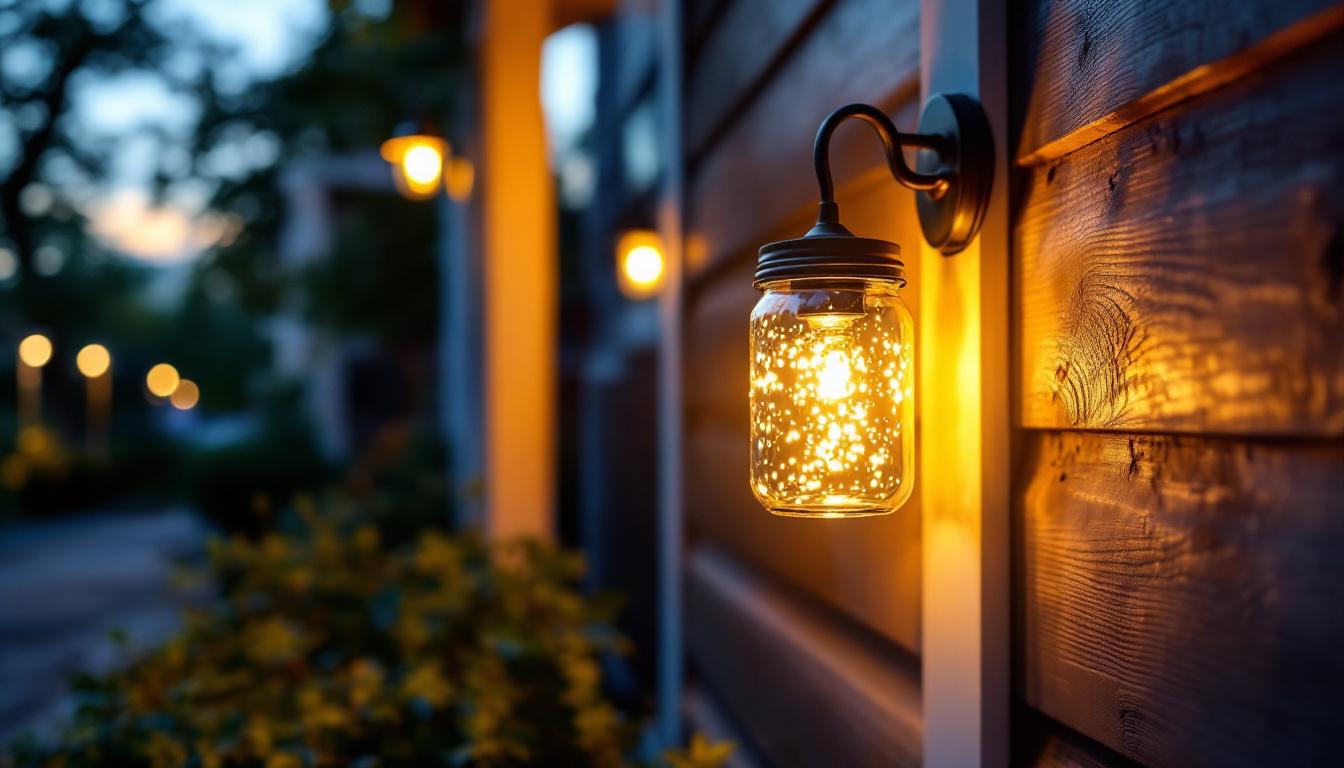
The Jelly Jar porch light is a classic fixture that has stood the test of time, favored for its vintage charm and durable design. Originally designed to protect bulbs from the elements, these lights feature a thick glass jar surrounding the bulb, often with a metal or plastic lid. Their robust construction makes them ideal for outdoor use, especially on porches, patios, and entryways.
For lighting contractors, the Jelly Jar light is more than just a nostalgic choice. It’s a practical fixture that offers versatility and ease of installation. However, with evolving building codes and energy efficiency standards, understanding compliance requirements is crucial to ensure installations meet local regulations and safety standards.
In addition to their functional benefits, Jelly Jar lights have become a popular choice for homeowners looking to enhance their outdoor aesthetics. Available in a variety of styles and finishes, these lights can complement different architectural designs, from rustic farmhouse to modern minimalist. Many homeowners appreciate the ability to customize their outdoor lighting with options such as vintage Edison bulbs, which not only provide warm illumination but also contribute to the nostalgic appeal of the fixture. Furthermore, the Jelly Jar design can be easily integrated with smart home technology, allowing for remote control and dimming options, making them both stylish and functional.
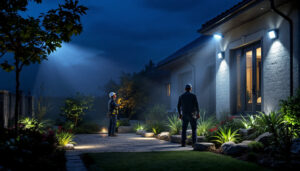
The Jelly Jar porch light’s enduring popularity can also be attributed to its role in creating a welcoming atmosphere. A well-lit porch not only enhances safety but also invites guests to linger and enjoy the outdoor space. Many people choose to install these lights in pairs or clusters to create a cohesive lighting scheme that draws attention to architectural features or landscaping. Additionally, the soft glow emitted by these fixtures can transform a simple porch into a cozy retreat, perfect for evening gatherings or quiet nights spent stargazing. As more homeowners look to create inviting outdoor environments, the Jelly Jar porch light remains a timeless choice that balances both form and function.
Compliance Basics: What Codes Say About Outdoor Lighting
Electrical Safety Standards
Electrical safety is paramount when installing any outdoor lighting fixture, including Jelly Jar porch lights. The National Electrical Code (NEC) sets the foundation for safe wiring and installation practices. Key points include ensuring fixtures are rated for wet locations, using appropriate wiring methods, and installing ground-fault circuit interrupters (GFCIs) where required.
Jelly Jar lights typically come with UL or ETL listings indicating they meet safety standards for wet or damp environments. Contractors must verify that the specific model being installed has the correct rating for the intended location. Using a fixture rated only for damp locations in an exposed outdoor area can lead to code violations and safety hazards. Furthermore, it is essential to consider the installation environment, as factors like humidity, temperature fluctuations, and exposure to the elements can significantly impact the longevity and functionality of the lighting fixture. Proper installation not only ensures compliance with safety codes but also enhances the aesthetic appeal and usability of outdoor spaces, allowing homeowners to enjoy their gardens and patios even after sunset.
Energy Efficiency and Lighting Controls
Energy codes, such as those adopted from the International Energy Conservation Code (IECC), increasingly influence outdoor lighting installations. Lighting contractors need to be aware of requirements for energy-efficient bulbs and controls. For example, many jurisdictions require the use of LED bulbs or other energy-saving technologies in outdoor fixtures.
Additionally, lighting controls like timers, photocells, or motion sensors are often mandated to reduce energy waste. A Jelly Jar porch light equipped with a photocell or motion sensor can automatically turn off during daylight hours or when no motion is detected, helping meet these requirements and providing convenience to homeowners. The integration of smart technology into outdoor lighting systems is also becoming more prevalent, allowing homeowners to control their lighting remotely via smartphone apps. This not only enhances energy efficiency but also adds a layer of security, as lights can be programmed to turn on and off at specific times, giving the appearance of occupancy even when the homeowners are away. As energy regulations continue to evolve, staying informed about the latest technologies and compliance requirements will be crucial for contractors and homeowners alike.
Choosing the Right Jelly Jar Fixture for Compliance
Material and Weather Resistance
Not all Jelly Jar fixtures are created equal. When selecting a fixture, contractors should prioritize materials that withstand harsh weather conditions without compromising safety or aesthetics. Glass jars must be thick and impact-resistant, while lids and mounting hardware should resist corrosion.
Fixtures with a powder-coated metal lid or stainless steel components tend to last longer and maintain compliance over time. Additionally, seals and gaskets are critical to prevent moisture intrusion, which can cause electrical shorts or fixture failure. It’s also worth considering UV-resistant materials, especially in areas with high sun exposure, as prolonged UV exposure can degrade plastic components and affect the fixture’s overall durability.
Furthermore, the design of the fixture should facilitate drainage to prevent water accumulation, which can lead to rust and mold growth. Selecting fixtures with a sloped design or built-in drainage features can enhance their longevity and performance, ensuring they remain functional and compliant even in the most challenging environments.
Bulb Compatibility and Wattage Limits
Each Jelly Jar fixture has specific bulb compatibility and wattage limits dictated by the manufacturer. Exceeding these limits can cause overheating and pose fire risks. Contractors must consult product specifications to ensure the bulbs installed are appropriate.
With energy codes pushing for LED adoption, many Jelly Jar fixtures are now designed to accommodate LED bulbs, which run cooler and consume less power. This shift not only helps with compliance but also extends the life of the fixture and reduces maintenance. Additionally, the versatility of LED bulbs allows for a range of color temperatures, enabling contractors to create the desired ambiance while adhering to safety standards.
Moreover, it is essential to consider the dimming capabilities of the fixtures, as many modern LED bulbs offer dimmable options. Ensuring that the Jelly Jar fixture is compatible with dimmer switches can enhance energy efficiency and provide users with greater control over their lighting environment. This added flexibility can be particularly beneficial in commercial settings where lighting needs may change throughout the day or for special events.
Installation Best Practices for Lighting Contractors
Proper Mounting and Wiring Techniques
Securing the Jelly Jar porch light correctly is essential for both safety and longevity. The fixture should be mounted to a stable surface, such as a wall or ceiling, using hardware that supports its weight and resists loosening over time.
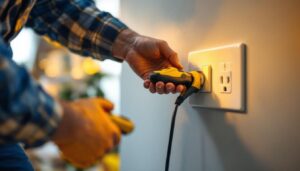
Wiring must comply with NEC requirements, including the use of weatherproof junction boxes and conduit where necessary. All connections should be sealed against moisture, and grounding must be properly established to prevent electrical hazards.
Incorporating Lighting Controls
Integrating photocells or motion sensors during installation is straightforward but requires attention to wiring and placement. Sensors should be positioned to avoid false triggers from passing vehicles or animals, and wiring should be routed to minimize exposure and damage risk.
Contractors should test controls after installation to confirm they operate as intended, ensuring the fixture turns on and off at appropriate times. This step is critical for meeting energy code requirements and satisfying client expectations.
Common Compliance Challenges and How to Avoid Them
Misunderstanding Fixture Ratings
A frequent issue arises when contractors install fixtures without verifying their wet or damp location ratings. A Jelly Jar light rated only for damp locations may not be suitable for areas directly exposed to rain or snow, leading to code violations and potential safety risks.
Always check the fixture’s UL or ETL listing and confirm it matches the installation environment. When in doubt, opt for a fixture rated for wet locations to ensure compliance.
Ignoring Local Amendments and Utility Incentives
While national codes provide a baseline, local jurisdictions often have unique amendments or stricter requirements. Lighting contractors should familiarize themselves with these local codes to avoid costly rework or fines.
Additionally, many utility companies offer incentives or rebates for installing energy-efficient outdoor lighting. Understanding these programs can benefit both contractors and clients by reducing upfront costs and promoting sustainable practices.
Maintenance and Inspection Tips for Long-Term Compliance
Routine Fixture Inspection
Over time, exposure to weather can degrade seals, corrode metal parts, and cause electrical issues. Regular inspections help identify problems before they become serious. Contractors can advise clients on maintenance schedules or offer inspection services as part of ongoing support.
Checking for cracks in the glass jar, rust on mounting hardware, and proper operation of lighting controls ensures the fixture remains safe and compliant.
Upgrading to Meet New Standards
Codes and standards evolve. Lighting contractors should stay informed about updates that may affect existing installations. For example, older Jelly Jar fixtures using incandescent bulbs might need retrofitting with LED technology to meet current energy codes.
Offering upgrade services not only helps clients maintain compliance but also positions contractors as trusted experts in the field.
Summary: Key Takeaways for Lighting Contractors
Jelly Jar porch lights combine aesthetic appeal with practical durability, making them a popular choice for outdoor lighting. However, compliance with electrical safety, energy efficiency, and local codes is non-negotiable.
Contractors must select fixtures rated for the installation environment, use energy-efficient bulbs and lighting controls, and follow proper installation and wiring practices. Staying current with code changes and advising clients on maintenance ensures installations remain safe and compliant over time.
By mastering these aspects, lighting contractors can confidently specify, install, and maintain Jelly Jar porch lights that meet both regulatory demands and client expectations.
Illuminate Your Projects with LumenWholesale
Ready to elevate your lighting installations with fixtures that promise compliance, quality, and value? Look no further than LumenWholesale. Our extensive range of spec-grade lighting products, including Jelly Jar porch lights, is designed to meet the highest industry standards, ensuring your projects shine with reliability and performance. At LumenWholesale, we offer the best wholesale prices, free shipping on bulk orders, and the convenience of cutting out the middleman. Don’t compromise on quality or cost—visit Wholesale Lighting at the Best Value and discover the ideal lighting solutions for your next project.