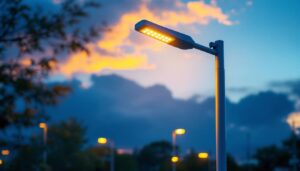
Understanding Post Top Light Fixtures and Their Role in Outdoor Lighting
Post top light fixtures are a staple in outdoor lighting design, commonly found illuminating streets, parks, pathways, and commercial areas. Their elevated position atop poles provides broad, even light distribution, enhancing safety and visibility after dark. For lighting contractors, these fixtures are more than just functional elements—they are critical components that must meet specific compliance standards to ensure safety, efficiency, and durability.
These fixtures come in various styles and technologies, from traditional high-pressure sodium lamps to modern LED systems. Each type has unique characteristics that influence installation practices, maintenance, and regulatory adherence. Understanding these nuances is essential for contractors aiming to deliver installations that not only look good but also stand up to regulatory scrutiny and client expectations.
In addition to their practical applications, post top light fixtures also play a significant role in the aesthetic appeal of outdoor spaces. With a variety of designs available—from sleek, contemporary lines to ornate, vintage styles—these fixtures can enhance the architectural character of an area. For instance, in urban settings, decorative post top lights can contribute to a city’s identity, creating a cohesive look that attracts visitors and encourages nighttime activity. Furthermore, the choice of materials, such as aluminum, bronze, or polycarbonate, can impact not only the visual appeal but also the longevity and maintenance requirements of the fixtures.
Moreover, advancements in smart lighting technology are revolutionizing the way post top light fixtures are utilized. Many modern systems now incorporate sensors and connectivity features that allow for adaptive lighting solutions. This means that lights can automatically adjust their brightness based on surrounding light levels or pedestrian traffic, significantly enhancing energy efficiency and reducing operational costs. As cities and municipalities increasingly prioritize sustainability, integrating smart technology into outdoor lighting designs is becoming essential for contractors who wish to stay ahead in a competitive market.
Key Compliance Standards for Post Top Light Fixtures
Electrical and Safety Codes
Post top light fixtures must comply with national and local electrical codes. The National Electrical Code (NEC) sets the baseline for wiring, grounding, and installation practices. Contractors should ensure that all fixtures are installed with proper grounding to prevent electrical hazards. Additionally, wiring must be rated for outdoor use and protected against moisture and physical damage.
Safety standards also cover fixture construction. Fixtures should be rated for wet locations, ensuring they can withstand exposure to rain, snow, and humidity without compromising electrical integrity. Using fixtures with appropriate ingress protection (IP) ratings is a practical way to verify this compliance. Furthermore, it is essential to consider the materials used in the construction of these fixtures. Corrosion-resistant materials, such as aluminum or stainless steel, are often recommended to enhance durability and longevity, especially in coastal areas where saltwater exposure can accelerate deterioration.
Energy Efficiency Regulations
Energy codes, such as those established by the Department of Energy (DOE) and enforced through local jurisdictions, require lighting installations to meet minimum efficiency standards. LED post top fixtures have become the preferred choice due to their superior energy performance and longer lifespan compared to traditional lighting technologies.
Contractors should be familiar with regulations like the Energy Policy Act, which influences allowable wattages and controls for outdoor lighting. Incorporating dimming controls, motion sensors, or photocells can help meet these requirements while providing clients with energy savings and operational flexibility. Additionally, the use of smart lighting technology is gaining traction, allowing for real-time monitoring and adjustments based on environmental conditions, which can further enhance energy efficiency and reduce operational costs.
Dark Sky and Light Pollution Compliance
Light pollution is a growing concern, particularly in urban and suburban areas. Many municipalities have adopted dark sky ordinances to reduce glare and skyglow, preserving night skies and minimizing disruption to wildlife. Post top fixtures must be selected and installed to comply with these ordinances.
Full cutoff or fully shielded fixtures are often mandated to direct light downward and prevent upward light spill. Lighting contractors should verify local dark sky requirements and ensure that fixtures meet these standards to avoid costly rework and fines. Additionally, educating clients about the benefits of dark sky compliance, such as enhanced visibility for stargazing and reduced impact on nocturnal wildlife, can foster a greater appreciation for responsible outdoor lighting practices. By promoting fixtures that minimize light trespass and using warmer color temperatures, contractors can contribute to a more sustainable and aesthetically pleasing nighttime environment.
Installation Best Practices for Compliance and Longevity
Site Assessment and Fixture Selection
Before installation, conducting a thorough site assessment is crucial. This includes evaluating the pole height, spacing, and the surrounding environment. The goal is to achieve uniform illumination while minimizing shadows and glare. Factors such as existing infrastructure, landscaping, and the intended use of the area should be considered to ensure that the lighting design is both functional and aesthetically pleasing.
Fixture selection should align with the site’s lighting needs and compliance requirements. For example, areas requiring high security might benefit from fixtures with higher lumen output and tighter beam control. Conversely, residential or park areas may prioritize softer lighting with reduced glare. Additionally, energy efficiency should be a key consideration; opting for LED fixtures not only decreases energy consumption but also extends the lifespan of the lighting system, contributing to long-term sustainability and cost savings.
Proper Mounting and Wiring Techniques
Mounting post top fixtures requires attention to mechanical stability and electrical safety. Fixtures must be securely attached to poles rated to withstand local wind loads and environmental conditions. Using manufacturer-approved mounting hardware ensures compatibility and reduces liability. Furthermore, it is advisable to regularly inspect mounting systems for wear and tear, as environmental factors can lead to loosening over time, potentially compromising safety and performance.
Wiring should be routed through poles using conduit or internal channels designed for this purpose. This protects cables from physical damage and moisture ingress. All connections must be sealed with weatherproof connectors to maintain integrity over time. It is also beneficial to incorporate surge protection devices to safeguard against voltage spikes, which can occur during storms or electrical disturbances, thus prolonging the lifespan of the lighting system and reducing maintenance costs.
Testing and Documentation
After installation, thorough testing confirms compliance and functionality. This includes verifying electrical connections, checking fixture operation with controls, and measuring light levels to ensure they meet design specifications. Moreover, conducting a photometric analysis can help identify any areas that may require adjustments to the lighting layout to achieve optimal performance and safety.
Documenting the installation process, including product specifications, wiring diagrams, and test results, is essential. This documentation supports warranty claims, facilitates future maintenance, and provides evidence of compliance during inspections. Additionally, maintaining a log of maintenance activities and any modifications made to the system can enhance the overall management of the lighting infrastructure, ensuring that it continues to meet both operational and regulatory standards over time.
Maintenance Considerations to Sustain Compliance
Routine Inspections and Cleaning
Post top fixtures are exposed to the elements, which can degrade performance over time. Regular inspections help identify issues such as corrosion, water ingress, or damaged components before they become safety hazards.
Cleaning lenses and fixture surfaces is equally important. Dirt and debris can reduce light output and cause uneven illumination, potentially violating lighting standards. Maintenance schedules should be tailored to the environment-urban areas with pollution might require more frequent cleaning than rural locations.
Timely Repairs and Upgrades
Promptly addressing any fixture malfunctions or damage is critical to maintaining compliance. This includes replacing failed lamps, repairing wiring faults, and fixing mounting issues.
Upgrading fixtures to newer, more efficient models can also be a strategic maintenance approach. Advances in LED technology and smart controls offer opportunities to enhance energy savings and comply with evolving regulations without complete system overhauls.
Common Compliance Challenges and How to Overcome Them
Dealing with Varying Local Regulations
Lighting contractors often face the challenge of navigating diverse local codes and ordinances. What applies in one municipality may differ significantly in another. Staying informed through regular communication with local authorities and industry groups is crucial.
Investing in compliance management software or tools that track regulatory changes can streamline this process. Additionally, building relationships with manufacturers who provide detailed compliance documentation helps ensure correct fixture selection.
Balancing Aesthetics, Performance, and Compliance
Clients frequently desire fixtures that enhance the visual appeal of their properties while meeting lighting needs. Sometimes, aesthetic choices conflict with compliance requirements, such as when decorative fixtures lack full cutoff features.
Contractors can address this by educating clients on the importance of compliance and suggesting alternative designs that meet both visual and regulatory criteria. Offering mock-ups or lighting simulations can help clients visualize compliant options effectively.
Managing Installation in Difficult Environments
Post top fixtures installed in harsh environments-coastal areas, industrial zones, or places with extreme weather-face accelerated wear and compliance risks. Selecting fixtures with robust construction, corrosion-resistant materials, and appropriate ingress protection is vital.
Contractors should also consider additional protective measures, such as specialized coatings or enclosures, and adjust maintenance schedules accordingly to sustain compliance over the fixture’s lifespan.
Conclusion: Staying Ahead in Post Top Fixture Compliance
For lighting contractors, mastering the complexities of post top light fixture compliance is essential to delivering safe, efficient, and durable outdoor lighting solutions. A deep understanding of electrical codes, energy efficiency mandates, and dark sky regulations forms the foundation of compliant installations.
Combining this knowledge with meticulous installation practices and proactive maintenance ensures that fixtures perform optimally and meet client expectations. By anticipating challenges and staying current with regulatory trends, contractors can position themselves as trusted experts in outdoor lighting, driving successful projects and satisfied customers.
Illuminate Your Projects with LumenWholesale
Ready to elevate your lighting installations with compliance and quality in mind? Look no further than LumenWholesale for all your post top light fixture needs. Our spec-grade lighting products not only meet the highest industry standards but also come at unbeatable wholesale prices, ensuring you deliver on both safety and efficiency without breaking the bank. Say goodbye to middleman markups and hello to hassle-free bulk buying with free shipping. Make your next project shine with the perfect blend of quality, affordability, and convenience. Discover Wholesale Lighting at the Best Value today and light up your work with confidence.