Understanding the Importance of Lighting in Grow Equipment
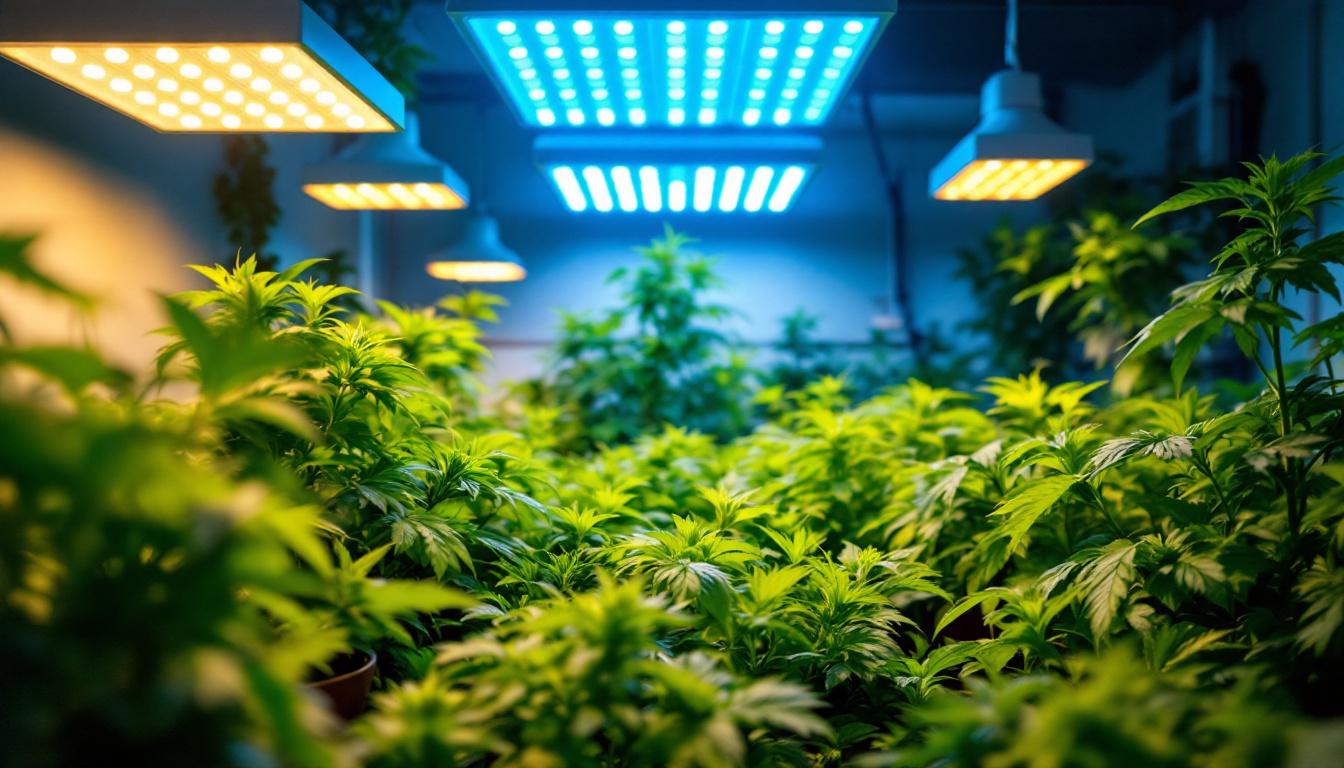
Lighting is the backbone of any successful indoor grow operation. For lighting contractors, selecting the right grow lights is not just about illuminating plants-it’s about optimizing growth, energy efficiency, and overall yield. The right lighting setup can make the difference between a thriving crop and a disappointing harvest.
Grow lights must mimic the natural sunlight spectrum that plants rely on for photosynthesis. However, the challenge lies in balancing quality and cost. Many contractors face tight budgets but cannot afford to compromise on performance. Knowing how to evaluate grow lighting options ensures both affordability and effectiveness.
Why Lighting Quality Matters More Than Price Alone
Cheap grow lights might seem appealing initially, but poor quality lighting can result in uneven plant growth, increased energy consumption, and shorter equipment lifespan. These issues translate into higher long-term costs and reduced client satisfaction. Lighting contractors must look beyond the sticker price and consider factors like light spectrum, intensity, and durability.
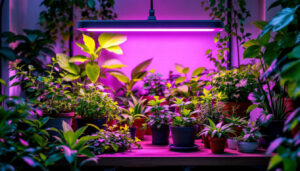
For example, full-spectrum LED grow lights offer a balanced range of wavelengths that support all stages of plant growth. While they might have a higher upfront cost compared to traditional HID lights, their energy efficiency and longevity often lead to substantial savings over time.
Moreover, the placement and arrangement of grow lights play a crucial role in maximizing their effectiveness. Proper spacing and height adjustments can ensure that every plant receives adequate light exposure, which is vital for uniform growth. Additionally, incorporating smart lighting systems that can adjust intensity based on the time of day or specific plant needs can further enhance growth outcomes. These advanced systems not only contribute to healthier plants but also help in reducing energy costs, making them a wise investment for any grow operation.
Furthermore, understanding the specific light requirements of different plant species can lead to tailored lighting solutions that optimize growth conditions. For instance, flowering plants may require different light spectrums compared to leafy greens. By educating clients on these nuances, lighting contractors can foster better relationships and establish themselves as trusted advisors in the industry. This knowledge not only aids in selecting the right equipment but also empowers growers to achieve their desired results, ultimately leading to more successful harvests.
Key Factors to Consider When Choosing Grow Lights
Selecting the right grow lights involves more than picking the cheapest option. Contractors should evaluate several critical factors to ensure the equipment meets the needs of the grow operation.
Light Spectrum and Plant Growth Stages
Plants require different light wavelengths during various growth phases. Blue light (400-500 nm) encourages vegetative growth, while red light (600-700 nm) promotes flowering and fruiting. Some grow lights offer adjustable spectrums, allowing growers to tailor lighting to plant needs.
Contractors should recommend lights that provide a full or customizable spectrum to maximize plant health and yield. This flexibility is especially important for clients growing diverse crops or those who want to optimize growth cycles. Additionally, some advanced lighting systems incorporate ultraviolet (UV) and infrared (IR) wavelengths, which can enhance plant resilience and stimulate essential oil production in certain species. Understanding the specific light requirements for each plant type can significantly improve the overall success of the grow operation.
Energy Efficiency and Operating Costs
Energy consumption is a major expense in indoor cultivation. Lighting contractors should prioritize energy-efficient options like LED grow lights, which use significantly less power than traditional high-pressure sodium (HPS) or metal halide (MH) lamps.
Although LEDs may have a higher initial price, their lower electricity usage and reduced heat output can lower cooling costs and extend equipment lifespan. This makes them a cost-effective choice for growers aiming to reduce long-term expenses. Furthermore, many modern LED systems come equipped with smart technology, allowing for remote monitoring and control, which can lead to even greater energy savings and operational efficiency. By analyzing energy consumption patterns, growers can adjust their lighting schedules to align with peak energy rates, further minimizing costs.
Durability and Warranty
Grow lights operate for thousands of hours under demanding conditions. Choosing equipment with robust build quality and strong warranties protects clients from unexpected failures and replacement costs.
Contractors should look for products with high-quality components, such as well-designed heat sinks and reliable drivers. A warranty of at least two to three years is a good benchmark for quality assurance. Additionally, some manufacturers offer extended warranties or service plans that can provide peace of mind for growers investing in high-end lighting solutions. It’s also beneficial to consider the reputation of the manufacturer; established brands often have a track record of reliability and customer support, which can be invaluable in the event of technical issues.
Size and Coverage Area
Different grow spaces require different lighting setups. A small grow tent might only need a single light fixture, while larger commercial operations require multiple units strategically placed for even coverage.
Contractors must assess the grow area dimensions and recommend lights with appropriate coverage. Overlapping light footprints can waste energy, while insufficient coverage leads to poor plant development. Additionally, the height of the grow lights should be adjustable to accommodate plants as they grow, ensuring that all areas receive adequate light without causing heat stress. Understanding the growth patterns of the plants being cultivated can also help in determining the optimal placement and configuration of lights, allowing for a more efficient and productive growing environment.
Popular Grow Lighting Technologies and Their Cost Benefits
Understanding the main types of grow lights helps contractors make informed recommendations that balance cost and performance.
LED Grow Lights
LEDs have revolutionized indoor cultivation. They offer precise spectrum control, low heat output, and excellent energy efficiency. Prices have dropped significantly, making them accessible for many growers.
While upfront costs remain higher than traditional options, LEDs’ long lifespan (often 50,000+ hours) and energy savings justify the investment. Additionally, LEDs generate less heat, reducing the need for expensive cooling systems.
High-Pressure Sodium (HPS) Lights
HPS lights have been a staple in grow operations for decades. They are relatively inexpensive to purchase and provide strong light intensity, especially in the red spectrum, which is ideal for flowering stages.
However, HPS lamps consume more energy and produce substantial heat, increasing operational costs. Their shorter lifespan compared to LEDs means more frequent replacements, which can add up over time.
Metal Halide (MH) Lights
MH lights are commonly used during the vegetative growth phase due to their blue spectrum output. They are affordable and widely available but share similar drawbacks with HPS lights in terms of energy use and heat generation.
Many growers combine MH and HPS lighting to cover the full growth cycle, but this approach can increase complexity and costs.
Fluorescent Grow Lights
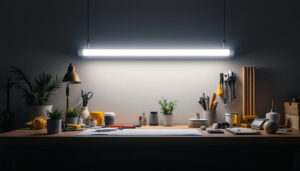
Fluorescent lights, including T5 tubes and compact fluorescents, are suitable for seedlings and clones. They are inexpensive and produce minimal heat, but their light intensity is lower than LEDs or HPS, limiting their use in larger or mature grow spaces.
Tips for Lighting Contractors to Source Affordable Grow Equipment
Finding quality grow lights at a reasonable price requires strategic sourcing and negotiation skills.
Buy Direct from Manufacturers or Authorized Distributors
Cutting out middlemen can reduce costs significantly. Many manufacturers offer bulk discounts or contractor pricing programs. Establishing relationships with reputable suppliers ensures access to genuine products and technical support.
Consider Used or Refurbished Equipment Carefully
Used grow lights can be a cost-effective option, especially for startups or small-scale operations. However, contractors should thoroughly inspect equipment for wear, functionality, and warranty status. Refurbished units from trusted vendors often come with limited warranties and can offer a good balance between price and reliability.
Leverage Group Buys and Cooperative Purchasing
Pooling orders with other contractors or growers can unlock volume discounts. Group buys reduce shipping costs and provide leverage for negotiating better prices. This approach works well for standardizing equipment across multiple grow sites.
Stay Updated on Industry Innovations and Incentives
Lighting technology evolves rapidly. Newer models often deliver better performance at lower costs. Contractors should stay informed about emerging products and government incentives for energy-efficient lighting. Rebates and tax credits can offset initial expenses, making premium equipment more affordable.
Installation and Maintenance Considerations for Cost-Effective Lighting
Choosing the right grow lights is only part of the equation. Proper installation and maintenance ensure optimal performance and longevity.
Optimize Fixture Placement for Maximum Efficiency
Even the best grow lights underperform if poorly positioned. Contractors should design layouts that maximize light distribution and minimize shadows. Adjustable mounting systems allow fine-tuning as plants grow, enhancing light penetration and uniformity.
Implement Smart Controls and Automation
Timers, dimmers, and environmental sensors help regulate light cycles and intensity. Automation reduces human error and energy waste by ensuring lights operate only when needed. Smart systems can adapt to plant growth stages, further improving efficiency.
Regular Cleaning and Inspection
Dust and residue on light fixtures reduce output. Routine cleaning maintains brightness and prevents overheating. Inspecting wiring and connections helps avoid electrical issues and extends equipment life.
Balancing Client Expectations and Budget Constraints
Lighting contractors often navigate the delicate balance between client budgets and performance demands.
Educate Clients on Total Cost of Ownership
Clients may focus on upfront costs without considering long-term expenses like electricity and replacement bulbs. Providing clear comparisons and projections helps clients make informed decisions that align with their financial goals.
Offer Scalable Solutions
Propose lighting setups that can be expanded or upgraded over time. Starting with a basic, affordable system allows clients to invest gradually while still achieving reasonable results. Modular designs facilitate future enhancements without complete overhauls.
Customize Recommendations Based on Crop and Grow Space
Not all grow operations require the same lighting intensity or spectrum. Tailoring solutions to specific crops and space sizes prevents overinvestment and ensures efficient resource use.
Conclusion: Smart Choices Lead to Successful Grow Lighting Projects
For lighting contractors, selecting grow equipment that balances cost and quality is critical. Understanding the nuances of lighting technology, energy efficiency, and client needs enables contractors to deliver solutions that enhance plant growth while respecting budget constraints.
By focusing on durable, energy-efficient products, leveraging strategic purchasing, and emphasizing proper installation, contractors can build trust and foster long-term client success. The right grow lighting choices not only illuminate plants-they illuminate the path to profitable, sustainable cultivation.
Illuminate Your Projects with LumenWholesale
Ready to elevate your grow lighting projects with the perfect balance of quality and affordability? Look no further than LumenWholesale, where we specialize in providing contractors with top-tier, spec-grade lighting products at unbeatable wholesale prices. Say goodbye to inflated markups and hello to a vast selection of reliable, high-performance lighting that meets the highest industry standards. With the added convenience of hassle-free bulk buying and free shipping, LumenWholesale ensures you get the premium lighting your projects deserve at the best value. Don’t compromise on quality or cost—explore our Wholesale Lighting at the Best Value today and make a smart investment in your grow operation’s success.