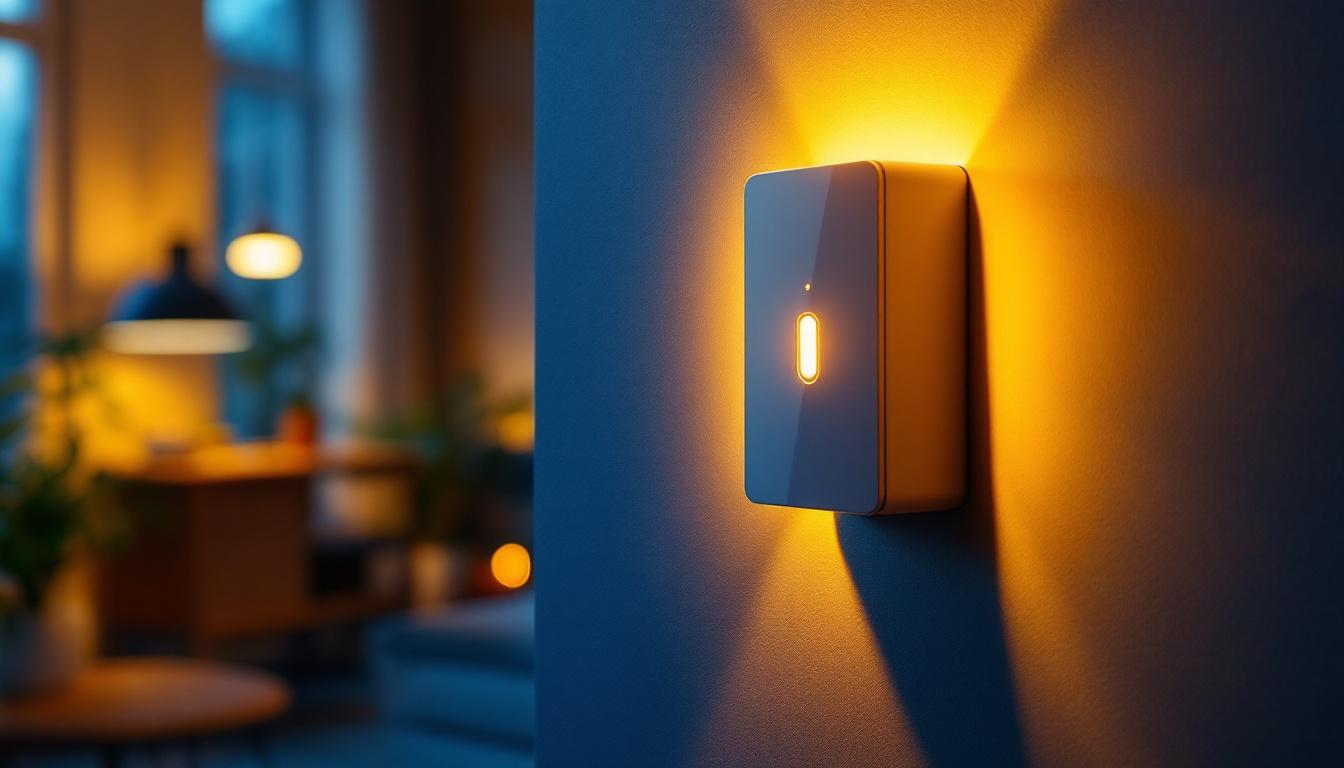
Understanding the Role of Light Detector Switches in Modern Lighting
Lighting contractors face the constant challenge of balancing functionality, energy efficiency, and cost-effectiveness in their projects. One device that has steadily gained traction for meeting these demands is the light detector switch. Unlike traditional manual switches, this technology automatically adjusts lighting based on ambient light levels, offering a smarter approach to illumination control.
At its core, a light detector switch uses a sensor—often a photodiode or phototransistor—to measure the intensity of natural or artificial light in a given space. When the sensor detects that ambient light falls below a preset threshold, the switch activates the lighting system. Conversely, if the environment is sufficiently bright, the switch turns the lights off or dims them accordingly. This simple yet effective mechanism can dramatically improve energy usage and maintenance schedules.
In addition to energy savings, light detector switches enhance user experience by providing a seamless transition between natural and artificial lighting. For example, in commercial spaces such as offices or retail environments, these switches can create a more comfortable atmosphere for employees and customers alike. By ensuring that lighting levels are always optimal, businesses can improve productivity and customer satisfaction, leading to a more positive overall experience. Moreover, with the rise of smart building technologies, integrating light detector switches with other automated systems can further enhance their effectiveness, allowing for coordinated responses to varying light conditions throughout the day.
Furthermore, the versatility of light detector switches makes them suitable for a wide range of applications, from residential settings to large-scale industrial projects. In homes, they can be installed in areas like hallways, bathrooms, and outdoor spaces to ensure that lights only activate when necessary, thus reducing energy waste. In industrial settings, these switches can be crucial for safety, ensuring that workspaces are adequately lit when needed while minimizing the risk of accidents due to inadequate lighting. As the demand for sustainable solutions continues to grow, the adoption of light detector switches is likely to become a standard practice in modern lighting design, further solidifying their role in the evolution of energy-efficient technologies.
Key Benefits of Integrating Light Detector Switches
Energy Savings and Cost Reduction
Lighting accounts for a significant portion of electricity consumption in commercial and residential buildings. By ensuring lights are only on when necessary, light detector switches reduce wasted energy. Studies have shown that automatic lighting controls can cut lighting energy use by 20% to 60%, depending on the application and environment.
For contractors, this translates into a compelling selling point for clients looking to lower utility bills and meet sustainability goals. The initial investment in these switches often pays for itself within a short period due to reduced energy costs. Furthermore, as energy prices continue to rise, the long-term financial benefits of integrating light detector switches become even more pronounced. Clients can enjoy not only immediate savings but also the peace of mind that comes from making an environmentally responsible choice, aligning their operations with green building standards and certifications.
Enhanced User Convenience and Safety
Light detector switches eliminate the need for manual operation, which is especially beneficial in spaces where light conditions change frequently or where manual access to switches is inconvenient. For example, outdoor lighting in parking lots or pathways can automatically turn on at dusk and off at dawn, improving safety without requiring human intervention.
In commercial settings, these switches can also contribute to security by ensuring that critical areas remain illuminated during low-light conditions, deterring unauthorized access or accidents. Additionally, in environments such as hospitals or schools, where staff and students may have their hands full, the convenience of automatic lighting enhances overall functionality. This seamless integration not only improves user experience but also fosters a sense of security and well-being among occupants, making spaces more inviting and accessible.
Extended Equipment Lifespan
Reducing the amount of time lights are on directly affects the longevity of bulbs and fixtures. By preventing unnecessary operation, light detector switches help extend the life of lighting components, reducing maintenance frequency and costs. This benefit is particularly valuable in large-scale projects where maintenance access can be costly or disruptive.
Moreover, the reduction in wear and tear on lighting systems can lead to fewer replacements and repairs, translating into significant savings over time. Facilities managers can allocate resources more efficiently, focusing on other critical maintenance tasks instead of being bogged down by frequent lighting issues. This proactive approach not only enhances the overall operational efficiency of a building but also contributes to a more sustainable approach to facility management, minimizing waste and promoting a longer lifecycle for all electrical components involved.
Applications Where Light Detector Switches Shine
Outdoor and Street Lighting
One of the most common uses for light detector switches is in outdoor lighting systems. Streetlights, parking lot lamps, and pathway lights benefit greatly from automatic activation based on ambient light. This ensures illumination is provided only when needed, conserving energy during daylight hours.
Many municipalities and commercial property managers have adopted these switches to comply with energy regulations and reduce operational expenses. The ability to automate lighting schedules without complex programming is a major advantage for contractors tasked with retrofitting existing installations or designing new systems.
Commercial and Industrial Spaces
Warehouses, factories, and office buildings often have large areas with variable lighting needs. Light detector switches can be integrated with other control systems to optimize lighting based on natural daylight availability. This not only saves energy but also improves worker comfort by maintaining consistent illumination levels.
For lighting contractors, specifying these switches can simplify system design by reducing the need for manual overrides or complex timers. They also offer a straightforward way to meet client demands for green building certifications and energy audits.
Residential Lighting Solutions
While commercial applications are prominent, residential projects also benefit from light detector switches. Porch lights, garden lighting, and security fixtures can all be automated to respond to changing light conditions. This enhances convenience for homeowners and adds an element of security without increasing energy consumption.
Contractors working in residential markets can leverage these switches to differentiate their services, offering clients smart home features that are easy to install and maintain.
Installation Considerations for Lighting Contractors
Sensor Placement and Calibration
Proper placement of the light detector sensor is critical to ensure accurate detection of ambient light. Sensors should be installed in locations free from shadows, direct artificial light, or obstructions that could skew readings. For example, placing a sensor near a window that receives direct sunlight may cause premature switching off during cloudy days.
Calibration involves setting the threshold light level at which the switch activates. This must be tailored to the specific environment and client preferences. Some switches come with adjustable sensitivity, allowing contractors to fine-tune performance after installation.
Compatibility with Existing Systems
Before installation, contractors should verify that the light detector switch is compatible with the lighting fixtures and control systems in place. Some switches are designed for specific voltage ranges or bulb types, such as LED, fluorescent, or incandescent. Using incompatible components can lead to malfunction or reduced efficiency.
Integration with building automation systems may require additional interfaces or programming. Contractors should assess project requirements and coordinate with electrical engineers or system integrators as needed.
Maintenance and Troubleshooting
Though light detector switches are generally low-maintenance, periodic checks are advisable to ensure sensors remain clean and unobstructed. Dust, dirt, or paint can degrade sensor performance over time. Contractors should educate clients on simple maintenance tasks and provide guidance on troubleshooting common issues, such as flickering lights or delayed switching.
Choosing the Right Light Detector Switch for Your Project
Assessing Project Needs and Environment
Every lighting project has unique requirements. Contractors should evaluate factors such as the type of lighting, location, expected ambient light variations, and client objectives. For instance, a parking garage may require a different sensor sensitivity and switch type than a residential garden path.
This assessment helps narrow down the vast array of available products, ensuring the selected switch delivers optimal performance and value.
Evaluating Features and Specifications
Modern light detector switches come with a variety of features beyond basic light sensing. Some include adjustable delay timers, dimming capabilities, and compatibility with wireless control systems. Others offer enhanced durability for harsh environments or built-in surge protection.
Contractors should review technical specifications carefully, considering factors such as response time, detection range, power consumption, and installation requirements. Selecting a switch with the right balance of features can simplify installation and improve long-term satisfaction.
Vendor Support and Warranty
Reliable vendor support can make a significant difference during installation and maintenance. Contractors should choose suppliers known for responsive customer service, clear documentation, and robust warranties. This reduces project risk and provides peace of mind when working with new or unfamiliar products.
Maximizing Project Efficiency with Light Detector Switches
Incorporating light detector switches into lighting projects is more than just a technical upgrade-it’s a strategic move that enhances overall efficiency. By automating lighting control, contractors reduce manual intervention, cut energy costs, and extend equipment lifespan. This not only benefits clients but also streamlines project timelines and reduces callbacks.
Furthermore, these switches support compliance with evolving energy codes and sustainability standards, positioning contractors as forward-thinking professionals in a competitive market. Offering solutions that combine technology with practicality can lead to stronger client relationships and repeat business.
Ultimately, the light detector switch is a powerful tool in the contractor’s arsenal, enabling smarter lighting designs that deliver measurable value. Understanding its capabilities, applications, and installation nuances empowers contractors to make informed decisions and elevate the quality of their work.
Illuminate Your Projects with LumenWholesale
Ready to harness the efficiency and cost-effectiveness of light detector switches for your next lighting project? At LumenWholesale, we provide the cutting-edge solutions you need to stay ahead in the industry. Our spec-grade lighting products are designed to meet the highest standards, ensuring you deliver exceptional results every time. Say goodbye to inflated markups and hello to unbeatable wholesale prices, plus enjoy the convenience of free shipping on bulk orders. Elevate your lighting projects with the quality, affordability, and convenience that only LumenWholesale can offer. Take the first step towards smarter lighting design and explore our selection for Wholesale Lighting at the Best Value today.