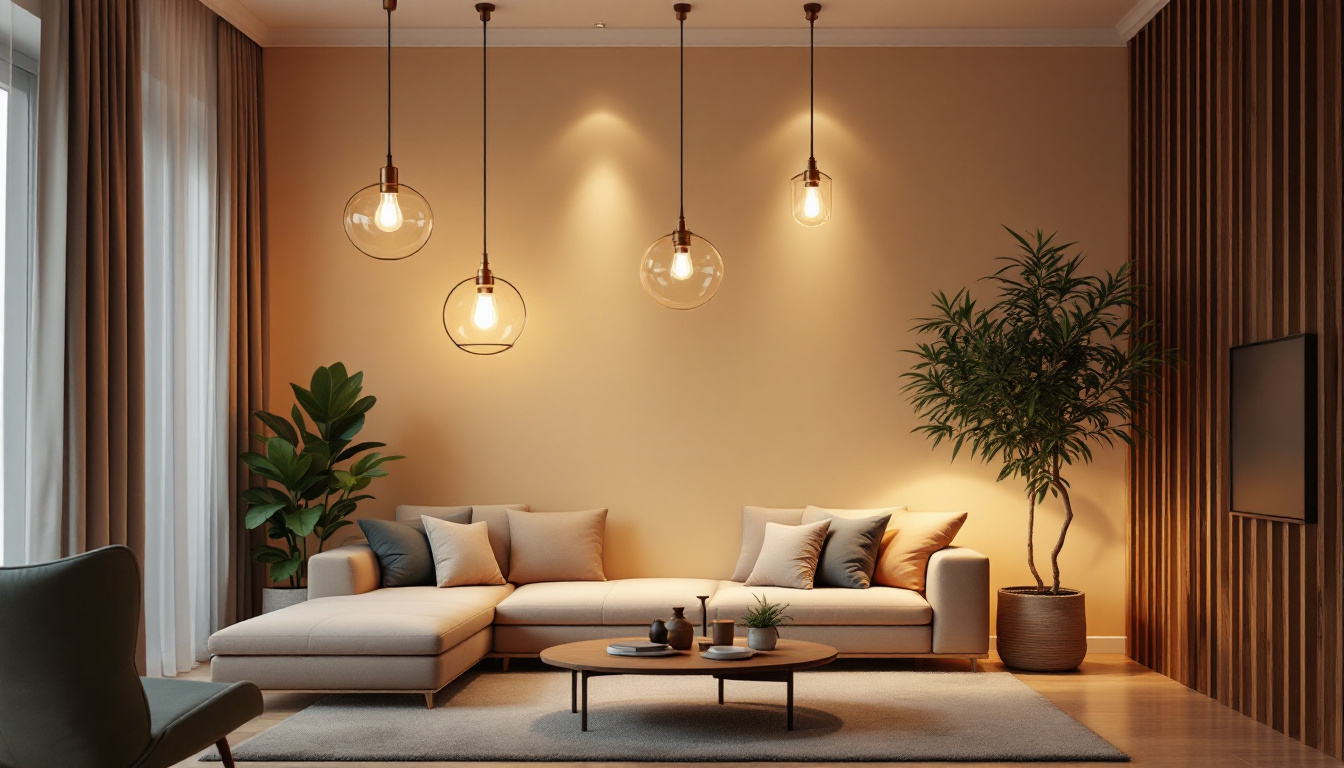
Understanding the Rise of Linear LED Lamps
Linear LED lamps have rapidly transformed the lighting industry, shifting the way lighting contractors approach both commercial and residential projects. Unlike traditional fluorescent tubes or incandescent bulbs, linear LED lamps offer a sleek, energy-efficient alternative that fits seamlessly into modern design aesthetics. Their elongated shape and uniform light distribution make them ideal for a variety of applications, from office spaces to retail environments.
For lighting contractors, this shift is more than just a trend-it’s a fundamental change in how lighting installations are planned and executed. The benefits of linear LED technology extend beyond energy savings, influencing installation techniques, maintenance schedules, and client satisfaction.
One of the most significant advantages of linear LED lamps is their longevity. With lifespans often exceeding 50,000 hours, these lamps drastically reduce the frequency of replacements, which is a crucial factor for contractors managing large-scale installations. This durability not only minimizes waste but also lowers long-term costs for clients, making linear LEDs an economically sound choice. Additionally, the reduced heat output of these lamps contributes to a cooler environment, which is particularly beneficial in spaces where temperature control is essential, such as data centers and retail stores featuring temperature-sensitive products.
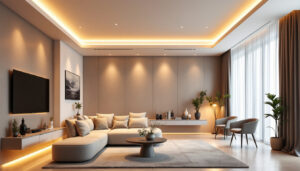
Moreover, the versatility of linear LED lamps allows for innovative design solutions that enhance the ambiance of any space. They can be integrated into various lighting systems, including direct and indirect lighting, and can be customized with different color temperatures to suit specific needs. This adaptability enables lighting contractors to create tailored solutions that meet both functional and aesthetic requirements, fostering a more engaging atmosphere for occupants. As smart lighting technology continues to evolve, the compatibility of linear LEDs with advanced control systems further expands their potential applications, allowing for dynamic lighting scenarios that can be adjusted based on occupancy or time of day.
Energy Efficiency and Cost Savings
Lower Energy Consumption
One of the most compelling reasons lighting contractors should prioritize linear LED lamps is their superior energy efficiency. Linear LEDs consume significantly less power compared to traditional fluorescent tubes, often reducing energy use by up to 50%. This translates to lower utility bills for clients and a stronger selling point when proposing lighting upgrades.
Energy efficiency also aligns with growing environmental regulations and sustainability goals. Many commercial clients are increasingly focused on reducing their carbon footprint, and lighting contractors who understand and promote LED technology can position themselves as valuable partners in these efforts. Furthermore, the adoption of linear LEDs can contribute to achieving LEED certification for buildings, which is an attractive proposition for clients looking to enhance their sustainability credentials.
In addition to direct energy savings, the use of linear LEDs can also lead to improved lighting quality. These lamps provide a more consistent and brighter light output, which can enhance productivity in workspaces and create a more inviting atmosphere in retail environments. As clients become more aware of the psychological and physiological impacts of lighting, the ability to offer high-quality, energy-efficient solutions can set contractors apart in a competitive market.
Reduced Maintenance Costs
Linear LED lamps boast a longer lifespan—often exceeding 50,000 hours—compared to fluorescent lamps that typically last around 15,000 hours. This longevity means fewer replacements and less maintenance work over time. For lighting contractors, this can reduce service calls and increase client satisfaction.
Additionally, LEDs do not contain hazardous materials like mercury, which is present in fluorescent tubes. This makes disposal safer and more straightforward, avoiding potential regulatory complications for contractors handling waste. The reduced frequency of replacements also means that clients can allocate their budgets more effectively, investing in other areas of their operations rather than recurring lighting expenses.
Moreover, the durability of linear LEDs contributes to their cost-effectiveness. They are less prone to breakage and can withstand harsher conditions, making them ideal for various environments, from warehouses to outdoor settings. This resilience not only enhances safety by minimizing the risk of broken glass but also reinforces the contractor’s reputation for providing reliable and long-lasting lighting solutions. As businesses seek to streamline operations and cut costs, the benefits of switching to linear LEDs become increasingly apparent, making them an essential consideration for any lighting upgrade project.
Installation Advantages and Considerations
Flexible Mounting Options
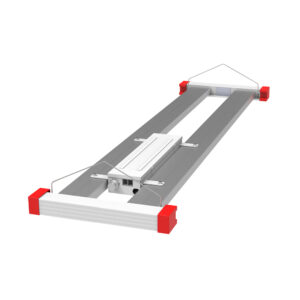
Linear LED lamps come in various sizes and designs, including integrated fixtures and retrofit tubes, offering contractors flexibility during installation. Whether a project requires surface mounting, recessed fixtures, or pendant lighting, linear LEDs can adapt to different architectural needs.
This versatility simplifies the decision-making process for contractors, allowing them to tailor lighting solutions to client preferences and building constraints without compromising on performance or aesthetics. Additionally, the lightweight nature of many linear LED fixtures makes them easier to handle and install, reducing the physical strain on installers and speeding up the overall project timeline. With options ranging from sleek, minimalist designs to more decorative styles, contractors can also enhance the visual appeal of a space while ensuring optimal illumination.
Compatibility and Retrofit Challenges
While many linear LED lamps are designed to retrofit existing fluorescent fixtures, contractors must be cautious about compatibility. Some LED tubes require bypassing or removing existing ballasts, which can add complexity to the installation and increase labor time.
Understanding the electrical requirements and ensuring proper installation is critical. Incorrect wiring or using incompatible LED tubes can lead to flickering, reduced lifespan, or even safety hazards. Lighting contractors should stay informed about the latest products and installation guidelines to avoid these pitfalls. Furthermore, it’s essential for contractors to communicate with clients about potential challenges and the implications of retrofitting, including any necessary upgrades to the electrical infrastructure. By providing this transparency, contractors can foster trust and ensure that clients are fully aware of the process, ultimately leading to a smoother installation experience and higher satisfaction with the final results.
Design and Lighting Quality Impact
Uniform Light Distribution
Linear LED lamps provide consistent, even lighting that reduces glare and shadows. This quality is particularly important in workspaces, retail environments, and healthcare facilities where visual comfort and accurate color rendering are essential. In offices, for instance, the uniformity of light helps to minimize eye strain, allowing employees to work more efficiently over longer periods. In retail spaces, consistent lighting can enhance product visibility, making displays more appealing and encouraging customer engagement.
Lighting contractors can leverage these characteristics to enhance the ambiance and functionality of a space, improving occupant satisfaction and productivity. The ability to choose from different color temperatures—from warm to cool white—adds another layer of customization to meet client needs. Warm white lights can create a cozy atmosphere in restaurants and lounges, while cooler temperatures are ideal for task-oriented areas such as kitchens and laboratories, where clarity and focus are paramount. This versatility not only caters to aesthetic preferences but also supports the specific activities taking place within each environment.
Enhanced Control and Integration
Modern linear LED systems often come with dimming capabilities and compatibility with smart lighting controls. This allows contractors to design dynamic lighting schemes that adjust to natural daylight levels or specific tasks, improving energy savings and user experience. For example, in conference rooms, lighting can be programmed to automatically dim during presentations, creating an immersive experience without manual intervention. This adaptability not only enhances functionality but also promotes energy efficiency by reducing unnecessary power consumption during off-peak hours.
Integration with building management systems is becoming increasingly common, enabling centralized control and monitoring. Lighting contractors who understand these technologies can offer clients sophisticated solutions that go beyond simple illumination. With the rise of IoT (Internet of Things) devices, lighting can now be synchronized with other systems such as HVAC and security, creating a holistic approach to building management. This interconnectedness allows for real-time adjustments based on occupancy or environmental changes, further optimizing energy use and enhancing the overall comfort of the space. Additionally, data analytics from these systems can provide valuable insights into usage patterns, helping clients make informed decisions about future upgrades or modifications.
Meeting Client Expectations and Market Demand
Growing Demand for Sustainable Solutions
Clients are more informed and environmentally conscious than ever before. Offering linear LED lamps aligns with these values and positions contractors as forward-thinking professionals. Demonstrating expertise in energy-efficient lighting can differentiate a contractor in a competitive market.
Furthermore, many government incentives and rebates favor LED installations, making it financially attractive for clients to upgrade. Lighting contractors should be knowledgeable about these programs to help clients maximize their benefits.
Future-Proofing Installations
As lighting technology continues to evolve, linear LED lamps provide a foundation that supports future upgrades. Their compatibility with emerging smart technologies and long operational life means fewer disruptions down the line.
Contractors who recommend and install linear LED solutions help clients avoid frequent replacements and adapt more easily to new lighting innovations, ensuring long-term satisfaction and loyalty.
Conclusion: Why Lighting Contractors Should Prioritize Linear LED Lamps
Linear LED lamps offer a combination of energy efficiency, design flexibility, and enhanced lighting quality that makes them indispensable in modern lighting projects. For lighting contractors, mastering the nuances of these lamps-from installation techniques to product selection-is crucial for delivering value and meeting client expectations.
Embracing linear LED technology not only improves project outcomes but also positions contractors as leaders in sustainable, innovative lighting solutions. Understanding the benefits and challenges of these lamps enables contractors to provide expert guidance, streamline installations, and build lasting client relationships.
Get the Best in Linear LED Lamps at LumenWholesale
Ready to elevate your lighting projects with the most efficient and stylish linear LED lamps on the market? Look no further than LumenWholesale, where we specialize in providing contractors with spec-grade lighting solutions at unbeatable wholesale prices. Say goodbye to local distributor markups and hello to our premium selection that meets the highest industry standards. With LumenWholesale, you’ll enjoy the convenience of bulk buying with free shipping, ensuring you get the best value without any hidden costs. Make the smart choice for your lighting needs and experience wholesale lighting at the best value today.